At FLORA, the trouble began with a promise. The company wanted users to teach an image model a particular visual style without wrestling with the machinery underneath. It called the feature Styles. But training could take more than fifteen minutes and cost more than ten dollars. For an expert, that might be a reasonable bargain. For someone promised simplicity, it was an awkward pause followed by a bill.
- One canvas connects models, references and revisions.
- Techniques turn creative decisions into reusable workflows.
- Its Styles reversal shows where effortless AI runs out.
That small disappointment exposes the larger question behind FLORA: what does a professional actually need from artificial intelligence? An attractive first image is easy to admire. A coherent campaign, a recognizable character, or a brand that survives its hundredth variation requires something less glamorous: control.
01An investor goes to art school
Weber Wong left Menlo Ventures for NYU’s Interactive Telecommunications Program. In an interview with a16z’s Jon Lai, he described realizing that he would not have backed himself as a founder. Art school gave him a problem he wanted to solve. Wong and cofounder Alex Li were making real-time AI installations; the techniques they wanted were too inaccessible to ordinary creatives.
FLORA, founded in 2024 and publicly launched in February 2025, grew out of that work. Its expertise sits at the junction of applied AI, interface design, and creative practice. The July 2025 manifesto gives the name a modest explanation: creation should feel natural. Flowers are an appealing metaphor. Professional software still has to pay the rent.

02The canvas remembers the thinking
The product is a browser-based canvas where text, images, video, and audio become connected steps. A reference can feed an image generator; an approved image can feed a video model. Users can branch, compare, and rerun part of the process. The useful object is both the finished asset and the visible route that produced it.
That puts FLORA in the workflow layer of the creative AI market. Its pitch is the environment around multiple models. Against Adobe’s established editing tools or a standalone generator, its particular attraction is continuity: fewer transfers between applications and a process teammates can inspect. That is a positioning argument, rather than proof that every project belongs there. For an agency, the audience includes the next designer on the account. A useful workflow must survive that handoff, carrying the references and choices that explain why the result looks right.
FAUNA, introduced in March 2026, adds an agent inside that canvas. Describe a task and it chooses models, sequences steps, and writes prompts. Its actions remain visible. An art director can redirect one branch without discarding the rest. The assistant supplies coordination; someone still has to decide whether the result deserves to leave the room.
03A brand becomes a recipe
Techniques, also launched in March, package creative workflows so other people can run them. Some are open to inspection and modification. The library includes scene-building, product visualization, and even a technique for critiquing creative work. A saved process becomes something a colleague can use tomorrow, with different inputs.
Base Design offers a charming example. It used Techniques to explore brand extensions, including logos, palettes, mockups, and headlines, then developed a tarot-card generator. The serious point underneath the party trick is consistency. A studio can hand over a working system alongside guidelines, preserving some of the decisions that usually disappear when a project closes.
For Hebbia’s branding work with The Wilder Agency, FLORA reports exploration of more than 100 directions. The team also mocked up employee portraits in proposed settings before a shoot, testing lighting and styling before production spending. These are company-published accounts, not controlled productivity studies. Their value is in showing a method readers can borrow: approve the visual direction before booking the expensive part.
04The feature that came back wiser
Styles had tried to smooth over model-specific training demands. Then Google’s Nano Banana changed the calculation in 2025, delivering much of the desired style adherence through ordinary image editing. FLORA removed Styles late that year. Customers with unusual visual languages still needed training, however, and their requests brought LoRAs back in September 2026 for Flux 2 and Krea 2.
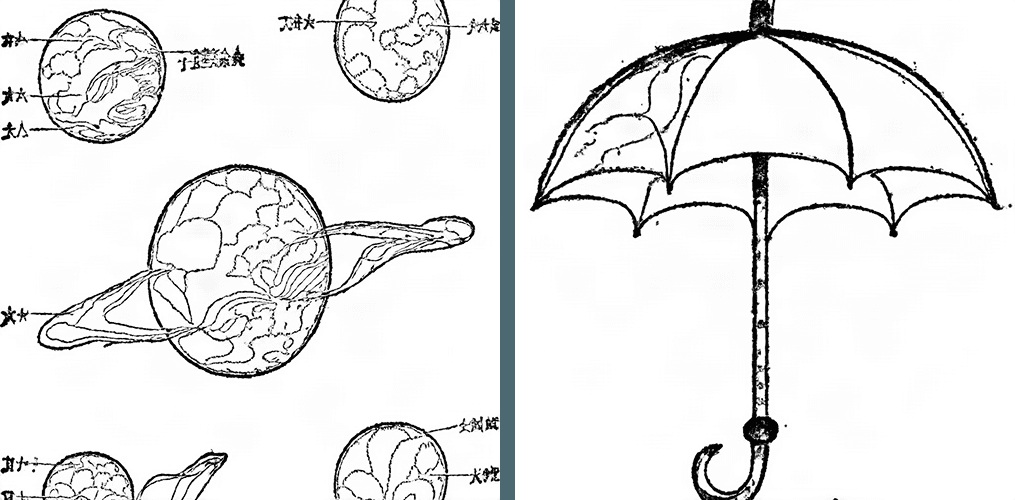
Li’s demonstration trained on ten acupuncture diagrams and transferred the pen-and-ink look to other subjects. He explicitly acknowledged that the resulting Chinese-looking characters were not real. It is an excellent miniature of the bargain: visual resemblance can succeed while semantic accuracy fails. The restored feature addresses specialist needs, with the effort visible. Readers can copy that product decision: simplify the routine work, and explain the demanding work honestly.
“The goalpost moved.”
Alex Li, on Styles
05The meter matters
FLORA sells subscriptions and metered generation, with custom enterprise arrangements. Its May 2026 pricing announcement replaced abstract credits with dollar-denominated budgets pooled across team seats. It described a $50 monthly Pro seat; generating media consumes the pool, while FAUNA’s chat layer is free. Extra spending is opt-in and capped. Promotional allowances have changed, so a team should check the live plan before budgeting.
Funding buys time to build this machinery. FLORA announced a $6.5 million seed round in May 2025, led by Hanabi Capital’s Mike Volpi. In January 2026, it announced a $42 million Series A led by Redpoint and reported $52 million raised altogether. Its announcement names users at Pentagram, AKQA, Red Antler, Lionsgate, and MSCHF. Those affiliations suggest professional adoption; they do not reveal contract sizes.
Series A announced January 2026
$52M total raised, reported by FLORA06Finish the work, then judge it
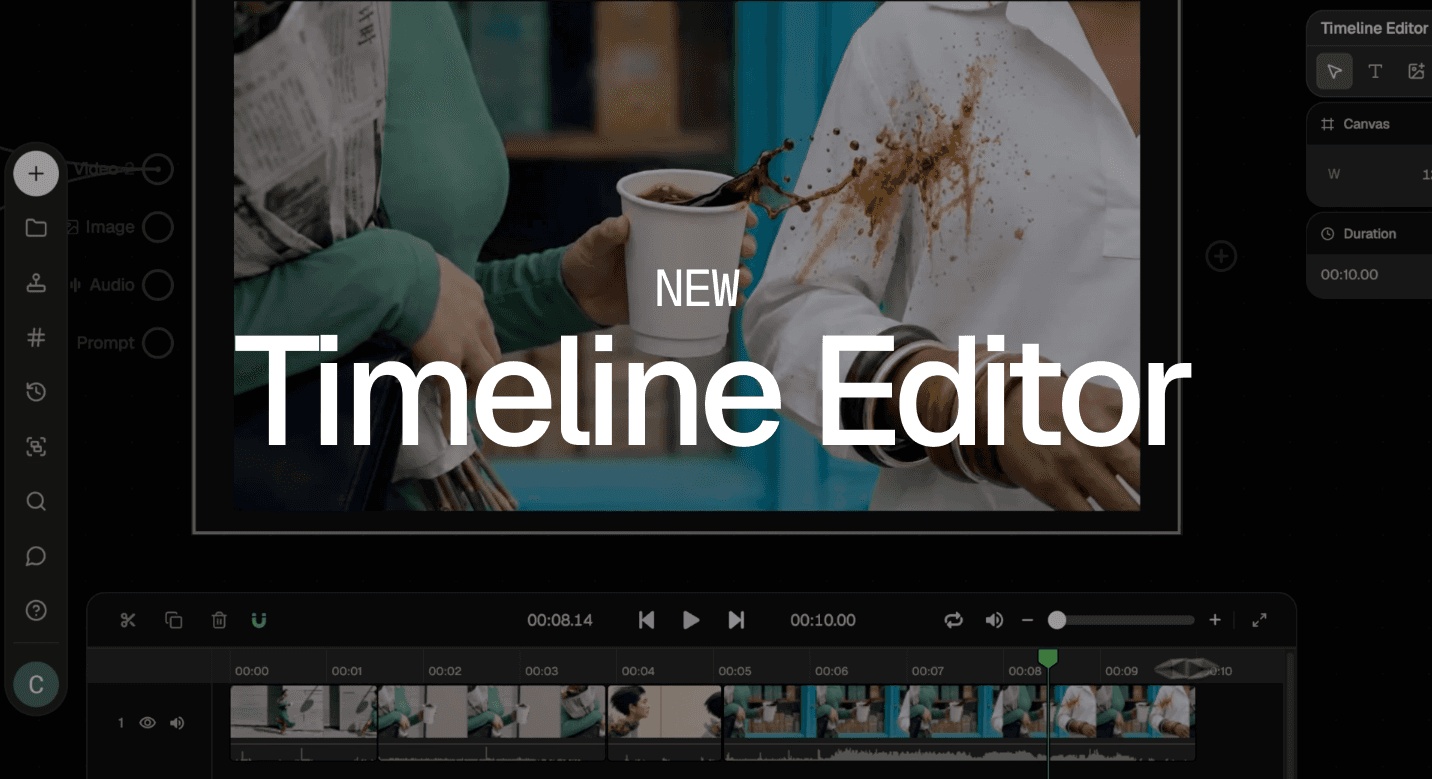
The product has moved closer to finishing. July brought a Timeline Editor for sequencing, trimming, and assembling generated clips. August brought Fashion Studio, connecting garment visualization with campaign work. September release notes added production-oriented 3D exports and shareable decks. The same notes also retired seven Fashion Studio tools. Shipping, here, includes pruning.
FLORA also employs Forward Deployed Creatives: experienced practitioners who work alongside customer teams and feed real constraints back into the product. That approach suits software whose usefulness depends on taste, briefs, and deadlines. A convincing demonstration is only the entrance exam.
For a team testing FLORA, the sensible experiment is one recurring task: one approved reference, a few deliberate variations, a saved workflow, and a colleague asked to rerun it. Check consistency, revision time, and actual spend. Where exact lettering, factual accuracy, or specialized finishing determines acceptance, inspect every output and keep the appropriate tools nearby. The canvas earns its place when the next person can make good work with it.