image-generation
(14)
Bria AI puts a price on permission
The image is only half the product. Bria is building visual AI around licensed training data, payments to rights holders, and controls that let a business ask for the same thing twice.

FLORA learned that creative control has a price
A New York startup wants to make AI a working studio for designers. Its most revealing lesson came from a feature it had to remove - and the professionals who asked for it back.
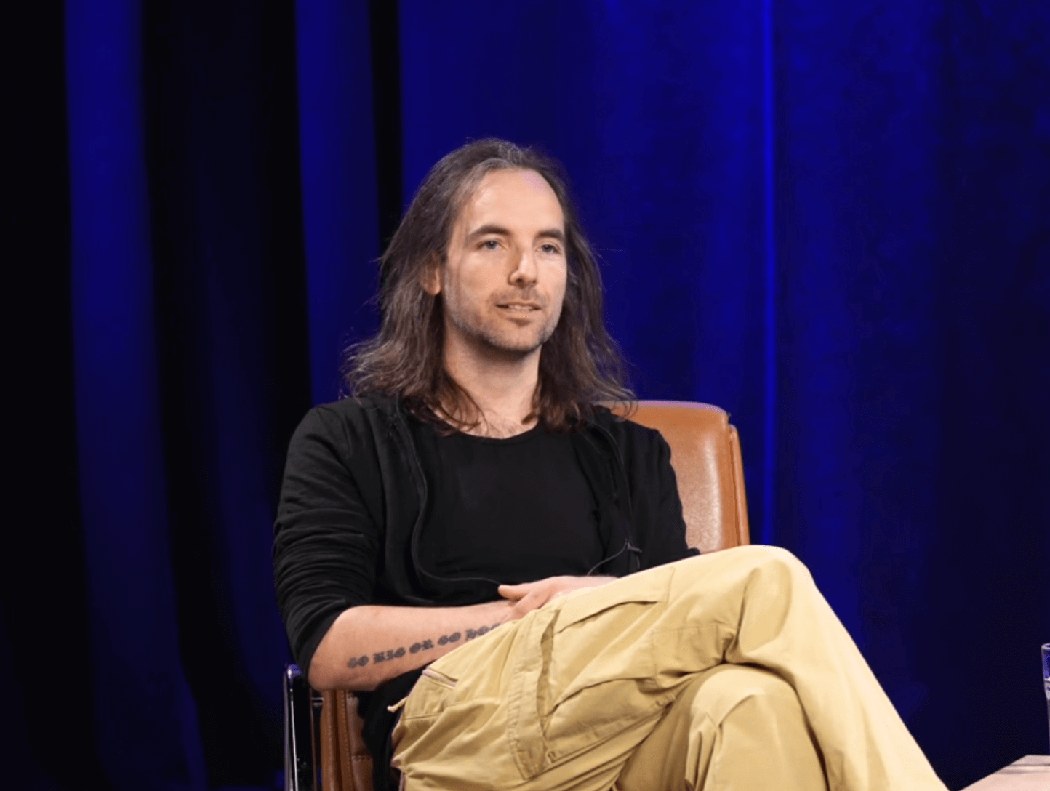
Patrick Esser and the Art of Making Images Smaller
Before an image could be conjured from a sentence, Patrick Esser helped solve a less glamorous problem: how to make the image small enough for a machine to learn. The route from a Heidelberg lab to Black Forest Labs runs through that deceptively simple idea.
Mewtant Found a Business in the Margins of the Picture
Its product, PixAI, began with a simple bargain: describe an anime character and see one appear. The more interesting business emerged after the image was made.

Luma AI Wants You to Direct, Not Just Prompt
Luma has grown from a five-second video curiosity into a serious creative workbench. Ray3.2 gives filmmakers real control, while the credit meter gives everyone a reason to plan before pressing generate.
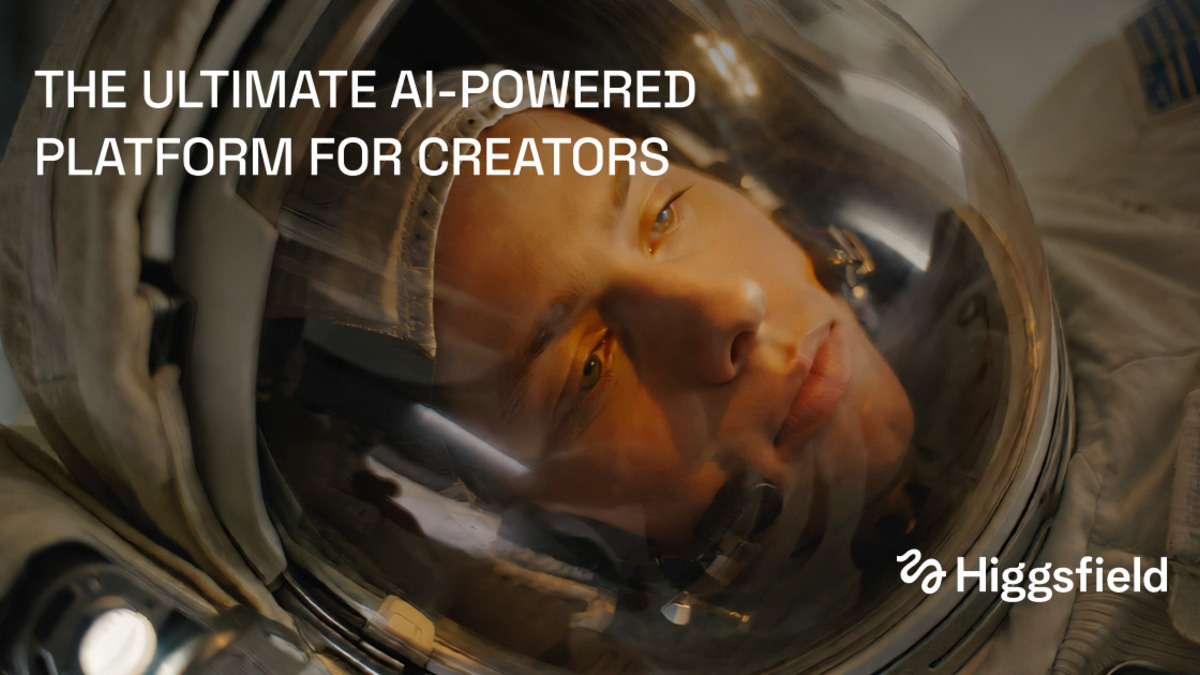
Higgsfield Put a Film Crew Inside Your Browser
Higgsfield wraps dozens of image, video, and audio models in a director-friendly studio. The creative control is real; so is the need to watch the credit meter.

ChatGPT Ate the Blank Page
The chatbot that made prompting a household verb now wants to search, draw, speak, study, code, and finish the errand. Here is how to use its sprawling toolbox without handing it your judgment.
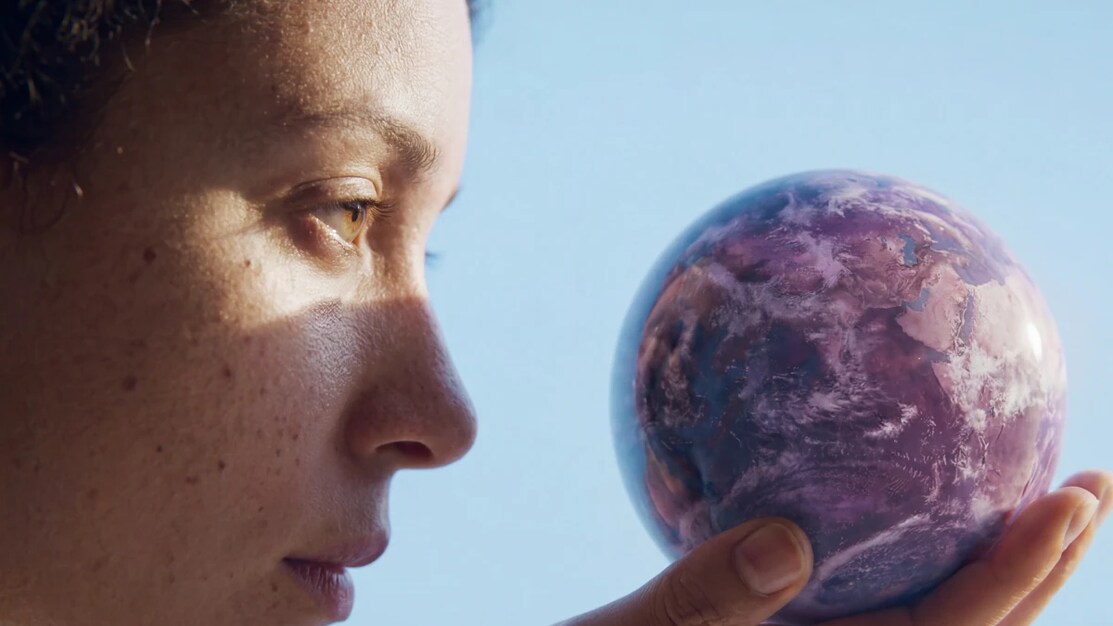
Magnific Ate Freepik - Now It Wants the Whole Creative Desk
The two-person upscaler that made pixels invent details now fronts a 15-year-old creative empire. For working creators, the real question is whether one crowded subscription can replace a folder full of specialist tools.

Poe Put Every AI in One Tab. Now Watch the Meter.
Poe is the tempting answer to AI-tab fatigue: one lively marketplace for models, bots and tiny apps. The catch is a point meter that turns every ambitious prompt into a small budgeting decision.

Grok Put the Internet on Speed Dial
Grok reads the room faster than most assistants because one of the world's noisiest rooms is built into the product. That makes it useful, funny, occasionally unnerving, and worth learning with both hands on the wheel.

OpenArt AI
OpenArt AI is a San Francisco-based AI creative platform founded in 2022 by former Google engineers Coco Mao and John Qiao. The platform aggregates 100+ AI models - including DALL-E 3, Stable Diffusion, Google Veo 3, Kling, and Sora - under a single interface, letting creators generate images, videos, music, and 3D environments without switching tools. From hobbyists making tabletop RPG art to agencies building brand-consistent content at scale, OpenArt serves roughly 8 million monthly active users. The company reached $70M+ ARR in 2025 with a 20-person team, then closed a $30M Series A led by Canaan Partners in January 2026.
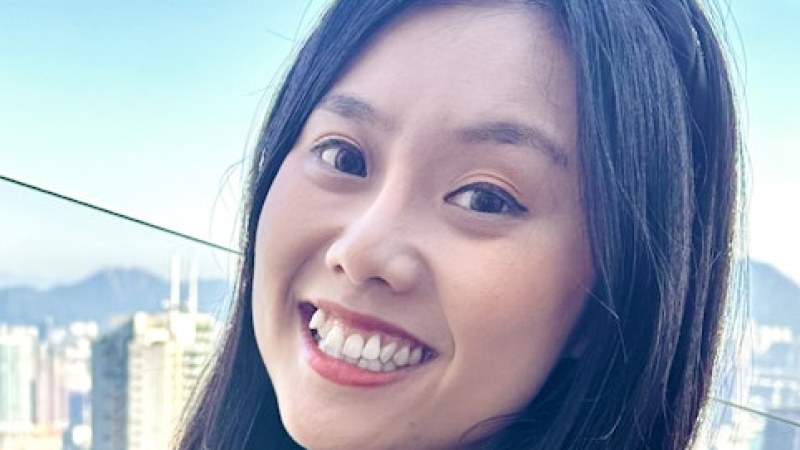
Coco Mao
Coco Mao is the CEO and co-founder of OpenArt AI, the creative platform that grew from a viral Hacker News post about AI image prompts to $70M+ ARR with just 20 people. A Carnegie Mellon computer scientist who spent seven years at Google building search products and the Tangi short-form video app, she left in 2022 to co-found OpenArt with CTO John Qiao. Under her leadership, OpenArt scaled 7x in 2025, reached 8 million monthly active users, raised a $30M Series A from Canaan Partners, and launched One-Click Story — a feature that lets anyone turn a single sentence into a complete video with persistent characters.

Victor Perez
Víctor Pérez is the co-founder and CEO of Krea.ai, a San Francisco-based generative AI platform that has raised $83 million and grown to 20 million users. A Barcelona native who studied audiovisual systems engineering at UPF, Perez received the prestigious laCaixa Fellowship (a scholarship from the King of Spain) to pursue graduate studies at Cornell University — but spent just one day on campus before convincing his co-founder Diego Rodriguez to drop out and build Krea instead. A researcher whose work has appeared at NeurIPS and ICCV, and a graffiti artist at heart, Perez leads a company whose mission is to put creators in control of AI — not replace them with it.

OctoAI
OctoAI (formerly OctoML) was a Seattle-based AI infrastructure company founded in 2019 by University of Washington researchers — including Apache TVM creator Tianqi Chen and CEO Luis Ceze. The company built a generative AI inference platform that gave developers fast, affordable API access to leading open-source LLMs and image generation models, along with OctoStack, an enterprise-grade private AI deployment stack. After raising ~$132M and pivoting from ML optimization to GenAI infrastructure, OctoAI was acquired by NVIDIA in September 2024 and wound down its commercial services by October 31, 2024.