The small-business owner has a peculiar organizational problem. The company is large enough to need marketing, but not always large enough to need a marketing strategist, copywriter, designer, performance advertiser, SEO specialist and web developer sitting around one payroll. So the owner hires one person, then a freelancer, then an agency for the website, and soon becomes the least qualified conductor of a very expensive orchestra.
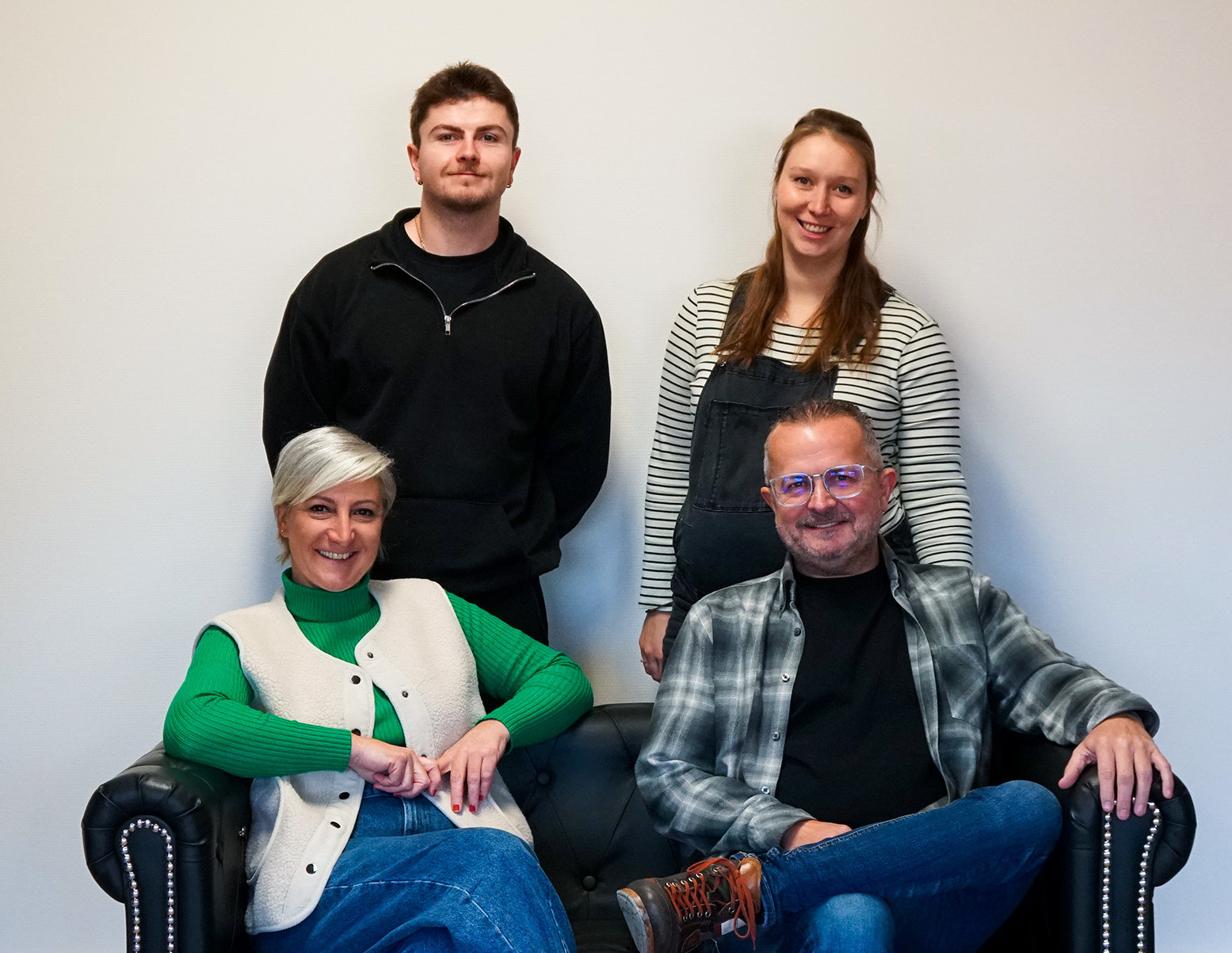
DNA Marketing, a Belgian firm based in Oisquercq, has built its business around removing the conductor's baton. Its phrase is Marketing as a Service, or MaaS: one outside team that behaves like the inside department. Strategy and execution live together. One contact coordinates the specialists. The client gets regular meetings and short reports, while the mix of work can shift from SEO this month to employer branding or paid social the next.
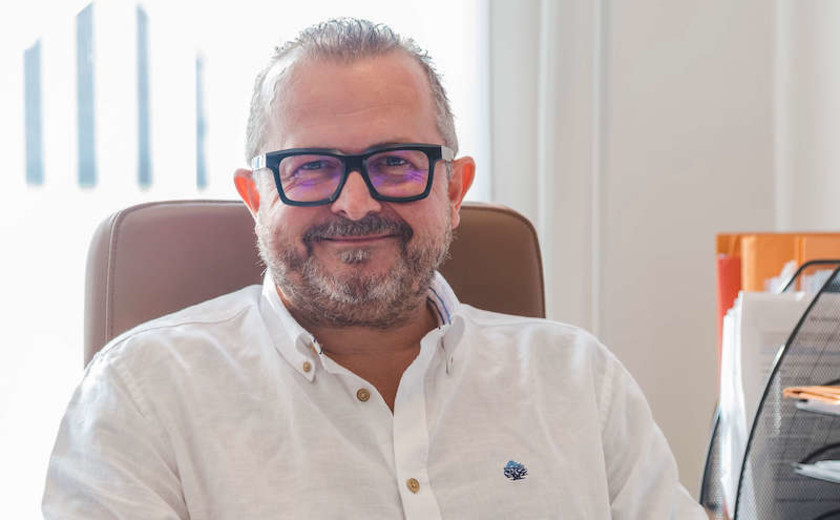
The language is revealing. Founder Dirk Vierendeel calls his people doeners - doers. The company website actually tells visitors to forget the word “agency.” This is clever positioning, certainly, but it also identifies the frustration being sold against: the immaculate strategy deck that nobody turns into Tuesday's work.
The department hiding inside a subscription
Vierendeel started the legal company, DNA Consulting BV, in 2004 after working as a marketing and communications adviser and coordinating big brands with their suppliers. His move was from being the person between organizations to building the organization in between. Today DNA works mainly with Belgian SMEs and regional businesses: transport operator VPD, auto dealer Group Vandergucht, several Belisol branches, restaurant Nesta, Gorgon Motors, a school and other companies whose marketing needs exceed a single specialty.
What they buy is broad. DNA offers research and strategy, names and identities, copy, photography and video, social content, paid campaigns, SEO and SEA, automation, websites, print pieces and reporting. The distinction is not that no competitor can do these things. Full-service agencies are plentiful. The distinction is operational: DNA packages the disciplines as a continuing capacity, then describes the relationship as membership in the client's team.
Those prices matter because “service” is often a foggy word. DNA's published menu gives it edges. Its three full-marketing levels currently range from €3,575 to €8,800 per month before VAT. Higher tiers increase meeting and reporting frequency and add copy, photo and video, paid search, regional exclusivity and time with the founder. Social packages run from €935 to €2,145 monthly. Websites begin at €2,750, with annual hosting and service charges. Ad spend and some extras sit outside the base.
The clever part is not outsourcing the work. Companies have done that forever. It is outsourcing the coordination without outsourcing the conversation.
One hundred leads from thinking smaller
The clearest case begins with a national brand and a local problem. Belisol's parent operation already handled national marketing. DNA argued that three branches - Asse, Aalst and Sint-Pieters-Leeuw - still needed a regional layer. It built a local site and ran social and search campaigns around that territory. During one promotion, the branches reported more than 100 additional leads per month and social reach in the hundreds of thousands.
This is an instructive reversal. “Bigger audience” is an easy answer because the number goes up. DNA made the unit smaller: a local site, regional familiarity, nearby prospects. The campaign's value came from specificity below the national message. A business can copy that idea without copying the exact campaign: find the geographic or customer segment that the umbrella brand treats as an average, then give it a useful home of its own.
Two client signals, normalized for display
Client case figures as reported by DNA. Bars illustrate unlike measures and should not be compared as one scale.
VPD shows the other half of the model: duration. Over at least eight years, DNA moved with the transport company from identity and broad communications into employee stories, sustainability positioning and review acquisition. One pleasingly humble tactic was a branded Google Review card handed to customers at delivery. DNA reports that VPD went from 3.2 stars in February 2024 to 4.2 stars with 473 reviews about five months later, then beyond 1,800 reviews at 4.5 stars by February 2025. It also reports a 500 percent increase in website visitors.
A card did not produce all that by magic. It worked at a moment when a customer had just experienced the service, within a broader program that gave the company a coherent public story. The lesson is portable: ask for the behavior at the point where it feels natural, make the request easy, and connect the small physical prompt to the digital destination.

What failed first was the lonely experiment
Garage Vandergucht supplies the most recognizable before picture. The family dealer had experimented with marketing and social media on its own before entrusting the digital side to DNA. What changed management's mind was not a philosophical conversion to agencies; it was the limits of ad hoc execution. The relationship lasted, and when the dealer expanded beyond Citroën in 2024, DNA developed a new name treatment, visual identity, website and communications system for the multi-brand Group Vandergucht.
The problem DNA solves is rarely ignorance. Owners know a website should convert, social accounts should be active and a brand should look consistent. The trouble is continuity: assigning the work, judging it, connecting it to sales and doing it again next week. DNA's answer is a three-beat loop.
Understand
Interrogate the company, customers, market and objective before choosing the channel.
Make
Turn priorities into campaigns, content, design, ads, sites and physical material.
Adjust
Report in plain language, say what missed and move the next month's effort.
The company says it begins with analysis, turns that into a practical plan, executes and then uses a compact report to revise priorities. A personal contact owns the relationship. Meetings can occur monthly, every two weeks or even more frequently depending on the engagement. This rhythm is the actual product. The logo, post or landing page is an output of it.
The part worth stealing
For a reader running a business, the copyable piece is not “hire a Belgian agency.” It is the management design. Begin with the commercial question, not a favorite channel. Give one person responsibility for the whole queue. Keep strategy close to the people who produce the work. Review a small number of comprehensible measures on a fixed cadence. When something disappoints, change the allocation rather than defending the original plan.
There is also a useful restraint in DNA's best cases. Belisol did not need a new national idea; it needed a local translation. VPD did not need a grand technology platform to invite reviews; it needed a card at the correct moment. Nesta, the restaurant born from Tartufo, used takeaway ordering and cooking tutorials during lockdown, then carried the relationship into a new name, identity and website. Its newsletters later scored three times the restaurant-sector average, according to DNA. The interventions fit the obstruction.
Fit before fashion
This model is strongest when a company has recurring work across several disciplines but too little need - or budget - for a complete internal team.
- It loses force when leaders cannot share sales data, approve work promptly or give an outside team access to the real business problem.
- A company needing daily, deeply technical product marketing may still need an internal owner, even if specialists remain external.
- A one-off task with a fixed brief may be cheaper from a specialist than from a broad monthly engagement.
DNA Marketing occupies the middle ground between freelancer and internal department. It is broader and more coordinated than the first, but more variable and external than the second. That position will not suit every company. It does suit the owner who has accumulated five suppliers, three passwords, a neglected content calendar and the creeping suspicion that marketing has become another business to run.
The firm's promise, stripped of its acronym, is almost comic in its simplicity: the people who advise what should happen will remain nearby to make it happen, see whether it worked and decide what to do next. After two decades, DNA Marketing has made a company out of closing that small, stubborn gap.