In 2021, a young company called ZUPA began selling a service to Condor, the Brazilian supermarket chain. For its founders, the consequence was pleasingly unglamorous: recurring revenue meant they could stop putting their own money into development. Condor Connect, the chain’s accelerator, had helped arrange the relationship. Here was an innovation program producing something a founder could appreciate without a glossary: a customer who paid.
- Retail operations give startups somewhere to test a product against an actual business problem.
- Acceleration, commercial contracts and investment are separate steps.
- ZUPA’s experience suggests the useful outcome to watch: revenue that changes a young company’s options.
The interesting question is how an accelerator acquires that power. Plenty of organizations can introduce an entrepreneur to a mentor. Fewer have a supermarket group close enough to become a proving ground and, potentially, a buyer. Condor Connect’s story is about shortening the distance between those two conversations.
A trip abroad, a laboratory at home
Pedro Joanir Zonta, founder of Condor and president of Grupo Zonta, visited Silicon Valley and Berlin. He saw Brazilian entrepreneurs pursuing opportunities overseas, along with the expense of living abroad. He wanted to create more opportunities at home. It is an origin story with an unusually practical destination: the Condor Pinheirinho supermarket in Curitiba, where Condor Connect opened on July 30, 2019.
The launch brought together Condor and Projeto Jovem Empresário. Kauana Vissotto, identified in later coverage as CEO Kauana Yrina, led startup development and mentoring. Universities, research laboratories, companies and entrepreneurs were invited into the process. The ambition was to make retail work better: save time, improve efficiency and increase productivity.
By June 2024, the accelerator’s remit included Grupo Zonta’s suppliers as well as the group itself. That widens the opportunity. A product unsuitable for a supermarket’s own operation might still answer a supplier’s problem. An established commercial network becomes part of the startup’s search for a market.
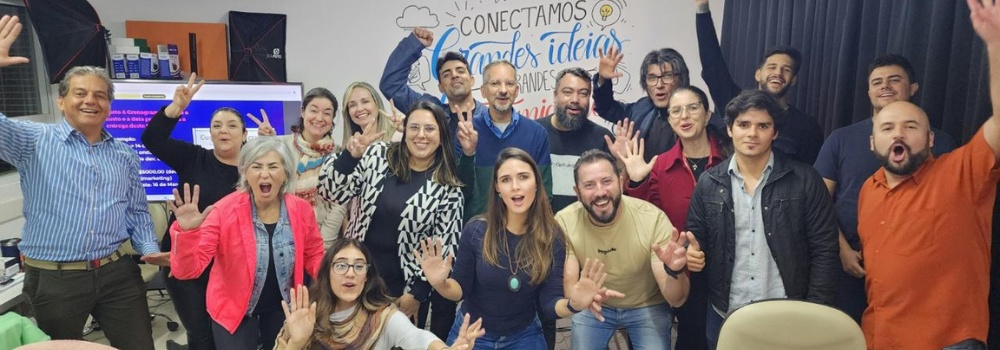
The useful introduction before the useful contract
ZUPA supplies a smaller, more revealing scene. Its founders were working on supermarket-price information when Condor Connect introduced them to another participating team with a similar project. One side brought a business model and experience with a minimum viable product; the other brought software-development expertise. The introduction helped assemble a complementary team.
Their proposed business had two sides. Consumers would use an app, Clube da Nota, to understand purchases and spending. Retailers would receive market intelligence built from shopping-receipt data. In the founders’ published account, the paid Condor service began in 2021. A corporate connection had become recurring income.
The same account contains a less photogenic detail: disagreements among founders could delay important development. A shared purpose did not automatically produce agreement about execution. The accelerator’s emphasis on leadership and interpersonal skills looks rather sensible beside that admission. Software expertise alone cannot settle a roomful of competing priorities.
The supermarket asks harder questions
Condor Connect’s corporate acceleration thesis, described in 2024 and 2025, seeks startups with validated minimum viable products. Teams develop proofs of concept: practical tests of whether a proposed solution works. The opportunity comes with a maturity requirement. A retailer needs something it can try, measure and discuss with the people responsible for the operation.
- 01Validated productEnough substance to test
- 02Corporate pilotA specific operating problem
- 03Possible contractA buyer sees practical value
Reported applications include controlling access for outside workers and sales promoters, comparing prices with competitors, supporting pricing studies and measuring distribution-centre productivity. These are useful examples because they name jobs. “Innovation” becomes easier to judge when someone can ask whether a warehouse works better or a pricing decision becomes better informed.
September 2025 reported snapshot. Activity and investment are different measures.
The accelerator sits between corporate innovation services and early-stage investing. Alternatives include other retail programs, such as Grupo Pereira’s GPS, and broader innovation hubs. Condor Connect’s particular attraction is its relationship with an operating retail group. Whether that relationship is useful depends on the startup’s product and the buyer it needs.
What the money actually buys
A 2022 survey of Curitiba innovation hubs described Condor Connect’s development program as free for participating companies, with mentoring and legal and accounting support. The official website separately offers mentoring that startups can purchase. Program participation and a tailored advisory engagement therefore belong in different budget conversations.
Funding is another conversation again. Condor Connect has a fund, Cassola, created with Bossa Nova, and has described connections to outside investors. Its model includes selective investment alongside acceleration. For a founder, the sensible distinction is between help developing a business, revenue from serving a customer and capital from selling an ownership interest.
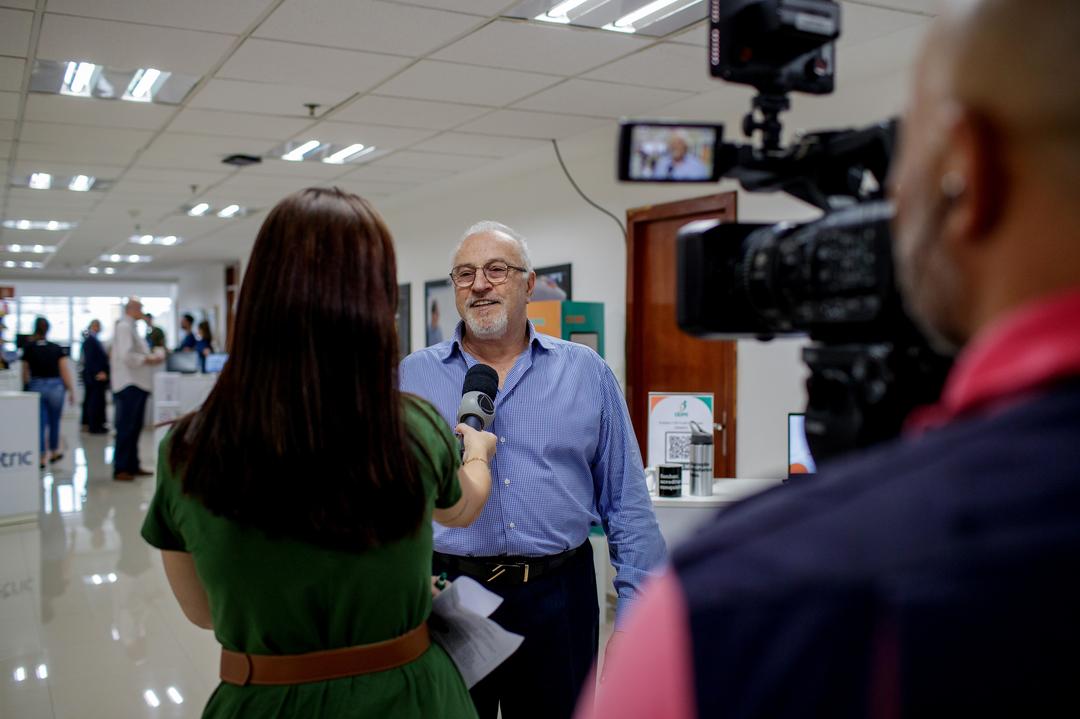
When the teacher had to take its own lesson
The pandemic interrupted the accelerator’s early years. Condor Connect responded in part through free innovation education with the Federal University of Paraná. Training offered a way to keep reaching people beyond the physical meeting space. An organization urging others to adapt had acquired a reason to practise the lesson itself.
“Vimos que nem tudo que funcionava no Vale do Silício se aplicava aqui.”
Kauana Yrina, 2023
“We saw that not everything that worked in Silicon Valley applied here.”
Yrina’s retrospective describes the development of a local methodology called COMO. The admission matters more than the acronym. Overseas inspiration supplied a starting point; working with Brazilian founders and companies required adjustments. Copying an ecosystem’s enthusiasm is much easier than reproducing its customers, incentives and daily habits.
A buyer belongs in the experiment
The transferable idea is straightforward: choose a real operating problem, find a startup mature enough to address it, and build a test with a route to paid work. This is an inference from the model, not a guarantee. It requires a company willing to make people and operations available. It also requires a founder whose product fits the problem.
A very early idea may need more basic development before that test. A product aimed at another industry may need another commercial network. For the right match, however, ZUPA’s experience offers a useful measure of progress. Ask what changed after the introduction. In its case, a supermarket became a customer, and the founders gained another way to keep building.
Condor Connect · LinkedIn · Instagram · Facebook · YouTube conversations
ZUPA’s founder account · The retail hub story · Retail’s accelerator programs · Innovation community