In November 2020, a young Barcelona accelerator published a rather revealing list. Each startup had assembled three or four advisers. Go4Clic’s group included an investor and a business angel; Groau’s included people working in trends, ecommerce and consulting. The list made mentorship concrete. Someone had to choose who belonged in the room. Someone had to decide what the company needed. At ĀticcoLab, that small act of selection became a central part of the product.
- Founders build an advisory board around their startup’s needs.
- Acceleration combines business planning, practical feedback and investor preparation.
- Corporate programmes connect startups with industry problems and potential pilots.
- The Muutos merger brings conventional businesses into the picture.
A contact becomes useful when it has a job
ĀticcoLab is the entrepreneurship and innovation arm of Aticco, the workspace-led business ecosystem. Its customers occupy different positions around the same table: founders seeking help, companies seeking new ideas, institutions supporting entrepreneurship, and investors seeking projects they can understand. It sells the organisation of those encounters. The proposition is easy to appreciate if you have ever left a networking event with twelve contacts and no next step.
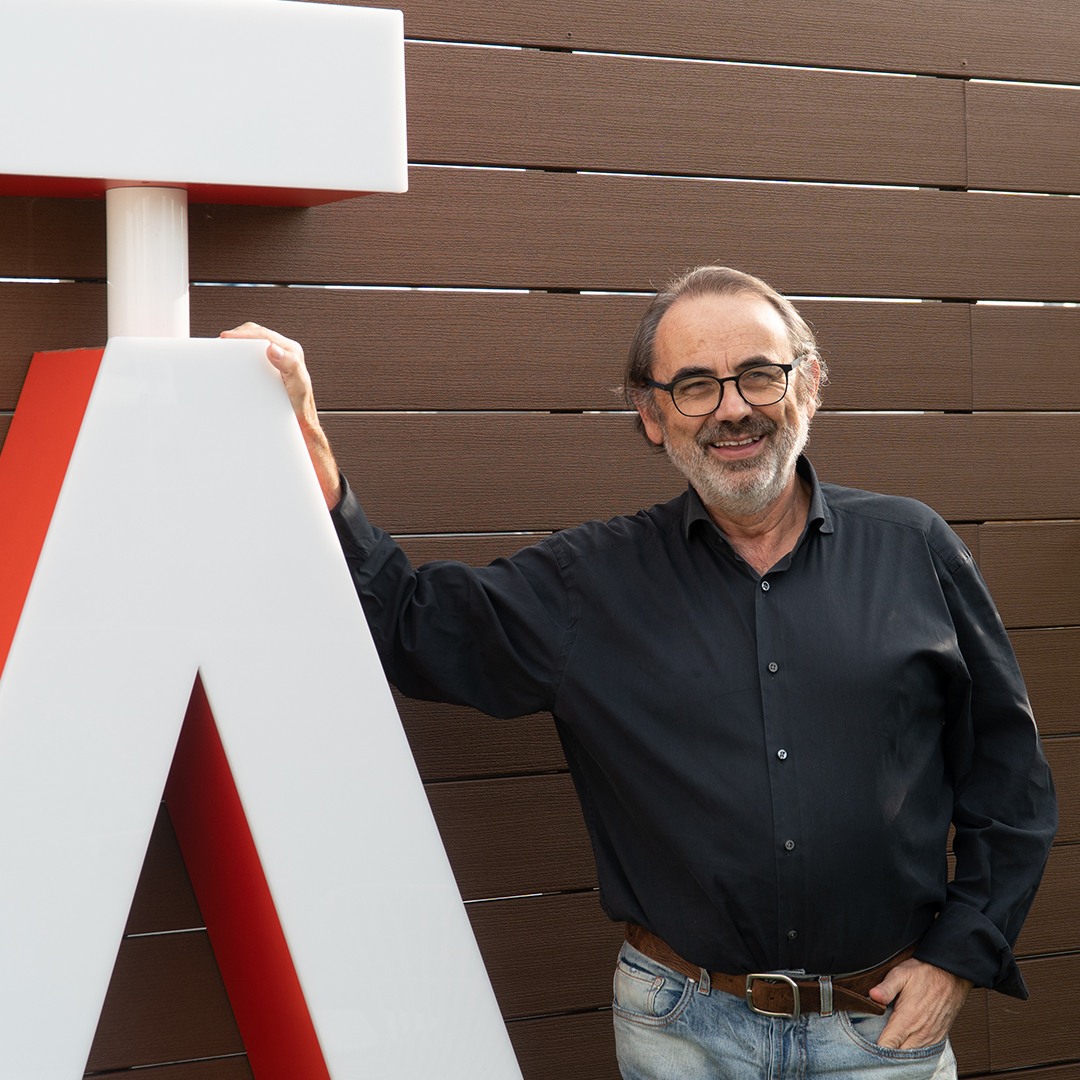
Co-founder Quino Fernández brought an unusually varied apprenticeship. His career included technology leadership at Apple Spain, founding QSystems and Briefing, and running the accelerator Conector. He had worked inside an established company, created businesses, and accompanied other founders. That experience helps explain the emphasis on operators with something specific to contribute. An adviser’s biography matters less than whether it contains the obstacle currently blocking your company.
The board is a routine, too
The accelerator’s written programme design gives the idea a schedule. Founder and programme manager agree on objectives, then select mentors through mutual agreement. Weekly progress conversations sit alongside roughly monthly board meetings and individual mentor sessions. Training is recommended according to the startup’s needs. When fundraising becomes appropriate, attention shifts towards the investment strategy, deck and presentation.
This is the detail a reader can copy without joining anything: assign an adviser a question, arrange the next meeting, and return with evidence. A commercial expert can examine customer acquisition; a finance specialist can challenge the numbers. The point is to make advice answerable to a decision. Otherwise, a distinguished advisory board can become an expensive collection of signatures.
- 01Define the next obstacle
- 02Match the advisers
- 03Review the evidence
- 04Prepare the investment case
A good introduction still has a price
Startup Booster’s current offer includes founder-selected boards of three to five mentors, two-hour monthly meetings led by the startup CEO, and two workspace seats in Barcelona. Its published exchange is 2%-5% equity for Aticco Lab and mentors, negotiated individually. Investment can progress from €5,000 to as much as €100,000, depending on evaluation and development. Those are conditional opportunities, not a cheque for every applicant.
There is an instructive exception. Leyton Impulse sponsors an equity-free place for a startup meeting the stated research-and-development spending requirement of more than €200,000 during the year. One programme can therefore contain different economic arrangements. The practical question is how much relevant help the particular arrangement buys.
“No podemos acelerar una idea o un PowerPoint.”The 2024 programme terms: “We cannot accelerate an idea or a PowerPoint.”
The accelerator requires a working product in the market and at least one full-time team member. That boundary matters. Advice cannot supply customers’ reactions to something they have never used. A founder still discovering the basic idea needs a different kind of support; a founder already testing a product can bring a real problem to the board.
Three days, then the harder work
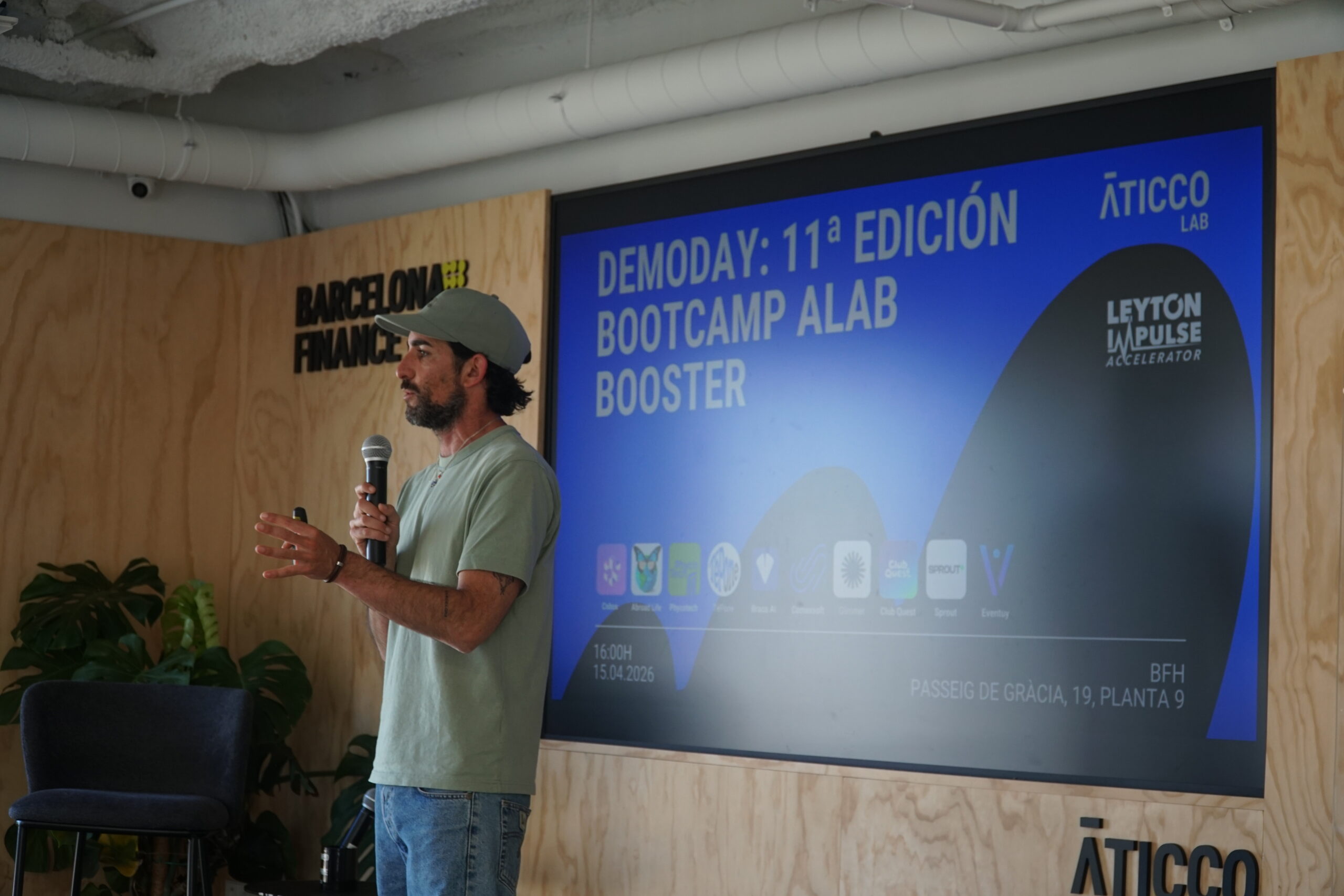
A May 2026 bootcamp account shows what participants actually did. First came business-model work, market-entry strategy and financial planning. Next came pitch construction, repeated feedback and presentations. The final day included a Leyton session on tax deductions, presentation coaching and a demo day. Six teams were named as continuing into acceleration, including ComexSoft, TéPone and Glimmer.
The sequence is revealing: the business gets examined before the performance gets polished. Alumni founders also discussed their experiences. Current community sessions explicitly make room for founder mistakes. That gives the culture a useful edge. An accelerator should permit uncomfortable questions while there is still time to act on the answers.
Bring a problem the industry recognises
For corporate customers, ĀticcoLab designs challenges, incubation, acceleration and proofs of concept. Its own explanation contains a welcome qualification: an accelerator may improve a company’s relationship with entrepreneurs without producing the particular solution its customers need. A tightly defined challenge may yield a product answer while doing less to change an internal team’s habits. The format follows the objective.
ERIA, Estabanell’s corporate-venturing initiative, makes that distinction tangible. Its third cohort began in 2026 with Ingelectus, working on electrical-grid control and monitoring, and Loradix, developing household energy flexibility. The six-month programme is equity-free, offers a €10,000 prize for the strongest progress, and can lead suitable teams towards proofs of concept in Estabanell’s operating environment. Access to infrastructure is part of the attraction. A generic mentor meeting cannot reproduce it.
The pitch party opens another door
In September 2026, ĀticcoLab announced its integration with Muutos, retaining the Aticco Lab brand. Muutos founder Anna Busquets became CEO; Fernández moved to the presidency. Strategic consulting and organisational transformation now sit beside acceleration. The expanded brief includes entrepreneurs whose businesses do not follow the venture-backed startup model.
Learning also reaches both ends of the investment conversation. Founders of Tomorrow brought together 50 selected participants, with 27 countries represented, to build and pitch projects using tools including Lovable. The Early Investor Program taught investment theses, legal terms and dilution, then examined real fundraising companies. Students practise building; prospective investors practise judgement.
ĀticcoLab’s useful distinction lies in combining those people with recurring work and, where appropriate, a corporate testing ground. Its closest alternatives are other accelerators, independent advisers and innovation consultancies. The deciding factor is fit: which adviser can answer your question, which company can test your product, and which arrangement earns its cost? Start there. The business cards can wait.