The Cincinnati Company Betting Your Employee Newsletter Should Read Like a Feed, Not a Blast
Cerkl Broadcast turns the corporate all-staff email into a personalized feed - one AI-curated digest per employee. Here's how a self-taught coder from Cincinnati built it, who's buying it, and where the whole bet could break.
Somewhere inside almost every company is a newsletter that nobody reads. It gets written by a two-person team, sent to five thousand inboxes, and opened by a few hundred out of habit. Cerkl, a software company in Cincinnati, Ohio, looked at that graveyard of unopened all-staff emails and asked a slightly different question: what if every employee got a different newsletter?
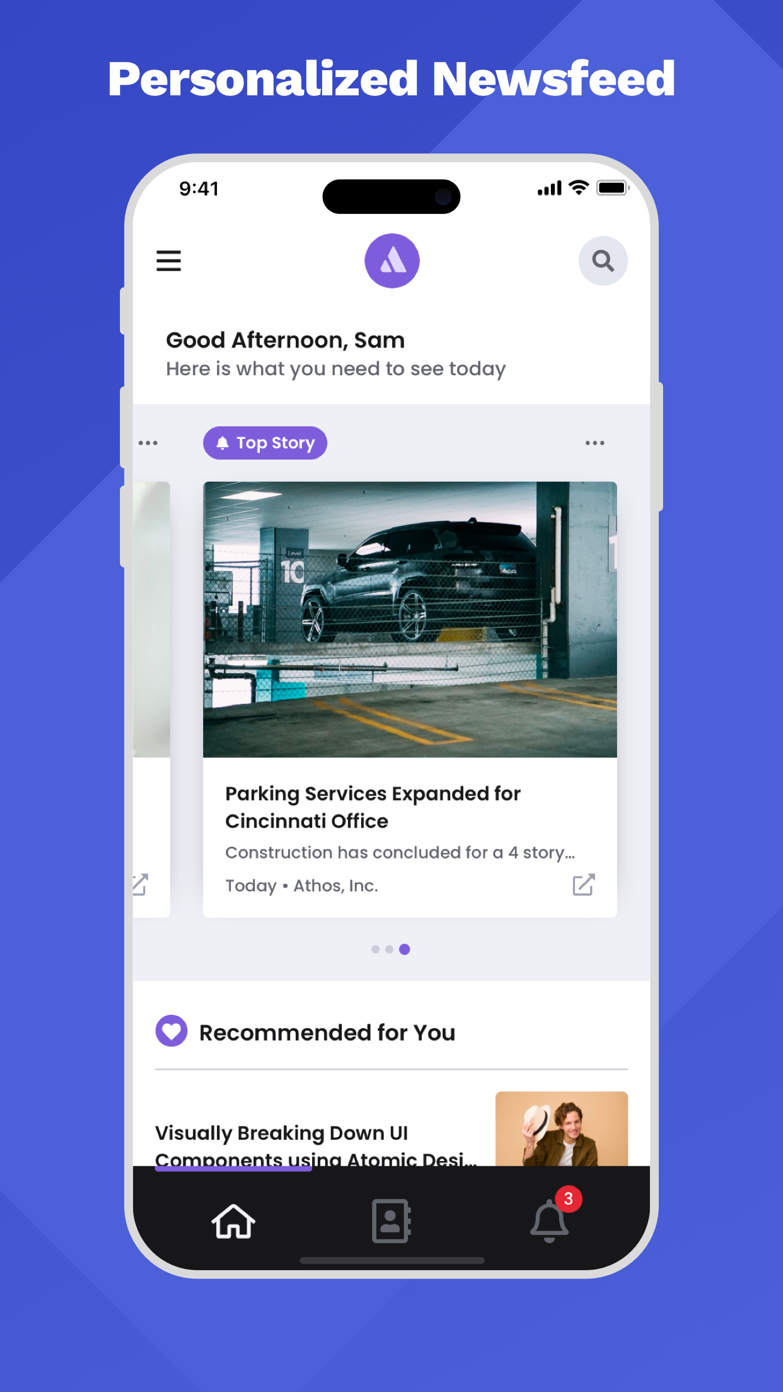
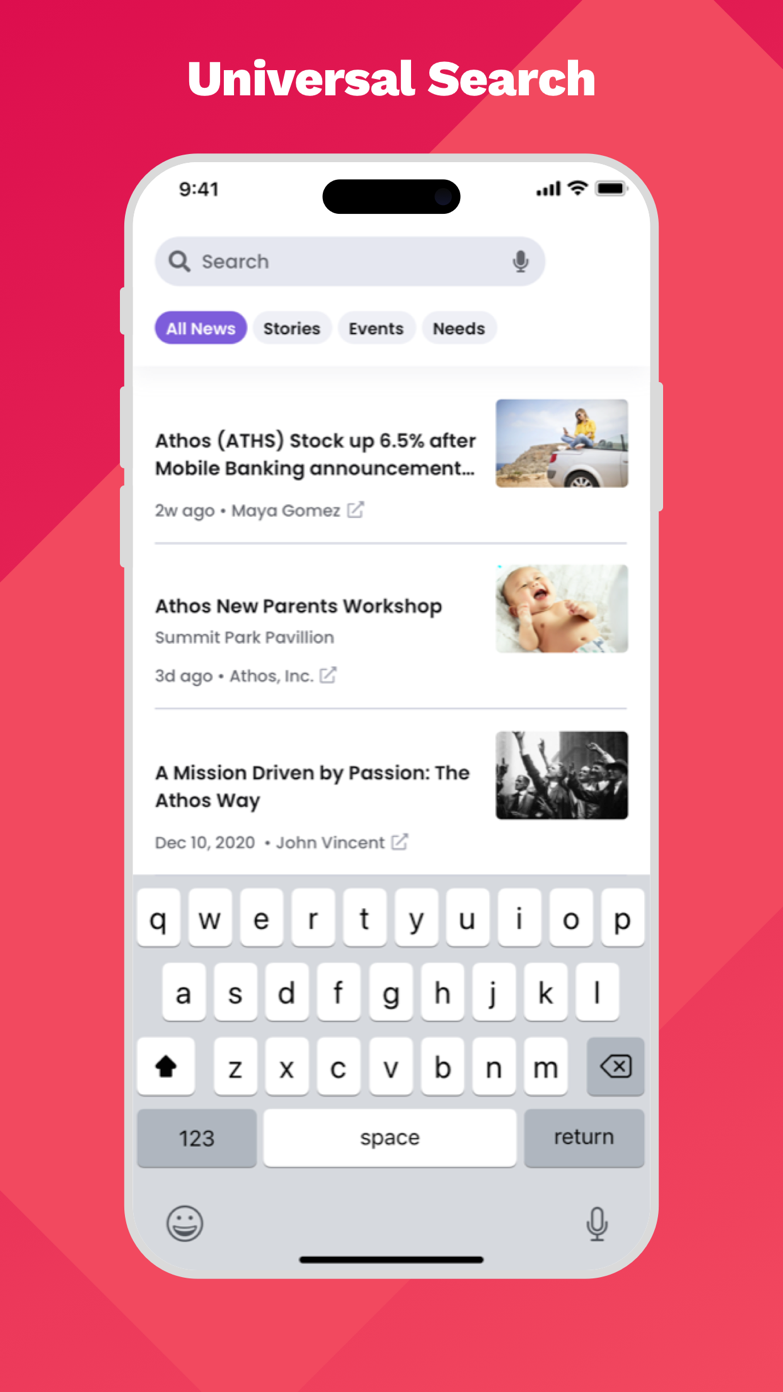
That question is the whole company. Cerkl's product, Cerkl Broadcast, is an internal-communications platform that uses AI to personalize what each employee sees - across email, SharePoint, Microsoft Teams, Slack, a set of microsites, and a mobile app. Instead of one memo blasted to everyone, the system learns what each person actually clicks and quietly reshapes their feed around it. The pitch is simple enough to fit on a sticky note: stop blasting, start personalizing.
It is not a flashy category. Internal comms rarely makes the tech-news front page. But the numbers coming out of Cerkl's customers suggest the boring problem was hiding a real one - and that fixing it is worth money.
01What Cerkl actually does
Broadcast comes in two flavors. Foundations is a free-forever internal email plan - a drag-and-drop email builder, templates, audience targeting and analytics - aimed at teams who just want to send a decent internal newsletter without wrestling Outlook. Omni-Channel is the paid enterprise tier: the same content, distributed and personalized across every channel a company already uses, with cross-channel analytics stitched together in one place.
The engine underneath is the interesting part. Cerkl's personalization system - branded internally as MyNews - automatically curates a digest for each employee based on their role, location and past behavior. If a nurse keeps opening clinical updates and ignoring the softball-league recap, the system notices and adjusts. The comms team writes the content once; the AI decides who sees what, and in what order.
Cerkl frames this as scaling one-to-one communication without adding headcount. Their argument against the competition is pointed: most platforms lean on manual audience segmentation, where a human builds the lists and guesses who cares about what. Cerkl's bet is that the guessing was the problem all along.
Saving the audience's time and delivering genuine value. Tarek Kamil's founding rule for Cerkl
02The founder who started at 12
Cerkl was founded in 2012 by Tarek Kamil, who is still its CEO. He immigrated to the United States from Egypt as a young child and, by his own account, started writing software at age 12. The through-line of his career has been using large amounts of data to solve a specific human problem - in this case, the fact that people are drowning in workplace messages and reading almost none of them.
Cerkl did not start life as enterprise software. The early idea was closer to consumer news personalization - the same AI, pointed at helping ordinary people cut through digital noise. That version did not become the business. What Kamil kept was the engine, which he redirected at organizations that needed to reach employees, alumni, members, volunteers and parents. The lesson he took from studying engagement for years was blunt: it comes down to saving the audience's time and giving them something worth their attention. Those two rules apply to a hospital's staff as easily as to a newspaper's readers.

03Who is buying it
Cerkl's customer base clusters where the audiences are large, distracted, and often not sitting at a desk: healthcare, higher education, and big distributed workforces. The published case studies read like a tour of exactly those places.
St. Elizabeth Healthcare
54% open rates among employees and 46% among medical staff, using personalized digests drawn from more than 6,500 content items.
Paycor
614K internal email blasts through "My Paycor News," landing a 34% click rate and 68% audience reach.
Stanislaus State
68% audience personalization, with 34% of employees coming back to revisit content instead of reading once and forgetting.
Church & Dwight / Flagger Force
Consumer-goods and field-services teams using Broadcast to reach staff who rarely open a traditional company email.
The pattern is consistent. These are organizations where a clinician, a professor or a field crew will never scroll a long HTML newsletter - but will tap a notification about the one thing relevant to their shift. That is the gap Cerkl sells into.
04How it's different from the pack
Internal comms is a crowded field. Cerkl runs into Staffbase, Firstup, Poppulo, Workvivo (now owned by Zoom), Simpplr, Haiilo, Unily, ContactMonkey and Axios HQ, among others. Each has staked out a different angle - and comparing them is the clearest way to see Cerkl's bet.
Staffbase built its name on a mobile-first, branded employee app for deskless workers. Firstup delivers across channels but leans on predefined segments to decide who gets what. Poppulo has pushed toward enterprise crisis communication - real-time alerts, two-way messaging, task management. Cerkl went the other direction from all of them: skip the manual segments, let the model learn from behavior, and keep the comms team out of the list-building business.
Your internal communications team isn't sending emails. They're running a newsroom - just without the newsroom's tools. The reframe at the center of Cerkl's product
05The business, and the money
Cerkl runs a classic land-and-expand SaaS model. The free Foundations tier is the front door - it exists because, as the company likes to point out, Outlook and Gmail were never built for internal comms. Once a team is inside, the upsell is the Omni-Channel plan, priced by audience size and the number of channels, which unlocks personalization across Teams, SharePoint, Slack, microsites and mobile.
The company has raised roughly $11.85 million in total, headlined by a $7 million Series A led by River Bay Investments in October 2021. Earlier backers include 11 Tribes Ventures, Colchuck, Lago Innovation Fund and the OCEAN Accelerator. That round landed right after the pandemic turned "how do we reach our remote employees" into an executive-level question. Kamil described the stretch as weathering a hurricane and coming out with new momentum - and the category never really shrank back.
There is also a geographic point of pride. Cerkl insists every product is built and supported entirely in Cincinnati, and it committed to adding 125 jobs and roughly $9.45 million in new payroll over three years in the region - a rare thing to brag about in a category where most competitors are coastal or European.
06What you can steal - and where it breaks
The transferable idea is not the AI. It is the reframe: relevance beats volume. Sending fewer, more targeted messages to each person outperformed blasting everyone the same thing - obvious in consumer apps, still oddly radical inside the enterprise. Any team that communicates to a large audience can copy that principle without buying anything: cut what people ignore, measure what they open, and treat the internal update like a product, not an obligation.
Where does the bet not work? Personalization needs behavior to learn from, so small organizations or brand-new deployments have little signal and see less of the magic. In a genuine emergency, "the right message for each person" matters less than "the same urgent message to everyone, now" - which is exactly the lane rivals like Poppulo lean into. And personalization can curdle into filter bubbles: if the model decides an employee never wants leadership updates, the leadership update stops arriving. The whole approach rests on trusting an algorithm to make editorial calls that used to belong to a person - which is powerful when it works and awkward when it does not.
Cerkl's answer, so far, is analytics. In 2026 it shipped a redesigned Insights suite meant to make internal-comms measurement legible - engagement scores, topic performance, reach - so the humans can see what the algorithm is doing and overrule it. That is the tension the company lives in: automate the newsroom, but keep an editor in the room.
For now, Cerkl occupies a defensible corner of a growing market: mid-market and enterprise comms teams, heavy in healthcare and higher education, who have decided that the era of the one-size-fits-all company email is over. Whether AI-personalized internal comms becomes the default or stays a niche, the company that argued for it earliest and loudest is a self-taught coder's shop in Ohio - still writing the software, still supporting it, all from Cincinnati.