In July 2026, BST Global gathered in Tampa to celebrate an employee who had been there for 45 years. Richard Kievit had joined in 1981, when the software business was still small. Carlos A. Baldor Jr. remembered visiting the office with his father during summer breaks. Six years after that father’s death, a work anniversary was still, in part, a family reunion.
Carlos A. Baldor Sr. had co-founded the business in 1971. He remained its president and chief executive until August 2020. Computers changed considerably in between. So did the company’s name, products and geographical reach. Yet here was someone from its early years, still at work, being thanked by the founder’s sons. For a story about software, the people have an agreeable habit of refusing to disappear.
“The greatest asset in this company is you.”
Carlos A. Baldor Sr., remembered in BST’s July 2026 anniversary tribute
That sentence supplies a useful starting point for Baldor’s life. The engineering degrees and the successive generations of software explain what he could build. The people who kept working alongside him explain something about how he built it.
A Havana departure, an engineer’s education
Baldor was born in Havana on April 1, 1943. His father, Aurelio Baldor, founded Colegio Baldor, where Carlos completed high school. He graduated in July 1960 and left Cuba with his family that same month. He was 17. His next education would take place in the United States, at Rensselaer Polytechnic Institute in Troy, New York.
At RPI, he earned both a Bachelor of Electrical Engineering and a Master of Engineering. Bell Telephone Laboratories came next, with work in systems and communications and a graduate study program. He then worked in the aerospace programs at Martin Marietta and Honeywell. Before becoming a business owner, he had accumulated experience inside organizations where technology was the work itself.
The move from those employers to a Tampa data-processing venture was a change in scale and responsibility. By 1971, Baldor was ready to start a company with two colleagues. The venture would have to find paying customers, do their work and discover which problems were worth solving again. Engineering had given him a profession. Entrepreneurship gave that profession an open-ended assignment.
A hundred dollars and three surnames
The founding sum was $100 in working capital. Baldor, Sosa and Triana supplied the initials for BST Data Systems. It began as a service bureau, processing data for clients in different industries. The name was economical, the capital more so. Neither suggests a launch committee had been allowed to get comfortable.
Working capital at the founding of BST Data Systems.
Within a few years, the other founders had departed and the Baldor family held full ownership. An early engineering consultancy client helped point the business toward software for architectural and engineering firms. The connection had a pleasing practicality: an engineer’s business was learning how to serve other engineers.
That early customer matters because it makes the company’s direction concrete. A data service bureau could process information for many kinds of businesses. Software for a particular profession required attention to how that profession worked. For Baldor, the opportunity grew out of an existing client relationship. The business acquired a focus it could keep developing over decades.
Today, BST’s tools support project, resource and financial management for architects, engineers and consultants. The breadth of the current offering belongs to the company’s continuing history. Its original turn toward those customers belongs to Baldor’s founding story: a small operation learning where its technical abilities could be useful.
Keeping the customers while changing the machinery
In 1978, the business became BST Consultants and shifted toward software development. Its management information system became available globally in 1980. Networked microcomputers prompted another transition in 1985. A relational database system followed in 1992, supporting multiple companies and currencies in one database.
BST8 arrived in 1999 with a web-enabled application. A global expansion strategy followed in 2000; the BST Global name came into use in 2006. In 2014, BST10 brought project management, operations and finance into another generation of the company’s ERP software.
One business. Several computing eras.
- 1971Data-processing service bureau
- 1978Focus shifts to software
- 1992Relational database MIS
- 1999Web-enabled BST8
- 2014BST10 project-based ERP
Those dates describe a particular kind of founder’s career. Baldor stayed through repeated changes in the technology used to deliver the product. The consultancy customer remained recognizable even as the machinery changed. A firm buying business software needs continuity as well as improvement; it has work to finish while its supplier contemplates the next release.
The company’s history makes room for both. In 2025, the company’s customer base stood at about 120,000 users across 65 countries, with an average client relationship exceeding 18 years. These are later measures of the business Baldor helped establish. They show how far a customer-led specialization can travel, and how long some customers may choose to stay.
Liana’s part in the enterprise
Liana was part of Carlos’s life before BST existed. They were high school sweethearts in Cuba, reunited in the United States and married in New York City in June 1964. Their marriage lasted 56 years. They raised three children: Carlos Jr., Javier and Ana Maria.
At BST, Liana worked behind the scenes before formally joining the company in 1986. She helped Carlos establish the business and prepare it for growth. Her responsibilities later included human resources, training, benefits, billing and front-office support. These are the jobs that make a company function on the days when nobody is announcing a product.
Her contribution also puts detail behind the phrase “family business.” There was ownership, certainly, but there was daily organizational work too. Carlos and Liana worked together across decades. Their sons entered an enterprise in which both parents had helped establish the expectations and routines.
Liana’s own description of her attention to colleagues is revealing: “Everyone has a story.” It is a modest sentence for a company biography, and a useful one. It treats the person in front of you as someone with a life extending beyond a job title. That outlook sits comfortably beside Carlos’s statement about the company’s greatest asset.
Kindness with standards attached
Colleagues remembered Baldor’s generosity and humility. Neil Holmes, who had worked with him for 20 years, offered a more textured recollection. He described a leader whose fairness made him trustworthy, and whose approval had to be earned. Respect mattered because Baldor did not distribute it casually.
“You earned things with Carlos,” Holmes recalled. The line adds something useful to the family language surrounding the company. Affection did not remove expectations. An employee could feel cared for and still take pride in meeting the founder’s standards. Holmes remembered wanting to keep that respect once he had gained it.
Friendship crossed the office boundary too. Hector V. Sosa remembered a bond with Carlos that became brotherly, with their children inheriting the closeness and their wives becoming close friends. His recollection places Baldor inside a circle of relationships that developed over time, rather than inside the polished outline of an executive résumé.
A favorite saying, preserved by BST’s resource-management business Audere, was “Dare to Be Great.” It is a large ambition in four small words. Set beside the employee memories, it reads as a challenge that came with obligations: do the work, earn trust and take care of the people doing it with you.
The handover was already on paper
Baldor prepared the company’s succession plan years before his death. In October 2020, BST announced Javier as chief executive and Carlos Jr. as president. They brought long experience within the business: Javier had joined in 1989, and Carlos Jr. in 1988.
Their careers had developed in different parts of the organization. Javier helped establish its international direction. Carlos Jr. began in documentation, then worked in design, training, support and product development. By the time they took over, the family connection was accompanied by decades spent learning the company’s work.
The transition gives Baldor’s story a practical ending to its leadership chapter. He had spent nearly half a century running the business, then planned for other people to run it. Succession is easy to admire after it works. Preparing it years ahead is the part that has to happen while the founder still occupies the chair.
A birthday the company still kept
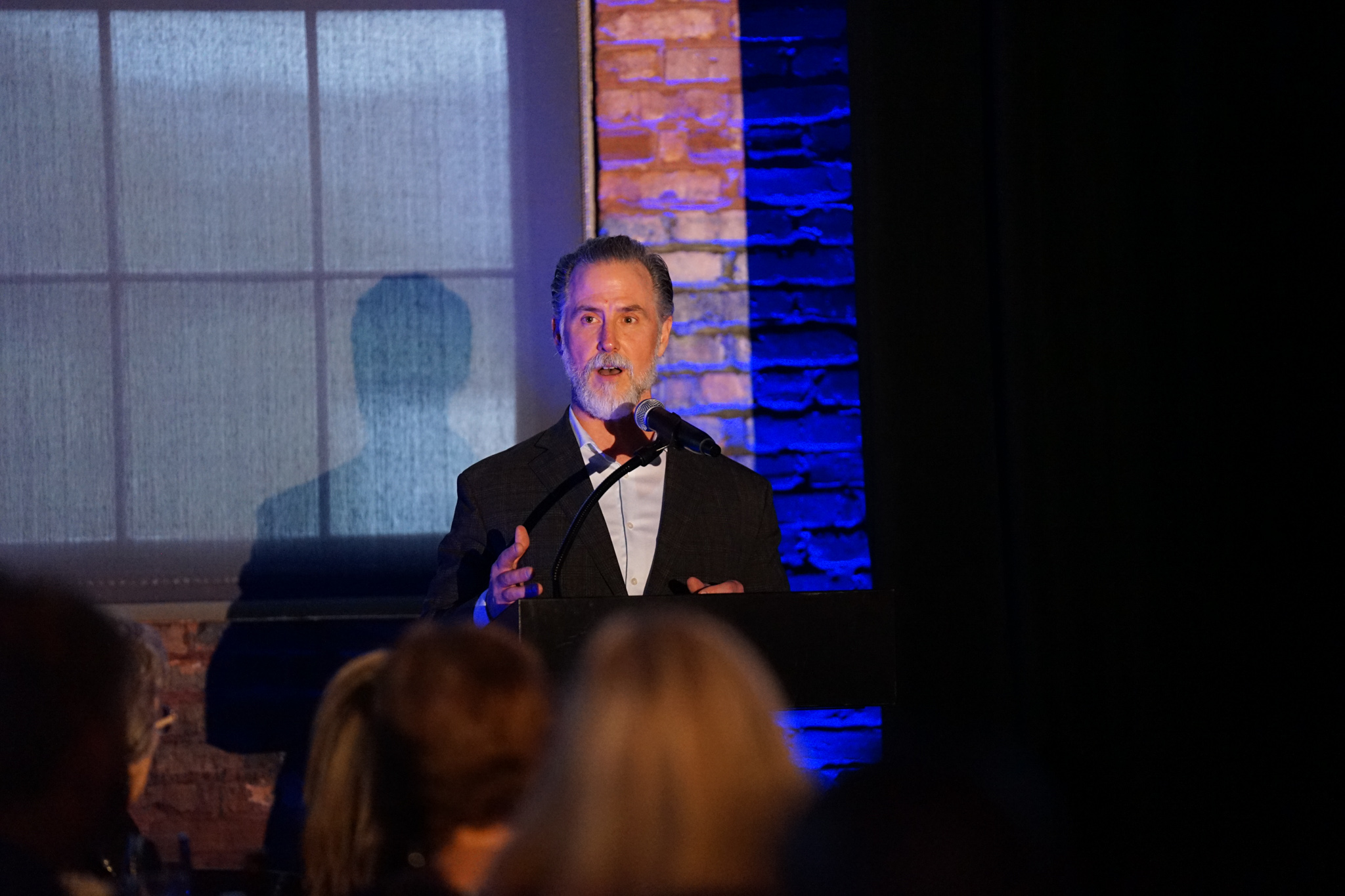
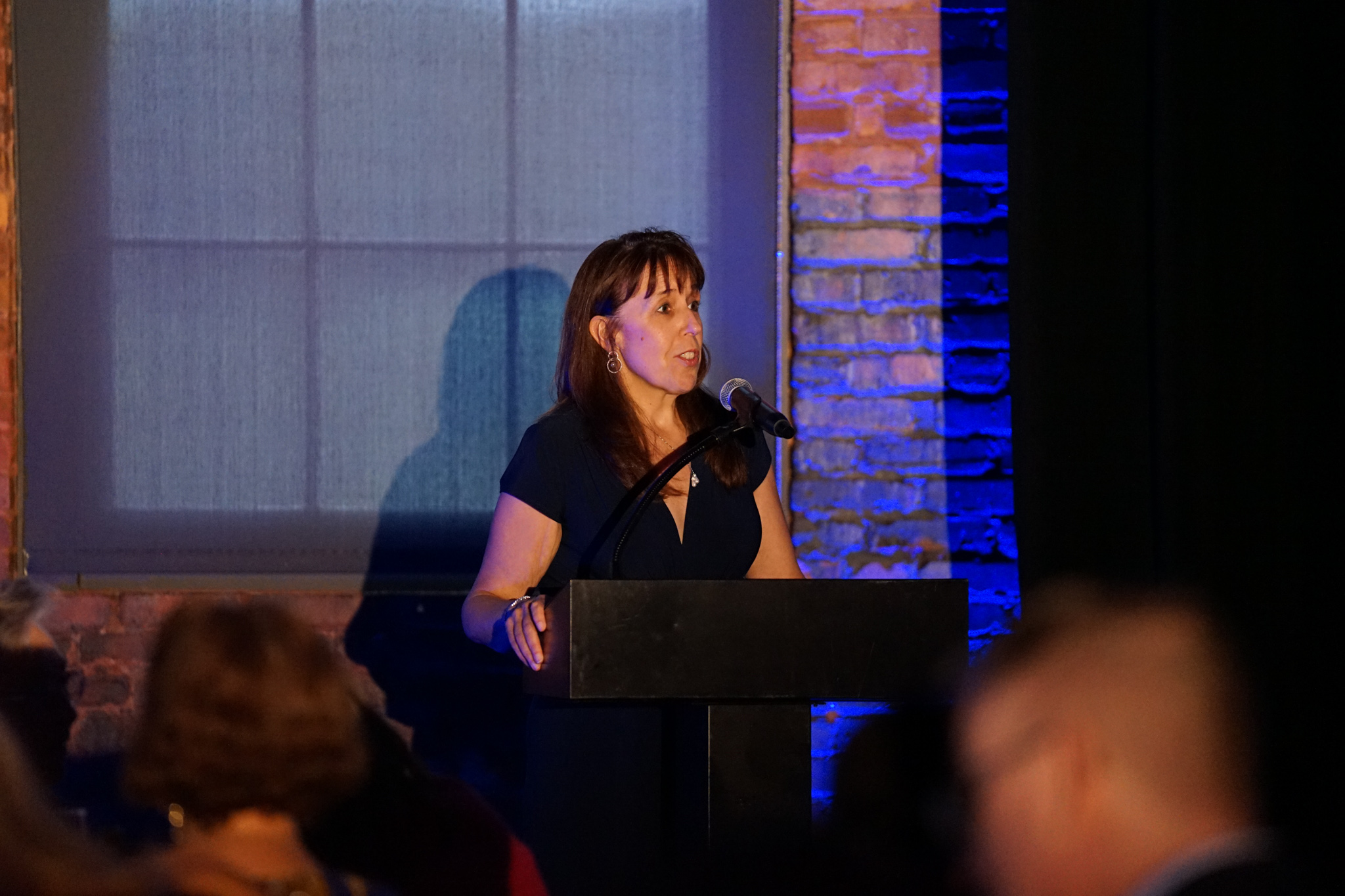
On April 1, 2022, employees and guests gathered at Tampa’s Armature Works for BST’s 50th-anniversary celebration. Overseas colleagues could join by livestream. The date was Baldor’s birthday. A 20-minute documentary about the company and its founder premiered that evening.
Chief operating officer Delmar Warnock promised remembering, laughter and stories. Chief product officer Debbie Preacher spoke of her affection for the work, the family and Carlos. The gathering gave a business milestone the character of a shared recollection. Its founder was absent; his place in the room was easy to understand.
There are smaller reminders too. BST’s redesigned logo contains the initials C and B as a tribute to Carlos. In 2026, the company returned to his words while celebrating Kievit’s 45 years. A mark on a page can preserve a name. An employee still being thanked, decades after joining, gives the memory some working hours.
From a Havana school to an engineering education, from $100 in Tampa to a company his sons would lead, Baldor’s story contains plenty of movement. Its quieter achievement was continuity: customers, colleagues, a marriage, a business. At the anniversary table, that continuity had a very ordinary, very persuasive form. Someone who had joined in 1981 was still there for cake.