In November 2023, a climate startup in Miami had something more persuasive than a prediction about the future. It had orders. Kind Designs, which uses robotic 3D printing to make seawalls that double as marine habitat, reported $4 million in purchase orders. Anthropocene Ventures had joined its seed round alongside Mark Cuban. The interesting part was what the company was selling: a familiar piece of infrastructure, redesigned so that protecting a shoreline could also make room for life.
- Anthropocene backs early climate companies built on science and engineering.
- Its work includes helping scientific founders build commercial businesses.
- The portfolio puts the thesis to work in seawalls, materials and cooling.
That is a useful way into this venture firm. Start with the purchase order. Work backward to the invention. Then ask how much has to happen between the two. In that distance sits a surprisingly complicated business: choosing a customer, proving performance, making a product repeatedly and persuading someone to change how they buy.
A seawall with a second job
Kind Designs supplies a particularly legible example. Coastal customers need protection from flooding and storm surges. Its Living Seawalls add shapes inspired by natural ecosystems to that structural job. The company's 2023 announcement said its process cut production time by 95% and carried no green premium. Those were company claims, but they explain the proposition: the customer could buy protection without paying extra for the environmental improvement.
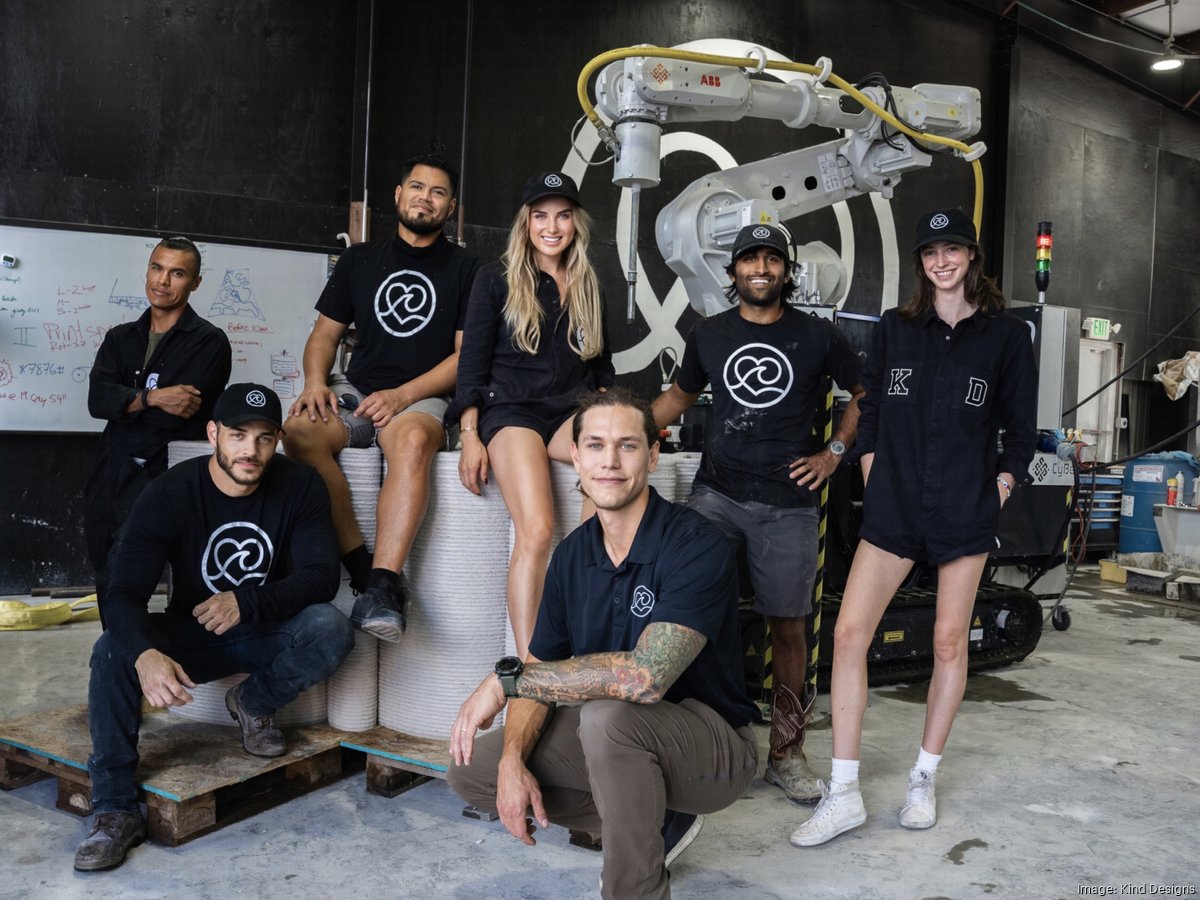
For an investor, purchase orders and an operating warehouse help turn an attractive scientific idea into a proposition that can be examined. Who buys? What gets delivered? Can production expand? Kind Designs said new capital would support more capacity. The practical questions arrive immediately, with concrete attached.
The company after the discovery
Anthropocene invests mainly at pre-seed and seed, with Series A also appearing in its published criteria. Its emphasis is hard science and novel engineering. A useful way to understand the service is as capital paired with help building the company around the invention. A materials scientist may understand a surface in extraordinary detail while still needing help making a first commercial operation function.
Matt McGraw brings experience from Rocket Science, the company he ran helping startups scale. Jim Boettcher brings a venture-investing background from Focus Ventures. Alicia Cha Umphreys brings experience at Formation 8, 8VC and Brookfield's built-environment venture effort. Together, their published biographies connect operating, investing and sector experience. The mix suits a portfolio whose commercial problems extend well beyond writing software.
Conceptual illustration of the thesis. Each company follows its own path.
In a March 2026 interview, McGraw described support that varies widely: daily conversations with some founders, much lighter involvement with others. He generally tries to step back after Series A, when different expertise may become more useful. That is a more practical promise than perpetual hand-holding. The founder's next problem determines how much help makes sense.
A fungus belongs in this portfolio
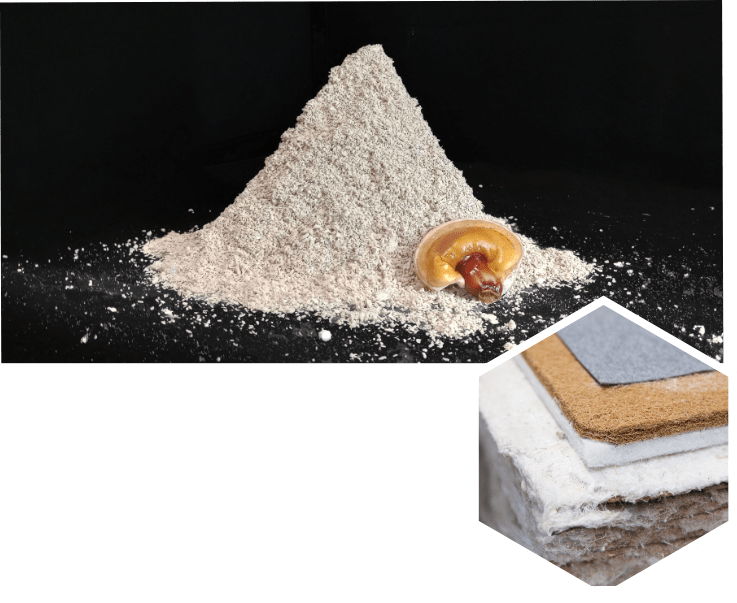
Consider Mycocycle, listed among Anthropocene's investments. The company uses fungi to transform construction waste into raw materials. Its products include MycoFILL, MycoFIBER and MycoFOAM. The underlying proposition joins two industrial needs: dealing with discarded material and supplying material for something new. Success would mean changing a purchasing and processing system, with biological science doing some of the work.
Another portfolio company, geCKo Materials, makes reusable dry adhesive inspired by a gecko's feet. Its website describes applications in robotics, manufacturing and handling industrial parts. These are specific tasks for specific buyers. That specificity helps explain why apparently unrelated inventions can belong together: both offer a different physical way to perform an existing economic job.
Space science, earthly bills
Helix Earth supplies another example. Anthropocene participated in its $5.6 million seed financing announced in November 2024. The company's cooling technology draws on hardware co-invented at NASA. Its commercial proposition is a retrofit: improve humidity management and energy efficiency without requiring building owners to replace their existing HVAC infrastructure.
By spring 2026, Helix had announced a further $12 million raise. In a customer interview with fundraising-software company Visible, co-founder Rawand Rasheed described what earlier fundraising efforts had got wrong: scattered outreach, weak coordination and too much time spent with investors who were never going to invest. The later process gave the raise clear ownership and tracking. Even a company born from space technology can lose time to an untidy spreadsheet.
Small enough to test the partnership
Anthropocene's own formation offers a related lesson. In a 2023 interview, McGraw described deliberately starting with a small fund to learn whether the partners could disagree well and operate together. The experiment included governance. For founders choosing investors, that detail is worth remembering: how people handle disagreement may matter as much as the introductions they promise.
Founders Fund interests sold, as reported in a February 20, 2024 SEC amendment. Portfolio financing totals are separate figures.
The fund model serves two groups: investors supplying capital and founders receiving investment and help. Other climate specialists can be alternatives or collaborators; Azolla Ventures, for example, led Aikido Technologies' 2024 seed round, which Anthropocene also joined. The market allows both relationships at once.
“Climate doesn’t have a balance sheet.”Matt McGraw · March 2026
The practical lesson is to make the buyer visible early. Name the job, show the economic benefit, then explain the science. That approach has limits: no amount of operating advice makes unreliable hardware dependable, or creates demand for an unwanted product. Anthropocene's appeal rests on finding inventions that can clear both tests. The seawall still has to hold. Someone still has to buy it.