built-environment
(17)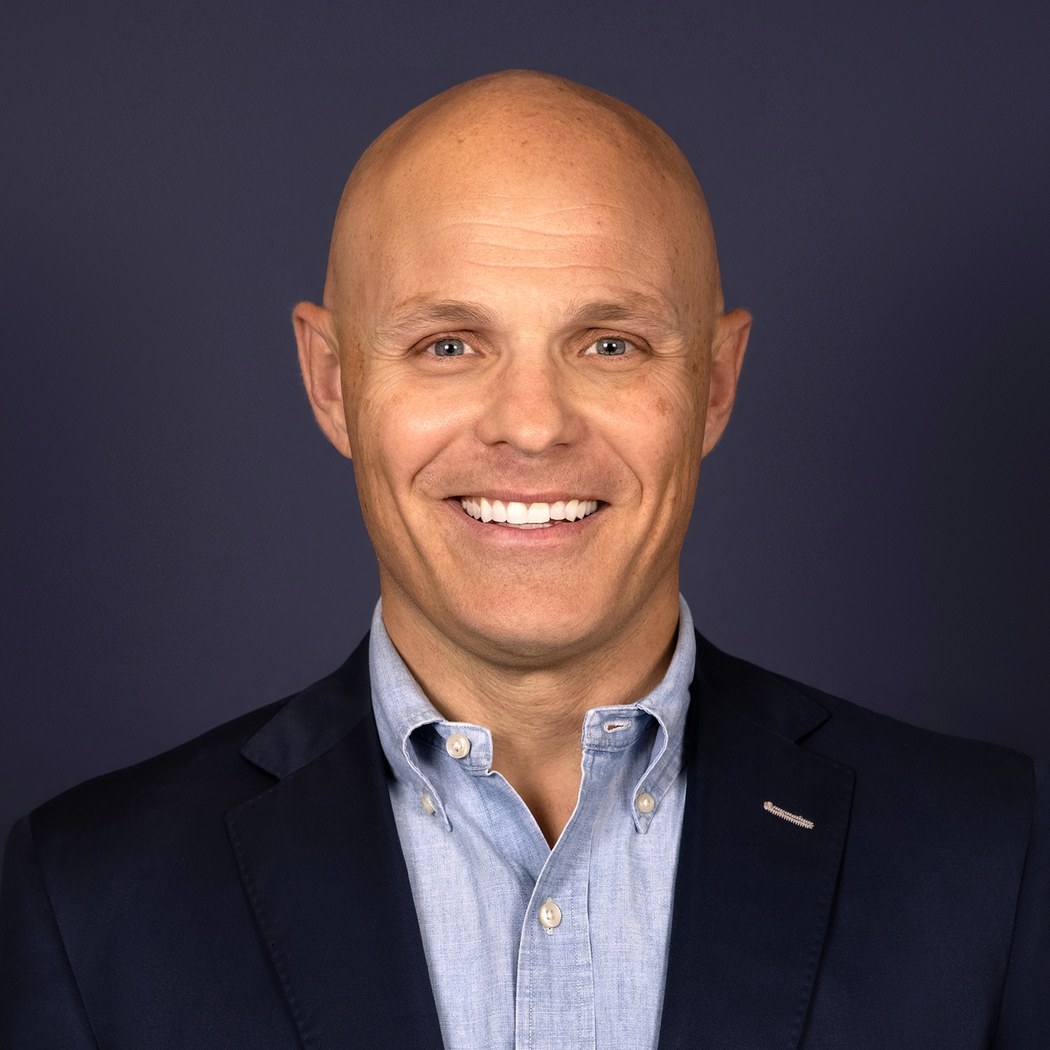
Bart Dickson Builds the Places Between Home and Work
A paperboy became a construction manager, went to law school at night, ran an electrical contractor and founded Cobalt. His latest bet is that a former warehouse can help give suburban Tualatin a little more soul.

The Air-Permit Shop That Learned to Buy the Whole Weather System
Trinity Consultants spent three decades mastering the invisible work of air compliance. Then it discovered that the fastest route to a global engineering platform was to keep buying small firms that knew one difficult thing exceptionally well.

The Agency That Got Bigger by Choosing a Smaller World
UpSpring began in a dorm room, accepted almost anyone who would say yes, and then discovered the counterintuitive power of saying no. Seventeen years later, its narrow command of the built environment is the reason more than 80 clients call.

The Architecture Agency That Builds Everything Except Buildings
Most architecture PR ends when the article appears. This by That treats the article as a beginning - a way to turn unfamiliar architects into public voices, trusted collaborators, and, sometimes, the people who get the commission.

Taylor & Company knows a building has more than one story
A desert house. A hospital. A leadership handover. Julie D. Taylor’s PR firm finds the different stories inside each, then gives editors a reason to care.

Vantify wants to close the gap between finding a risk and fixing it
Five established brands, seven connected services, and a £5 million-plus technology commitment. Vantify is betting that building safety improves when the paperwork can finally follow the work.

Once For All Is Turning Construction's Paper Chase Into a European Data Network
Construction runs on specialist subcontractors - and a heroic quantity of paperwork. Once For All is betting that the same verified record can unlock a tender, flag a weak supplier and satisfy a regulator, without being rebuilt for every job.

Causeway Is Building the Operating System Construction Forgot to Ask For
Construction runs on specialist software, stubborn spreadsheets and handoffs where useful data goes to die. Causeway's bet is that the industry's next productivity gain will come from connecting what already works.

The Customer Is Already Talking: Meg Swanson’s Job Is to Make Software Listen
After two decades translating technical products into human choices, Eptura’s Chief Market Officer now runs product, marketing, and user experience together. Her thesis is disarmingly practical: listen closely, connect the data, and remove the friction people have learned to tolerate.

Accruent Built a $2 Billion Business Out of Everything That Breaks Inside a Building
Most software organizes people or money. Accruent organizes the stubborn physical world - leases, chillers, classrooms, cell towers and the work orders nobody can afford to lose.
The Fund Betting That the World's Oldest Industry Is Finally Ready to Change
While most venture money chased apps and ad clicks, a small Atlanta firm went looking for founders willing to fix concrete, steel and 3D-printed homes. Here is how Shadow Ventures built a thesis around the industry software forgot.
Fifth Wall Built a Venture Fund With a Customer List Attached
The Los Angeles firm turned real estate's slow technology adoption into a distribution strategy: owners supply capital and operating problems, while startups bring the software, hardware and climate tools.

The VC That Bet the Cost Curve of a Building Can Bend
Two lifelong construction-tech investors raised $148 million, then handed their startups something rarer than money - a rolodex of the general contractors, builders, and design firms who become their first customers.
Aren
Aren is a New York-based AI company that helps owners of bridges, tunnels, and other large civil infrastructure figure out what is quietly falling apart before it becomes a headline. Its platform ingests source-agnostic data - smartphone photos, drone video, laser scans, infrared, and sensors - and turns it into 3D digital twins that detect and quantify damage, track deterioration over time, and produce maintenance and capital-allocation plans. Founded by structural engineer Ali Khaloo out of Cornell Tech, Aren pairs computer vision and deep learning with decades of structural mechanics to give asset owners a quantitative, repeatable way to decide where to spend limited repair dollars.
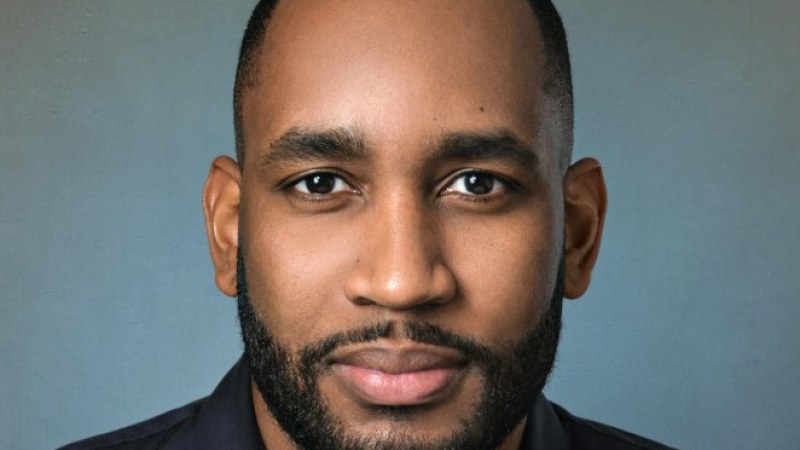
Hantz Févry
Hantz Févry is the founder and CEO of Geolava, a San Francisco spatial-intelligence startup that turns satellite, LiDAR, aerial, street-level and government data into searchable answers about buildings and infrastructure. A Haitian immigrant who built an earthquake early-warning system at age 20, he went on to lead AI research for Google Assistant's hotword (a team that became part of DeepMind), then founded the gig-economy mapping company Stoovo - which mapped 130 million U.S. buildings and was acquired in 2024. In July 2025 he raised a $4.3M seed round for Geolava, betting that spatial intelligence will reshape real estate and infrastructure.
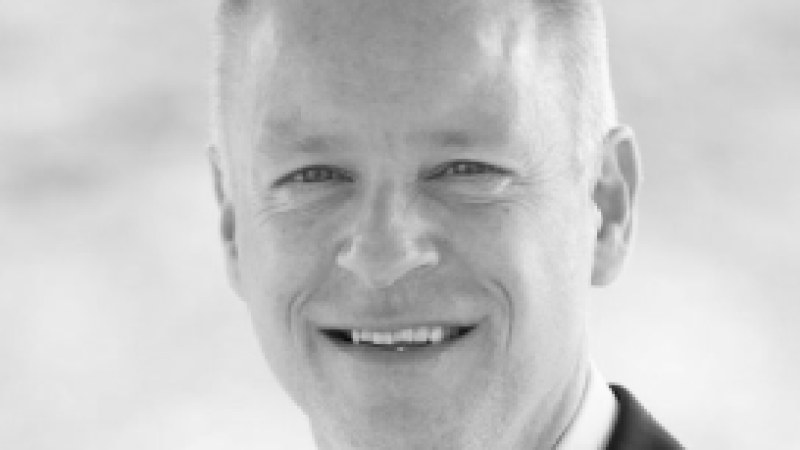
Jeffrey Sprau
Jeffrey Sprau is the CEO of Legence, the building-performance platform that went public on Nasdaq (LGN) in September 2025. An industrial engineer by training, he runs a 6,300-person operation that designs, builds, and tunes the mechanical guts of the buildings most people never think about - data centers, hospitals, semiconductor fabs - with the explicit goal of cutting their carbon and energy use.
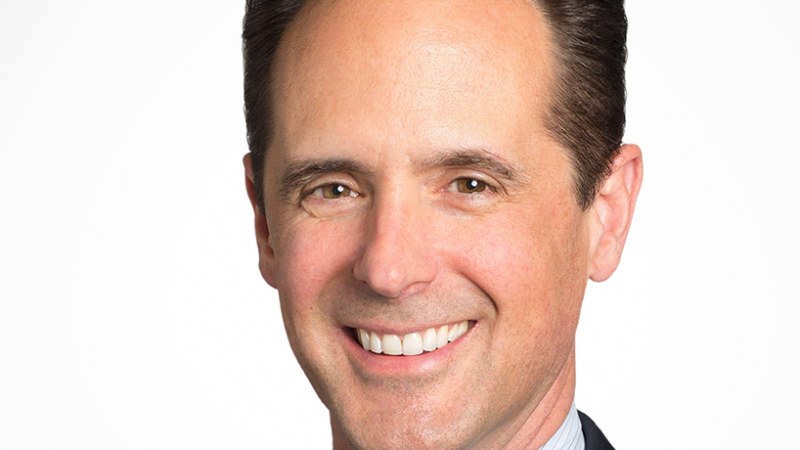
David Marks
David Marks is the founder, President, and CEO of TEECOM, a California-based technology design and engineering firm he built from a one-man operation into a 200+ person global consultancy over nearly three decades. Starting at the Moscone Convention Center expansion in San Francisco, he has since shaped the technology infrastructure of hospitals, Fortune 500 offices, universities, and civic institutions across the U.S., EMEA, and APAC. A licensed Professional Engineer with credentials in communications distribution, design technology, and LEED, Marks is known for his belief that buildings should work as hard as the people inside them - and that the best technology is the kind you never notice.