If your support operation ends with a customer copying an order number from one window into another, Zowie has a proposition for you. Let the customer ask normally. Let an AI agent find the order, check the return window, issue the refund, send the label, and record what happened. The useful bit is not that the reply sounds human. The useful bit is that the job gets finished.
That makes Zowie relevant to a particular buyer: a retailer, bank, insurer, marketplace, telco, logistics company, or healthcare operator with enough contact volume to feel every repeated question in the budget. It is also for teams whose policies cannot bend merely because a language model had a creative afternoon. Small shops looking for a weekend FAQ widget have lighter options. Zowie's center of gravity is the enterprise, where customer experience, operations, engineering, security, and compliance all get a vote.
The big idea: split the brain
Zowie's most persuasive idea is a separation of duties. Its Reasoning Engine handles conversation and retrieves information from the company's approved Knowledge. Its Decision Engine runs explicit business logic. The model can understand that “these shoes pinch” probably means a return. Eligibility, refund amount, identity checks, and routing still travel through rules and live data configured by the business.
That boundary sounds almost comically sensible. It is also where many AI demos get fuzzy. A charming answer is probabilistic by design; a bank balance cannot be. Zowie puts consequential processes into Flows, connects them to order systems, CRMs, payment tools, helpdesks, and custom APIs, then records the path in Traces. The sales pitch uses the phrase “deterministic execution.” In plain English: the same qualifying facts should trigger the same approved action.
“Mostly right” can pass for a casual reply. It cannot pass for a refund.Zowie's H1 2026 product review
What you can actually do
Meet customers anywhere
Run the same agent through web chat, email, voice, native and cross-platform mobile apps, WhatsApp Business, Messenger, Instagram DMs, and WeChat.
Execute the dull stuff
Look up orders, test eligibility, process standard refunds, dispatch labels, update accounts, schedule deliveries, or route exceptions to a person.
Keep the context
Move a live conversation into Zowie Inbox or an existing helpdesk, carrying messages, actions, decisions, and a recap so the customer does not restart.
Inspect production
Use Supervisor to track success, transfers, CSAT, intents, processes, knowledge sources, and channel gaps, then open the conversations behind a number.
Orchestrate other agents
Agent Connect registers in-house and third-party specialists through REST, A2A, or SDKs. Orchestrator can pass context out and bring control back.
Put receipts in the chat
Custom Visual Aids place a company's own product cards, order summaries, payment receipts, or claim status inside the conversation using live data.
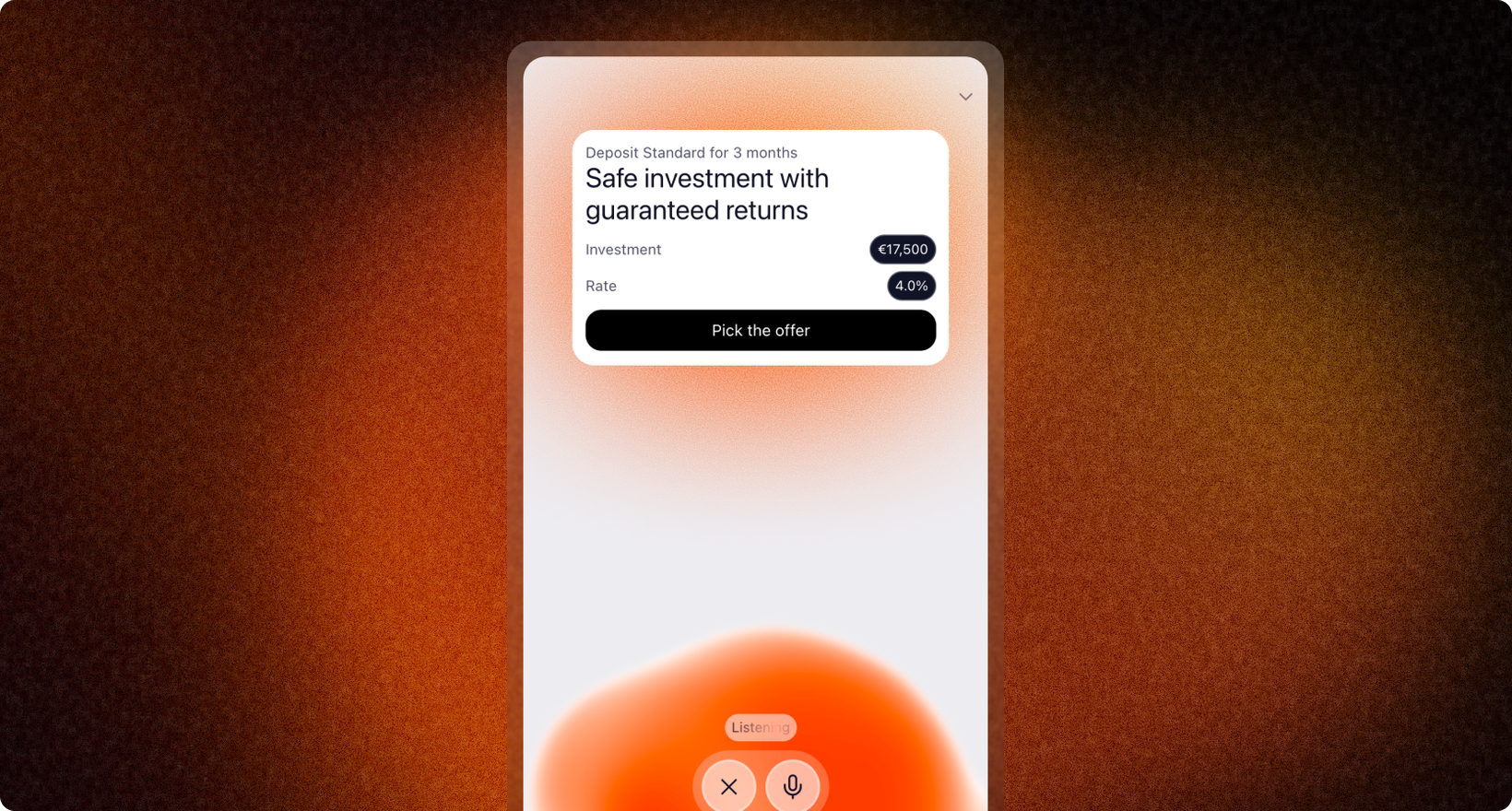
The human side has received attention too. Inbox includes thread summaries, translation, writing assistance, customer history, order data, keyboard controls, and the option to hand a case back to AI. Agent Studio gives teams a place to define knowledge, personas, playbooks, and flows. Collaboration Mode now warns when colleagues collide on an edit, while an Audit Log records administrative changes. These are not glamorous demo moments. They are the furniture required when software graduates from pilot to shift work.
The numbers, with eyebrows raised
Zowie says its platform routed or resolved more than 100 million conversations in the year before June 2026. Its customer pages supply some punchier examples. Total Wine reports that shoppers who engage its agent convert at four times the rate of a traditional session and spend 20 percent more per order. Monos reports a 75 percent drop in cost per ticket. MuchBetter says automation moved from 25 to 70 percent in about a week and reports 92 percent CSAT.
Customer-reported case-study outcomes. Different businesses, baselines, scopes, and deployments. They are examples, not a forecast for your queue.
Booksy reports that AI handles 70 percent of inquiries and that support savings exceed $50,000 a month. These figures are useful signals, but they come from stories published by the vendor. Ask for the denominator, measurement window, containment definition, excluded traffic, and change in CSAT. Then ask for a reference customer whose systems and ticket mix resemble yours. A polished automation percentage can hide a great chat channel and a wheezing email channel.
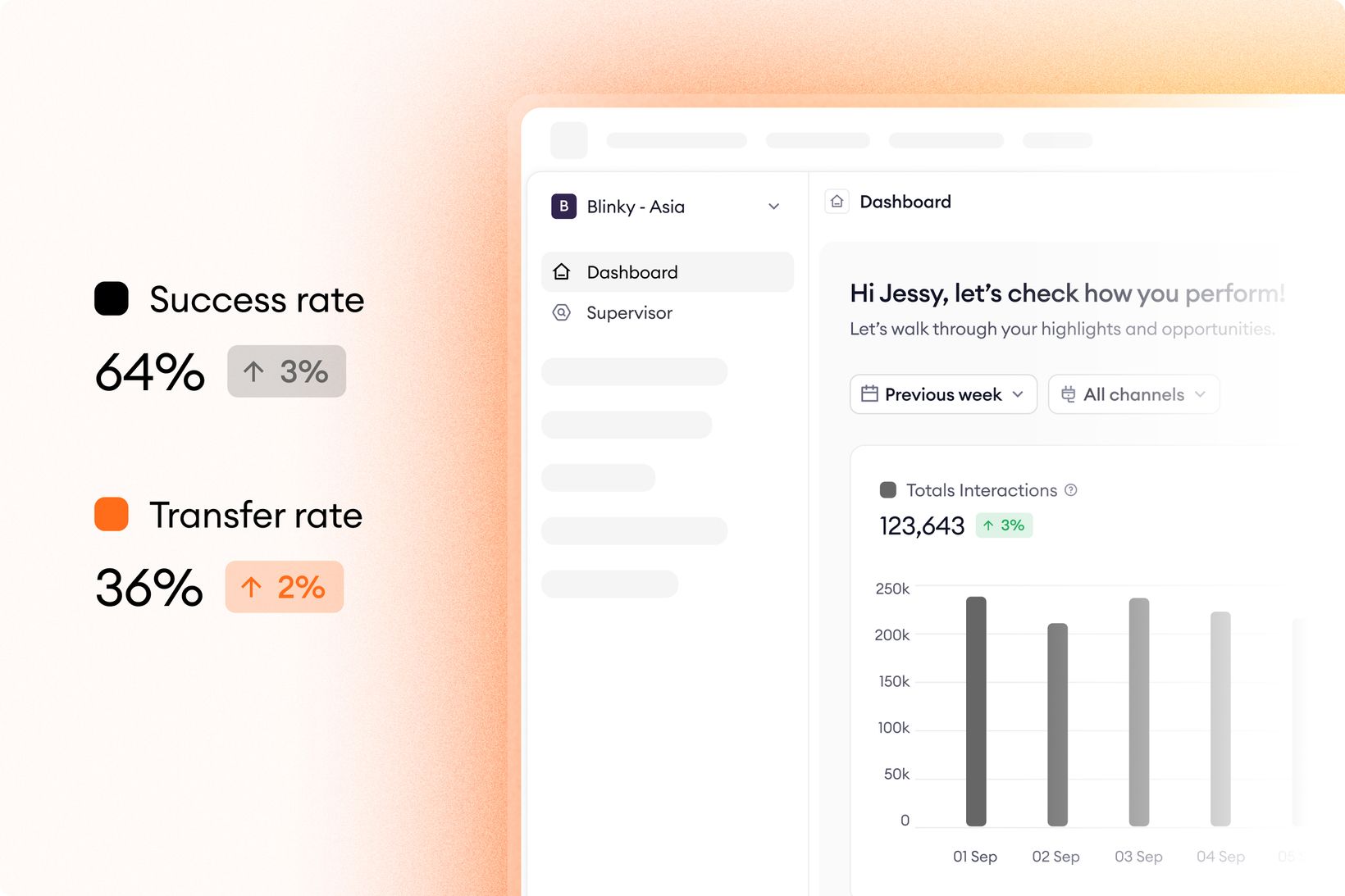
Three deployments, three different yardsticks
What the reviews whisper
G2 displayed a 4.7 out of 5 score from 73 reviews in its 2026 listing. Reviewers repeatedly mention ease of use, automation, quick changes, and responsive support. One tidy line captures the interface appeal: “Everything was a button click away.” The criticism is more interesting for buyers. Review summaries mention missing integrations, limited customization in places, complexity, and bugs. A current reviewer specifically wanted stronger BI integration and advanced reporting across multiple brands and markets.
Read the sample carefully. Several visible G2 reviews were incentivized or invited by the seller, and TrustRadius had no ratings at the time checked. That does not erase positive experiences, but it does make a proof-of-concept more valuable than a star average. Bring ugly transcripts. Include misspellings, policy exceptions, angry customers, mixed-language messages, and the request that begins as a return and becomes a fraud concern.
The buyer's-table test
| Buyer question | Zowie approach | What to verify |
|---|---|---|
| Can it finish a process? | Flows, Decision Engine, and connected systems execute approved actions. | Run a real refund or account-change path in a sandbox, including failure states. |
| Can people intervene? | Live handoff carries context into Inbox or supported helpdesks. | Time the takeover. Check routing, permissions, recap quality, and recovery. |
| Can we inspect it? | Supervisor, Traces, CSAT, channel analysis, and administrative audit logs. | Ask how long records persist, who can export them, and what a trace omits. |
| Will it fit our stack? | Native integrations plus APIs, web and mobile SDKs, A2A, and Agent Connect. | Map every write action, owner, rate limit, authentication method, and custom build. |
| What will it cost? | Custom enterprise quote; no public list price or free plan. | Model volume, channels, implementation, support, overages, and renewal scenarios. |
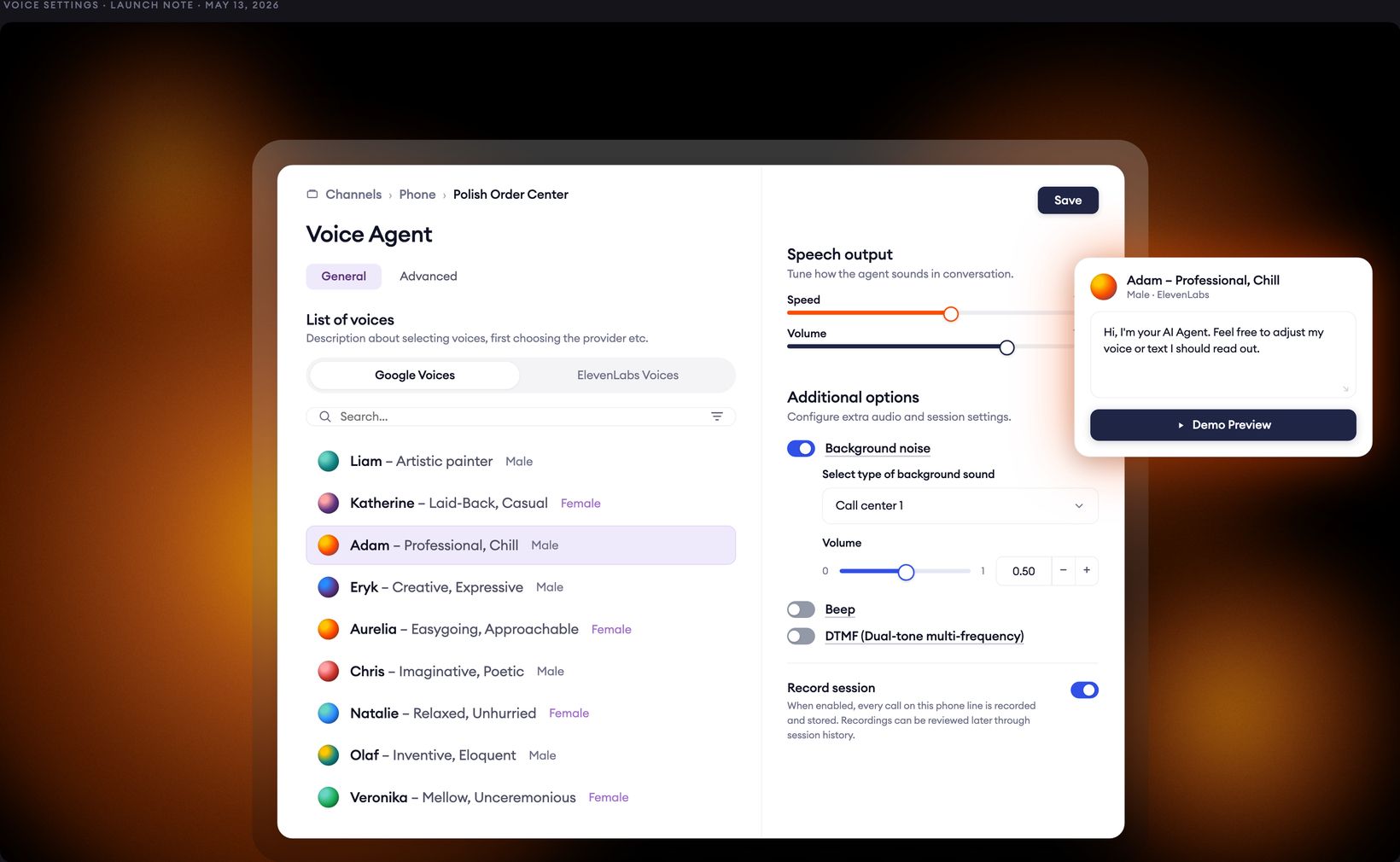
Pricing: the missing sticker
There is no public price card. Capterra lists “Get Price” and says a free trial is unavailable. Zowie sells through a demo and custom quote, which is normal for enterprise software that arrives with integrations and process mapping, but it prevents a quick value comparison. The Monos story says its arrangement charged per automation rather than per seat. Treat that as one customer's description, not a universal tariff.
Ask for a three-year cost model. Separate platform fees, channel costs, implementation, custom integrations, usage or automation charges, premium support, and the language-model bill if it is passed through. Define an automated resolution in the contract. A cheap answer that creates a later ticket is not a resolution, and an avoided seat is only a saving if the remaining team can handle the exceptions.
Run these five tests before the demo glow fades
- Test the boundary. Ask exactly which decisions remain generative and which are guaranteed by a Flow. Inspect the trace for both.
- Break the plumbing. Timeout the order system, return stale data, revoke a token, and see what the customer and operator receive.
- Measure the handoff. A person should inherit the story, actions, and customer record without asking for the order number again.
- Slice the dashboard. Compare resolution and CSAT by channel, intent, market, and language. Blended averages are excellent hiding places.
- Price success and failure. Model ordinary volume, peak season, fallback traffic, overages, and the cost of maintaining knowledge and flows.
So, who should shortlist Zowie?
Zowie deserves attention from organizations that have crossed the line from “answer our FAQs” to “complete our processes.” The platform is especially legible for operations with repeatable, high-volume work; several customer channels; a thicket of backend systems; and people responsible for audit, quality, or regulated outcomes. Retail and ecommerce remain visible in its customer history, while the current positioning deliberately reaches banking, insurance, telecom, debt collection, logistics, and healthcare.
Its strongest distinction is not a magical model. Zowie does not publish a numbered flagship model at all. The distinction is the operating architecture around models: approved Knowledge, deterministic decisions, action connectors, human recovery, monitoring, testing, and traces. Competitors such as Sierra, Decagon, Ada, Intercom Fin, Zendesk AI, Cognigy, PolyAI, and Gorgias approach overlapping problems from different starting points. A fair bake-off should use the same processes and score completed work, policy compliance, customer satisfaction, operator effort, latency, and total cost.
The verdict
Zowie has a serious answer to the least photogenic question in customer AI: who controls what happens after the model understands the sentence? Its answer is rules, integrations, traces, and a person within reach. The public evidence suggests credible scale and meaningful customer outcomes. The absence of public pricing and the uneven pool of independent reviews mean the final case must be made inside your own systems, with your worst tickets on the table.