Somewhere in a store, a shelf is empty and the inventory system insists the product is there. The box may be in a back room. It may be on the wrong shelf. The price label may belong to yesterday. To a shopper, these distinctions are academic: the thing they came for is missing. Zippedi has built a company around that small embarrassment. Its autonomous robot travels the aisle, photographs what is actually on display, and turns the discrepancy into a job for a person.
- Zippy scans shelves; computer vision spots gaps, price mistakes and display issues.
- Bruno, a mobile app, helps store workers act on the findings.
- In a 2024 CAINZ pilot, stockouts fell 12%, price-display errors 50%, and stockout investigation time 74%.
- The service fits large chains that can use repeated scans and disciplined follow-through.
The robot is named Zippy. The task app is named Bruno. The names sound like a children’s book, though their subject is the stern arithmetic of retail: a product cannot sell if nobody can find it. Retailers have long counted goods as they arrive and leave; Zippedi looks at the brief, commercially important interval in between, when goods are supposed to be visible, correctly priced and ready to buy.
The inventory system cannot see the shelf
Zippedi’s robot collects high-resolution images as it navigates a store. Cloud-based models identify products and shelf conditions. Managers can inspect the results in a portal; an API can feed existing systems; Bruno can send a prioritized task to an associate. This is sold as Robotics as a Service, meaning the retailer buys an operating capability rather than merely a machine. Zippedi does not publish a contract price, so the cost of a deployment cannot be responsibly stated as a flat fee.
Aisle
Zippy travels a mapped route and records what the shelf looks like.
Cloud
Vision models compare images with product and pricing information.
Floor
Bruno or an existing system sends the fix to an employee.
The crucial verb is the last one. A camera can produce a handsome archive of empty shelves; it cannot restock them. Zippedi’s distinction is its insistence that a finding must become an assignment. That also puts it in a different position from a warehouse inventory counter or a fixed security camera. It is measuring the sales floor as a living place, then helping the store respond. The alternatives are familiar: manual walks, spot checks, fixed cameras, or another shelf-scanning robot. All can gather observations. The test is whether the observation reaches someone with the authority and time to change the display.
Japan made the robot learn the room
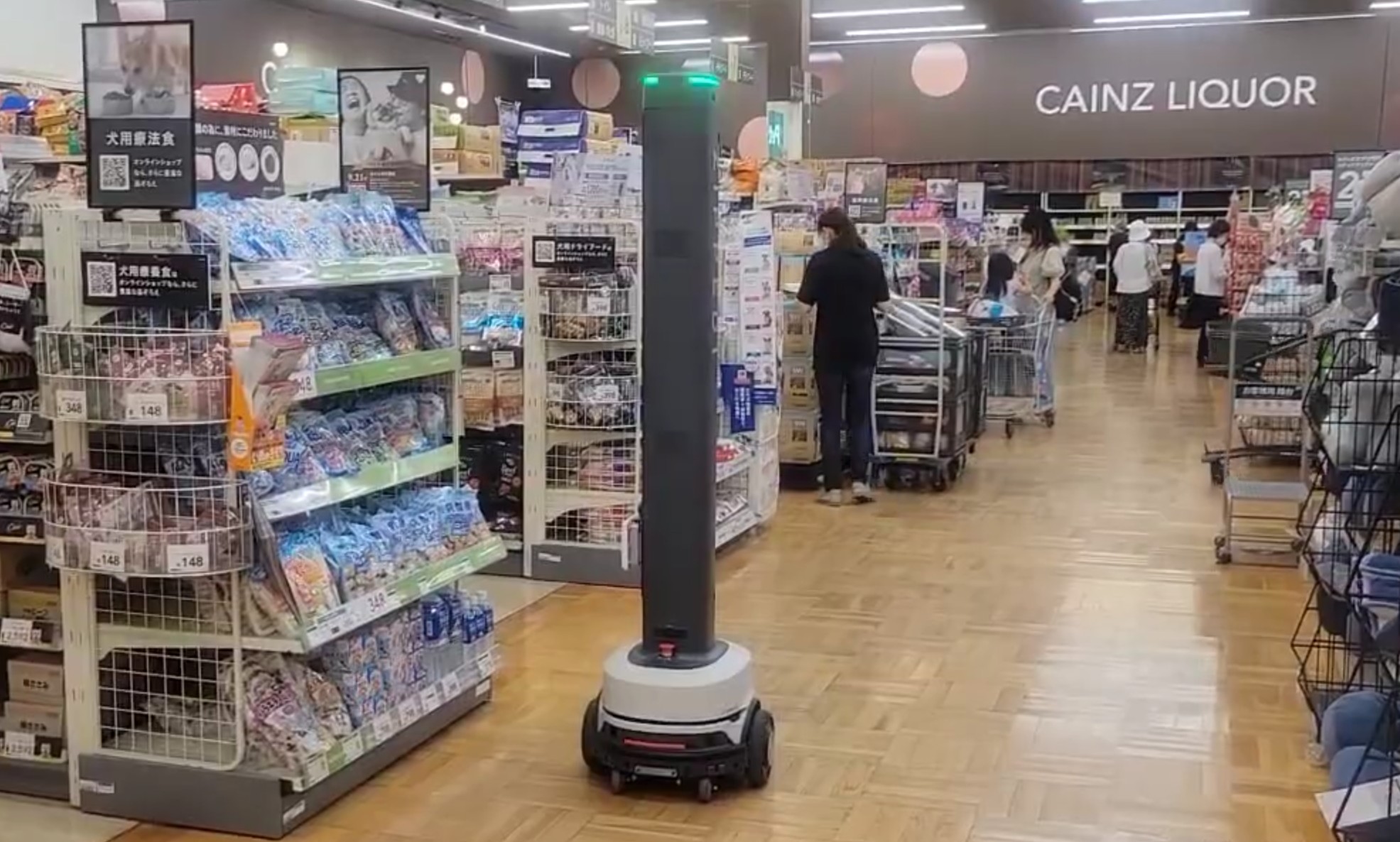
The most instructive public test took place at CAINZ, a Japanese home improvement chain, from April to September 2024. Zippy worked in a store that remained open to customers. Google helped plan its running schedule, evaluate and refine the inventory-detection model, and analyze the results. The team had to adapt to narrow aisles, varied merchandise displays, local price tags and busy periods. When the layout changed, the robot’s sensors adjusted its route. Store employees received two alert reports each day, timed for their work rather than sent as an endless stream.
Reported comparison with conditions before the pilot. These are pilot results, not a guarantee for other stores.
Those figures are useful precisely because they do not claim magic. The robot did not make stockouts vanish. It made them less common and, perhaps more importantly for a store manager, faster to locate. A new employee could use the reports to learn where trouble was hiding. A chain can copy that operational choice: pick a small number of measurable shelf problems, fit scans to the rhythm of the store, deliver alerts to named people, and check whether the fixes were made.
The same case explains when this approach strains. A store whose assortments, signs or layout change constantly needs model and route updates. A retailer without staff capacity to act on alerts simply acquires a more precise account of its own neglect. And a low-volume shop with short aisles may find a person with a clipboard cheaper than a robot service. The investment case depends on scale, repeatability and the value of each recovered sale.
The expensive part nobody sees
Zippedi’s own infrastructure story is revealing. It once maintained local servers. To handle bursts of images when robots were active without paying for idle capacity, the company moved processing and storage to Google Cloud. In Google’s published case study, Zippedi said delivery of processed data dropped from two hours to 15 minutes; system recovery time fell from six hours to 20 minutes; and operating and administrative costs fell 60%. Those are the company’s infrastructure results, not a promised reduction in a retailer’s bill. Still, they show why a better camera alone would not have been enough. A shelf observation expires quickly when shoppers, carts and replenishment keep moving.
“Before, maintaining our local servers required a lot of effort.”Ariel Schilkrut, Zippedi co-founder, in a Google Cloud case study; translated from Spanish
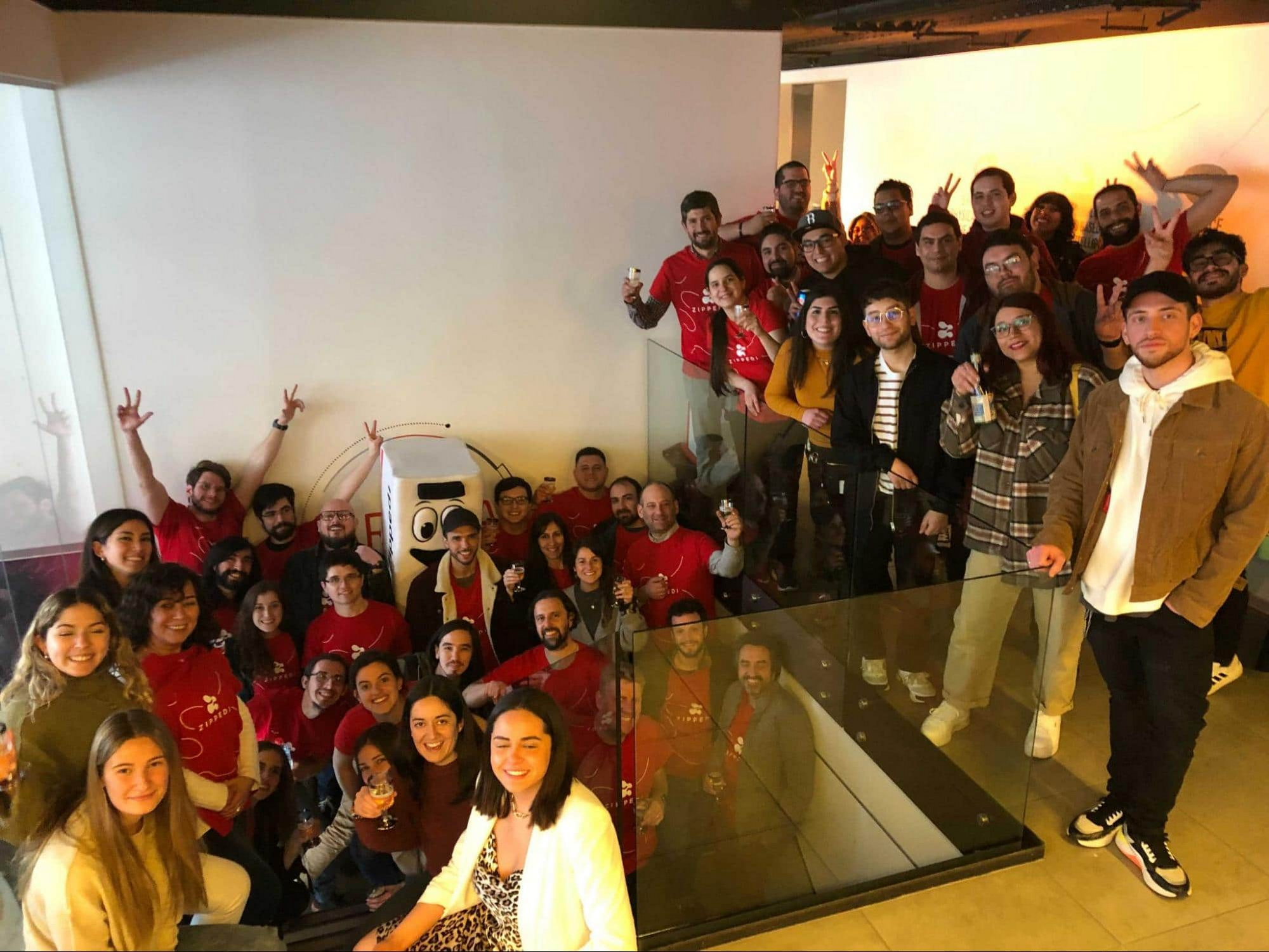
The founders brought a distinctive mix to the problem. Luis Vera, Ariel Schilkrut and robotics researcher Álvaro Soto started Zippedi in Chile in 2017. Vera described the founding idea as making physical stores useful to the same data systems that serve digital retailers. The proposition attracted $6.9 million in seed funding in 2021 and a $12.5 million Series A led by Transpose Platform in 2022. Public accounts give different total-funding figures; the announced round amounts are firmer ground than a single grand total.
From a store in Chile to a route in Zwolle
Sodimac, the home improvement retailer, became a customer and development partner in 2019. The relationship spread across its Chilean stores and later into Colombia. Staff in Chile nicknamed the robot Tito; a Colombian deployment called it TEVO. A machine that survives those name changes is still doing the same job: checking whether a store’s promises are visible on its shelves. Consumer goods companies have uses for the data too. A L’Oréal account published by Zippedi described merchandisers using Bruno’s task list and sharing the same reports as supermarket managers.
In February 2026, a Zippedi robot was working at a Hornbach store in Zwolle, the Netherlands, after a six-month trial. It looked for empty or nearly empty shelves and passed findings to staff. Hornbach said the robot did not replace employees. That point matters: the technology measures work and routes it; people still replenish products, correct labels and help customers. Zippedi later said its machines were active in stores in the Netherlands, Germany and Denmark, extending a business that had already appeared in Latin America, the United States, Australia and Japan.
There is an appealing paradox here. The robot attracts every eye in the aisle, yet the benefit is meant to be almost invisible. A customer finds the item. A price matches the register. An associate has an answer before being asked. Zippedi’s wager is that the best evidence of a clever machine is a store that feels slightly less frustrating. The empty shelf, at last, has a witness - and someone gets the message.