A venture capital firm walks into a branding agency. It has money, a thesis and a website that could belong to half the firms on its competitors’ list. The agency gives it a circle and a square. This sounds like an expensive joke until the shapes begin explaining the business.
For NGP Capital, Wunderdogs made the circle stand for humanity and the square for technology. Their interlacing expressed the fund’s interest in those worlds coming together. The idea traveled into patterns, image frames, animation and a redesigned website. In 2023, the identity earned a Red Dot award. The interesting part is how much explanatory work two ordinary shapes could do.
That is a useful introduction to Wunderdogs, a San Francisco-based agency founded by former venture capitalists Daria González and Olga Svitelska. It sells strategy, identity, websites and marketing to organizations whose businesses often need a patient explanation. Its specialty is turning that explanation into something people can recognize, navigate and use.

The pitch came before the palette
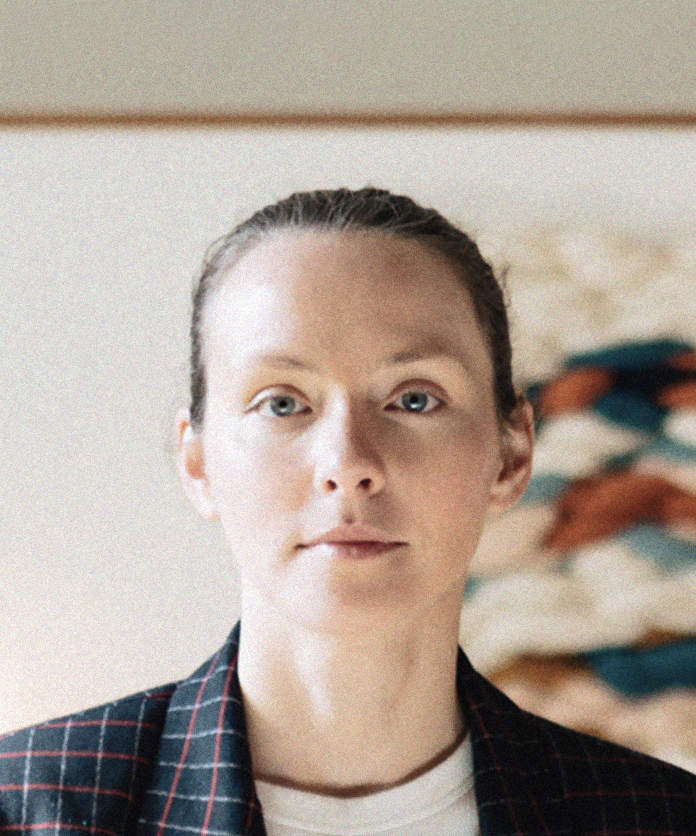
González, the CEO, and Svitelska, the COO, started Wunderdogs in 2017. Their investment backgrounds give the business a specific point of entry: founders must persuade people to understand something unfamiliar, while investors must persuade founders that their capital comes with something distinctive. The agency works on both sides of that conversation.
The original operation was small. In its fifth-birthday retrospective, Wunderdogs described beginning in San Francisco’s Dogpatch neighborhood and growing from two people to more than 20 across three continents. Its first offer concentrated on brand design. Clients needed a broader set of services to build, launch and maintain what the agency created, so the offer expanded.
That change matters more than the usual agency promise to do everything. A visual identity creates practical obligations: somebody must write the website, build it, prepare sales materials and keep the system coherent when the next campaign arrives. Wunderdogs developed a business around those connected jobs. The recurring customer problem helped redraw the agency itself.
The founders also left room for a little silliness. González’s team biography says her first job was a singing telegram. Svitelska’s admits a secret affection for cats. For an agency that talks so often about dogs, this is a charming personnel disclosure.

Co-founder and CEO
Co-founder and COO
A fund with something to say
NGP Capital hired Wunderdogs in the third quarter of 2022. According to the agency’s account, the existing identity had stopped reflecting the firm’s ambitions and expertise. Wunderdogs worked across strategy, visual identity and digital execution, simplifying website copy and giving the investment thesis a more visible presence.
“There’s a lot of nuance in our industry,” NGP Capital’s Sam Ahmed says in the case study. Her explanation for choosing the agency points directly to the founders’ in-house VC experience. Familiarity with the business shortened the distance between an investment proposition and a creative brief.
“There’s a lot of nuance in our industry.”
Sam Ahmed / NGP Capital
The relationship extended into a Chinese-language website, interactive industry reports, motion work and a page for NGP’s AI startup discovery tool, Q. A further website evolution followed in 2025. Those assignments reveal what an enduring agency relationship looks like: the original concept has to survive new markets, new formats and another year’s priorities.
Wunderdogs reports a 50 percent increase in website traffic and 40 percent year-over-year organic social growth for the engagement. The case study does not isolate branding from other activity, so these figures describe reported results rather than a controlled measure of design’s contribution. The award establishes something narrower and firmer: independent recognition of the identity work.
NGP Capital case study · Agency-reported outcomes; attribution is not isolated.
Fathom had features. Users felt relief.
Fathom brought a different problem. Its AI meeting product had enthusiastic users, but its brand risked disappearing among interchangeable note-taking tools. Wunderdogs describes a website and voice that leaned heavily on features while underselling what users valued emotionally: clarity, presence and confidence.
Discovery workshops changed the emphasis. The team’s account of users loving the product became the basis for presenting Fathom as a meeting partner. Wunderdogs developed messaging for individuals, teams and executives, refreshed the visual identity and built a Webflow website. The system also appeared at Fathom’s HubSpot Inbound conference booth.
“The partnership delivered everything we needed - Wunderdogs nailed the brief,” Fathom marketing executive Brittany Bingham says in the published case study. The agency says the relationship continues on retainer. For a prospective customer, the useful detail is the progression from positioning to website to physical setting: the same idea needed to work in several places.
The green stayed. The website moved on.
MakersHub, a payables platform, illustrates the value of restraint. Its technology had depth, but the agency says the existing identity risked looking too early-stage for cautious finance buyers. Discovery led to an evolution: keep the recognizable green, add a darker supporting palette and give the typography more weight.
The website had a more operational weakness. Updates required developer involvement, and visitors could struggle to understand whether the platform served their industry. Wunderdogs rebuilt it in Webflow, organized the story around the shared problem of managing payables and added pathways for different roles and sectors.
Existing custom forms and backend API integrations were preserved and improved. That detail deserves attention. A website can be visually persuasive and still be a bad replacement if it disrupts the machinery that captures prospective customers. Here, the work connected a more credible presentation with the systems already supporting conversion.
The copyable lesson is to inventory what works before commissioning what comes next. MakersHub’s green had recognition worth keeping. Its forms had jobs worth protecting. The agency’s account supports a selective refresh, with improvements directed at communication and maintainability rather than change for its own sake.
A bigger mission needed a different name
For the anti-harassment organization Hollaback!, the mismatch was between its origins and its expanding role. The organization wanted a more inclusive identity for the institution it had become. Wunderdogs helped develop Right To Be, carrying the idea of making room for people into the name, logotype and visual system.
The engagement reached well beyond naming. Website journeys addressed people seeking help, donors and partners. The digital work connected with Salesforce and the donor platform. Later assignments included the Hate and Hope Tracker, training templates, social guidelines and support for in-house designers. The practical objective was a system the organization could continue using.
These customers place Wunderdogs in a particular corner of the agency market. Its portfolio spans software, finance, science and social impact, with substantial work explaining complicated offerings. Buyers could assemble independent strategists, designers and developers, hire separate specialist agencies or build internally. Wunderdogs sells coordination across those disciplines, informed by the commercial context.
The price includes decisions
The agency’s current contact FAQ puts the usual starting point for brand or website projects around $30,000-$50,000, with scope increasing according to complexity. It offers phased work, ongoing retainers and Agency of Record engagements. That range is an entry point for brand or website work, not a promise that both fit inside one combined bill.
Its process moves through discovery, strategy and execution. The FAQ asks clients to expect roughly an hour a week, plus asynchronous feedback. That estimate assumes people can make decisions when required. A founder who has not settled the primary audience or aligned colleagues on the purpose of the project brings unresolved management work into a creative engagement.
- 01 / DiscoverBusiness goals, audiences and the existing problem.
- 02 / DecidePositioning, message and a direction the team can approve.
- 03 / DeliverIdentity, digital execution and tools for continued use.
Wunderdogs also lists Applied AI projects starting at $7,000. These include configured workflows and brand adoption tools, with training and a playbook. The service has explicit dependencies: design workflows require an existing brand system, and generated content still needs writers to review and finish it. An internal brand tool is intended for internal communications, rather than unrestricted customer-facing publishing.
Those conditions help define a sensible purchase. A team seeking a quick standalone logo may need less than this agency’s integrated offer. A team without an agreed strategy will struggle to configure consistent AI output. And a company expecting a brand refresh to repair an inadequate product is asking communication to carry a burden the underlying business must address.
A brand has to survive Monday
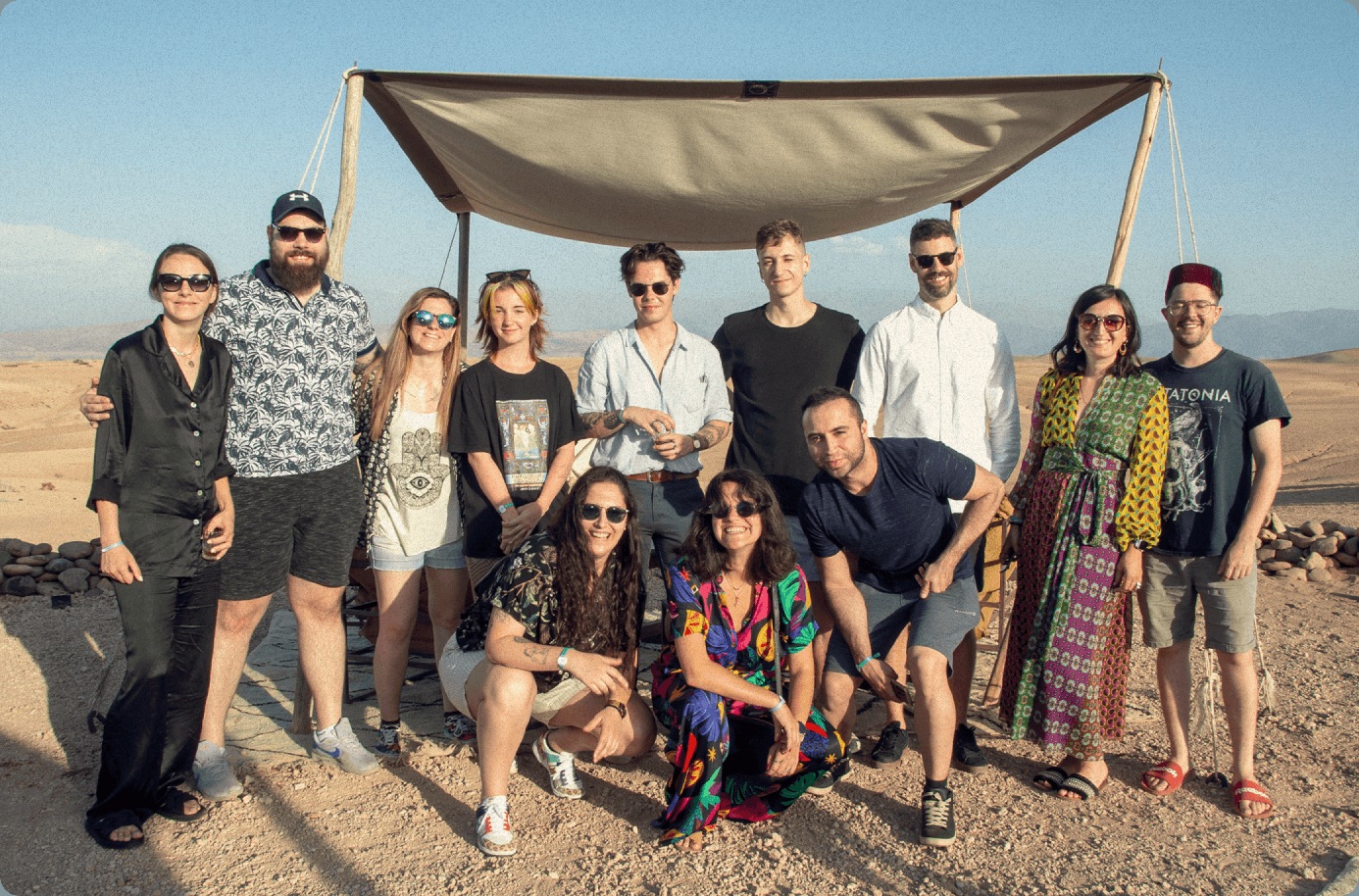
Wunderdogs describes a senior delivery team spanning strategy, writing, design, development and marketing. Its distributed model and continuing client engagements put a premium on collaboration. The most revealing deliverables are often the least glamorous: reusable training materials, an editable website, a translated page, a form that still sends information to the right place.
A prospective client can borrow the logic without borrowing the budget. Name the specific thing outsiders misunderstand. Ask customers how the product changes their day. Separate assets with useful recognition from habits nobody would miss. Decide who will maintain the work. Then judge the creative choices against those answers.
The circle and square at NGP Capital are memorable because they have somewhere to go after the presentation ends. Across Wunderdogs’ work, that is the recurring test: can an idea leave the pitch deck and keep doing useful work on Monday morning?
Follow the work
Wunderdogs website · Client projects · Agency journal · LinkedIn · Instagram · Behance · NGP Capital at Red Dot