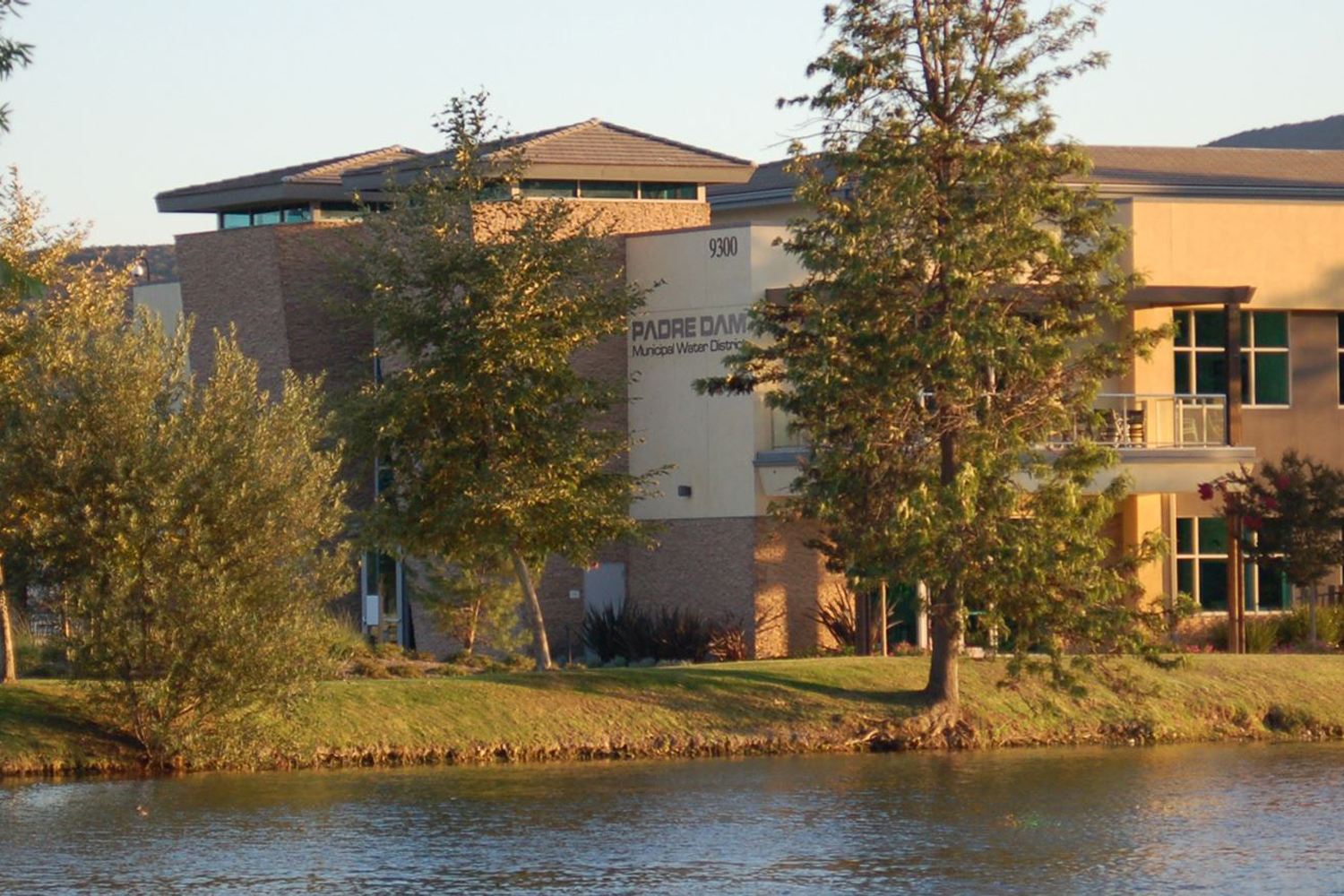
At Padre Dam Municipal Water District in Santee, California, a telephone upgrade came down to a surprisingly ordinary task: finding a reservation. An agent would answer, put the caller on hold, and search for information. The line worked. The interruption was built into the work. Vertical Communications helped connect the new system to the district’s reservation software, bringing account details within a click. The interesting object here is the missing pause.
- Business phones, collaboration, and contact centers, with installation and support.
- Cloud, hybrid, and on-premises options, chosen around existing work.
- Custom integrations that connect a conversation to the information behind it.
The space after “hello”
Padre Dam serves more than 100,000 people. Its older phones and contact center needed replacing, but its requirements extended beyond getting new handsets. The district wanted its contact center and office communications together, with connections to its customer relationship management and reservation systems. Consultants helped prepare the request for proposals. Vertical proposed 8×8 and built the custom integration.
In Vertical’s published account, the system worked on installation day, and all phones were deployed within a couple of days. Employees also took to the desktop application. The important outcome was that a conversation and its supporting information could finally occupy the same moment. For anyone responsible for a service desk, that is a more useful test than counting icons in a software demo.
The acquisition that changed the job
Vertical’s history helps explain this attention to the unglamorous edges of technology. SEC filings trace the business to Artisoft’s purchase of Vertical Networks assets in September 2004. Comdial’s business followed in 2005, then Vodavi in 2006. The portfolio accumulated phone systems, applications, and relationships with distributors and resellers. The task included giving customers a migration path from older equipment to IP communications.
Then came a different kind of purchase. In 2014, Vertical acquired Fulton Communications. As Vertical later explained, Fulton brought nationwide direct sales and support capabilities. A company that made communications products gained more of the people who installed and maintained them. That helps explain its present positioning: stay involved through design, deployment, and support, instead of ending the relationship when the equipment ships.
The desk phone leaves the desk
Crest Insurance Group faced another version of the same problem. It was acquiring offices across the Southwest, including smaller businesses, while working with limited internal IT resources. Each added office made the old communications setup harder to manage. Remote work added pressure. Crest’s chief technology officer, Jeff Scott, approached Vertical, an existing partner, about moving to 8×8.
The resulting desktop and mobile apps reduced dependence on desk phones. Vertical’s case study reports about $18,000 saved on phone expenses. Employees could use a business number across devices, and voicemail, rerouting, and electronic fax became easier to manage. That figure describes one customer’s experience; it gives buyers a reason to examine their device bill, rather than a saving to assume in a budget.
“They find the answer and get back to me.”Jeff Scott, CTO, Crest Insurance Group
Scott’s comment about support is almost comically modest. Yet it identifies what customers are buying alongside the application: someone who will carry a question to its answer. An organization can purchase capable software and still spend its afternoons finding the right person to help.

A catalogue with several destinations
Today, Vertical’s partner list includes 8×8, Mitel, Five9, RingCentral, iPECS Cloud, NiCE, and Zoom. Its place in the market spans technology supply and systems integration. Some platforms in its portfolio are also options a customer could buy directly. Vertical’s case rests on the additional work: selecting the configuration, connecting applications, managing installation, training users, and providing continuing help.
The business combines equipment, cloud services, and professional support. Its 8×8 terms describe service plans and purchased or rented equipment. A buyer therefore needs to consider several costs together: licenses, devices, implementation, integrations, and support. Vertical’s own financing belongs in a different column. In July 2016, it announced a $21.5 million package from PNC Bank and Trinity Capital for its balance sheet and growth initiatives.
The catalogue also contains wonderfully specific details. Vertical Summit offers hotel functions such as wake-up calls, room status, and check-in and check-out. Teams integration brings calling, SMS, fax, recording, and contact-center capabilities into Microsoft environments. These are clues to its expertise: ordinary operations have peculiar requirements, and a general communications platform needs fitting to them.
Vertical also sells customer-experience consulting: examining contact-center data, following the customer’s journey, and improving processes and quality management. The distinction matters when the problem sits between departments. A caller can reach the right number and still meet an agent who lacks the right information. Mapping that journey makes the purchase more concrete. It lets a team specify which lookup, handoff, or repeated question the new system should remove, and gives users something recognizable to test.
Start with the awkward part
There is a useful caution on Vertical’s own blog. Guest contributor Jeremy Markey describes an anonymized contact-center migration in which departments wanted contradictory things. User testing exposed a missing workflow: supervisors could no longer ring agents who were marked unavailable. This is his account of other, unnamed vendors. The lesson is practical: test the small behaviors people depend on before committing to a platform.
That principle extends to architecture. Vertical still offers on-premises systems for organizations concerned about internet reliability, data control, existing integrations, or recurring cloud expenses. A full cloud move may fit poorly where those constraints dominate. Its AI offering similarly includes incremental additions to existing systems, such as transcription and agent assistance. The sensible starting point is an identifiable task an employee needs help completing.
In 2026, Vertical announced Mitel specialization recognition in healthcare and the public sector. Those markets sit alongside education, retail, and professional services in its customer focus. The claim to examine is operational expertise. Follow a real call, watch the lookup, test the transfer, and ask who answers when something fails. The value of a communications system becomes easier to see when you stop looking at the phone.