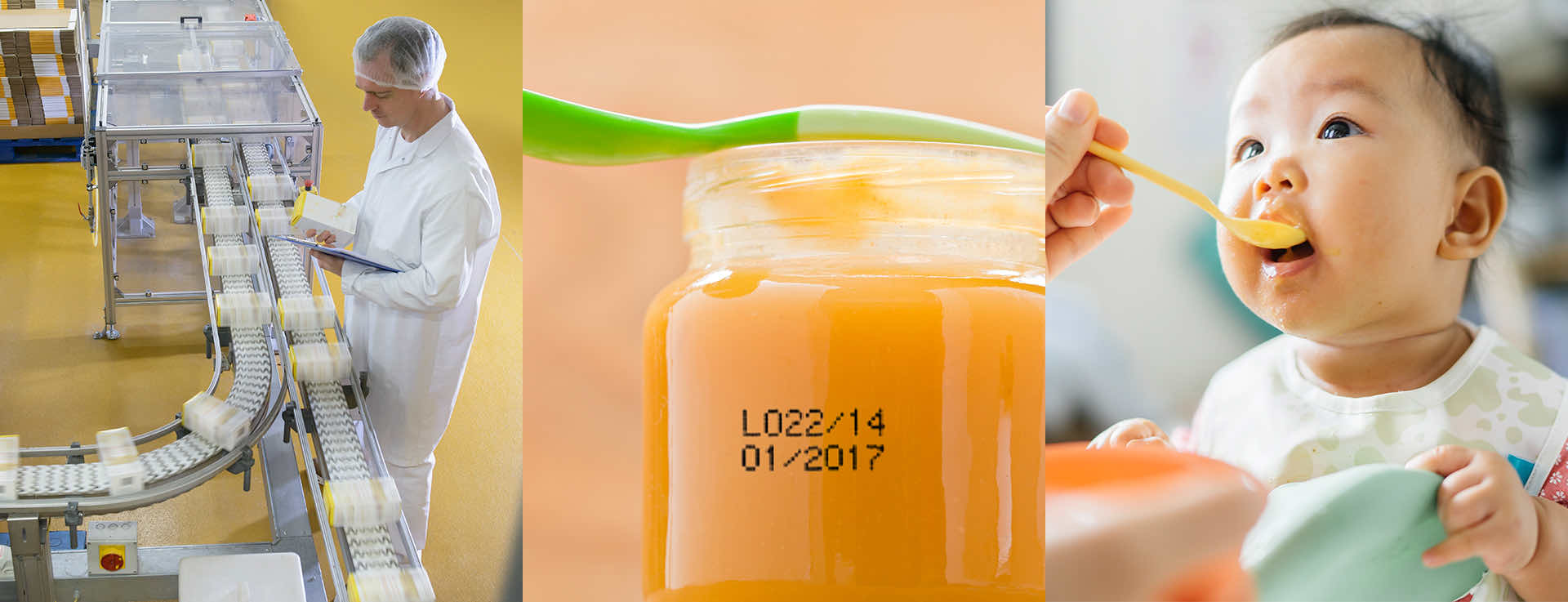
Consider the date printed on a jar of baby food. It occupies almost no space. You might glance at it for a second, then forget it. Yet somebody had to make that code legible, put it on the right container, and keep the production line moving. A tiny piece of information carries a substantial obligation. The same is true of a water test: the result is small; the consequences of trusting a bad one are not.
- Veralto owns specialists in water testing, treatment, packaging and product codes.
- Equipment creates continuing demand for consumables, service and software.
- Its useful business lesson: study the routine that follows the sale.
Veralto lives in this territory. Its companies help utilities understand water, factories treat it, and manufacturers identify what they produce. Elsewhere in the portfolio, software helps organize packaging and ingredient information. Pantone helps people agree on color. These businesses appear unrelated until you notice what their customers are buying: a dependable answer to a question that keeps coming back.
A newborn with a long memory
The corporate name is young. The machinery underneath it is seasoned. Veralto separated from Danaher in September 2023 and launched publicly that October. It inherited operating businesses, established products and customer relationships. Calling it a startup would miss the point. Its first task was to run an existing collection of specialists as an independent company.
Jennifer Honeycutt, its president and chief executive, had joined Danaher in 1999. Before the separation, she oversaw the Environmental & Applied Solutions segment that became Veralto. That continuity matters. A utility buying analytical equipment is purchasing into a working routine, with training, maintenance and replacement supplies attached. A change above the brand should not require the operator to relearn the plant.

The Water Quality businesses cover different parts of that routine. Hach supplies testing instruments and reagents. ChemTreat brings treatment chemistry and field expertise to industrial customers. Trojan Technologies supplies ultraviolet disinfection and filtration systems. Aquatic Informatics organizes water data. Customers include municipalities, industrial plants and environmental professionals. They need measurements they can act on, and treatment suited to the water actually in front of them.
The second sale is the point
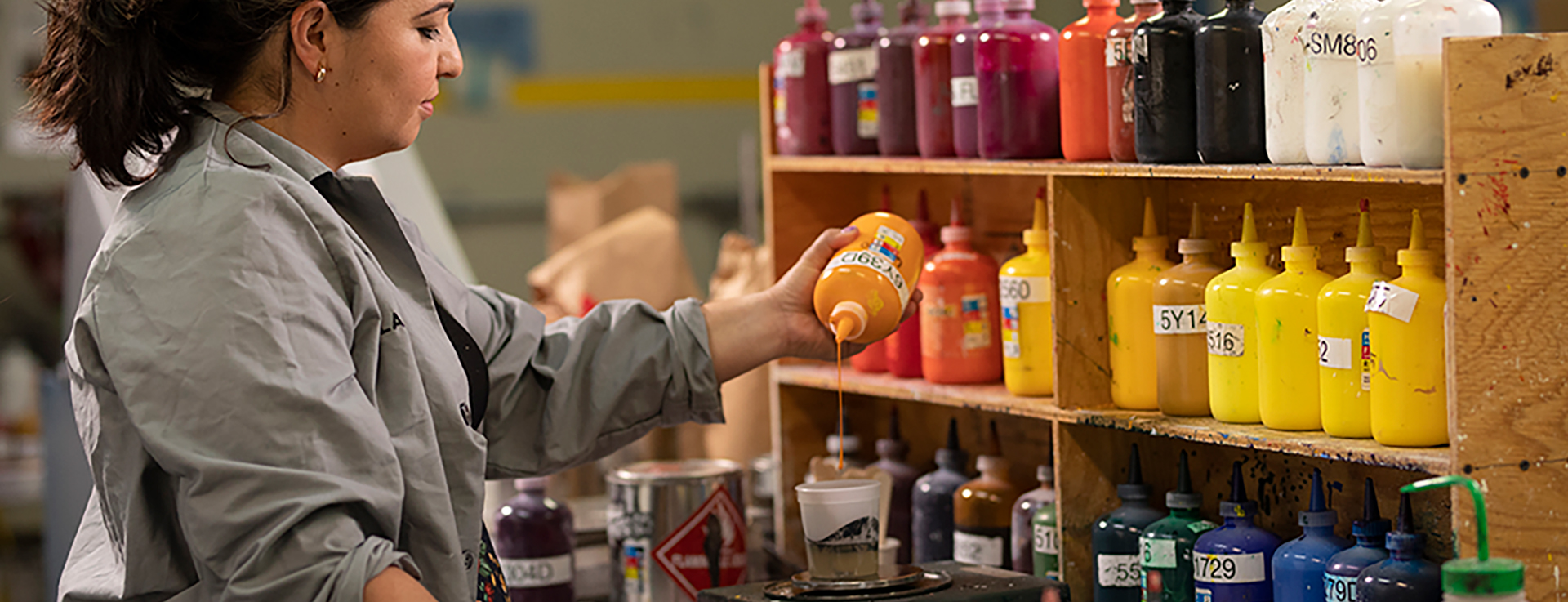
Now cross to a factory floor. Videojet and Linx make coding and marking systems. Esko works on packaging design and production workflows. X-Rite and Pantone address color measurement and consistency. The buyers are food producers, pharmaceutical manufacturers, packaging converters, printers and brand owners. Their common irritation is variation: a missing code, an incorrect file, a color that changes between design and production.
Selling an instrument or printer starts a relationship. Reagents get used up. Printers need ink. Equipment requires service. Software supports ongoing work. Approximately 61% of Veralto’s 2025 sales were recurring. That number includes repeated industrial purchases; it should not be mistaken for a software subscription metric. Still, it explains why the company deserves attention beyond the initial equipment order.
Consumables, service and software keep the relationship working.
That relationship also defines the competition. Xylem’s YSI offers water-quality measurement equipment. Domino supplies industrial coding and marking systems. Veralto meets different rivals in different workflows. Its case rests on application knowledge, dependable equipment and support across those workflows. Portfolio breadth alone cannot prove that a particular printer or probe is the right choice.
Buying the earlier question
Acquisitions show where Veralto wants to extend the relationship. In October 2024, it announced the purchase of TraceGains for $350 million. TraceGains works with ingredient, supplier and food-compliance information. That moves the portfolio earlier in the production process: before a manufacturer prints a label, it must know what belongs on it.
In January 2026, Veralto completed its acquisition of In-Situ, adding environmental water sensors and monitoring capabilities. The deal was announced at $435 million; the subsequent first-quarter filing reported approximately $426 million in cash consideration, net of cash acquired. Those are different measures of the transaction. In April, it added packaging-verification business GlobalVision for approximately CAD270 million, net of cash acquired.
The interesting unit of analysis is the customer’s repeated task.
The pattern is an editorial reading of those purchases: acquire expertise beside an existing workflow. Partnerships can connect the steps too. Esko and HP announced a packaging-production integration in 2024, linking software and digital printing. For the customer, the attraction is less re-entry and fewer awkward handoffs between artwork and production.
When the routine meets reality
A repeat purchase is never automatic. Hach’s Claros instrument-management tools address maintenance, diagnostic alerts and comparisons between laboratory and process readings. A connected sensor still needs attention. If the measurement is unreliable, a polished dashboard cannot repair the underlying decision. Buyers should ask about calibration, training, support and lifetime operating expense alongside the equipment quote.
Veralto has faced practical interruptions itself. Its account of the Veralto Enterprise System describes re-engineering products to reduce dependence on scarce electronic components and finding alternative chemical supplies. The response was specific: change the engineering and sourcing when the existing arrangement became difficult to sustain. Continuous improvement earns its meaning in decisions like those.
A business worth studying in the small
The lesson readers can copy is to map what happens after installation. Which task repeats? What gets consumed? Where does a worker lose confidence or time? The model becomes less attractive when customers can switch supplies easily, cannot afford maintenance, or need a simpler solution. Acquisition spending adds another requirement: the added expertise must justify its price.
Veralto’s second-quarter 2026 sales reached $1.474 billion, up 7.6% from a year earlier; growth excluding acquisitions and currency effects was 4.2%. Size does not remove the obligation at the center of the business. Tomorrow, another operator must trust a reading. Another manufacturer must print a code. The date on the jar still has to be right.