Consider the motor at the bottom of a well. It works somewhere its owner cannot see, doing something its owner would rather never think about. A kitchen tap opens. Water arrives. For a company selling that motor, invisibility is an unusual kind of success: the product earns its keep by keeping the customer’s attention elsewhere.
- Motors became pumps, controls, and complete systems.
- Owning distributors brings Franklin closer to installers.
- A $350 million acquisition extends its industrial reach.
Franklin Electric has spent decades expanding around that proposition. It manufactures motors, pumps, electronic drives, and monitoring equipment. It also owns distributors that supply the contractors who put water systems together. Its reach now extends well beyond the motor.
The beginning was less watery. In 1944, engineers Edward J. Schaefer and T. Wayne Kehoe founded the company in Bluffton, Indiana. Its first product was a backpack generator for military radio equipment. The founders borrowed Benjamin Franklin’s name; neither founder was named Franklin.
Then the war ended. Military orders contracted. The early problem was demand, rather than a documented failure of the machinery. The founders turned toward small motors for domestic water supply and flooded basements, just as returning servicemen helped fuel a housing boom. Their engineering survived because its application changed.
Sell the whole job
A motor turns. A pump moves liquid. A drive adjusts motor operation. Put those pieces together intelligently and a homeowner gets steadier pressure, a farmer irrigates, or a contractor removes unwanted water. Franklin’s expertise sits in the connections among these tasks, from motor design to controls and application support.
The range is surprisingly domestic. Little Giant, one of its brands, makes sump, sewage, condensate, and utility pumps, among other products. These are the uncelebrated mechanisms behind a dry basement or an air-conditioning system’s drainage. Franklin also serves commercial buildings, industry, agriculture, municipalities, and fueling infrastructure. Its customers include equipment manufacturers and specialist distributors; the eventual user may never shop for the Franklin name.
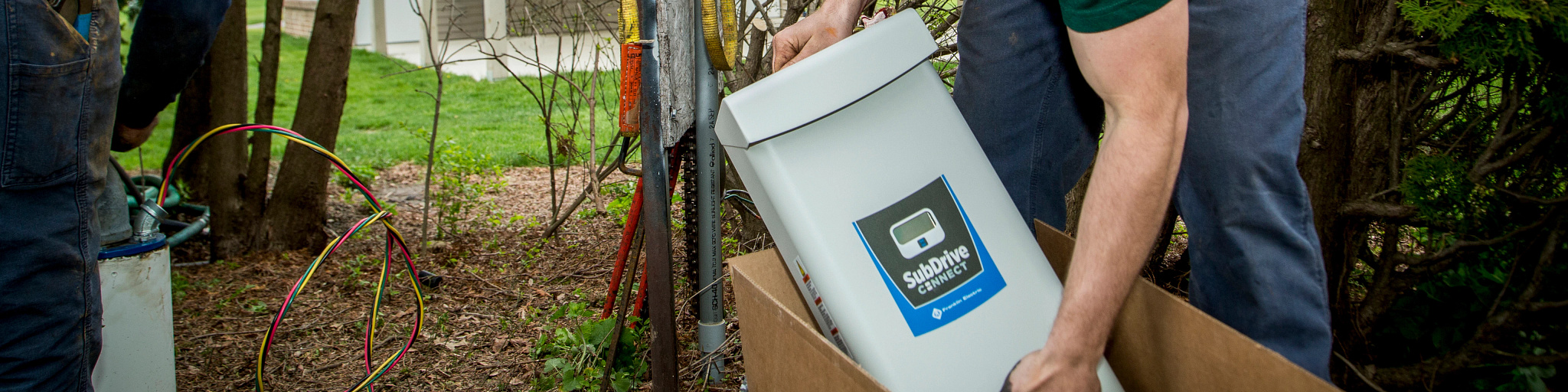
SubDrive Connect makes the systems idea tangible. The variable frequency drive provides constant-pressure control for residential and light commercial pumping applications up to five horsepower. Its 2024 update added Bluetooth pairing through FE Connect, broader two-wire motor applications, and an input-filter improvement aimed at reducing interference with household electronics.
There is a boundary to the promise. Motor compatibility and installation requirements still matter; Franklin’s training explicitly covers both. A control upgrade needs a suitable pumping system. Buyers should have an installer match the equipment to the application, rather than assume a connected box will fix every water problem.
The warehouse is part of the product
In April 2017, Franklin announced acquisitions of water-well distributors, including the business that became Headwater Wholesale. This extended its reach into the channel supplying groundwater professionals. The company could participate in manufacturing the equipment and in getting the contractor equipped for a job.
Headwater’s on-site inventory program pushes that logic further. It offers contractors a stocked mini-warehouse, accessible around the clock, with payment when products are used. A part already on the shelf can spare a trip. HydroLink adds online ordering, invoices, and account management.
The shelves also contain other manufacturers’ products. Headwater lists vendor partners including Pentair, Rain Bird, and Southwire. That detail matters. A contractor needs a workable selection for the job, and Franklin’s distribution business earns its place by supplying that selection.
Its business model combines manufactured-equipment sales, parts, and distribution revenue. Grundfos, Pentair, and Xylem compete in water equipment; Dover and Vontier compete in petroleum equipment. Franklin’s case rests on the combination of technical competence, product availability, and support. Together, these explain why the warehouse belongs in the story.
“To be an Indispensable Partner to our Customers.”Franklin Electric’s stated vision
$350 million for more uptime
The same expansion is visible at the filling station. Franklin’s fueling portfolio reaches beyond submersible pumps into piping, containment, tank monitoring, and leak detection. Its FFS PRO University trains installers to see the system as a whole. Installation errors can affect safety and the environment, so training has a practical purpose beyond selling another component.
There is an electrical branch, too. Franklin Grid Solutions offers battery testing and monitoring, circuit-breaker monitoring, and EV charging switchgear. The common thread is equipment whose interruption creates trouble for its owner. Franklin’s Energy Systems segment gives those activities a home alongside fueling.
In September 2026, Franklin put a substantial price on that theme: $350 million cash for Cat Pumps, plus a possible stock earnout of up to $50 million. The acquired business supplies high-pressure pumps for applications including industrial cleaning and water treatment. It also brings aftermarket parts and accessories, giving Franklin more opportunities to sell into equipment already in service.
Cat Pumps will retain its brand and Minneapolis operations. Expansion does not require erasing the name customers already know. Franklin plans to use its international distribution network to grow the business; those benefits still depend on execution. The purchase price is concrete. The future payoff remains a proposition.
What a dry basement can teach a business
The financial record rewards a little care. Sales rose from $2.02 billion in 2024 to $2.13 billion in 2025, while diluted earnings per share fell from $3.86 to $3.22. A pension settlement charge weighed on earnings. Growing sales and growing reported profit are separate questions, even in a business built around dependable machinery.
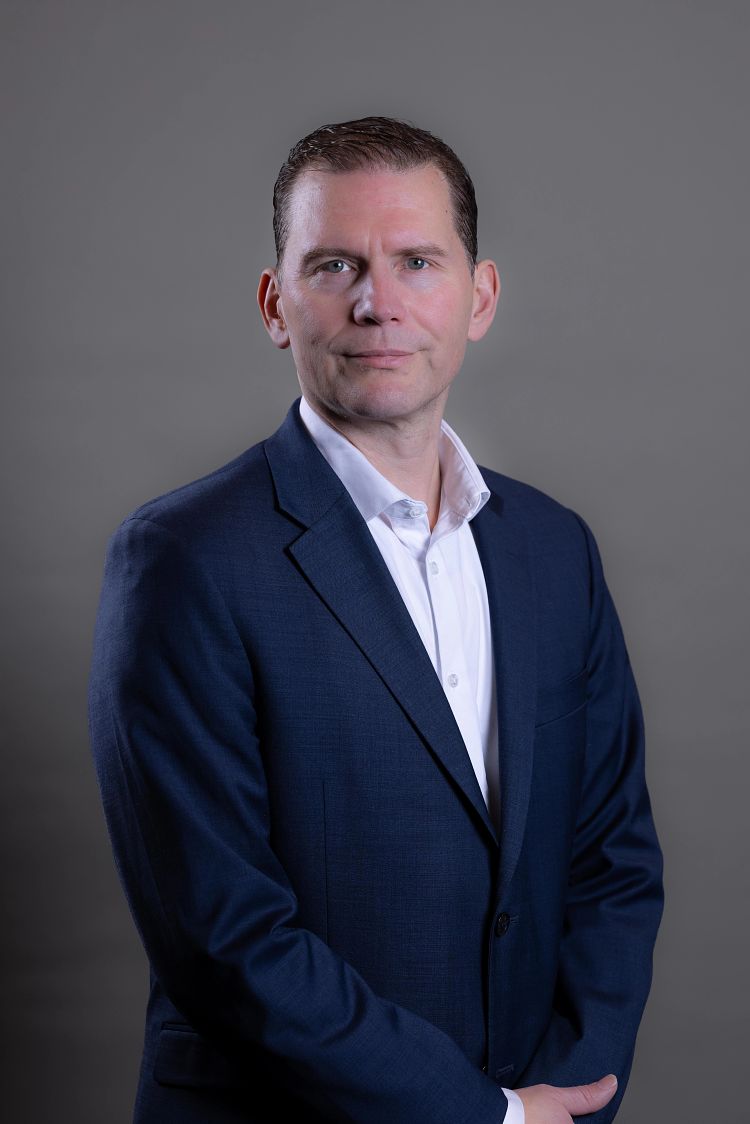
The second quarter of 2026 brought $622.9 million in sales, up 6% year over year. Water Systems, Energy Systems, and Distribution each grew. CEO Joe Ruzynski also flagged inflation in materials and logistics. Essential products still have input costs, competitors, and customers who can postpone spending.
The useful lesson is to map what must happen around a product before the customer gets a result. Franklin added controls, installation training, monitoring, distribution, and replacement parts. Another business can copy that sequence of questions without copying a pump factory. Where does the customer lose time? What has to arrive together? Who gets called when something stops?
This approach needs compatible products, capable installers, and enough local demand to support inventory. Acquisitions add integration risk, and geography complicates delivery. Franklin’s own stated priorities include quality, availability, service, innovation, and cost. The last word deserves its place. At the bottom of a well, an elegant idea still has to work.