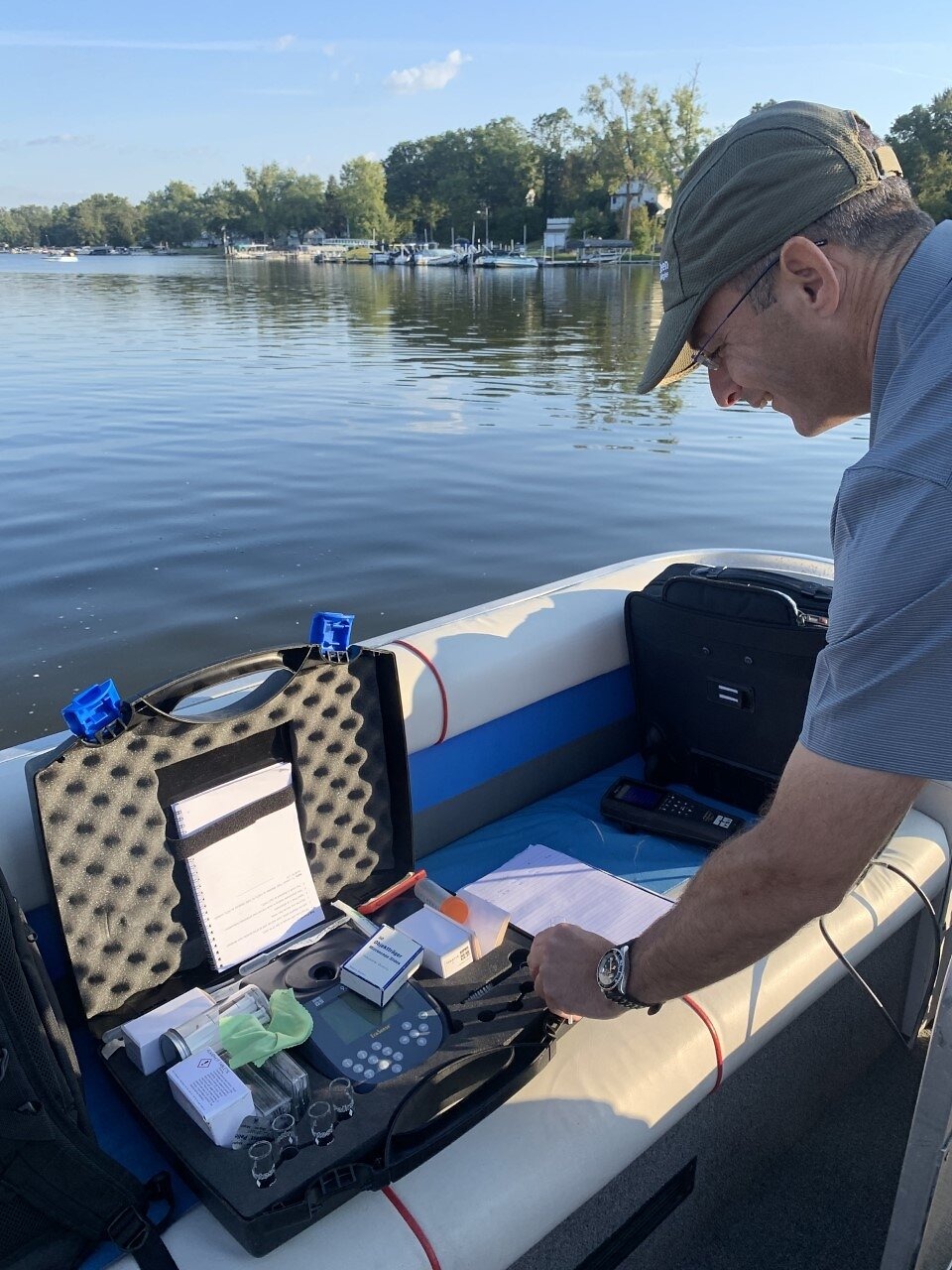
For years, an Ohio summer came with an awkward question: was the lake open? At Chippewa Lake, toxic cyanobacteria could interrupt the season when people most wanted to fish, boat and swim. In August 2019, BlueGreen Water Technologies helped apply a treatment from a boat. The lake covered about 330 acres. The application took less than an hour. An Ohio-Israel chamber report put its retail cost below $30,000.
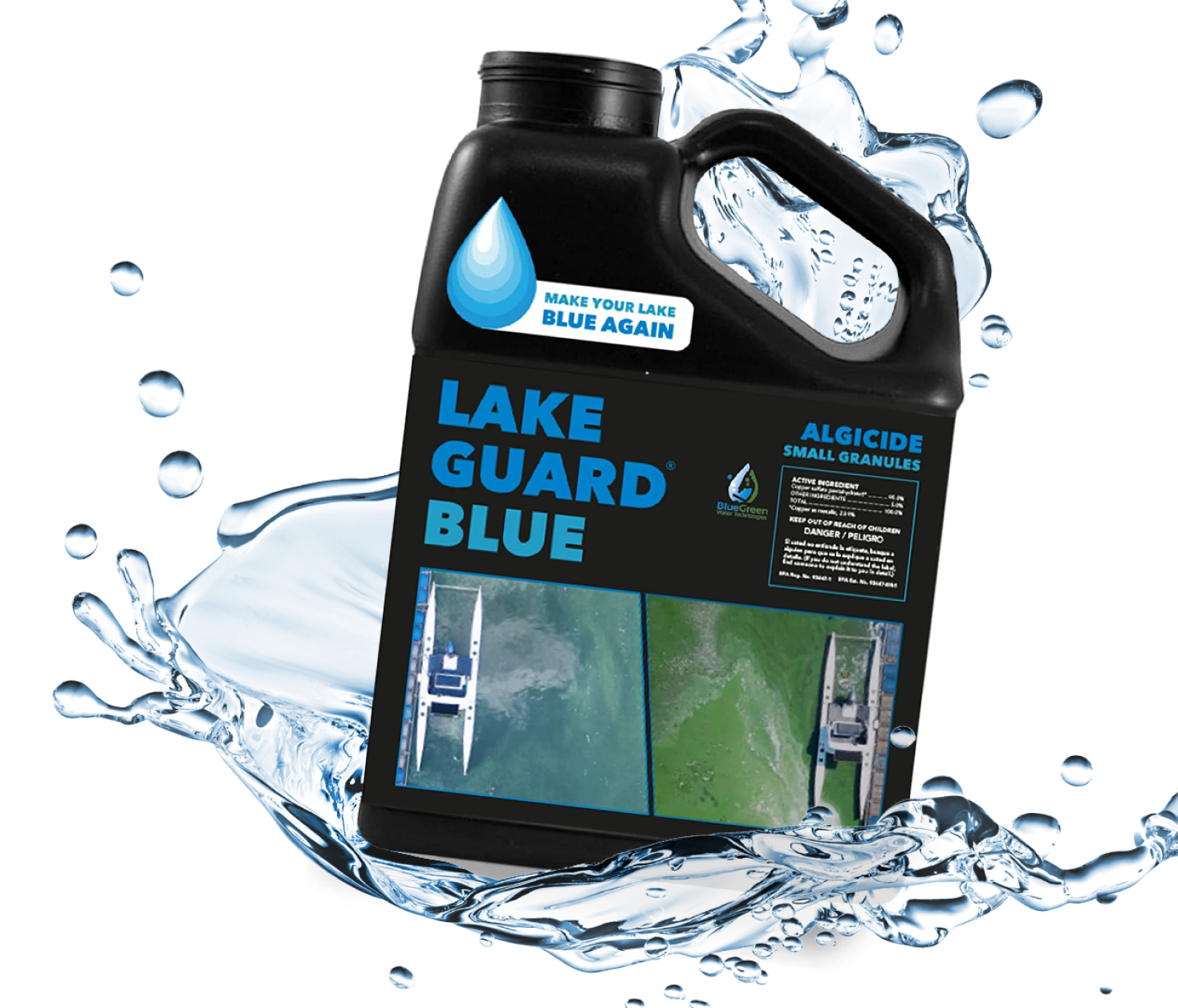
- Float the treatment. A coating keeps Lake Guard granules near floating blooms.
- Catch trouble early. Monitoring helps decide where and when to intervene.
- Keep looking upstream. Suppressing a bloom leaves its nutrient supply to be addressed.
That price is a historical example, not a promise for the next lake. But the episode makes a useful introduction to BlueGreen. This company sells a way to put chemistry in the right place, then watch what happens. Its customers include water agencies, utilities, reservoir managers and private waterbody operators. Their purchase buys a chance to recover an asset that has become unpleasant, expensive, or dangerous to use.
The summer a boat could buy
Chippewa’s earlier pattern was infuriating. BlueGreen’s account describes summer rains flushing surface scum downstream, while populations capable of starting the next outbreak remained. Relief was temporary. The lake had not forgotten how to bloom. In 2019, the aim was to intervene before the late-season outbreak gathered strength, using Lake Guard Blue, a copper-sulfate formulation.
Chippewa Lake, 2019. Application time is distinct from recovery time; this is one treatment, not a standard project price.
BlueGreen reported toxin levels below the warning threshold and continued public access during August and September. Local television returned the following July to report the lake approaching a year without toxic algae. The outcome gave the technique something a laboratory result cannot: a public demonstration at a place people already cared about.
A resident does not experience remediation as a percentage reduction on a chart. The test is whether a familiar weekend can happen again. That distinction helps explain BlueGreen’s market: the buyer manages water, but the beneficiaries include households, visitors and businesses whose plans depend on it.
The invention was in the coating
The company dates to 2014. Scientific co-founder Moshe Harel and CEO Eyal Harel are brothers; Gadi Appelbaum is also identified as a founder and chairman. According to BlueGreen’s account, Moshe conceived the floating-delivery idea in a university laboratory in Houston. His training was in environmental microbiology. The commercially useful question was almost embarrassingly physical: where does the chemical go?
Many troublesome cyanobacteria collect at the surface. A treatment that sinks can miss that congregation. Lake Guard’s coating allows granules to float and release their active ingredient over time. Wind and currents help move treatment alongside the floating bloom. The same water movement that complicates a cleanup becomes part of its delivery system.
The formulations deserve separate names. Oxy uses sodium percarbonate, which releases hydrogen peroxide in water. Blue uses copper sulfate. Dew uses aluminum sulfate to coagulate particles and improve clarity. BlueGreen describes oxidative stress and a cell-death signaling cascade in cyanobacteria as part of its bloom-control mechanism. These products share a delivery idea; their chemistry and permitted uses differ.
A dashboard with a boat behind it
That positioning places BlueGreen between chemical suppliers, environmental contractors and water-data businesses. It sells formulations, tailored remediation and scientific advice. Its Lake Guard Monitor service offers annual sensing subscriptions with AquaRealTime. Lake Guard Blue also has an online retail channel. A customer can buy a product or bring in a team to assess the water and develop a treatment plan.
In November 2025, BlueGreen launched the next generation of BlueGreen Insights, or BGi. The platform combines satellite information, in-water observations and machine learning to assess bloom conditions and guide intervention. Its value proposition is earlier, more specific decisions. BlueGreen’s August 2026 explainer continued that emphasis: find emerging trouble before the response becomes a scramble.
The practical lesson is a sequence a water manager can borrow: establish the condition, select the intervention, measure the result, and keep watching. Remote sensing makes a large lake easier to survey. Field sampling supplies the local evidence on which consequential decisions should rest. The interesting output of the dashboard is a better-timed trip onto the water.
The water keeps coming from somewhere
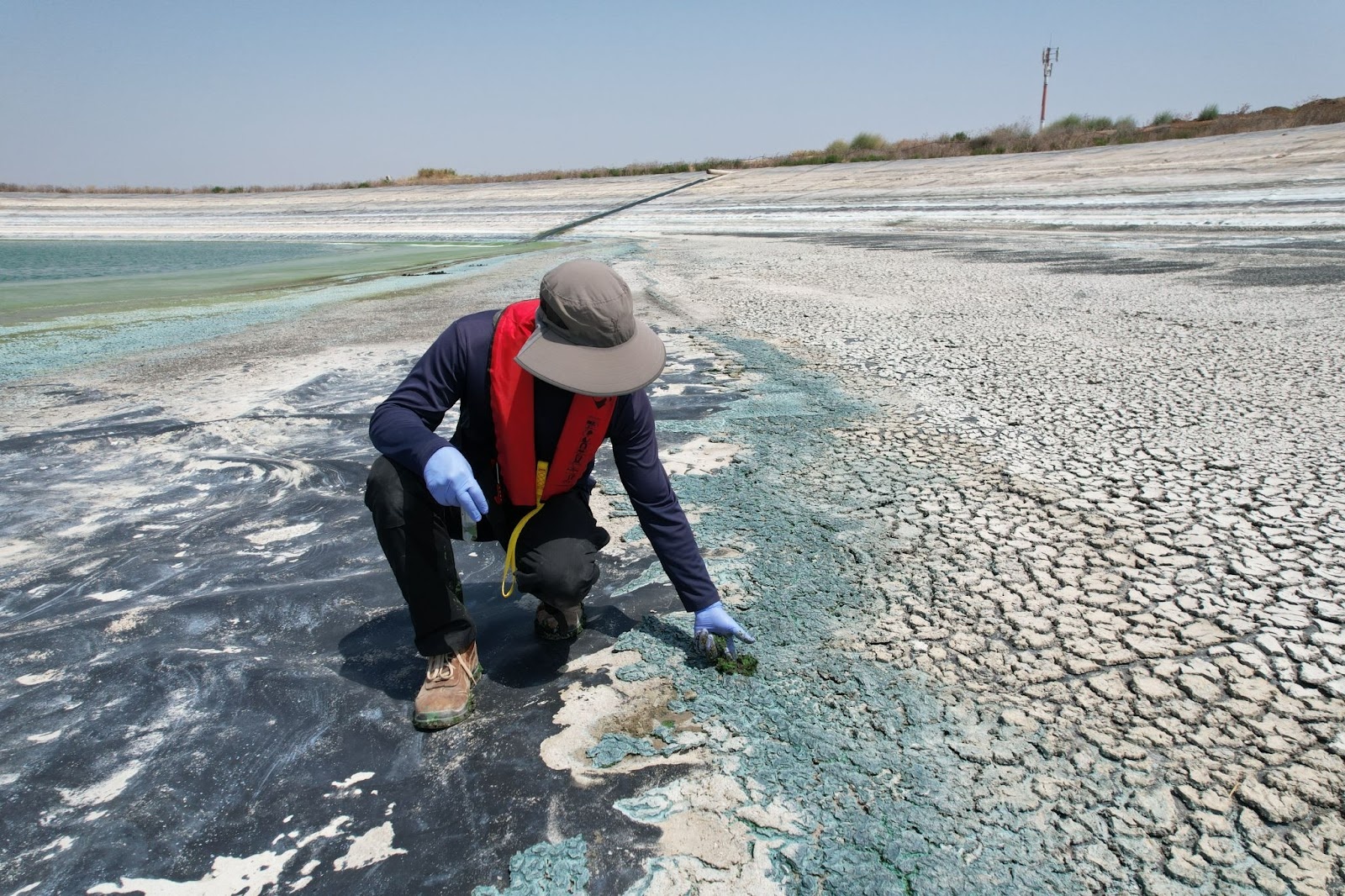
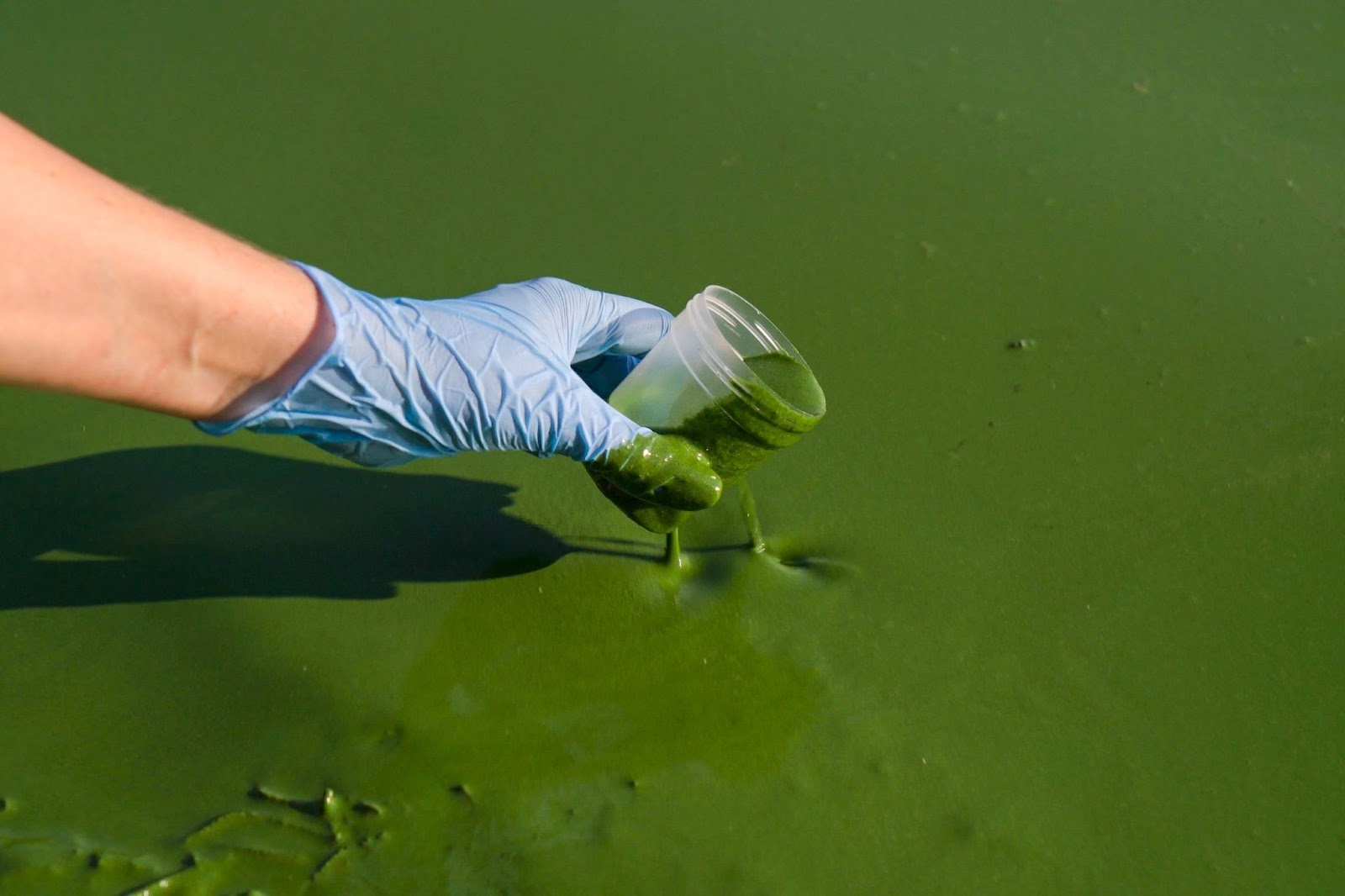
Chippewa also provides the necessary complication. In 2022, the park district told Spectrum News that nutrient-rich sediments and continuing nutrient inputs remained. Bloom suppression could buy relief while the causes persisted. In June 2025, BlueGreen partnered with Winrock International, combining treatment and monitoring with community engagement, agricultural conservation and watershed restoration.
“Water contamination issues, particularly HABs, cannot be solved through technology alone”
Eyal Harel / Winrock partnership announcement, 2025
Product conditions matter too. Lake Guard Blue’s EPA label prohibits use in water shallower than three feet or where surface water is stagnant. It warns about fish toxicity and oxygen loss from decomposing algae, and describes reduced effectiveness under certain temperature and alkalinity conditions. Drinking-water source treatment still requires a separate potable-water process. A successful Ohio application is evidence for that project, not permission to treat every pond identically.
A second buyer for a cleaner lake
BlueGreen’s newer wager is financial. Net Blue connects remediation with carbon credits. In 2024, the company reported roughly 13,000 tonnes of CO2-equivalent credits and a pre-purchase sale at $100 per credit. That July it announced a Series B2 financing in the double-digit millions, led by TAU Capital with OurCrowd participating. Carbon finance offers another possible revenue stream alongside water treatment.
The climate case needs careful reading. A November 2025 Phycology publication discussed bloom management and greenhouse-gas mitigation, but it is an opinion article co-authored by Moshe Harel, not independent proof of every project’s carbon claims. September 2026 reporting placed BlueGreen in ScaleUp House’s inaugural cohort. Expansion continues; the enduring test remains local: what changed in this water, and how long did it last?