When Spectrum Brands agreed to buy Tristar’s appliance and cookware business in February 2022, the shopping list contained familiar things: air fryers, indoor grills, toaster ovens, pans. Then came a less obvious attraction. Spectrum wanted Tristar’s content studio and its ability to sell directly to consumers. Buried inside a transaction about kitchen equipment was a business about getting somebody to watch.
- Tristar built consumer brands by joining product development, demonstration and distribution.
- Spectrum paid $325 million at closing for its appliance and cookware business in 2022.
- Later recalls and operating problems exposed the work that continues after a persuasive pitch.
That is a useful way to understand Tristar Products, Inc. The name on the corporate paperwork may be unfamiliar. PowerXL, Copper Chef and Emeril Everyday are more likely to ring a bell. The company’s specialty was giving everyday objects a reason to be noticed, then arranging the channels through which that attention could become a purchase. A customer might encounter the demonstration on television and the box in a store.
A juicer, a bra, a repeatable idea
Keith Mirchandani founded Tristar in 1992. Its early catalogue included the Hook & Hang Closet Organizer, Steam Buggy Cleaning System and Banjo Minnow Fishing System. Imagine trying to assign those products to one department. The closet, the cleaning cupboard and the tackle box are some distance apart. Put a camera in front of them, though, and a connection appears: each offers a practical problem that can be shown.
The range kept expanding. Tristar’s 2017 anniversary account identified the Jack LaLanne Power Juicer as its first product to pass one million units sold, in 2000. Genie Bra arrived in 2011; the Power Pressure Cooker followed in 2014. These were products for household shoppers looking for convenience, comfort or an easier routine. The customer did not need to be interested in Tristar. The customer needed to recognize the problem.
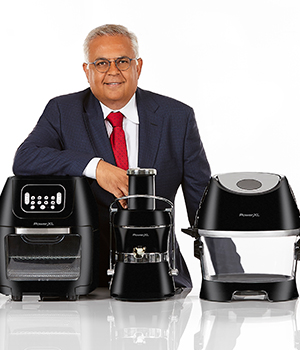
Familiar personalities helped supply another point of recognition. Jack LaLanne brought his fitness identity to a juicer. Emeril Lagasse brought a chef’s identity to countertop cooking. The relationship between presenter and product made intuitive sense. For an audience deciding whether an unfamiliar appliance belonged at home, a recognizable person provided somewhere to begin.
The studio inside the appliance deal
Tristar combined several jobs that are often discussed separately: developing the product, creating its brand, producing the pitch and getting it into distribution. In 2017, it publicly invited invention submissions and described a 65,000-square-foot studio. An idea could enter through one door; the advertising needed to explain it could be produced within the same business.
That combination distinguishes the company from a conventional advertising agency. Tristar’s history is tied to the products and brands themselves. It also gives the business a different emphasis from an appliance maker whose main route to the shopper runs through a retailer. Tristar cultivated direct response television alongside online, social and retail channels. In countertop cooking, it competed for household budgets with brands such as Ninja and Cuisinart.
“much needed direct-to-consumer capability”
David Maura, Spectrum Brands, on the 2022 acquisition
Spectrum’s wording reveals the attraction. Buying a brand can add another name to a portfolio. Buying the ability to introduce products directly to consumers can change how the portfolio sells. Spectrum expected Tristar’s approach to help its wider appliance operation. That expectation, rather than any claim about a uniquely magical frying pan, explains why the studio mattered.
An editorial diagram of the business model, not a measured conversion funnel.
The numbers at the checkout
The acquired operation reported $546 million in net sales for the twelve months ending December 31, 2021. Spectrum said sales had grown more than 85% over three years. Those figures describe the appliance and cookware business at a particular moment. They do not establish present-day revenue for all of Tristar, and they should not be confused with the company’s broader claim of more than $1 billion in retail sales.
The maximum conditional amount is not a statement that it was paid.
The sale closed on February 18, 2022. Spectrum agreed to $325 million in cash at closing, with up to $100 million against 2022 gross-profit targets and another $25 million against 2023 targets. This was the purchase of a business, including the PowerXL, Emeril and Copper Chef brands. Tristar Products, Inc. as a whole was a different perimeter.
The sale did not end the story
By 2025, Spectrum’s disclosures described a difficult aftermath: distribution challenges, excess retail inventory, reduced sales, promotional spending and higher returns. It also disclosed litigation seeking recoveries, including allegations of fraud connected with the acquisition. Those allegations are claims, not findings of liability. The operating account nevertheless complicates the earlier picture of a sales platform ready for expansion.
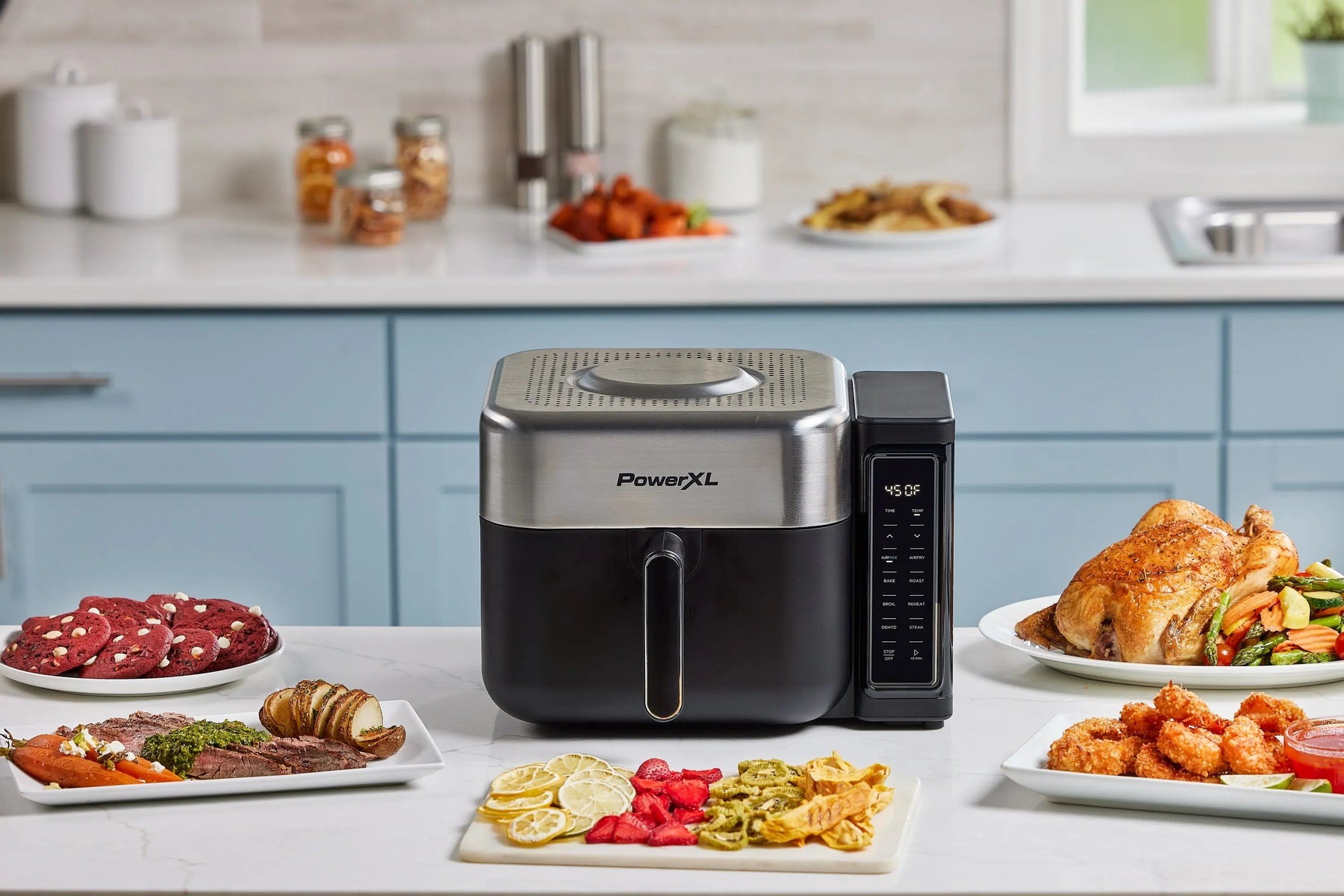
Safety problems added another cost. In June 2023, the US Consumer Product Safety Commission announced a recall of about 469,000 PowerXL self-cleaning juicers in the United States. In December, about 319,000 PowerXL dual-basket air fryers were recalled because a plastic basket connector could break during use. The notices directed owners of the specified models to stop using them and seek refunds through Empower Brands.
Show the benefit. Check the whole journey.
There is something practical to copy here: choose a benefit that a prospective customer can see, then connect the demonstration to an accessible way to buy. That is an interpretation of Tristar’s history, rather than a guarantee of sales. Products whose value emerges slowly, or requires specialist judgment, may be harder to introduce through this approach.
The later disclosures suggest the companion lesson. Attention creates obligations: stock must move, returns must be handled and products must remain safe in ordinary use. Tristar’s achievement was assembling a route from an idea to a household name. The difficulties of the acquired business show how much of that route continues beyond the moment someone says yes.
Keep watching
Explore Tristar’s website, its LinkedIn profile, X account and Facebook page. For products in action, visit Tristar on YouTube or PowerXL’s demonstration channel.
For the next chapter, read Spectrum’s August 2026 business update. Model-specific safety information is available in the juicer and dual-basket air fryer notices.