Somewhere between a first date and a dinner with the parents, choosing a restaurant becomes a small administrative crisis. The food matters. So do the noise, the bill and whether everyone will feel comfortable. The Infatuation built its business in that gap between finding a place and knowing it will work. JPMorgan Chase eventually decided that helping people make those decisions was worth owning.
The company started in 2009 with two music executives, Chris Stang and Andrew Steinthal, writing about restaurants alongside their day jobs. It acquired Zagat in 2018 and became a Chase subsidiary in 2021. Along the way, its recommendations escaped the browser: into an app, newsletters, a hashtag and a food festival with an extravagant number of E’s. The subject stayed dinner. The business around it grew considerably more elaborate.
The bill arrives before the business
Stang and Steinthal’s partnership began at an appropriately unlikely audition: MTV’s TRL. Both were involved in college radio when they met on set in 2000, with Destiny’s Child appearing that day. They later worked at different Warner Music labels. Stang handled marketing at Atlantic; Steinthal worked in publicity at Warner Bros. Records. Taking people out was part of the job. Friends started treating them as a restaurant help desk.
Their website, originally called Immaculate Infatuation, gave those opinions somewhere to live. They were writing for people who wanted to know where to take a date or find a late meal. Their music careers had already taught them something useful about attracting an audience: a recognizable voice gives people a reason to return. They brought that instinct to restaurant recommendations.
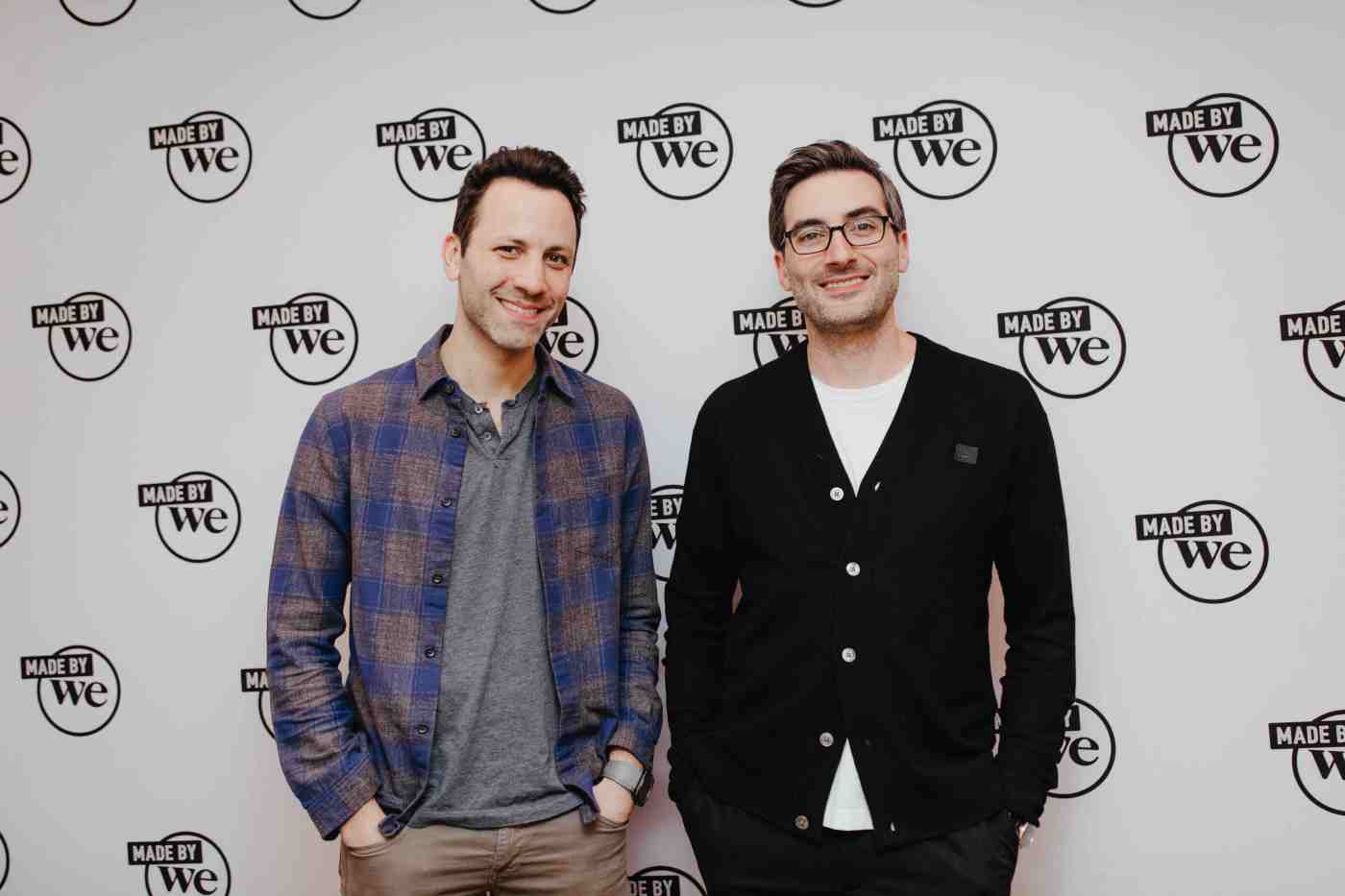
The romance of the side project had a fairly punishing schedule. In their later account, the founders described eating out, writing into the early morning and going to work the next day. They kept their jobs until April 2014. After leaving, they went eighteen months without salaries. Savings and dependable employment had bought them time to discover whether restaurant opinions could support a company.
“It’s called not sleeping.”
Chris Stang, recalling the early years at a 2019 WeWork talk
An early test arrived in 2010: the Turkey Leg Gala sold 450 tickets in less than an hour. That result gave the founders a form of evidence a traffic chart could not. People would make plans around the publication. The company was beginning to occupy space in readers’ lives beyond the time it took to scroll through a review.
Dinner for the actual occasion
The Infatuation’s editorial unit is the decision. Its “Perfect For” categories make the occasion part of the search, alongside cuisine and neighborhood. A restaurant can be excellent and still be a poor choice for the evening someone has in mind. That distinction is the guide’s useful obsession. It addresses the person responsible for choosing, including the mildly panicked one holding a group chat together.
In the app, readers can look for nearby restaurants, explore map or list views, filter recommendations and save reviews to personal lists. The iOS app is free. For a visitor, those features can turn scattered research into a shortlist before a trip. For a local, the same tool can answer the less glamorous question of where to eat tonight without having the same argument again.
The expertise comes from writers and editors who go out to eat. The company says they arrive anonymously, pay for their meals and refuse special treatment from restaurants. Reviews follow visits, rather than invitations to a complimentary tasting. That method has a recurring expense attached: meals, people and time. Expanding a guide means finding local judgment that readers will want to follow.
Its place in food media is easy to recognize. Readers can also consult local critics, Eater, Michelin, Yelp, Google Maps or a favorite food creator. The Infatuation offers a consistent editorial voice and situational organization within that crowded choice. The appeal depends on whether its taste becomes useful to yours. Nobody acquires an objective truth about dinner by adding a decimal point.
The audience leaves the screen
The founders understood publicity before they became publishers. Steinthal’s official biography lists brand relationships ranging from American Express and Samsung to Whole Foods, Airbnb and Delta. Those historical partnerships illustrate the commercial audience alongside the dining audience: companies willing to pay to reach people who care about restaurants. Sponsorships, brand programs and events gave The Infatuation several ways to make money from that relationship.
Instagram supplied a particularly portable calling card: #EEEEEATS. The extra letters made an ordinary food post recognizable, though the founders acknowledged in a 2017 interview that using the hashtag did not necessarily mean knowing the publisher or buying an event ticket. Recognition and revenue required different work. The hashtag could circulate much farther than the relationship it was supposed to create.
EEEEEATSCON, launched in Los Angeles in 2017, gave that relationship a physical address. Selected restaurants became the lineup, alongside entertainment and collaborations. For the May 2026 LA edition, the announced combinations included Two Hommés with Jitlada and Tacos Los Cholos with Miami’s Cowy Burger. It is an editorial selection people can eat their way through, with the possibility of finding several new favorites in one afternoon.
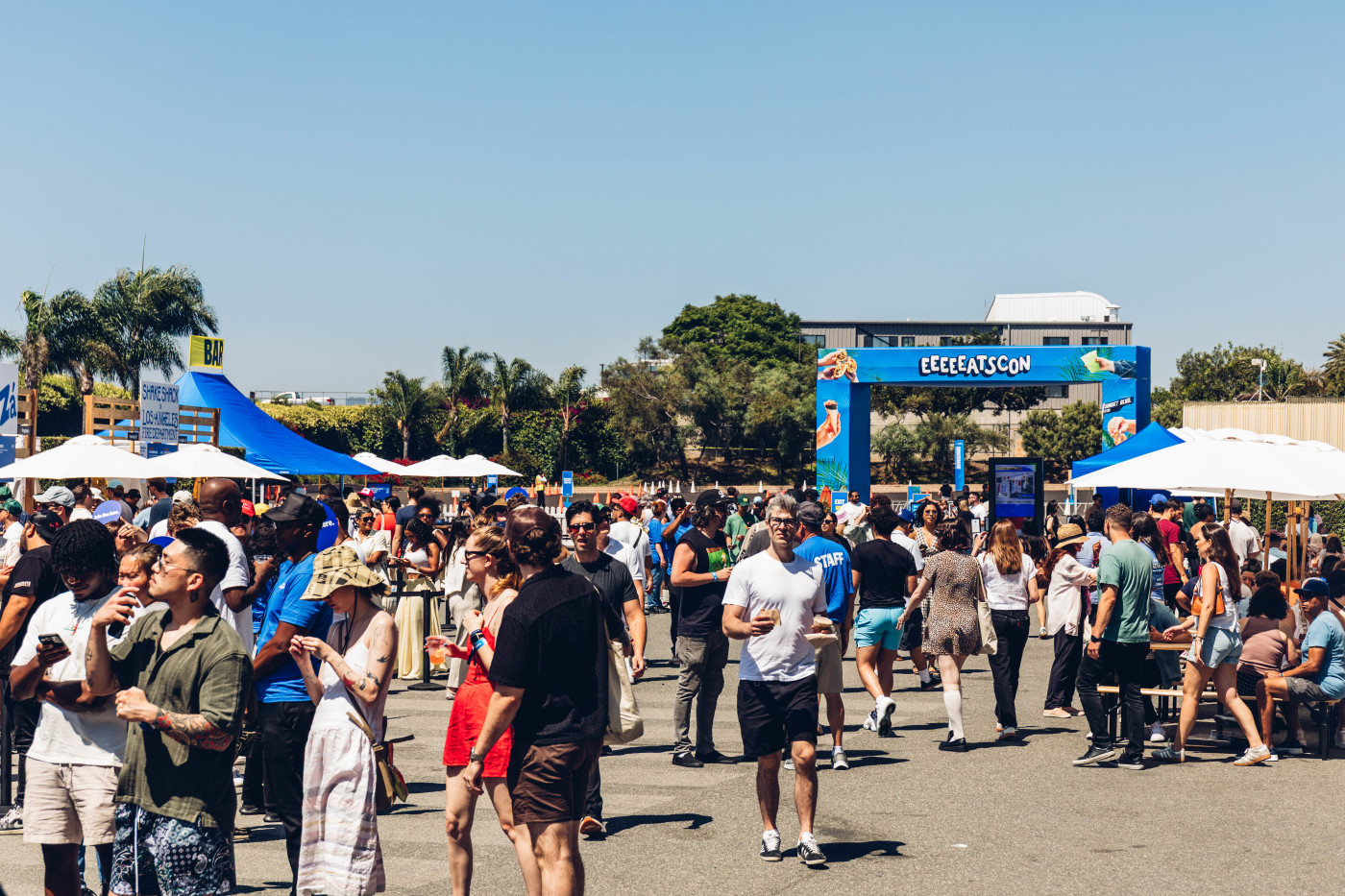
There are practical distinctions for the customer. The LA announcement priced general admission from $25 and limited ticket access to Chase cardholders. Admission covered entertainment; food and drinks cost extra. A free restaurant guide and a paid afternoon of eating are different purchases, even when they carry the same editorial taste. The company has learned to offer both.
The expansion also attracted capital. In September 2018, The Infatuation announced $30 million from WndrCo, the firm founded by Ann Daly, Sujay Jaswa and Jeffrey Katzenberg. Its stated uses included more cities, technology and products. By 2019, reported cumulative funding stood at $33.5 million. The company’s early nights-and-weekends operation had become a business with investors financing a much broader ambition.
The number that stopped making sense
The pandemic exposed a weakness in the product: a rating could look precise while describing a restaurant experience that no longer existed. In June 2020, The Infatuation removed its numerical scores. Dining rooms, menus and service models were changing. Then-editor in chief Hillary Reinsberg told ABC News that conversations with restaurant-industry advocates helped prompt the decision. The old information was losing its relevance.
By January 2022, the editors had reconsidered. Ratings helped readers make quick comparisons, they argued. Bringing them back required new evidence: the relaunch contained more than 2,000 ratings based on or checked through visits during the preceding year. Old scores were not simply switched back on. The team also reviewed the breadth of cuisines, neighborhoods and price points represented.
That episode offers a concrete lesson for anyone publishing recommendations. Information has a working life. When the conditions behind it change, preserving a familiar format can make it less useful. The Infatuation was willing to remove a recognizable feature and later restore it with additional reporting. The work between those decisions is what made the reversal defensible.
A bank gets a seat at the table
The Zagat acquisition had already expanded the company’s idea of restaurant authority. In March 2018, it announced an agreement to buy the brand from Google. The plan paired The Infatuation’s editorial approach with Zagat’s tradition of diner surveys, retaining distinct identities. It was a bet that an established name and a younger publication could answer the same question in complementary ways.
Chase’s acquisition announcement in September 2021 described another extension. The bank wanted dining expertise, useful content and experiences for customers. It said The Infatuation would keep its independent point of view and operate as a separate brand. A restaurant recommendation can now sit within a much larger commercial relationship, one that includes the card used to pay the bill.
That relationship is visible in Sapphire Reserve Exclusive Tables. The Infatuation helps curate restaurants for the program, which operates through OpenTable in collaboration with Visa. Eligible customers get access to participating reservations and events. The guide contributes judgment; a booking platform handles the table. Access still depends on the program’s restaurants and available inventory. An appealing write-up cannot manufacture an empty seat.
Apple offered another route to readers in May 2025, announcing that Infatuation rankings and insights would be added to Maps. Paul Needham, identified as the company’s CEO, explained the distribution logic: “It’s important for us to meet users where they are.” A dining opinion is particularly useful when someone is already looking at the street where they might eat.
Keep the recommendation worth following
The daily editorial work remains unusually specific. September 2026 coverage included advice on difficult reservations, Los Angeles tasting menus for $150 or less, and Austin bars where someone could read quietly. This is where the brand earns repeat use. A person looking for a peaceful drink has a different assignment from someone booking a celebration, even if both are searching the same neighborhood.
Arden Shore, editor in chief since 2023, leads a publication whose appeal still depends on those distinctions. The transferable idea is to organize expertise around a customer’s actual occasion, then test whether people act on it. The conditions matter: the model needs local knowledge, money for repeat visits and enough readers who share the editors’ sensibility. Where coverage is thin, or tastes diverge, the recommendation loses force.
Bank ownership gives that work more places to appear and more commercial uses. It also makes the promise of independent judgment something readers have reason to watch closely. For all the acquisitions, festivals and reserved tables, the test remains disarmingly ordinary. Someone followed the advice, spent their own money and went out for dinner. Would they ask The Infatuation again?