Forty-eight hours is an odd unit of measurement for a venture investor. Investments are usually discussed in millions, ownership percentages and years until an exit. But when Carol Sands described The Angels’ Forum to Inc. in 2005, she talked about contact. “We see, feel, touch our new portfolio companies about every 48 hours,” she said. A young company could get into plenty of trouble between visits.
- Experienced operators supplied capital, introductions and board support.
- Local investing made frequent involvement practical.
- Since July 2017, the website has directed new investments to Mighty Capital.
That working habit helps explain a business that can otherwise look like another entry in an investor directory. TAF brought private investors together around Silicon Valley startups and gave the group some of a venture firm’s routines. Its pitch to entrepreneurs included help with executives, boards and later financing. The check opened a relationship that would need more attention than an occasional congratulatory email.
A small circle, assembled deliberately
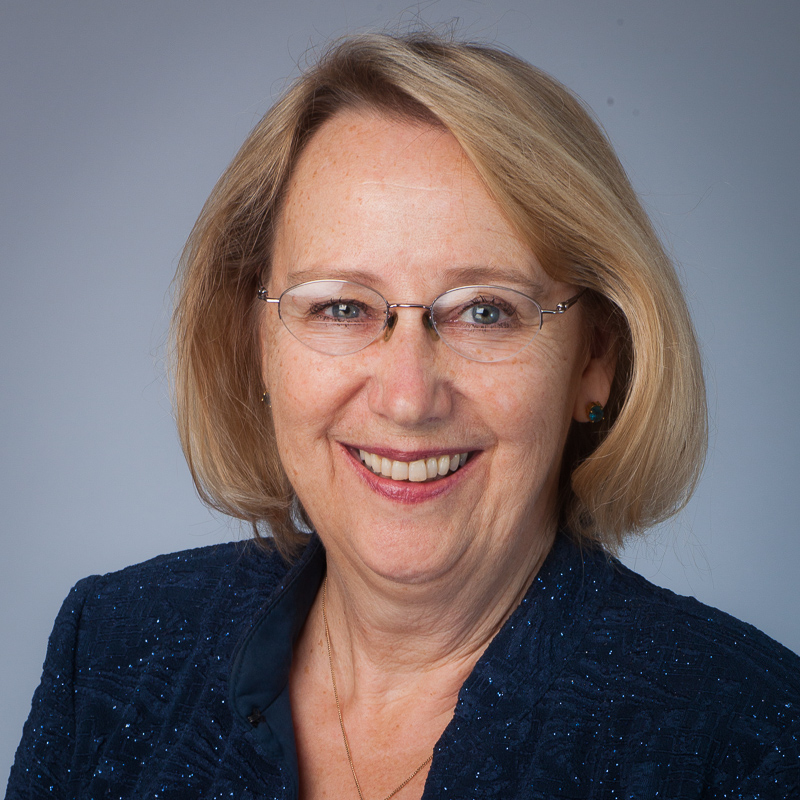
Sands founded The Angels’ Forum in 1997. Her background crossed banking, corporate sales and marketing, professional services and her own consulting business. Before assembling the investment model, she did some homework: an MIT Entrepreneurship Center report says she interviewed 200 people in the venture support system, gathered practices and recruited advisers. Even the person organizing the experts went looking for expertise.
The resulting membership was described as roughly 25 wealthy private investors who had been founders, chief executives or senior executives. They brought different operating histories to the same table. Someone evaluating a medical device would need different knowledge from someone assessing software. Pooling those perspectives gave a founder access to experience that would be difficult to find in one person.
By its twentieth year, TAF reported deploying more than $75 million and helping hundreds of entrepreneurs. Those figures describe capital invested and people supported, rather than a disclosed return. The more revealing detail in the earlier Inc. account is that weekly meetings spent much of their time tracking companies already backed. Existing commitments competed for attention with the next promising pitch.
Money invested across a long run of company building.
A short drive was part of the deal
Geography gave this approach a boundary. TAF’s LinkedIn description limits investments to companies headquartered within 50 miles of Mountain View. Its January 2017 investment criteria specify Bay Area companies and insist on prior capital or revenue. A founder with only an idea, or a business far outside the region, would have been a poor match for that stated process.
There is a practical logic here: frequent involvement costs time. A local portfolio makes meetings and introductions easier to arrange. That is an inference from the model, but it explains why a geographic restriction can be useful to both sides. Founders looking at alternatives such as Band of Angels or Sand Hill Angels should compare the people available to help, alongside sector and stage.
TAF’s portfolio crossed plenty of sectors. In the second quarter of 2017, its additions included Kiana Analytics, working on retail customer traffic; VIDA Diagnostics, supplying pulmonary clinicians with analytical information; and Kinestral, developing smart glass. Their rounds stretched from a bridge to Series A through Series C. Follow-on investments that quarter included Mission Bio, OneMob and RenovoRx.
The paperwork behind the pitch
The actual product was capital combined with judgment and access. TAF usually participated in rounds rather than leading them, with historical checks ranging from a few hundred thousand dollars to a few million. Its economic interest was in the companies it backed and their eventual liquidity events. For founders, the negotiated deal also meant thinking about ownership, governance and future financing.
For a founder comparing offers, these are separate questions. How much capital is available? Who sets the terms? Who can help find a customer or a capable executive? A group that usually follows may complement a lead investor, while leaving the founder responsible for finding that lead. It would be a mistake to treat every investor in a round as interchangeable simply because the money arrives in the same bank account.
A referral could lead to screening, then a presentation to the partnership, then diligence and an investment decision. TAF explicitly discouraged expectations of an immediate check. Its September 2016 checklist asked for customer references, financial statements, contracts and a fully diluted capitalization table. Beyond documents, it examined leadership compatibility, governance and whether the investors could usefully support the business.
- 01Screen the fit
- 02Pitch the partners
- 03Check the evidence
- 04Decide together
Raise for the next hard thing
One of TAF’s useful observations concerns a founder’s apparently modest request. Asking for less can feel easier to defend. Its fundraising guidance warned that an undersized raise can leave a company short before the business starts producing enough cash. It suggested planning over 18 months, allowing a cushion and connecting the amount requested to identifiable milestones.
That advice is easy to copy without meeting an angel. Identify the next product release, key hire or adoption target, then work out what reaching it requires. Prepare the documents before diligence begins. Ask prospective investors which relationships and skills they would actually contribute. The answers make an abstract promise of support easier to assess.
The harder part is testing the relationship before everyone has committed. A founder can ask for an example of an introduction that helped, or speak with another portfolio chief executive about difficult periods. These are practical ways to apply TAF’s emphasis on fit. A familiar name on a presentation slide tells you little about who will return a call, understand a hiring problem or challenge an optimistic forecast at the right moment.
What will the investor help you do when the money starts running out?A question to take into the next meeting
The name on the next check
The archive has a consequential turning point. TAF’s homepage says that, starting July 1, 2017, new investments would be made by Mighty Capital, led by former managing director SC Moatti. Anyone using the old investment posts to plan an approach should follow that direction. Mighty Capital now describes a focus on B2B technology from pre-seed to Series A.
Earlier investments continued to have lives beyond those archived announcements. SAP completed a majority acquisition of portfolio company Taulia in March 2022. Such outcomes do not establish a return for every TAF member. They do show why the relationship cannot be understood through the first check alone. For a founder, the useful measure remains wonderfully concrete: who is still paying attention when the next difficult decision arrives?