The manatees do not care about the rate case. When Tampa Bay turns cold, they gather in warm water discharged from Big Bend Power Station. The plant draws bay water for cooling and sends it back warmer. An industrial necessity becomes a winter refuge. For an animal trying to stay warm, a power station has a surprisingly useful side effect.
It is an unusually good introduction to TECO Energy. This is a company whose work spreads beyond the meter: into the temperature of a canal, the placement of a power line, the monthly household budget. The interesting question is how all those obligations fit together when the weather turns against them.
- The service: electricity in West Central Florida and natural gas across the state.
- The bet: spend on plants and the grid now to improve service over time.
- The tension: customers finance much of that work through regulated bills.
The bill behind the switch
TECO Energy became a holding company in 1981. Tampa Electric, its operating utility, was incorporated in 1899. Confusing those dates obscures the story: a relatively modern corporate structure sits above a much older physical system. Emera bought TECO in 2016 for approximately $6.5 billion in equity. The announced transaction value, including assumed debt, was $10.4 billion.
Today, the TECO website directs people to Tampa Electric, Peoples Gas and their account services. Tampa Electric reported approximately 866,000 customer accounts at the end of 2025. Peoples Gas says it serves more than 500,000 customers across Florida. These include homes, shops and larger businesses. Emera completed the sale of New Mexico Gas in August 2026, narrowing the portfolio associated with TECO’s earlier expansion.
A utility’s expertise lies in coordinating generation, networks, maintenance and demand. Its business model depends on regulatory permission to recover costs and earn a return on approved investment. Florida Power & Light and Duke Energy Florida are useful peers, but most households cannot simply switch among them. Territory matters more than marketing. That makes the regulator an essential stand-in for the competitive pressure of a shopping aisle.
A different fuel, the same obligation
At Big Bend, the transition is concrete. Tampa Electric spent $876 million during 2018-2022 on modernization, including financing costs recorded during construction. Unit 1 was repowered with natural gas combined-cycle technology, eliminating coal as its fuel. It entered service in December 2022; the company announced completion the following month. Units 2 and 3 were retired. Unit 4 can still use coal or gas.
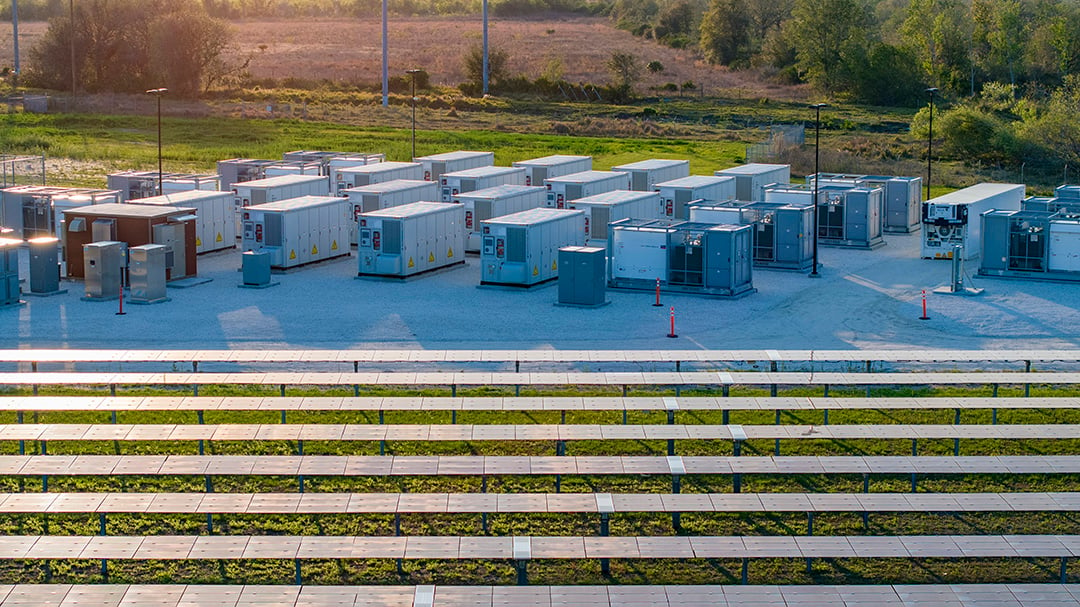
The repowered unit’s published capability is 1,090 megawatts. Tampa Electric estimates $700 million in customer savings over its 30-year life. That is a forecast, not cash already returned. Nor can it be compared directly with construction spending as a simple payback calculation: the figures describe different accounting and operating questions.
Solar adds another way to avoid fuel purchases. Tampa Electric reported more than $430 million in solar-related fuel savings through July 2026. Yet a solar array produces nothing at night. The utility still needs resources that can meet demand when sunshine cannot. Its particular position is this mixture: solar expansion alongside gas generation and a network built to serve a growing Florida region.
Different costs. Different recovery periods. Both reach beyond the power plant.
The day the procedures failed
Any account of Big Bend must include June 29, 2017. Workers were trying to clear hardened slag while a furnace remained online. A blockage came loose, releasing molten material. Five people died. In 2022, Tampa Electric pleaded guilty to willfully violating an OSHA safety rule and was sentenced to a $500,000 fine, three years of probation and a required safety compliance plan.
The Justice Department described a failure to hold the required pre-job briefing; procedures governing the work could not be located. This is a specific organizational failure, with lessons beyond utilities: a procedure must be available, understood and used before hazardous work begins. Published values cannot perform that function. Emera later described a multi-year safety program, launched in 2017, involving training and encouragement to speak up about hazards.
The weather sends an invoice
Hurricane Milton exposed a different vulnerability in October 2024. At the peak, approximately 600,000 Tampa Electric customers were without power. The company’s ordinary service and its performance during a major storm belong in the same account. An average cannot tell a household how long its particular refrigerator will remain dark.
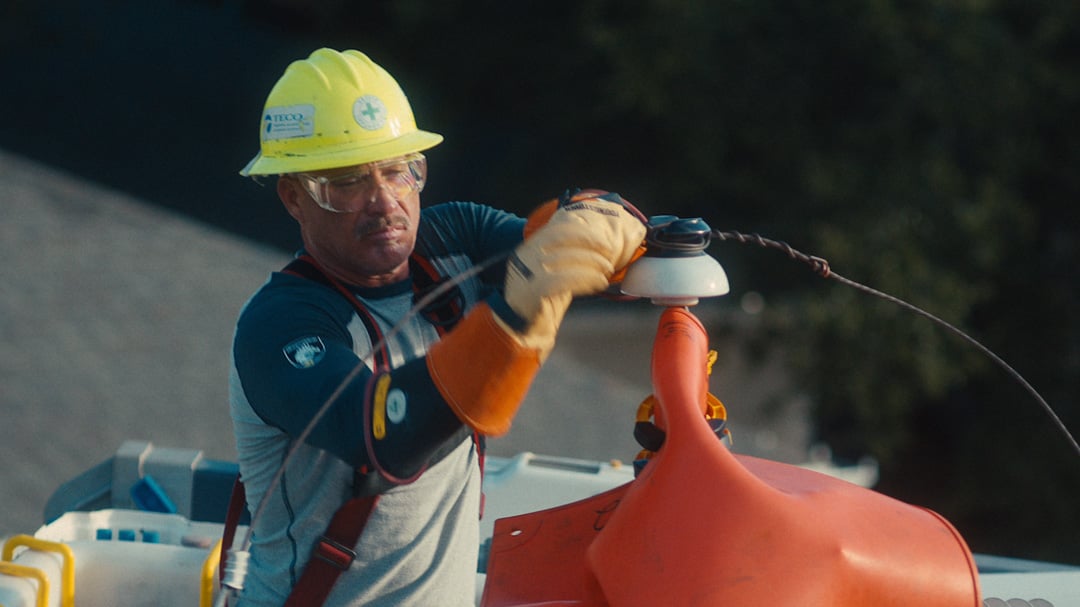
In February 2025, Florida regulators approved recovery of $466 million associated with several hurricanes and replenishing the storm reserve, over 18 months beginning that March. Customers would pay through subsequent bills, subject to a true-up. Storm damage becomes a financing question as soon as the repair crews leave.
The response includes selective undergrounding, stronger poles, vegetation management and equipment upgrades. An August 2026 company update described raising critical equipment in low-lying areas. The principle is useful elsewhere: identify the vulnerable component and change its exposure. Undergrounding alone cannot solve every problem. Generation, substations and the remaining network must also work.
Start with the audit
For customers, the accessible tools are less dramatic. TECO’s businesses offer service transfers, digital billing and energy-efficiency guidance. Tampa Electric offers free energy audits and rebates for eligible improvements. An audit is a sensible first step before buying equipment: identify waste, then decide what deserves money.
Sun Select addresses a different problem: customers who want shared solar but rent, have a shaded roof or do not want panels. A solar charge replaces the fuel charge for the subscribed portion. There is no rooftop installation or long-term commitment, though eligibility and subscription availability apply.
“Initially, you will not save money.”
Tampa Electric’s Sun Select FAQ
That unusually plain sentence makes the choice easier to understand. Supporting shared solar and cutting this month’s bill are separate objectives. TECO’s broader challenge is the same distinction at industrial scale: investing in a system people will need for decades while sending them a bill they must pay now.