virtual-worlds
(13)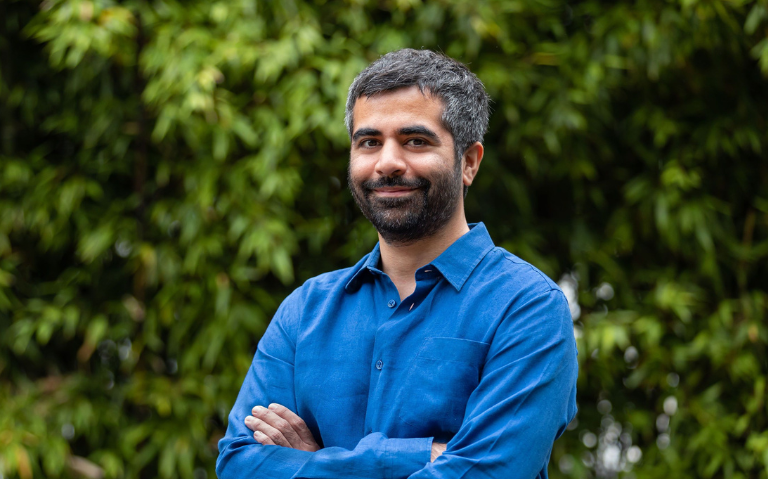
Herman Narula and the problem of making worlds matter
His family built in bricks and mortar. Herman Narula chose virtual worlds, raised $502 million in one funding round, and discovered that getting people into a world is only the beginning.
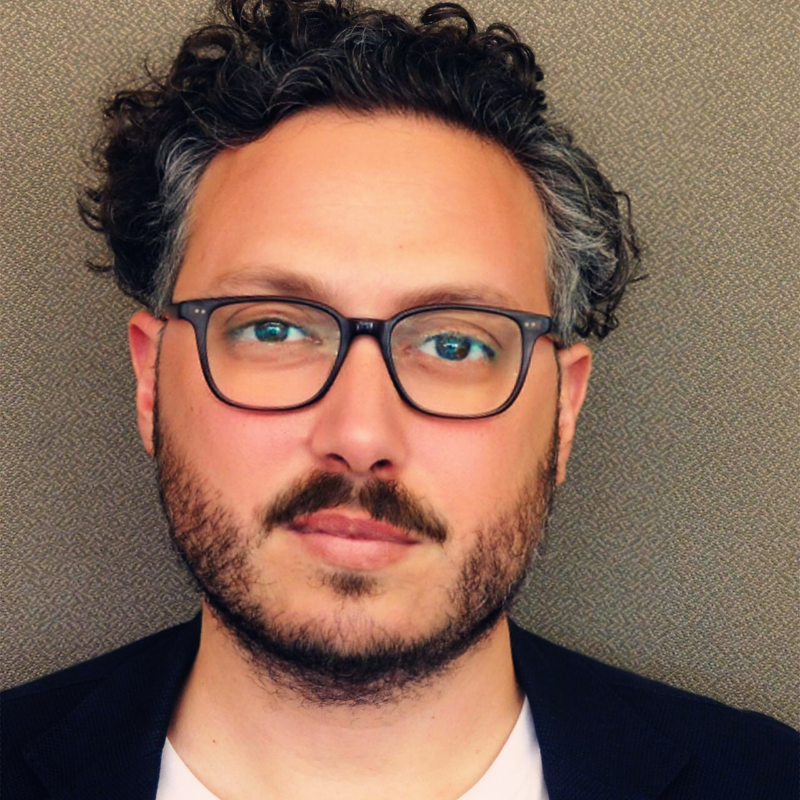
Francesco D'Orazio and the secret life of an audience
Before Pulsar, there were rumours, avatars and two very different dance crazes. Francesco D'Orazio has spent his career asking what happens when an idea finds its people.
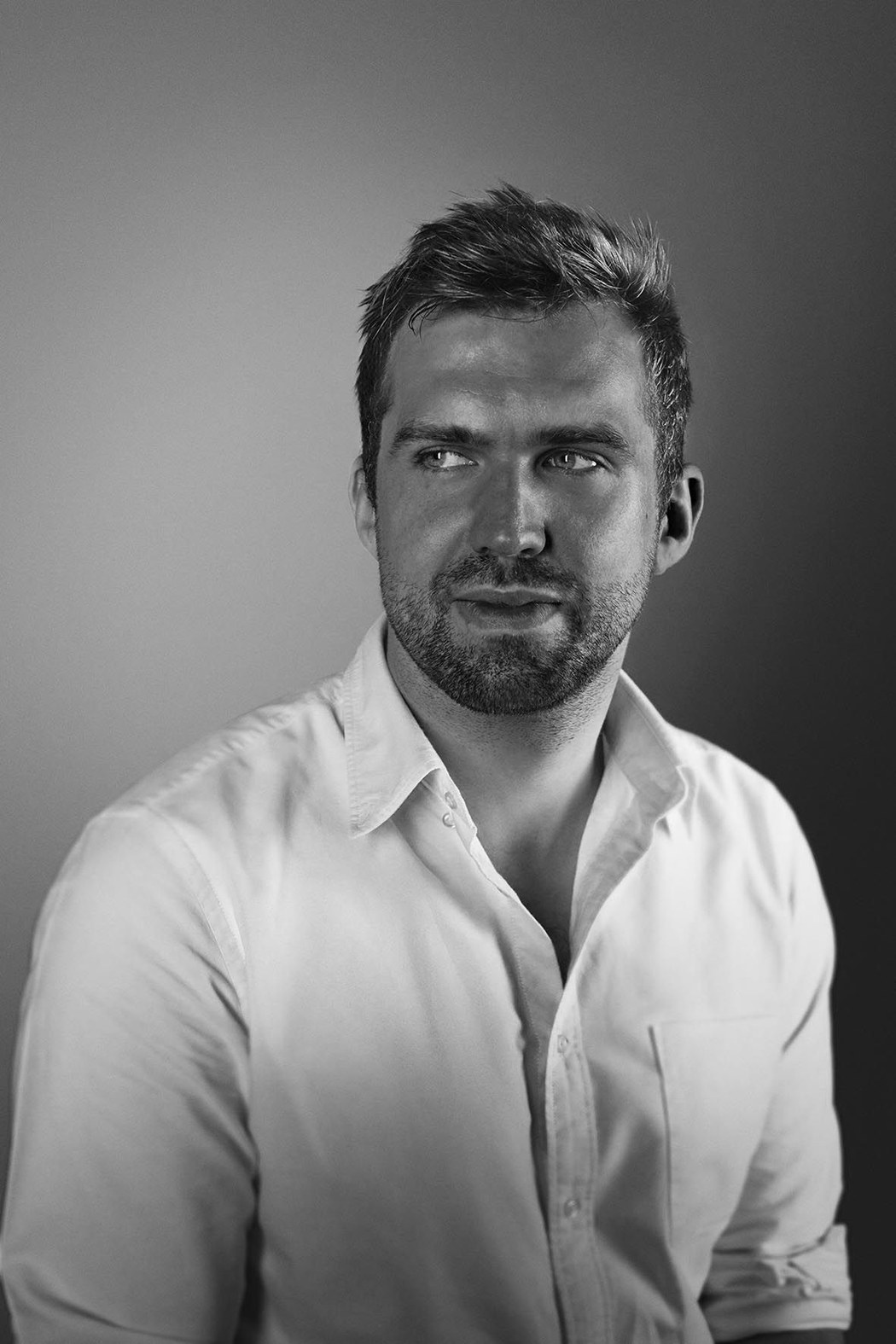
Peter Lipka and the price of a millisecond
From Goldman Sachs to Improbable, Peter Lipka has worked on the systems behind shared virtual worlds. Now, as Somnia’s CEO, he is putting that experience to work on a blockchain with a changing clientele.
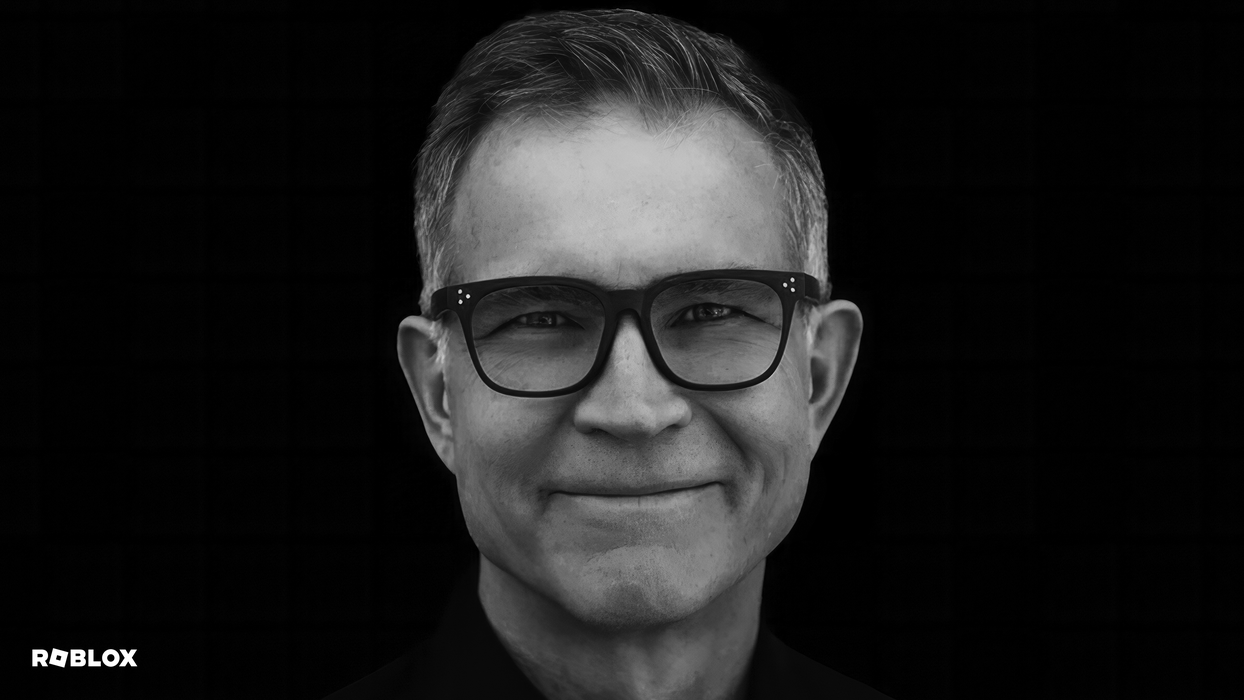
David Baszucki and the classroom that got out of hand
Before Roblox, David Baszucki made software for physics lessons. The students had other plans - and their improvisations helped point him toward a world built by its players.

Bunch built a place to stay when the game was over
The party app put friends ahead of the games they played. Its journey from mobile video chat to virtual homes and MiniParty is a study in how much machinery a simple hangout needs.

The Company That Wants Virtual Worlds to Grow Old
Pocket Worlds began with Highrise and now owns three social games. Its wager is that the best virtual world is one people still want to visit years after the novelty fades.

Improbable learned to build companies, too
After a $502 million funding round and some painful lessons in virtual worlds, Improbable found another product: the companies built around its technology. Its latest chapter runs through AI, crypto and the decidedly real business of selling what it creates.
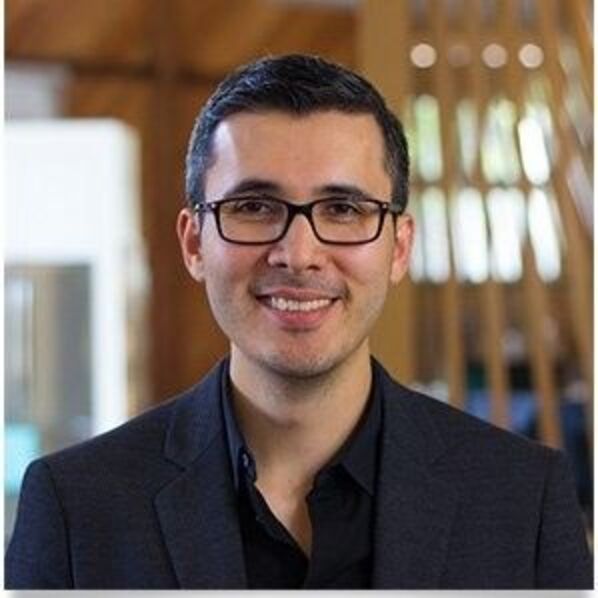
Anthony Leung Bet on Belonging - Then Built a World Around It
The former Riot development director made a counterintuitive wager: online games could feel less like contests and more like neighborhoods. Palia became the eight-year test of that idea.

Two Riot Vets Bet $49M That a Game Could Feel Like Church
They left Riot to make an online world that welcomed the people MMOs usually scare off. Palia found 10 million of them - and still cost the founders the studio.
Ampverse
Ampverse is a Singapore-founded, creator-first gaming and entertainment company that connects consumer brands and game publishers with gaming audiences across Southeast Asia, India and the Gulf. It owns and operates gaming media properties, esports teams and creator networks, and packages them into marketing, in-game advertising, publishing and analytics services for brands like Coca-Cola, KFC and Red Bull. The group reaches a claimed 600M+ fans through its owned assets and managed creators.

Roblox
Roblox is an online platform and game-creation system where users build, publish, and play 3D experiences made by other users. Rather than producing its own games, Roblox provides the engine (Roblox Studio), hosting, social layer, and a virtual currency (Robux) that lets a global community of creators turn ideas into playable worlds - and, increasingly, into income. With roughly 132 million daily active users and more than $1 billion paid out to creators in a single year, it has become one of the largest user-generated entertainment platforms in the world.
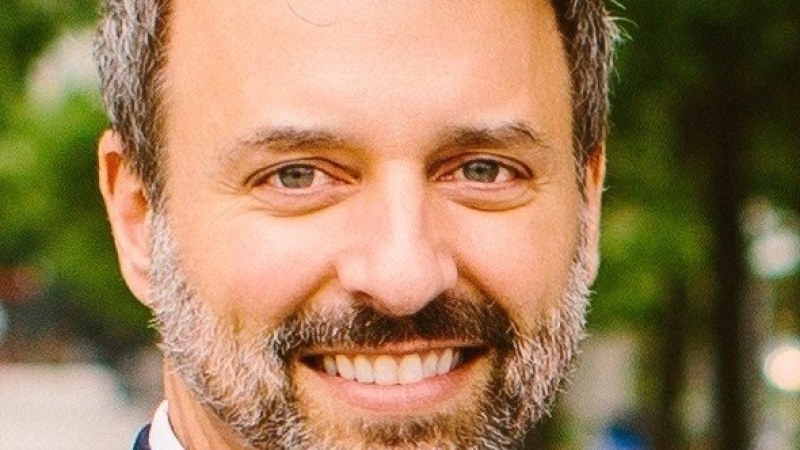
Bradford Oberwager
Bradford Oberwager is the Executive Chairman of Linden Lab and CEO of Tilia, the fintech arm powering Second Life's virtual economy. A serial entrepreneur who built and sold companies in personalized vitamins, healthy snacks (Bare Snacks, acquired by PepsiCo), and labor technology (Jyve, acquired by Advantage Solutions), Oberwager led the 2020 acquisition of Linden Lab alongside investor Randy Waterfield. Since then he has staked $35 million on securing money transmitter licenses in all U.S. states to enable real-money payouts from Second Life's Linden dollar economy, grown monthly active users to 600,000, and championed a mobile-forward future for the world's original metaverse.
Teppei Tsutsui
Teppei Tsutsui is General Partner and co-founder of GFR Fund, a San Francisco-based early-stage venture capital firm focused on gaming, generative AI, creator economy, and consumer tech. Tokyo-raised and University of Chicago-educated, he co-founded GFR Fund in 2016 after a decade spanning Mitsubishi Corporation, Morgan Stanley M&A, and GREE - where he moved to San Francisco in 2014 to launch their seed investment program. GFR Fund III closed at $53.5M in 2023, and the firm's portfolio of over 100 companies includes three unicorns - VRChat, Animoca Brands, and Sky Mavis - with GFR's earliest and most famous bet being VRChat, invested when the platform had just 1,000 active users.