tissue-engineering
(11)
Adam Kinsey Built His Career in the Space Between the Lab and the Ledger
The Ventrix co-founder trained as an engineer, learned the grammar of patents and then spent more than a decade turning an academic biomaterial into a company built for the long haul.
Keith Murphy Keeps Asking Biology to Speak for Itself
After helping build the first commercial chapter of 3D bioprinting, the chemical engineer returned to the stubborn question underneath it all: can a small piece of human tissue make a better decision than a celebrated animal model?
Ventrix Put Pig-Heart Scaffolding in a Catheter. Now Comes the Hard Part.
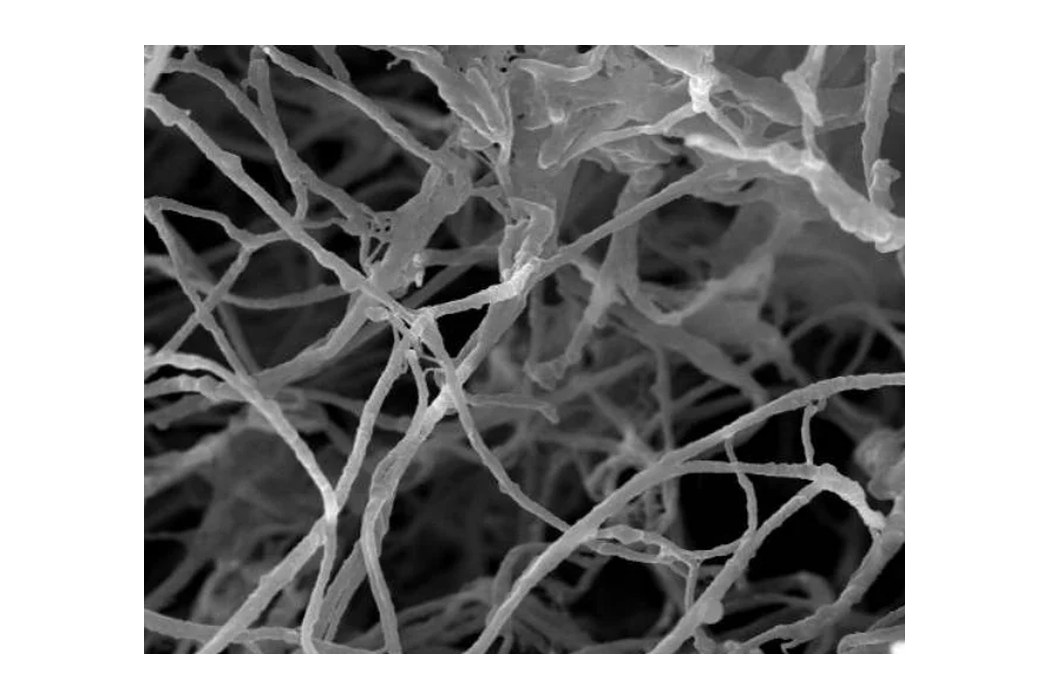
A tiny San Diego biotech turned the heart's natural scaffolding into an injectable material, survived the first human test, and then redesigned the delivery. The idea is elegant. Proving it works at scale is the expensive part.

Fount Bio, Inc.
Fount Bio is a Somerville, Massachusetts life-science company that builds long-lasting hyaluronic acid (HA) matrices directly inside living tissue. Its proprietary Flī-HA platform uses Nobel-Prize-winning bioorthogonal (click) chemistry to deliver HA building blocks that self-assemble in situ into a biostable, high-molecular-weight matrix - overcoming the delivery and degradation barriers that have long forced HA to be injected as pre-formed filler. The lead product, Flī-Derm, is a needle-free liquid for aesthetic dermatology that reduced fine lines and wrinkles in a blinded clinical study and won IMCAS 2024's Innovation of the Year. The tunable platform extends toward ophthalmology, joints, mucosal tissue and women's health.
Caralynn Nowinski Collens
Caralynn Nowinski Collens is a physician-turned-entrepreneur and the co-founder and CEO of Dimension Bio (formerly Dimension Inx), a Chicago biotechnology company building regenerative therapeutics that give the body a blueprint to heal itself. Its BioNidum platform fuses materials science, 3D-printing, and digital manufacturing to turn cells into implantable, tissue-like therapies. Before biotech, she spent eight years co-founding and running UI LABS, the innovation collaborative that launched MxD, the U.S. national hub for digital manufacturing. She trained as an M.D./MBA at the University of Illinois at Chicago and has been recognized on Crain's Forty Under Forty, Tech 50, and Notable Women in STEM lists.
Curi Bio
Curi Bio is a Seattle biotechnology company building human-relevant preclinical platforms for drug discovery. By combining human iPSC-derived cells, 3D engineered tissues, lab instruments, and AI/ML data analysis, it gives biopharma teams functional human data earlier in development - aiming to bridge the gap between animal/2D-cell models and the clinic across cardiac, skeletal muscle, metabolic, and neuromuscular diseases.
Andrei Georgescu
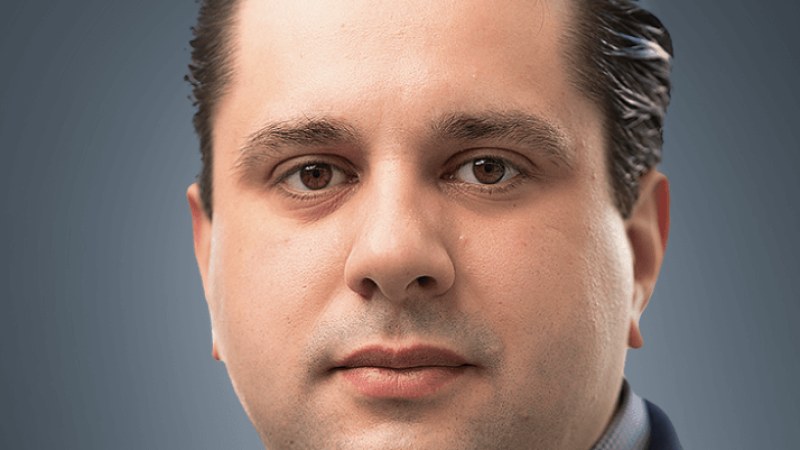
Andrei Georgescu is the co-founder and CEO of Vivodyne, a biotech company that grows human tissues in the lab and runs drugs through them with robots and AI before any human ever swallows a pill. A University of Pennsylvania bioengineering PhD who once sent lab-grown tissue to space with NASA, he started Vivodyne in 2020 because roughly 19 of every 20 drugs that work in animals fail in people. His pitch is blunt: test human medicine on human tissue, not on mice. In May 2025 Vivodyne raised a $40 million Series A led by Khosla Ventures to scale a 23,000-square-foot fully robotic lab in South San Francisco.

Morphocell Technologies
Morphocell Technologies is a Montreal-area regenerative medicine company building allogeneic, stem cell-derived engineered tissues to treat severe organ deficiencies, starting with the liver. Its lead program, ReLiver, is a transiently implanted engineered liver tissue made from induced pluripotent stem cells (iPSCs) intended to treat acute and acute-on-chronic liver failure without immunosuppression. Spun out of CHU Sainte-Justine in 2018, the company has raised US$50 million in Series A funding and runs vertically integrated operations spanning discovery, cell manufacturing and preclinical development.
Nicholas Geisse
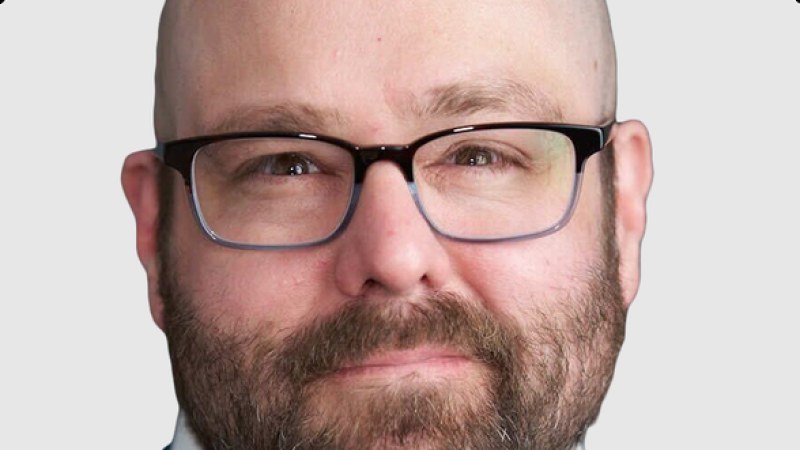
Nicholas Geisse is the CEO of Curi Bio, a Seattle biotech building human-relevant tissue platforms that make lab-grown muscle and heart cells behave more like the real thing. A Cambridge-trained pharmacologist who learned to wire up tiny instruments in Kevin Kit Parker's cardiac engineering lab at Harvard, he spent years at Asylum Research selling and designing atomic force microscopes before joining Curi Bio as Chief Science Officer in 2017. He led development of the Mantarray 3D engineered-muscle-tissue platform and the company's NIH-backed R&D program, then stepped up to chief executive in 2023. His work has collected an Xconomy 'Big Idea' award, an SBA Tibbetts award, and an Edison Award.

Fork & Good, Inc.
Fork & Good is a Jersey City-based cellular agriculture company growing real meat from animal cells instead of whole animals. Founded by urban-farming entrepreneur Niya Gupta and cultivated-meat pioneer Gabor Forgacs, the company built a pilot factory that produces cultivated pork using a patented bioprocess centered on muscle cells and high-density bioreactors. Its goal is to reach price parity with commodity meat - targeting roughly $2 per pound - while using a fraction of the land and water of conventional farming. In 2025 it acquired California's Orbillion Bio to combine cultivated pork and beef under one global platform spanning North America, Europe, Asia and the Middle East.
Vincent Ling
Vincent Ling is the Chief Business Officer of Morphocell Technologies, a Laval-based regenerative medicine company building iPSC-derived engineered tissues to treat severe organ dysfunction, starting with liver disease. A biotech and pharma veteran of three decades, he spent 12 years at Takeda's Center for External Innovation, where he identified and backed the Kariko-Weissman mRNA platform out of the University of Pennsylvania - the science that became the first COVID mRNA vaccines and earned the 2023 Nobel Prize. He has held leadership roles at Genetics Institute, Adnexus Therapeutics, and Neurotech Pharmaceuticals, and advises the Gates Foundation and academic institutions.