systems-engineering
(21)
The Consultancy That Refuses to Leave at the PowerPoint
Morson Praxis has folded several specialist firms into one engineering consultancy with a blunt promise: define the problem, design the answer, then stay for delivery. Its work stretches from 29,000 railway bridges to the tooling around a four-passenger electric aircraft.
The Software Company Asking Linux to Show Its Work
Codethink built a consultancy by fixing the plumbing beneath cars, medical devices and financial systems. Its bolder project is to make open-source software acceptable where a bug can become a safety case.
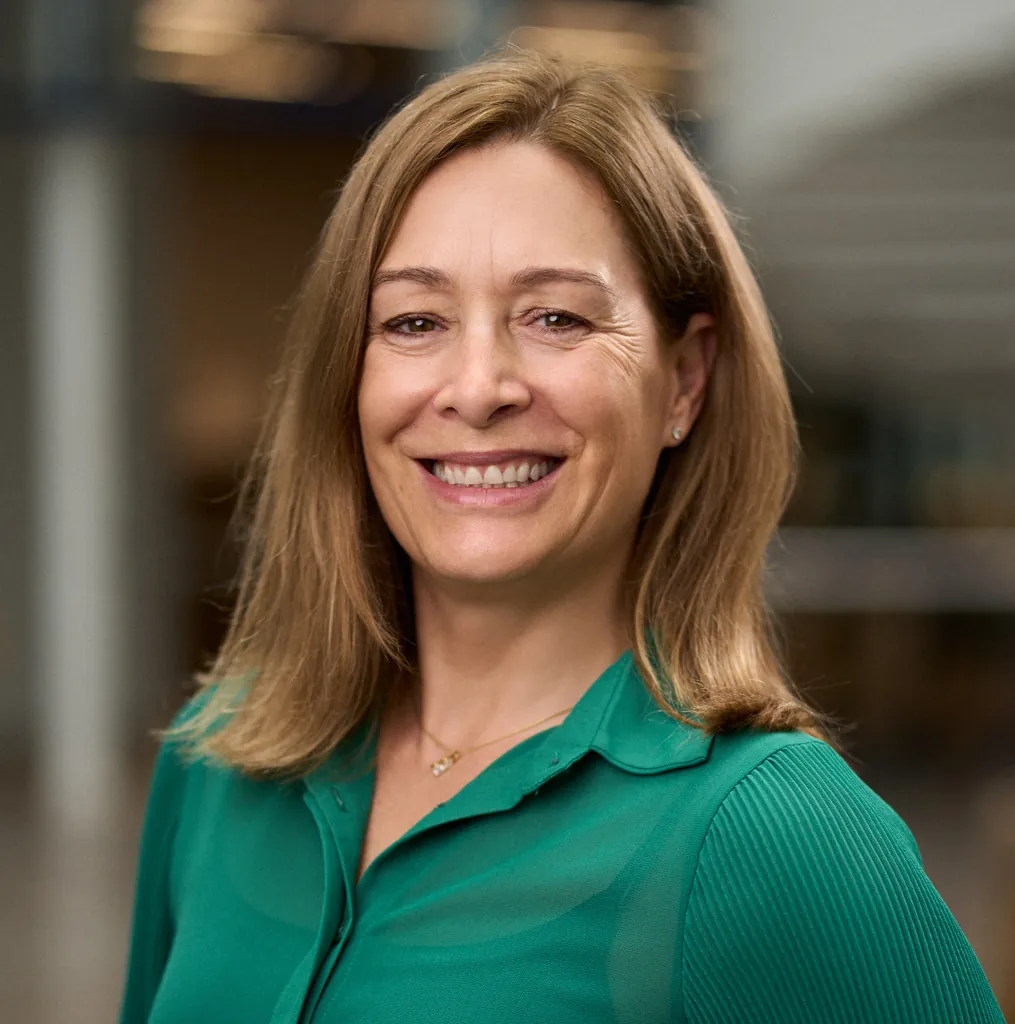
Debbie Umbach Put an Engineer's Question at the Center of Marketing: Why?
The M-Files CMO learned to speak before every thought felt perfect. Now she is teaching a global marketing team to question the machine, measure the outcome, and keep the people in the system.
Aras fired its sales team and made the software free. Airbus came calling.
The Andover software maker spent seven slow years selling PLM the usual way. Its 2007 reset - free software, paid certainty, and customizations that survive upgrades - turned a near-stall into an enterprise foothold.

The 70-Day Hardware Sprint: Motivo Built a Company for the Projects Everyone Else Calls Impossible
Motivo puts mechanical engineers, coders and fabricators under one roof, then hands them the sort of brief that makes a normal vendor ask for another quarter. Its real product is not a robot, tractor or aircraft part - it is a faster way to make hard technology real.

Moustapha Tadlaoui Built a Career Around the Sentence Before the Software
Before code can be tested, shipped or certified, somebody has to decide what it should do. Moustapha Tadlaoui has made a career out of that deceptively difficult first step.
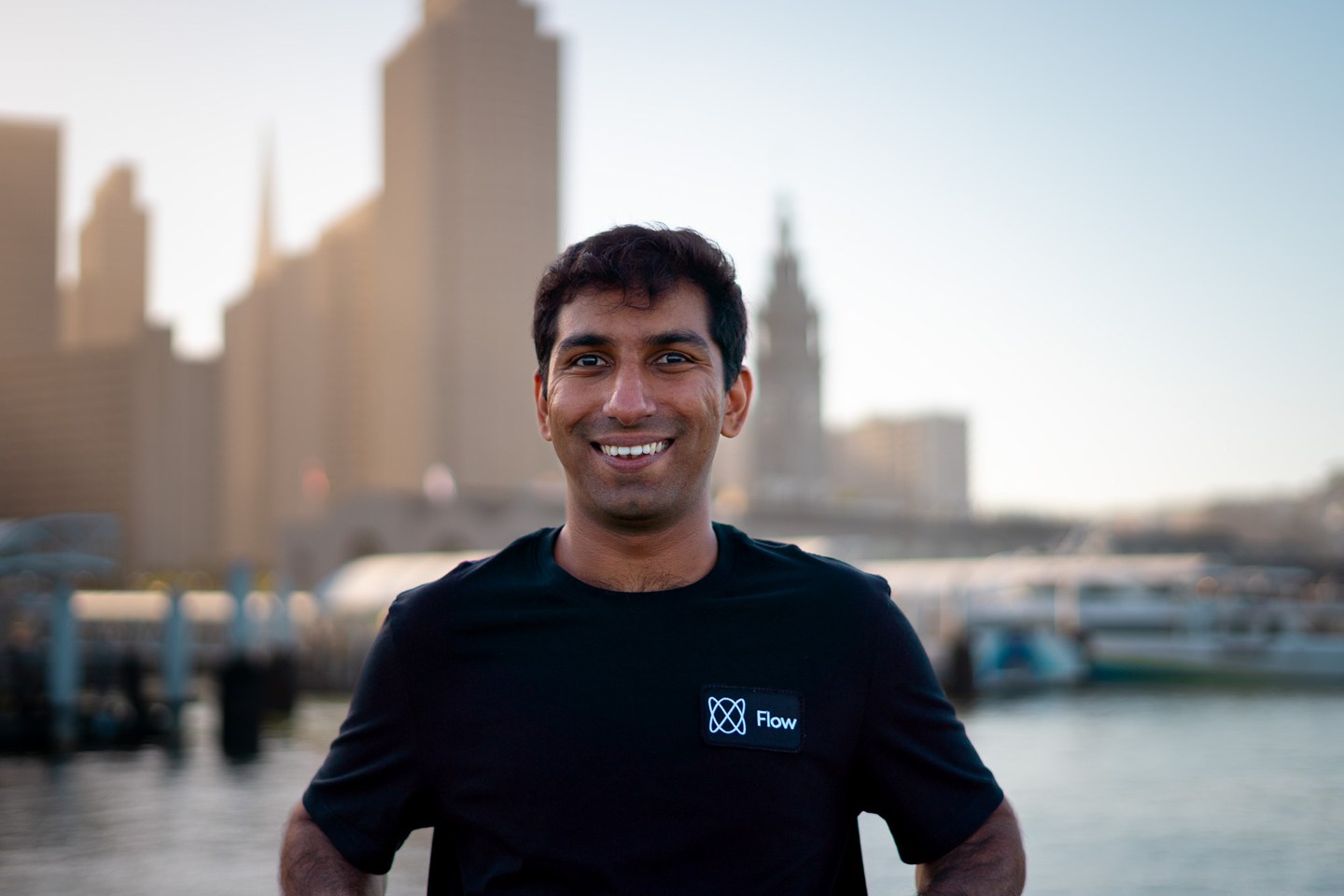
Pari Singh Wanted to Build Rockets. He Ended Up Rewiring How Engineers Build Everything
A rocket-company detour taught Pari Singh that hardware's real bottleneck was not the engine. It was the way people, requirements and decisions moved around it.

Melissa Teran Built Robots. Now She Is Teaching IVF Software to Earn Trust.
The Alife CEO spent a decade learning how complex clinical technology reaches the real world. Her second act turns that operating discipline into software for an industry where evidence matters more than a clever demo.
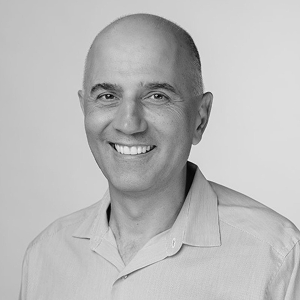
Evan Petridis Is Teaching AI to Respect the Hardware
After a career spent making networks, sensors and embedded systems behave outside the lab, the ModelCat CEO is betting that AI’s next useful trick is learning the limits of the machine beneath it.
SAIC
SAIC is the technology company hiding in plain sight behind American missions - stitching cloud, AI, cyber and engineering into systems where failure is measured in more than lost clicks.

AMTI
AMTI rarely appears in the passenger journey, yet its engineers have spent decades inside the systems that guide aircraft and turn federal data into public facts. The company’s story is a lesson in the durable, unglamorous technology that government cannot simply switch off.

Elad Ferber
Elad Ferber is the CEO and co-founder of Synthpop, a healthcare AI company that uses multi-agent automation to handle the administrative work behind patient care - referrals, prior authorizations, eligibility checks, documentation, and claims. A former Israeli Air Force Talpiot cadet and systems engineer with a Stanford MBA, Ferber previously co-founded the remote patient monitoring startup Spry Health, which was acquired by ZOLL Itamar in 2021. Founded in 2023 with CTO Jan Jannink, Synthpop has raised $23 million to date and pitches its AI as a labor solution that compresses 40-minute back-office tasks into under a minute.

Flow Engineering
Flow Engineering builds an AI-native requirements and systems-engineering platform that lets complex hardware teams design, build, test, and iterate at software speed. At its core is a connected 'systems graph' that keeps requirements, CAD, code, simulations, tests, and certification artifacts in one live system of record - with AI agents running impact analysis and keeping everything aligned. Founded by mechanical engineer Pari Singh, Flow is used by companies like Rivian, Joby Aviation, Astranis, Stoke Space, and Figure, and raised a $23M Series A led by Sequoia in October 2025.
Visure Solutions
Visure Solutions is a specialized requirements management and Application Lifecycle Management (ALM) software company founded in 2002. Its all-in-one Visure Requirements ALM Platform helps teams in safety-critical and business-critical industries - aerospace and defense, automotive, medical devices, railways, energy and finance - capture, trace, verify and manage requirements alongside test management, risk management, change management and standards compliance. In recent years Visure has layered AI across the platform, launching the Vivia virtual assistant and an 'Engineering Intelligence' MCP server that lets AI agents work inside governed engineering workflows.
CREAN®
CREAN, Inc. is an Austin, Texas-based aerospace engineering and Smart Factory company that supplies hands-on engineering services and manufacturing-optimization programs to space, defense, and commercial clients. Founded in 2002 by James and Jennifer Crean, the firm fields teams of aerospace subject-matter experts who help customers move systems from concept through full-scale production while modernizing factory operations. CREAN is also developing CelestNet, a proposed lunar communications and navigation network, following its 2023 acquisition of Aquarian Space.
James Crean
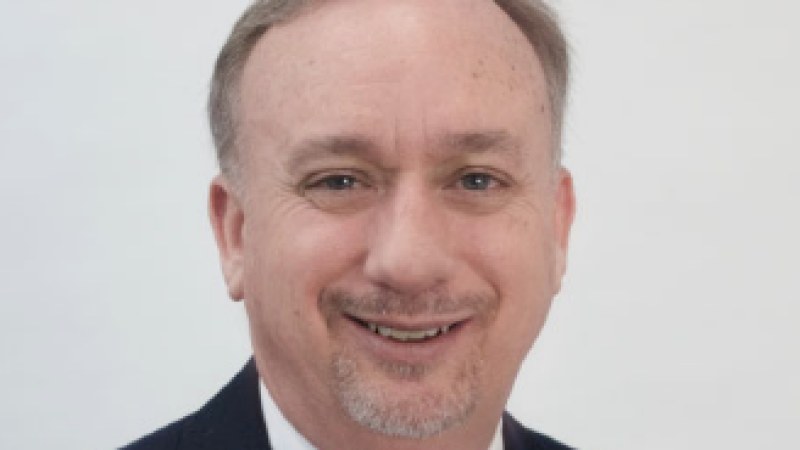
James Crean is the co-founder and Chief Visionary Officer (also serving as President/CTO) of CREAN Inc, an Austin, Texas aerospace engineering and smart factory firm he started in 2002 with his wife Jennifer. A former satellite systems engineer and program manager at Hughes Space & Communications and Boeing - where he worked on DirecTV, NASA's TDRSS and other communications and weather satellites, and built the Lean Six Sigma group for Boeing Satellites - Crean now leads a team of 600-plus aerospace and defense engineers and champions CREAN's AI-enabled Smart Factory Operating System (SFOS), which aims to make American high-mix manufacturing fast, flexible and competitive enough to bring production home from overseas.
Oluwasoga Oni
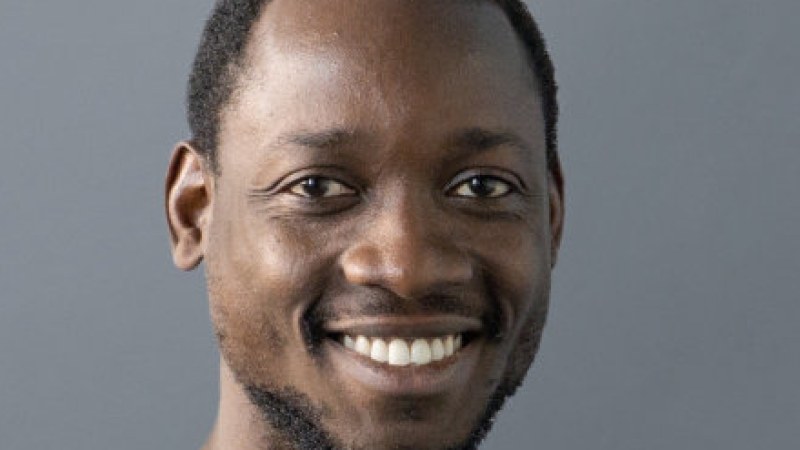
Oluwasoga Oni is the CEO and co-founder of MDaaS Global, the Nigerian healthtech company behind BeaconHealth Diagnostics, one of the country's fastest-growing diagnostic clinic networks. A software engineer turned MIT systems-engineering graduate, Oni grew up watching his father run a hospital in small-town Ondo State without the equipment he needed. He turned that memory into a company that started by importing refurbished medical machines and pivoted into building its own diagnostic centers, performing tens of thousands of tests and expanding across Lagos and underserved Nigerian cities. In 2026 the MIT Africa Business Club named him the recipient of its inaugural Alumni Impact Award.

Carolyn Mooney
Carolyn Mooney is the co-founder and CEO of Nextmv, a Philadelphia-based developer platform for building, testing, and deploying decision models - everything from vehicle routing to staff scheduling. A systems engineer by training, she ran missile simulations at Lockheed Martin, optimized pizza deliveries at Zoomer, and led Grubhub's systems engineering team before deciding the messy gap between data science and operations needed its own discipline. She calls it DecisionOps. In May 2026, FICO acquired Nextmv, vindicating the bet she and co-founder Ryan O'Neil made that optimization deserved the same engineering rigor as software.

Margo Naray
Margo de Naray is the Chief Executive Officer of Solestial, Inc., a Tempe, Arizona-based space solar power startup pioneering radiation-hardened, ultrathin silicon solar cells that self-cure radiation damage at low operating temperatures. Appointed CEO in May 2025 following the company's $17M Series A funding round, she brings 20 years of cross-industry leadership spanning aerospace (Astra Space), agribusiness (Cargill), and semiconductor manufacturing (Intel). Solestial's technology promises to slash the cost of spacecraft solar arrays by roughly 90% compared to incumbent III-V multijunction technology, using automated manufacturing and widely available silicon to make reliable space-grade solar power accessible at scale.

Cindy Sridharan
Cindy Sridharan is a distributed systems engineer, O'Reilly author, and influential technical writer based in San Francisco. Known online as @copyconstruct, she wrote the seminal O'Reilly book 'Distributed Systems Observability' and runs the Systems Distributed newsletter on Substack. She is widely respected for her long-form thinking on observability, testing in production, microservices architecture, and engineering culture. She spent years as an engineer at imgix, led the Prometheus user group in San Francisco, and has spoken at major industry conferences including QCon and GOTO. Her Medium essays on monitoring, testing, and systems thinking have shaped how a generation of engineers thinks about building resilient software.

Xe Iaso
Xe Iaso is a technical educator, open source founder, conference speaker, Twitch streamer, and VTuber based in Ottawa, Canada. The CEO of Techaro and creator of Anubis - the open-source anti-AI-scraper tool now protecting GNOME, FFmpeg, Linux kernel archives, and UNESCO - Xe built a cult following of 400+ blog posts that mix deep systems engineering with irreverent philosophy. Known for pioneering developer relations teams at Tailscale and Fly.io, and for coining their own title 'Archmage of Infrastructure,' Xe is the rare technologist who turned shitposting into a career strategy and made it work.