sustainable-construction
(8)
Ciinova built a showroom you can work inside
In Querétaro, a construction company made its own headquarters a demonstration of sustainable building. Today, its catalogue puts the same practical ambition into storage units, classrooms and modular homes.
The Company Under Canada’s Roofs Is Turning Membranes Into a Climate Data Business
SOPREMA spent decades making the layers nobody sees. Now the Drummondville manufacturer is making those layers legible - with local factories, trained installers, carbon data and a growing stack of services around the building envelope.
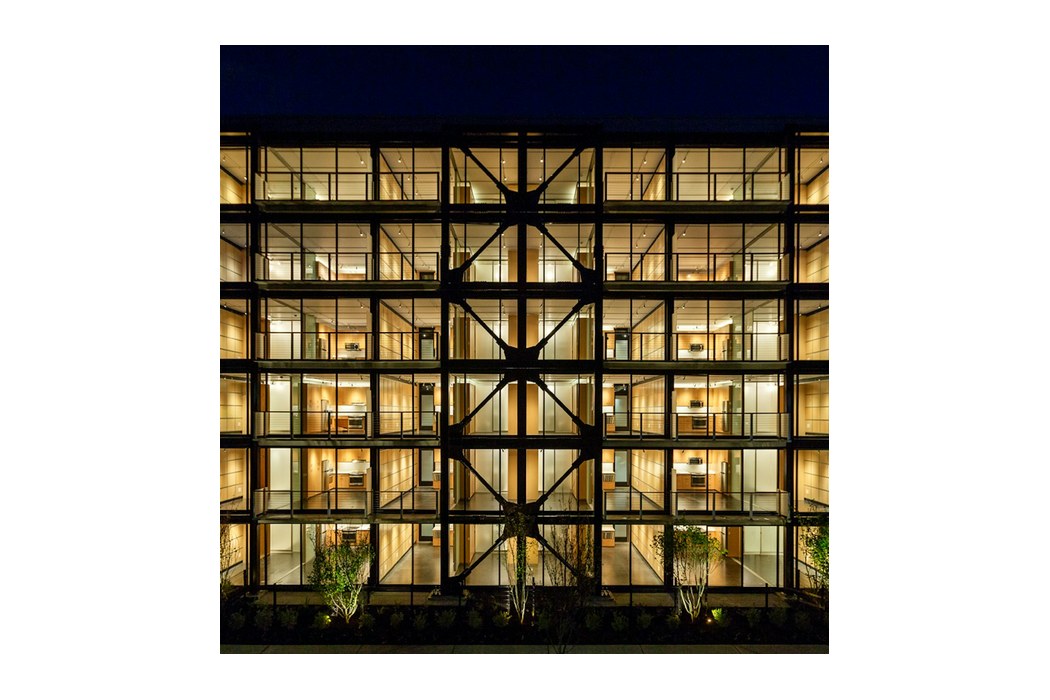
They Tried to Build Apartments Like Airplanes - Then the Construction Site Fought Back
Sustainable Living Innovations spent 16 years turning apartment towers into a kit of parts. Its Seattle buildings prove the hardware works - and its bruising flagship reveals why fixing construction takes more than a factory.
The Concrete Company Teaching Seawalls to Grow a Pulse
Ports and coastal cities already have to pour concrete. ECOncrete charges a premium to make that concrete useful to oysters, fish and engineers - then argues the habitat can pay for itself in permits, durability and avoided mitigation costs.

Meritage Homes
The Scottsdale builder made energy efficiency standard equipment instead of a luxury upcharge - and used it to close more than 15,000 homes a year.

Holcim
Holcim is trying to turn the oldest ingredients in construction into a newer kind of business - one that sells lower-carbon materials, recycles yesterday’s buildings and captures the emissions its kilns cannot yet avoid.

Alquist 3D
Alquist 3D is a Greeley, Colorado-based construction technology company that uses robotic 3D concrete printing to build homes, commercial buildings, and infrastructure. Founded in 2020 by Zachary Mannheimer, the company completed one of the first 3D-printed Habitat for Humanity homes in the U.S. and printed an ~8,000-square-foot addition to a Walmart in Athens, Tennessee - billed as the largest 3D-printed commercial structure in the country. In late 2025 it announced a landmark deal to print more than a dozen Walmart and retail buildings, positioning itself to commercialize 3D concrete printing at national scale.
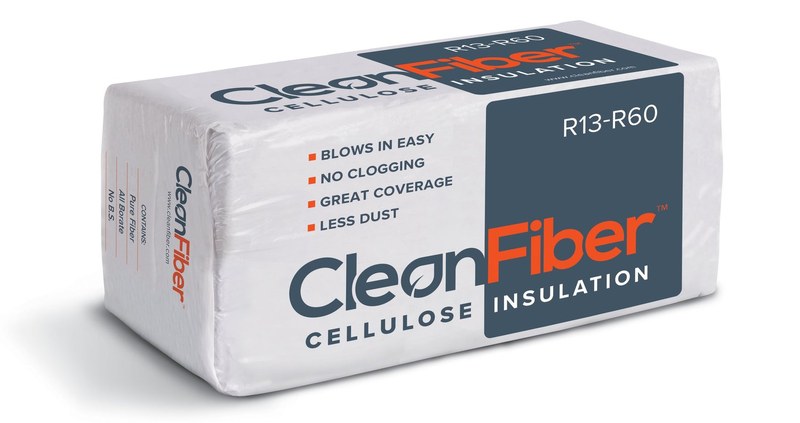
CleanFiber
CleanFiber makes high-performance, carbon-negative cellulose building insulation from recycled corrugated cardboard. Using a proprietary wet separation and liquid borate infusion process, it produces a cleaner, lower-dust insulation that performs better than legacy newsprint-based cellulose. Based in Buffalo, New York, the company has scaled rapidly since opening commercial production in 2020 and was named the #1 fastest-growing manufacturing company in America on the 2024 Inc. 5000.