stanford-alumni
(14)
Kathy Hannun Went Looking for a Moonshot. She Found It Under the Lawn.
The founder of Dandelion Energy has spent nearly a decade making an old technology behave like a modern product. Her bet is that the next household energy revolution begins with a narrow hole, a loop of pipe and the steady temperature of the earth.
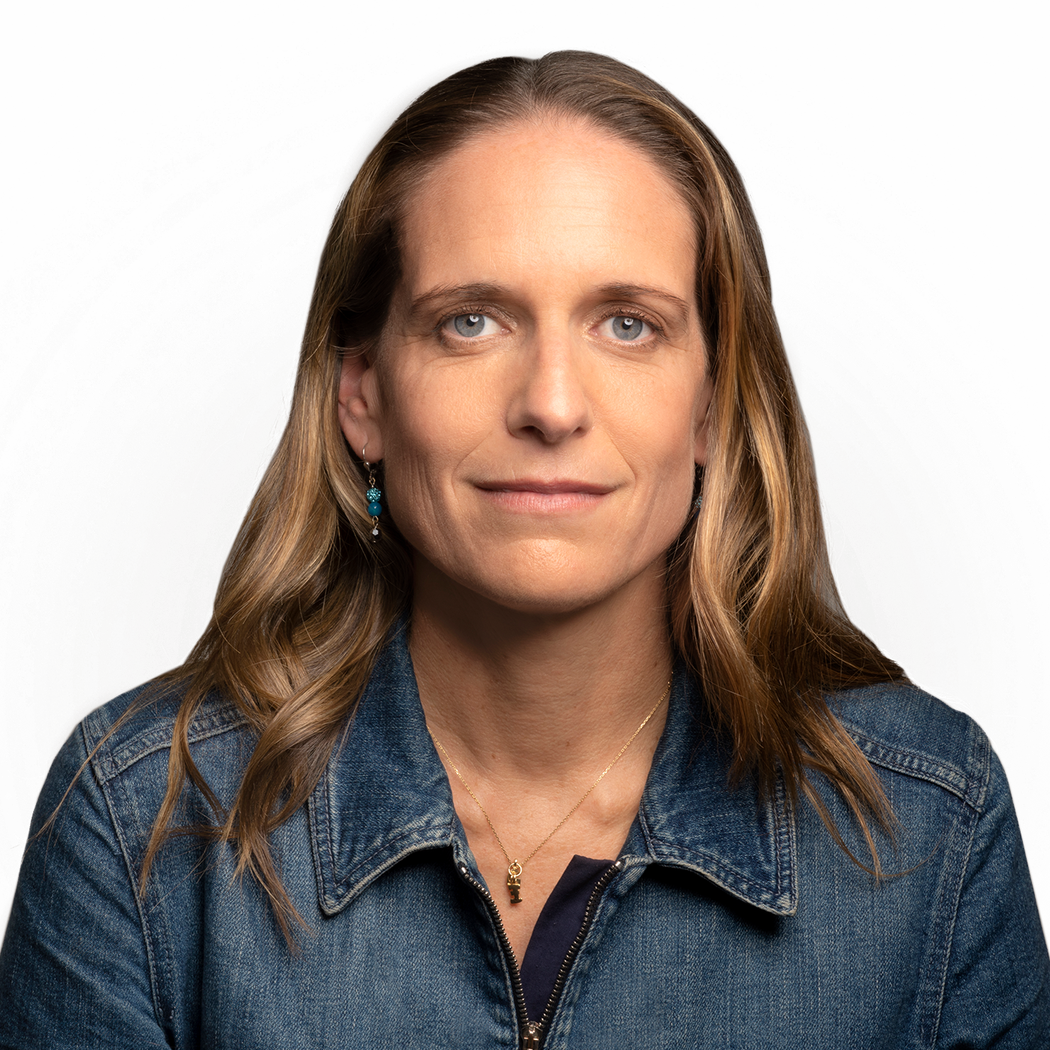
Colleen Wachob Built the Business Behind the Feeling
Before mindbodygreen sold courses, products and live experiences, Wachob learned the unforgiving arithmetic of retail. Her quieter achievement was turning that discipline into a company built on trust.
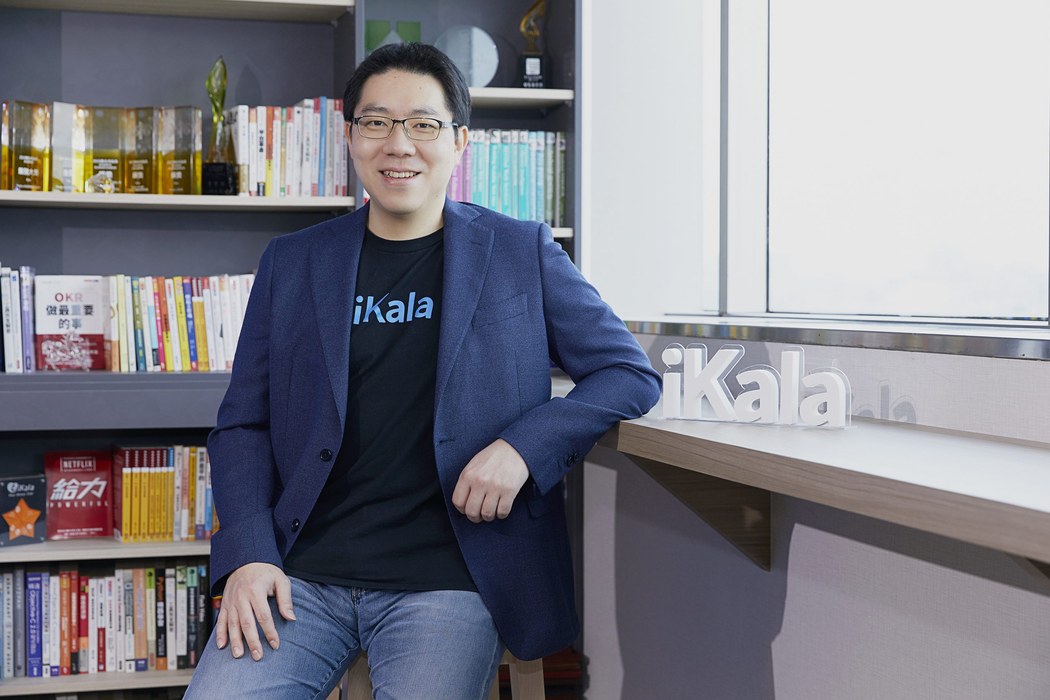
Sega Cheng Left Google to Build the Company That Could Survive Him
He traded a coveted engineering career for a karaoke startup, then rebuilt it around cloud, data and AI. The enduring project was never a single product. It was learning how to change without losing the plot.
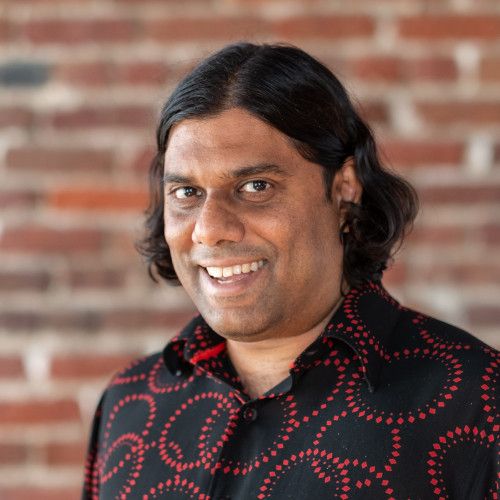
Arvind Sundararajan and the Long Road to Invisible Complexity
Before AI agents became a product category, Sundararajan had already spent two decades hiding hard systems behind simple interfaces - from Gmail and AdSense to autonomous vehicles and Abacus.AI.

George Carollo Lost Product-Market Fit. Then He Went Looking for It Again.
Dover climbed to roughly $15 million in recurring revenue, fell to $1.8 million when the hiring market turned, and found a second life in a four-month experiment. Its co-founder learned that rebuilding a company can require letting go of the company you thought you had.

Rohan Shah and the Expensive Little Moment After Checkout
A failed first startup taught Rohan Shah to study the machinery of large companies. Then a fantasy-football joke became Extend, a serious bet on everything retailers used to neglect after the sale.
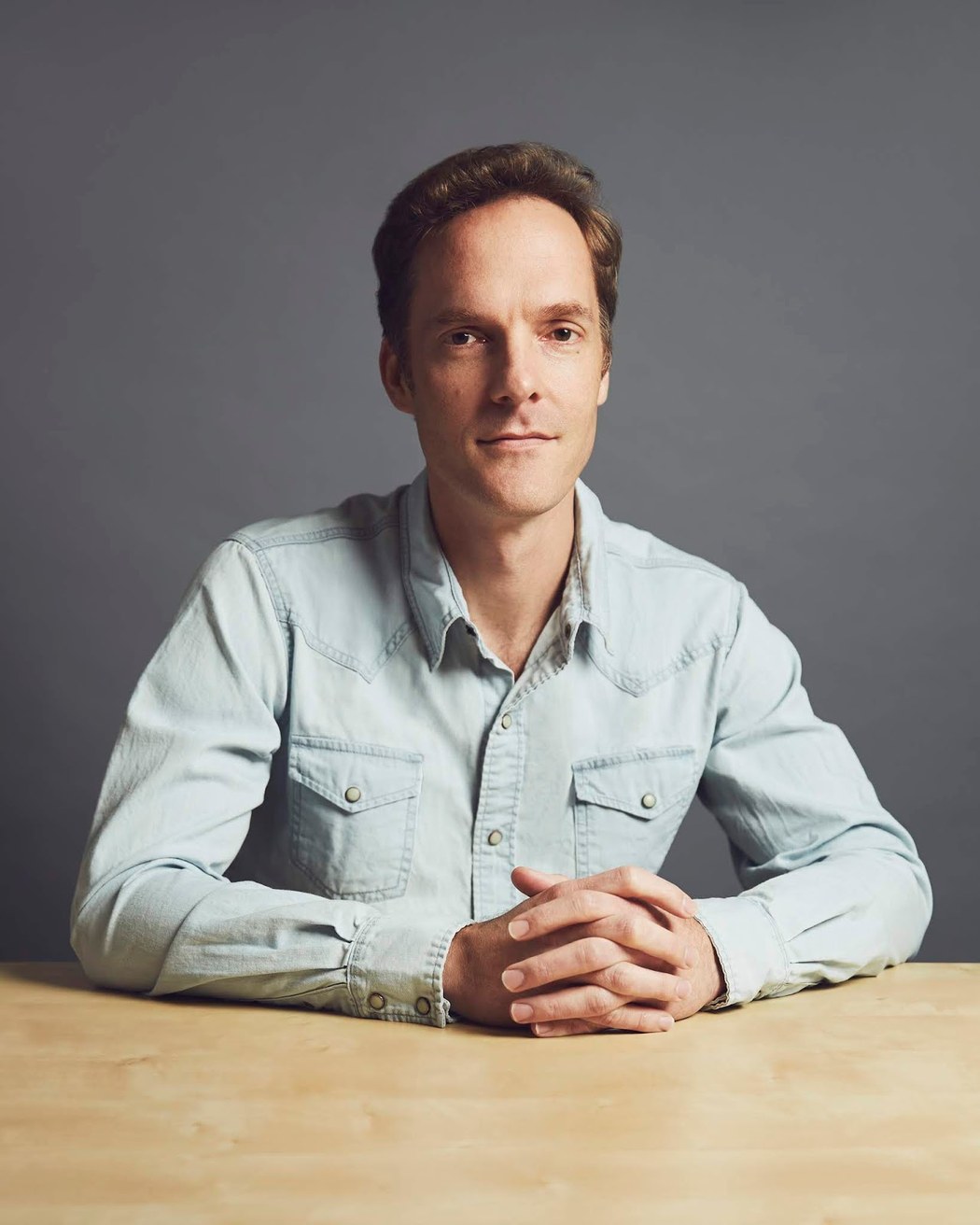
Adam Bowen and the Problem of a Perfectly Designed Idea
A foam prototype became a category-defining device, a $38 billion company and a case study in what happens when elegant design escapes the intentions of its designer.

Jon Toor Has Spent Four Decades Making Storage Sound Urgent
Before AI needed data lakes, Jon Toor was already translating hard drives, virtualized I/O and object storage into reasons to care. His career is a lesson in staying with one difficult industry long enough to watch its quiet machinery become the main event.

Ian Coe Is Making Fake Data Useful - and Real Data Less Dangerous
After Palantir and Tableau, Ian Coe built Tonic.ai around a stubborn idea: developers should get realistic data without getting the secrets inside it.

Bobby Ferrario’s Retail Playbook: Curiosity, Empathy, and the Customer in the Room
At Talbots, Bobby Ferrario is pairing a heritage red door with a digital-first brief. His route there - from Gap and bebe to New York & Company and Orchard Brands - reveals a practical philosophy: protect the relationship, then modernize the experience.
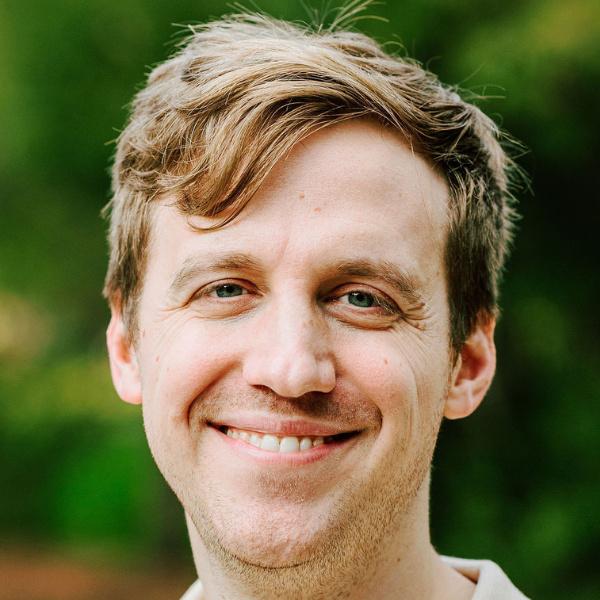
Andrew Adams Is Building the Boring Machinery That Makes Care Work
He studied stories and systems, then built a company around the paperwork everyone else avoided. Inside Andrew Adams's playbook: narrow the problem, earn trust, and keep rewriting the operating manual.

Tyler Fallon Is Building the Person You Call Before the Contractor
After years helping software companies turn payroll into a product, Tyler Fallon moved one question upstream: before a homeowner hires anyone, who helps them decide what actually needs doing? Casa is his two-person answer.
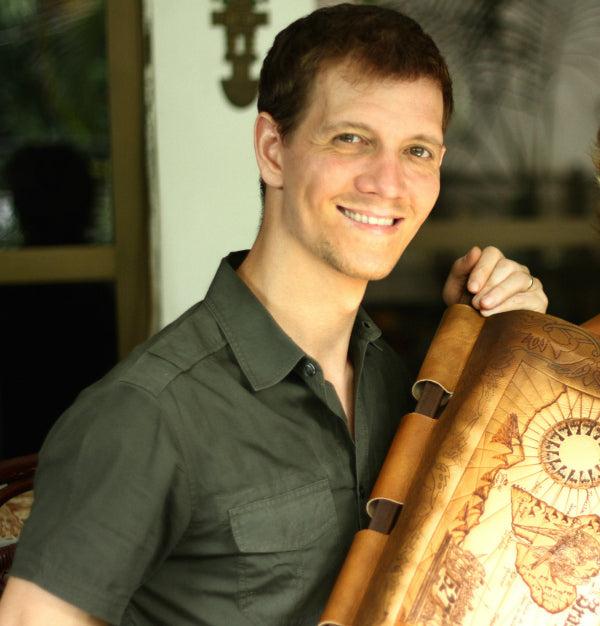
Roberto Milk Built a Marketplace Where the Maker Keeps the Story
A Stanford dorm-room idea became a global experiment in fairer commerce. Roberto Milk’s enduring insight was simple: let artisans set the price, sign the work and remain visible in the sale.
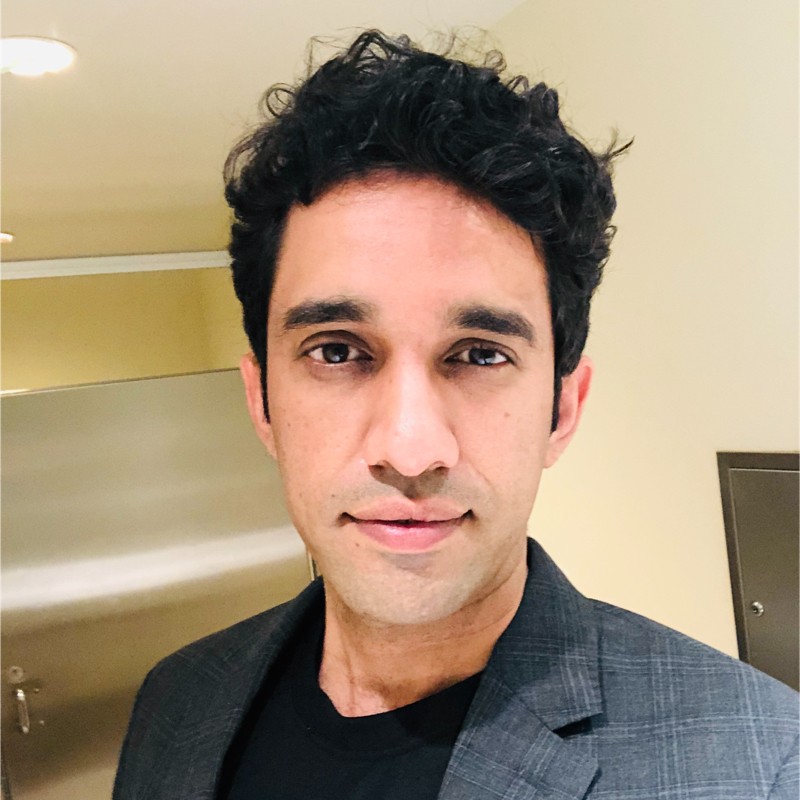
Babar Ahmed
Babar Ahmed is the Co-Founder and CEO of Mindstorm Studios, Pakistan's pioneering independent mobile game studio behind 1 billion+ downloads and global chart-toppers like Hexa Sort. A Stanford-trained electrical engineer who quit a Silicon Valley circuit engineering career to return to Pakistan and build a gaming company from the ground up, he has transformed a startup funded by his father into a 150-person studio with 2 million daily active users, while also co-founding M-Labs (a game development accelerator) and serving as head of strategy at AppLovin's Lion Studios.