software-defined-networking
(11)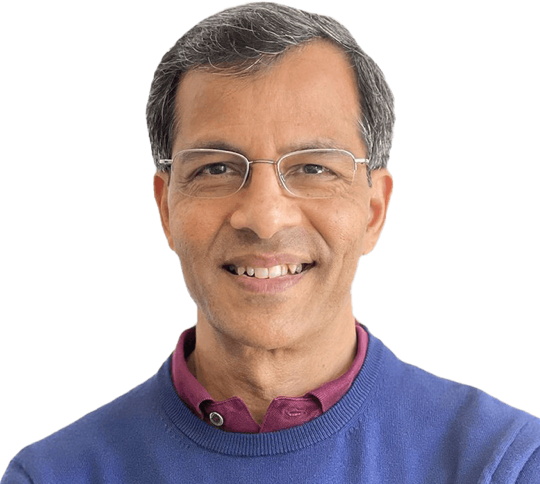
Shekar Ayyar Is Betting the AI Boom on the Part Nobody Sees
After helping VMware turn strategy into more than 60 deals, Shekar Ayyar chose a smaller stage and a harder problem: freeing networks from the boxes that contain them. Now AI is making his once-technical argument feel rather urgent.
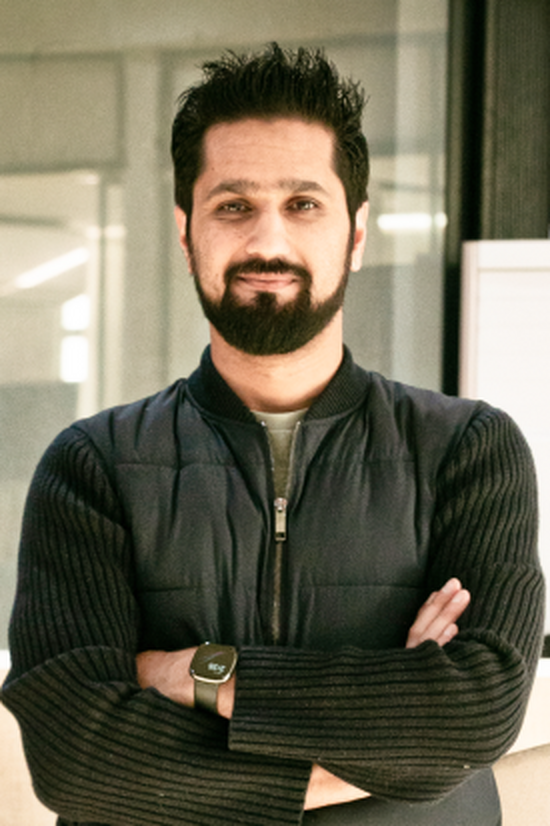
Abdullah Shah Builds for the Moment After the Demo
Before reliability became a boardroom word, Abdullah Shah was measuring controllers, engineering failure recovery and turning infrastructure into code. Now, at Xgrid, he is applying the same instinct to cloud platforms and durable AI workflows.
Vishal Shukla
Vishal Shukla is the co-founder and CEO of Aviz Networks, a San Jose-based company building an AI-first, vendor-agnostic networking platform on top of the open-source SONiC operating system. A networking veteran with more than 20 years of experience, he previously held leadership roles at Cisco, IBM, Mellanox (NVIDIA), and Nortel. He holds 25-plus granted patents, has authored books on SDN, OpenFlow and OpenStack, and wrote 'Deciding the Future: Building New Networks for the AI Era.' Under his leadership Aviz raised a $17M Series A in November 2024 (roughly $31M total), backed by investors including Cisco Investments and Qualcomm Ventures.
Cisco Systems
Cisco Systems is an American multinational technology company and the world's largest maker of networking hardware. Founded in 1984 by two Stanford computer scientists, it builds the routers, switches, silicon, security, and software that route much of the world's internet traffic. Today Cisco is repositioning around AI infrastructure, cybersecurity, and observability - anchored by its 2024 acquisition of Splunk - while remaining the default backbone for enterprise, service-provider, and government networks.
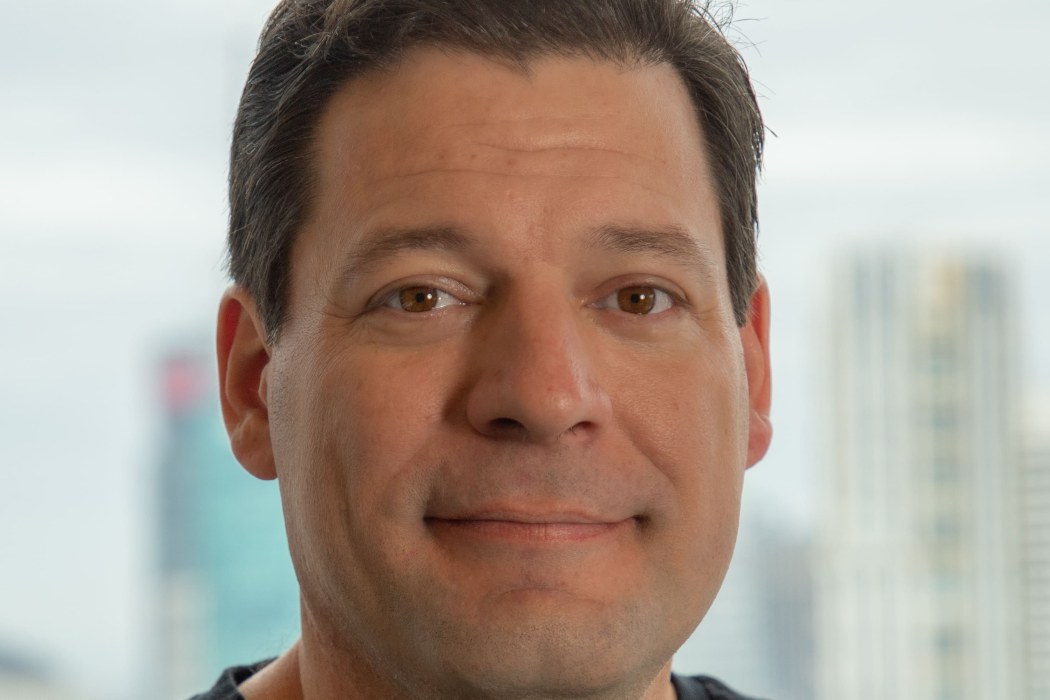
Jasson Casey
Jasson Casey is the CEO and cofounder of Beyond Identity, a New York-based identity security company that builds passwordless, phishing-resistant multi-factor authentication designed to make identity-based attacks impossible. An engineer with a PhD from Texas A&M and more than two decades in security and networking, Casey has held senior technical leadership roles at IronNet Cybersecurity and SecurityScorecard, founded the software-defined networking ventures Flowgrammable and Compiled Networks, and served as a cybersecurity fellow at CSIS. He now argues that flaws in identity systems, not passwords alone, are the root cause of modern breaches and that cryptographically device-bound credentials are the way to stop phishing, credential theft, and AI deepfakes at the source.

Megaport
Megaport is an Australian network-as-a-service company that lets enterprises spin up private, high-speed connections between data centers and the major public clouds in minutes rather than months. Through a software-defined network spanning more than 1,100 enabled data centers across some 30 countries, Megaport replaces the fixed contracts and manual provisioning of traditional telecom with on-demand, elastic bandwidth billed by the hour. Its platform - centered on Virtual Cross Connects, the Megaport Cloud Router and Megaport Virtual Edge - connects over 4,000 customers to AWS, Microsoft Azure, Google Cloud, Oracle and hundreds of other providers. Listed on the ASX as MP1, the company is now extending from connectivity into compute as it builds toward a globally distributed AI inference cloud.

Allied Telesis
Allied Telesis is a global networking infrastructure company that designs, manufactures, and supports wired and wireless products - switches, routers, firewalls, wireless access points, transceivers, and the software that manages them. Founded in Japan in 1987, it builds resilient, standards-based networks for governments, schools, hospitals, transportation systems, and smart cities, with a focus on automation (its Autonomous Management Framework), reliability, and supply-chain security.
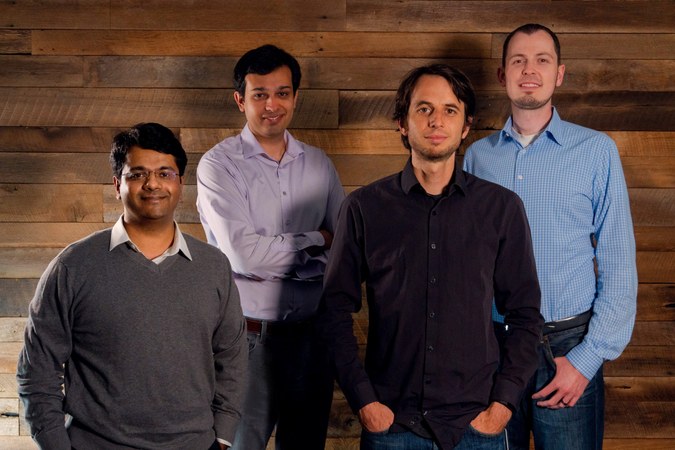
Peyman Kazemian
Peyman Kazemian is the co-founder of Forward Networks, a Santa Clara-based enterprise software company that builds mathematically accurate digital twins of complex networks. His PhD dissertation at Stanford - which became the foundational Header Space Analysis framework - won the NSDI 2024 Test-of-Time Award and directly spawned a company now trusted by Fortune 50 enterprises and U.S. government agencies. A graduate of Sharif University of Technology in Tehran and Stanford's electrical engineering department under Prof. Nick McKeown, Kazemian helped develop OpenFlow and SDN before turning his research into a business that has raised over $140 million to transform how enterprises understand, secure, and manage their networks.
Michael Reid
Michael Reid is the CEO and Executive Director of Megaport, a global Network-as-a-Service platform operating across roughly 1,000 data centers in 26 countries. A Brisbane-born aerospace engineer turned tech sales leader, Reid spent 15 years at Cisco - most recently as CRO of ThousandEyes, where he grew ARR by 2.4x and scaled the team from 150 to nearly 400 people. Since taking Megaport's helm in May 2023, he has led the company to its first-ever profit after tax (FY24), grown Customer Lifetime Value 50% year-on-year to $2.1 billion, and repositioned Megaport as the backbone for AI-era enterprise connectivity.
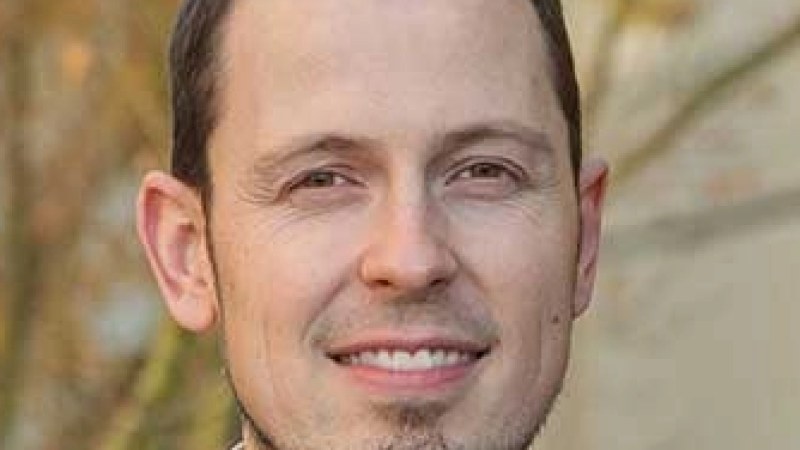
David Erickson
David Sterling Erickson is the CEO and co-founder of Forward Networks, a Santa Clara-based company that pioneered the network digital twin. A Stanford PhD in Computer Science and one of the original architects of Software Defined Networking (SDN), Erickson co-founded Forward Networks in 2013 with three fellow Stanford PhD graduates to give enterprises mathematically accurate, real-time models of their networks - enabling visibility, compliance verification, and security posture management across complex multi-vendor environments. Under his leadership, Forward Networks has raised over $140M in funding, achieved 139% ARR growth, and serves marquee customers including Goldman Sachs, PayPal, and Telstra.
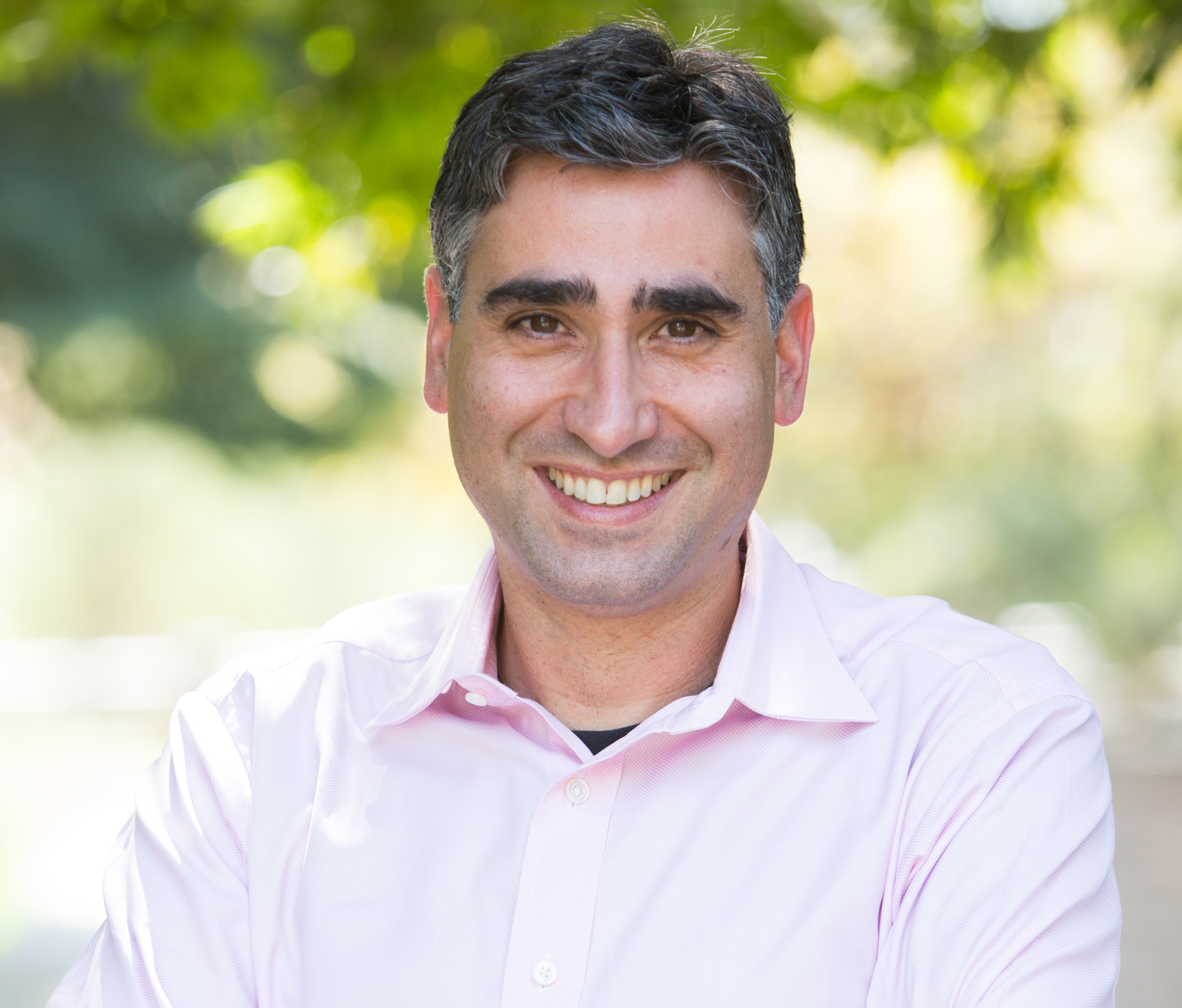
Martin Casado
Martin Casado is a general partner at Andreessen Horowitz leading the firm's infrastructure practice. A Spanish-born computer scientist and entrepreneur, he pioneered software-defined networking (SDN) by inventing the OpenFlow protocol during his Stanford PhD. He co-founded Nicira Networks, which VMware acquired for $1.26 billion in 2012, where he then scaled the networking and security business to $600 million in annual revenue. An ACM Grace Murray Hopper Award winner, Casado now invests in cutting-edge infrastructure and AI companies, serving on boards of over a dozen startups while shaping the future of enterprise technology and AI regulation policy.