santa-monica
(32)
RPA and the Forty-Year Handshake
RPA was born to keep one car account. Four decades, one painful breakup and several improbable comebacks later, the Santa Monica independent has turned client continuity into its sharpest competitive weapon.

RazPR Learned to Speak Robot Before Hollywood Needed a Translator
Karen Raz built a boutique agency around a stubbornly useful skill: translating technical breakthroughs into stories that creative people actually want to hear. Nearly three decades later, the niche has become the center of media and entertainment.

The PR Agency That Shops the Shelf Before It Pitches the Story
BLAZE PR built a national consumer agency around a surprisingly physical habit: go to the store, eat at the restaurant, fix the shelf - then decide what story deserves attention.

Farmacy Agency sold a small business something big: senior judgment
Susan Emmer’s boutique agency offered smaller businesses vice president level marketing talent. Its niche in conscious brands reveals a useful question: who makes a good product believable?

JCI Worldwide knows who people listen to
A California communications firm built its practice around community groups, contested policy, and the people who can make a message travel. Its energy campaigns show what that looks like on the ground.

Harmonica gives a good story more than one job
A countertop garden, a cauliflower pizza and a jar of honey reveal how this agency works: find a reason to believe, then put it to work across the buying journey.

Bricolage wants to give togetherness a floor plan
A Santa Monica design workshop moves between apartment buildings, rain barrels, and homes for living alone together. The common question: what should we share, and what should we keep to ourselves?

Sailing Marketing wants your brand promise to survive the unboxing
For Chinese companies going abroad, Sailing Marketing treats branding as a company-wide job. The revealing part of its pitch is what happens between the advertising and the delivery.

Below The Radar made the crowd bigger. The studio stayed small.
A Santa Monica effects boutique filled digital stadiums, built a car commercial inside a computer, and repaired a location after demolition. Its most interesting production decision was how little company it wanted to become.

JSA+Partners sells the story beyond the product
A card game becomes an entertainment story. An esports tournament becomes a business story. Inside the communications agency that helps brands give outsiders a reason to care.

Victoria King PR Knows a Beautiful Hotel Needs a Better Story
From revived California motels to Swiss village hideaways, Victoria King Public Relations finds the details that give travel editors a reason to care. Its business is built on a selective roster and close attention to the property behind the pitch.

BLACK + GOLD knows a photograph needs somewhere to go
Elizabeth Waterman’s creative studio connects the shoot to the social feed, the book launch and the gallery wall. Its most revealing work starts with people, then gives their pictures a job.
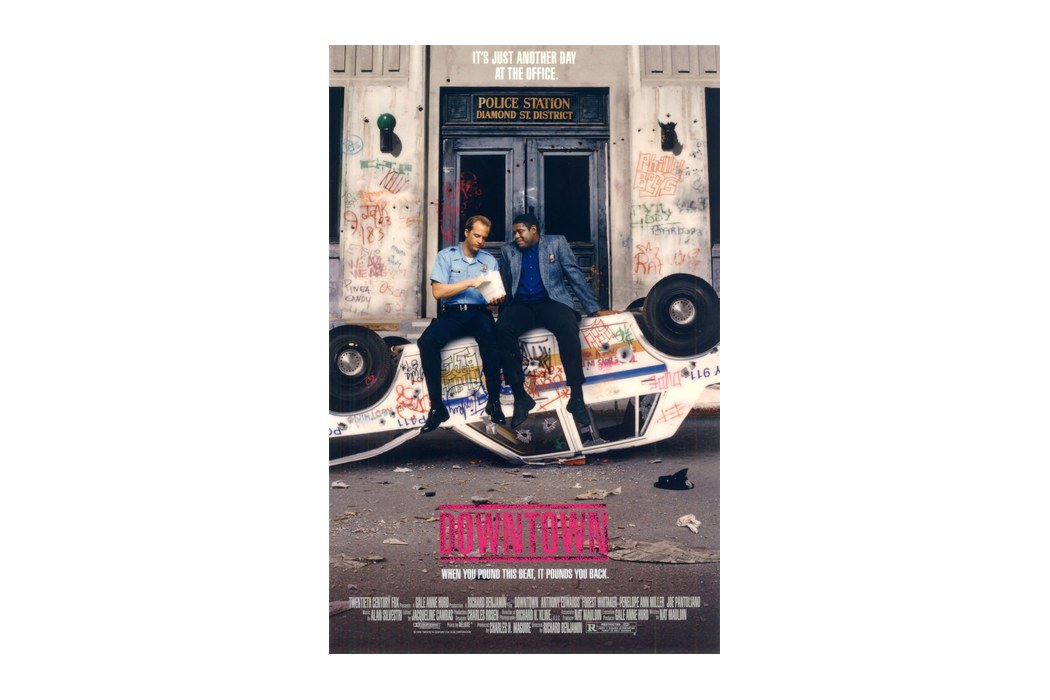
B.D. Fox & Friends Sold Hollywood One Image at a Time
A knife became a pumpkin. A bat became a promise. Inside the Santa Monica agency whose movie posters made a business out of leaving something to the imagination.

The Startup Betting It Can Turn Locked-Up Venture Bets Into Cash - Without a Fire Sale
Venture investors are sitting on trillions in gains they cannot spend. Turbine's pitch: borrow against the position instead of dumping it at a discount.

The Quiz App That Ate 90% of American Schools Just Changed Its Name
Two Indian engineers built a math game nobody could keep fed with content. So they handed the tools to teachers instead - and accidentally built one of the most-used classroom platforms on Earth.

The Firm That Buys Companies Nobody Wants - and a Football Club Everybody Watches
Clearlake turned a distressed-debt strategy into a $90 billion machine by fixing unglamorous companies - then bought a Premier League club to prove the point.

The Firm That Turned $26 Million Into a Billion, One Concentrated Bet at a Time
It runs a small firm out of Santa Monica, writes a handful of checks a year, and once turned a $26.5 million CrowdStrike stake into a billion-dollar return. Here is how March Capital plays venture capital like a concentration bet.

The Santa Monica Lab That Builds Companies Like an Assembly Line
Most venture firms wait for founders to knock. Science builds the company first, then writes the check - and the method has turned razors, canned water and robo-advising into billion-dollar exits.

Finality Capital
A Santa Monica firm that has been quietly backing blockchain builders since 2018 - before it had a fund - now runs venture, liquid, and credit strategies on a single conviction: the next internet gets settled onchain.

ProProfs
The bootstrapped software company that turned a free online quiz into a 15-million-user suite for training employees and keeping customers happy.

Stipop
Stipop is a sticker infrastructure company that lets any app add a searchable library of 150,000+ stickers with a single line of code, through its API and SDK. Founded in Seoul by roommates-turned-cofounders Tony Park and Daniel Cho, it grew a marketplace of thousands of global artists, powered sticker features for Google, Microsoft Teams, Canva and Adobe, and joined Snap's Yellow accelerator and Y Combinator (S21). It has since expanded toward monetization tools for character-IP creators and AI chat products.
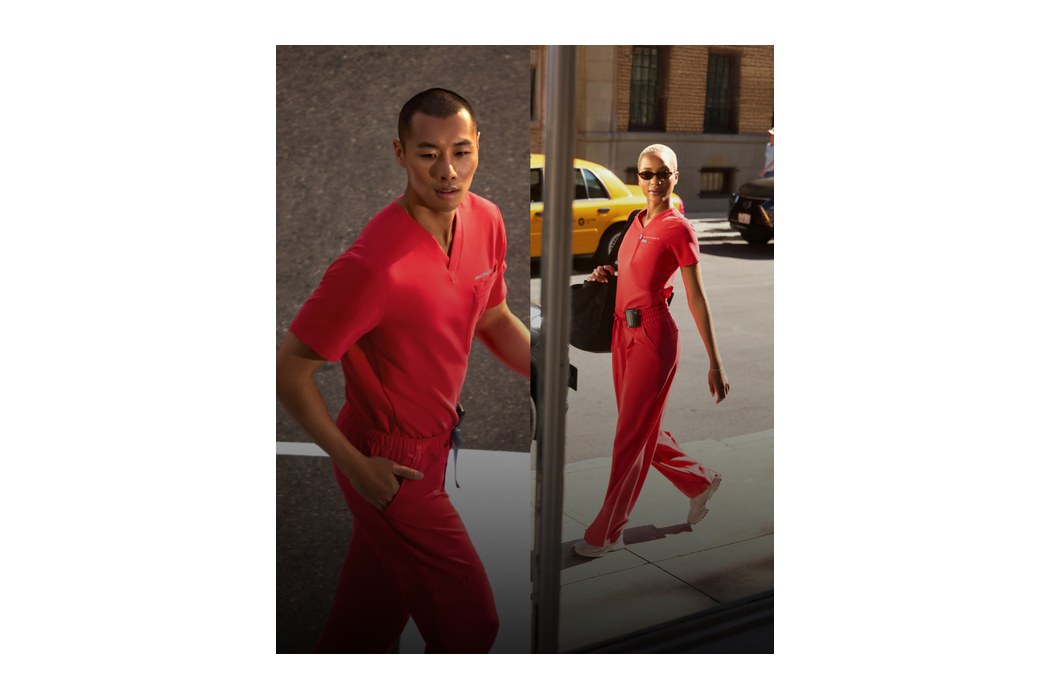
FIGS
FIGS is a direct-to-consumer healthcare apparel brand that reinvented the medical scrub. Founded in 2013 by Heather Hasson and Trina Spear, the Santa Monica company sells comfortable, technical scrubs, lab coats, footwear and lifestyle wear made from its proprietary FIONx fabric, sold almost entirely online to nurses, doctors and other healthcare professionals. FIGS reached $631 million in revenue in 2025, serves roughly 2.9 million active customers, and trades on the NYSE under the ticker FIGS after a landmark 2021 IPO.

LiveControl
LiveControl is a Santa Monica-based company that turns any venue into a broadcast studio without an on-site crew. It combines proprietary PTZ camera hardware and an encoder with cloud software and a nationwide network of professional videographers who remotely pan, tilt, zoom, switch angles, and produce live events - for houses of worship, funeral homes, schools, theaters, conferences, and corporate clients. Founded in 2018 and backed by a $30M Series A led by Coatue, LiveControl produces tens of thousands of professionally streamed events each year at a fraction of the cost of hiring a traditional production team.

Quantum Energy Square
Quantum Energy Square is a Venice, California-born food brand that makes plant-based energy bars engineered to replace the energy drink. Each square pairs 100mg of caffeine from organic green coffee with 10g of plant protein and balanced macronutrients from fruits, nuts and seeds, so the caffeine releases slowly for steady, no-crash energy. Founded by Daniel Medvene and Leah Marquez after 200-plus recipe iterations, the company sells direct-to-consumer and through Whole Foods, Sprouts, REI and Thrive Market, and is the official energy bar of IRONMAN and Rock 'n' Roll Marathon events.

Quinn
Quinn is a Santa Monica-based audio erotica platform - often described as a 'Spotify for erotica' - that turns intimate, narrative-driven stories into 15-to-20-minute immersive audio experiences. Founded by Caroline Spiegel and built primarily for women and underserved audiences, Quinn pairs a creator-driven content marketplace with an ever-growing roster of professional voice actors and Hollywood celebrities. With roughly 300,000 users, over 900,000 TikTok followers, and around $5M in annual recurring revenue, it has reframed adult content around imagination, storytelling, and discreet listening rather than the visual mainstream.

Homecourt
Homecourt is a luxury home and personal care brand founded in 2022 by actress Courteney Cox and beauty-industry veteran Sarah Jahnke. It applies beauty-grade standards to everyday household products, selling non-toxic, plant-based, fine-fragrance cleaning sprays, candles, body care and laundry products through its own site and retailers including Nordstrom, Bluemercury, Revolve and Amazon. The company raised an $8 million Series A in October 2025 led by CULT Capital after doubling revenue every year with a famously tiny team.

Rain
Rain is a Santa Monica fintech that lets employees tap the wages they've already earned before payday. It plugs directly into employer payroll and time-and-attendance systems to calculate real-time earnings, then pairs instant access with budgeting tools, free tax filing, financial coaching, an AI financial assistant and a debit card. Since 2019 it has reached over 3.5 million workers and moved more than $2 billion in wages, positioning earned wage access as an employer benefit that cuts turnover and financial stress.

Ticketure
Ticketure is a cloud-based, mobile-first ticketing, point-of-sale, and membership platform built specifically for museums, zoos, aquariums, gardens, and high-volume visitor attractions. It unifies advance and on-site ticket sales, timed entry, memberships, donations, and visitor data into one connected system, helping cultural institutions grow revenue and understand their audiences. Spun out of TixTrack as a standalone company in July 2025 with backing from Dahlia Equity Partners, Ticketure processes over 200 million visits and $1.5B+ in tickets annually for more than 100 institutions worldwide.
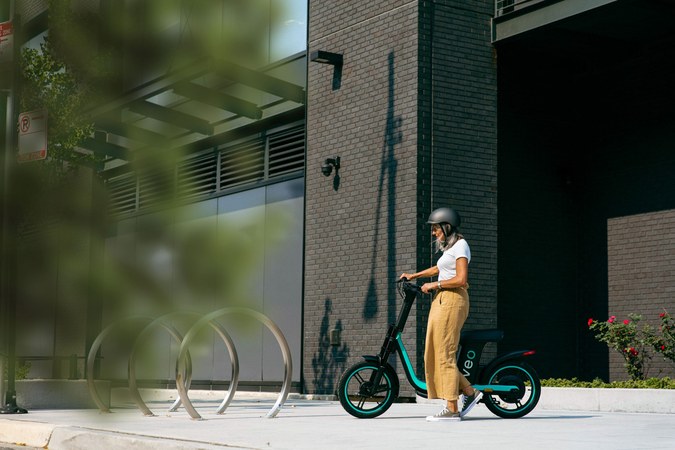
Veo
Veo is a Santa Monica-based shared micromobility company that designs, manufactures and operates electric scooters, e-bikes and cargo bikes for cities and university campuses across North America. Founded in 2017 by Purdue graduates Candice Xie and Edwin Tan, Veo built the industry's most diverse vehicle fleet through an in-house design team and became the first profitable shared micromobility operator in the U.S. Rather than chasing growth at any cost, Veo bet on deliberate expansion, exclusive city and campus contracts, and durable, purpose-built vehicles - a strategy that delivered unadjusted EBIT profitability in 2024 while many better-funded rivals retreated.

WonderHowTo Network
WonderHowTo Network is a Santa Monica-based digital media company that helps curious people learn how to do almost anything. Founded in 2006 by former TV executive Stephen Chao and technologist Michael Goedecke, it began as a search engine and directory for instructional how-to videos and grew into a network of specialized brands - Gadget Hacks, Null Byte, Next Reality, Food Hacks Daily and more - covering smartphones, white-hat hacking, augmented reality and everyday DIY. At its peak the network reached roughly 12 million monthly unique visitors.