san-francisco-founder
(99)
George Carollo Lost Product-Market Fit. Then He Went Looking for It Again.
Dover climbed to roughly $15 million in recurring revenue, fell to $1.8 million when the hiring market turned, and found a second life in a four-month experiment. Its co-founder learned that rebuilding a company can require letting go of the company you thought you had.
Ranjan Reddy and the Price of a Stranger’s Face
He sold his first startup after barely a year. Then he spent the next decade chasing a harder question: how can the internet know whom to trust without making honest people prove themselves at every door?
Rome Portlock and the Six-Week Rewrite
An MIT engineer, three nurses in the family and a startup idea that did not work. Rome Portlock turned that unpromising combination into a new rule for hospital hiring: let employers make the first move.
Alex Shevchenko Built a Second Draft Into the Internet
He began by catching copied essays. Then he helped turn the anxiety of a blinking cursor into a product used around the world. Now Grammarly's co-founder is working on a larger question: what should software do before we ask?

Jeffery Liu Put the Messiest Part of Healthcare on Speakerphone
A rejected demo, a borrowed Chicago workspace and one stubborn operating idea turned a former hospital volunteer into the product half of a $1.2 billion healthcare AI company.

Justin Levine Put Construction Insurance on a Different Set of Blueprints
He learned risk from the contractor’s side, sold one construction software company, then returned with a sharper question: what if insurance could see how a jobsite actually works?

Min Pyo Hong Learned to Break Software. Then He Built a Company Around Finding the Cracks First.
The SEWORKS founder turned childhood curiosity, competitive hacking and one successful exit into a durable idea: software gets safer when its defenders learn to think like attackers.
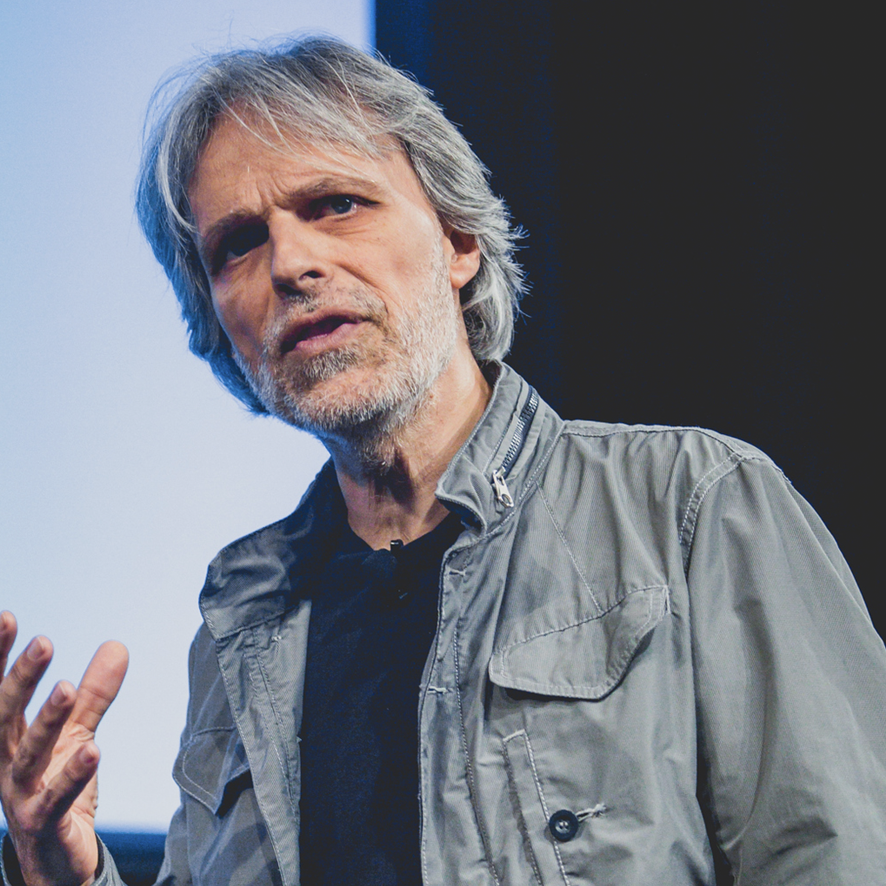
Pep Gubau Bet on AI Before Pharma Wanted to Hear About It
A two-week internship taught him what he did not want. Four decades, two exits and one stubborn bet later, Pep Gubau is still trying to make industrial data useful where every decision needs a paper trail.
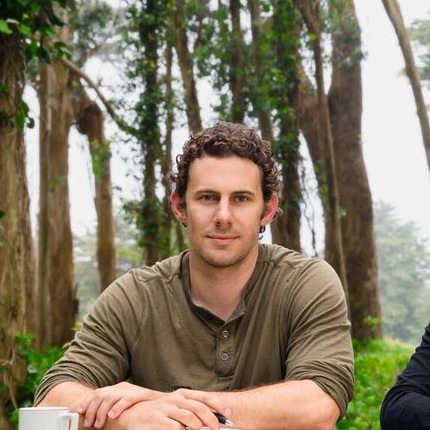
John Peterson Built a Company to Rescue Your Weekend. Then the Deal Vanished.
For eight years, John Peterson and his sister built The Nudge around a charmingly stubborn idea: a phone could help people leave their phones. Its final chapter became a candid lesson in community, product taste and the peril hidden inside a signed term sheet.
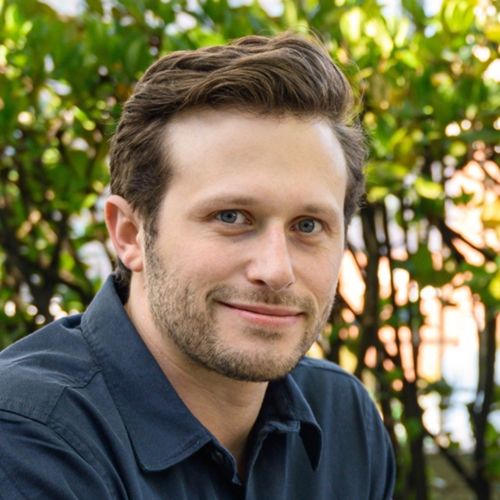
Jordan Katz Went Looking for a Problem Nobody in Silicon Valley Wanted
He left familiar software behind, learned insurance accounting one reluctant interview at a time, and built Comulate around an unfashionable advantage: paying very close attention.
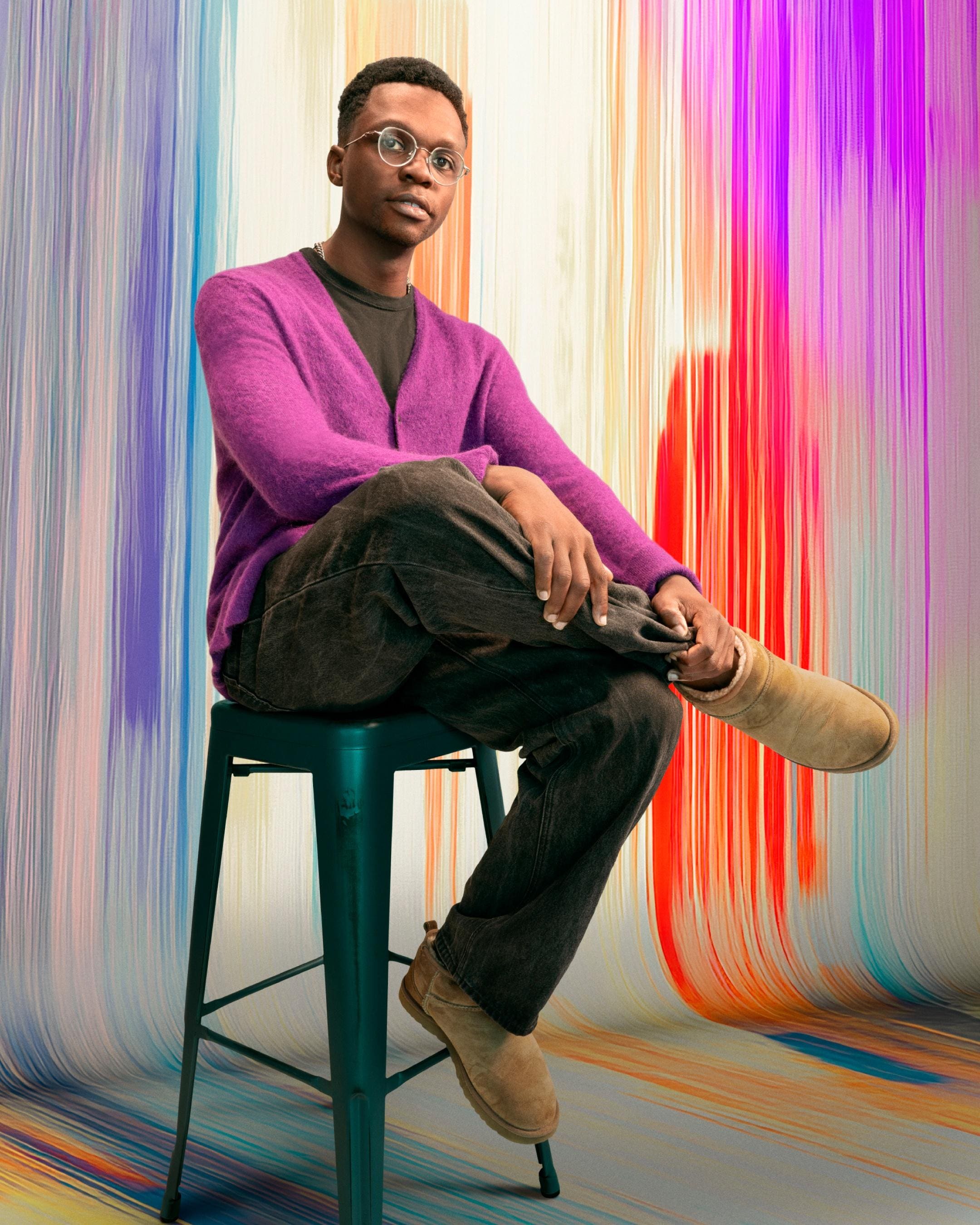
Jordan Taylor Is Teaching AI to Respect the Sketch
The Vizcom co-founder began with car sketches, eight months of savings and one viral Reddit post. His bet now is that AI can accelerate the messy middle of design without taking the pencil out of the designer's hand.
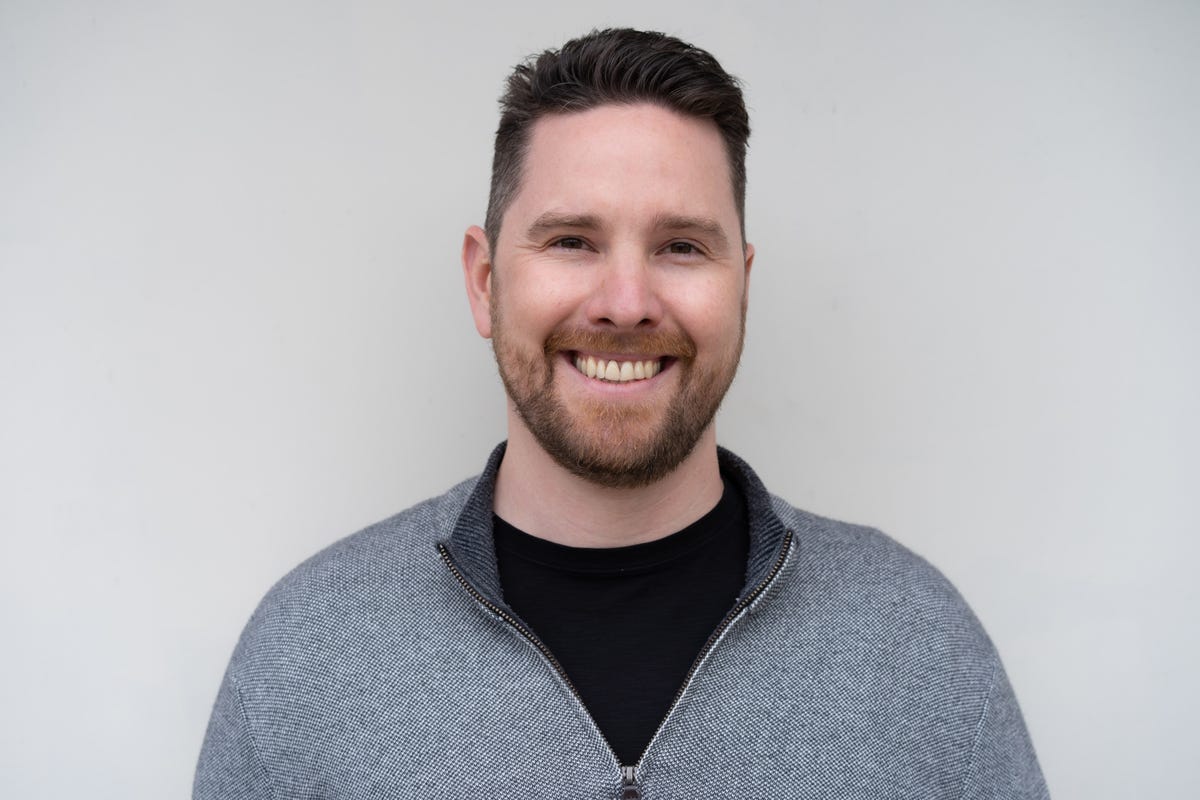
Nick Allen Turned a Sunday Ritual Into a Company
Before Sunnyside was an app, it was a weekly plan, a few text messages and a founder paying close attention to what people actually did.
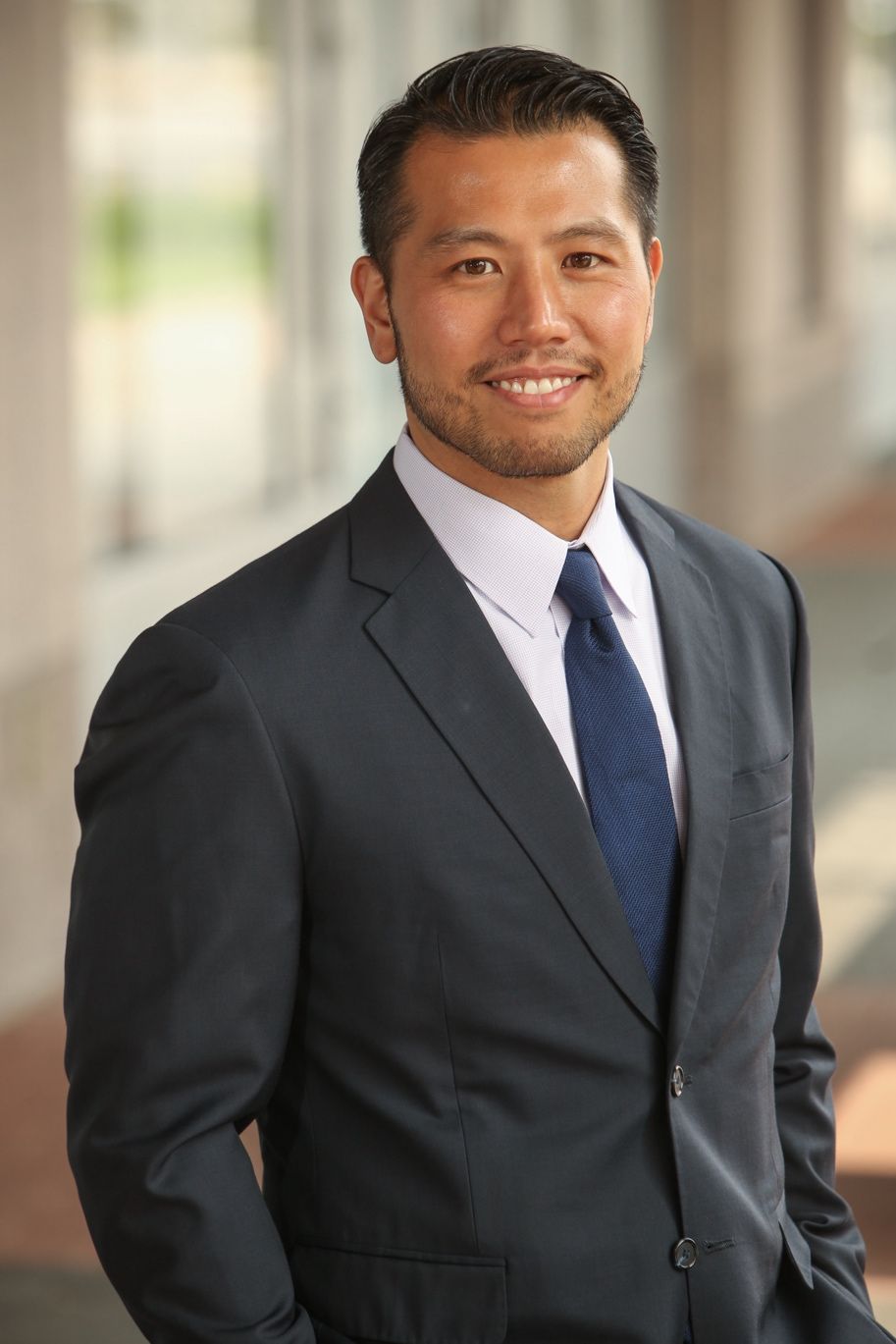
Jeffrey Chen Is Betting That Boring Discipline Can Fix Commercial Auto
After consulting, enterprise software, two exits and three CEO seats, Jeffrey Chen has chosen one of insurance's least forgiving problems - and a playbook built around saying no.
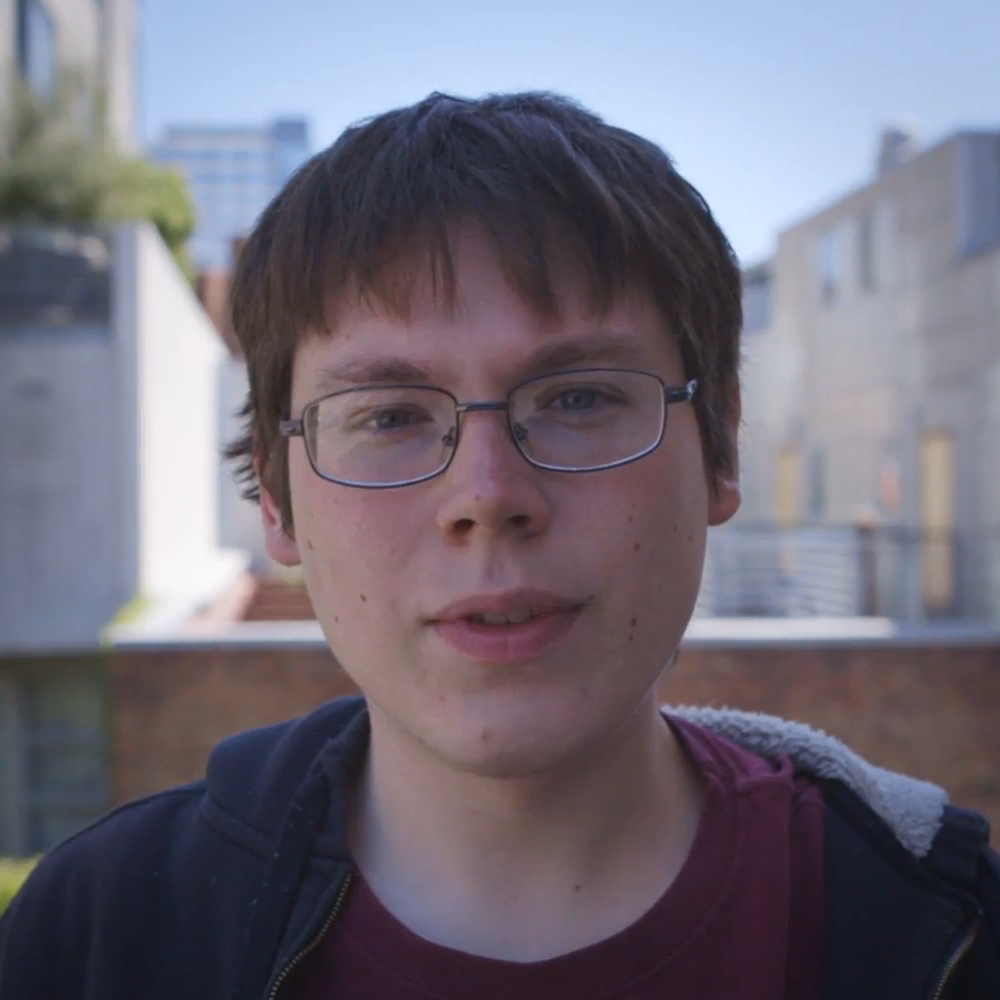
James Blaha Turned a VR Prototype Into a Decade-Long Company
A programmer entered eye care with a prototype, listened when clinicians dismantled his assumptions, and stayed long enough to turn an unusual VR experiment into research infrastructure.

John Kim’s Bet: Let AI Do the Chasing, and Let People Make the Match
Paraform’s co-founder spent midnight-to-lunch shifts in a university library learning an unfashionable lesson: when software makes outreach abundant, judgment and trust become scarce.

Evan Conrad Is Teaching Supercomputers How to Have an Exit
A year-long GPU lease nearly emptied a two-person startup's bank account. Evan Conrad turned the mistake into SF Compute - an order book where AI companies can buy serious computing power and sell back the hours they no longer need.

Rabi Gupta Keeps Rebuilding One Idea: Make Machines More Human
From a Noida apartment and a television companion app to AI-guided gifts and enterprise sales, Rabi Gupta has spent sixteen years testing one durable thesis: software earns its place when it helps people notice one another.
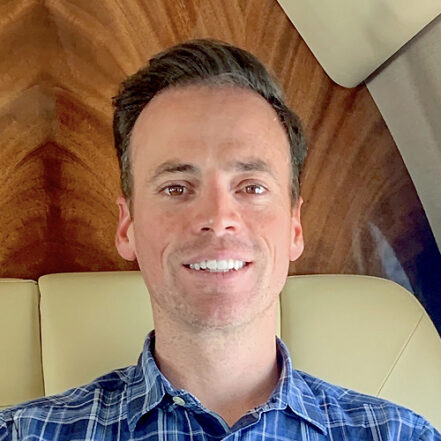
Matt Cox Is Building the AI Co-Pilot He Wanted in the Cockpit
A Navy cockpit taught Matt Cox where attention breaks. Cruise taught him how autonomy reaches the real world. Beacon AI is where those lessons meet - beside the pilot, not in place of one.

Eli Schleifer Wants to Make Waiting for Code Feel Obsolete
After Microsoft, a startup sale to Google, and the machinery of Uber ATG, the Trunk founder has settled on a stubborn idea: growing software teams should not have to grow slower.
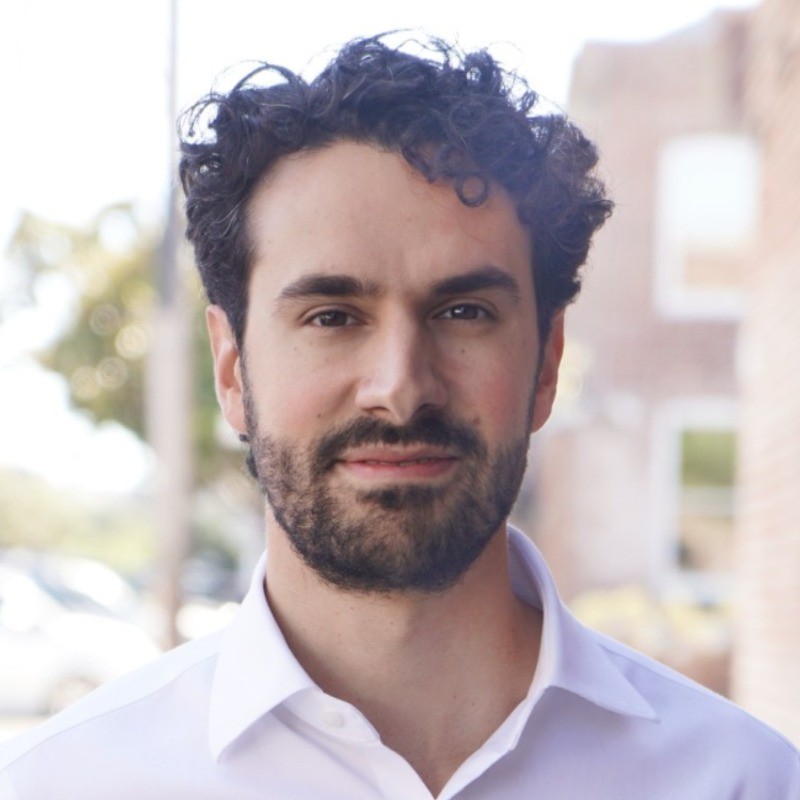
Lucas Ochoa Is Teaching Software to Watch, Learn and Get to Work
Before Lucas Ochoa built agents that click through office software, he designed wallets, robotic hands and expressive machines. Now the Automat CEO is betting that the future of enterprise AI will be won in the least glamorous corner of work: the stubborn space between one screen and the next.
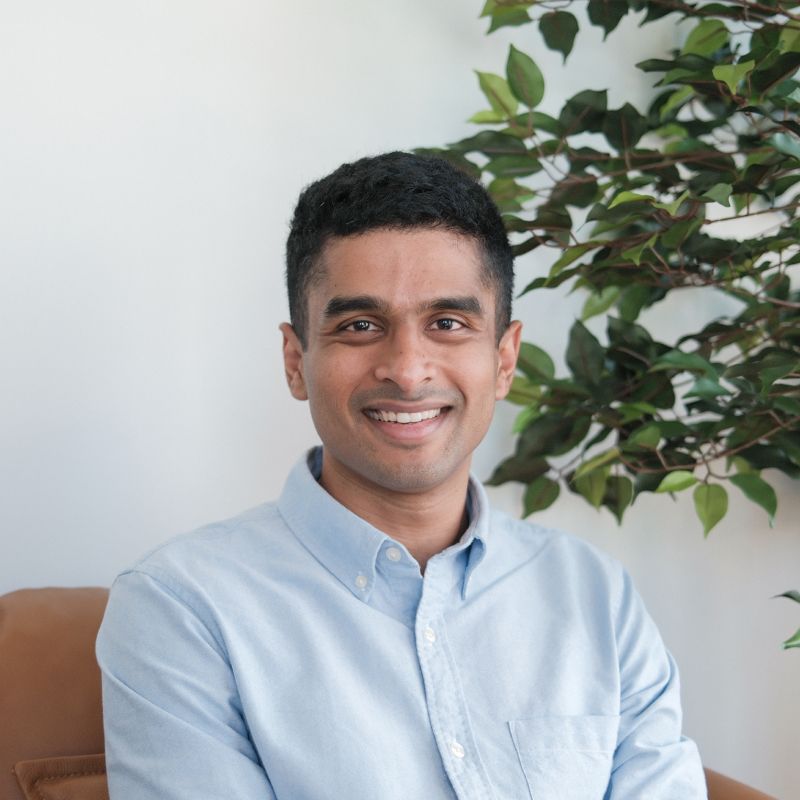
Insurance Runs on Money. Praveen Chekuri Is Rewriting the Plumbing.
After an early run through Instacart, Houseparty and a sold startup, the engineer found his next company hiding in insurance's unglamorous work: collecting, reconciling and moving money.

Noel Pugh Built a Career in the Gaps - Then She Built Lōvu
Before Lōvu was a company, it was a pattern Noel Pugh had spent two decades noticing: the consequential work of care often happens in the blank spaces between institutions, appointments and people.

Jahan Khanna Is Teaching AI to Read the Contractor's Clipboard
After helping redraw the map for ridesharing, the Sidecar co-founder has returned with XBuild - a wager that the most useful AI may begin with roof photos, supplier prices and paperwork nobody wants to do.

Kevin Quennesson Has Spent 20 Years Teaching Machines to See
Before Braid Health, there was a camera that remembered movement, an Apple graphics engine, a beloved photo startup that failed in public, and Twitter’s AI lab. The connecting thread is an engineer’s stubborn question: how can software make an image easier to understand?

Grant McDougall Wants AI to Measure the Noise - and Give Humans the Wheel
After 25 years watching good ideas lose to tidy spreadsheets, the Australian agency veteran built BlueOcean to make brand legible in real time. Now, with Mighty Humans, he is asking a larger question: who gets to feel capable in the AI economy?
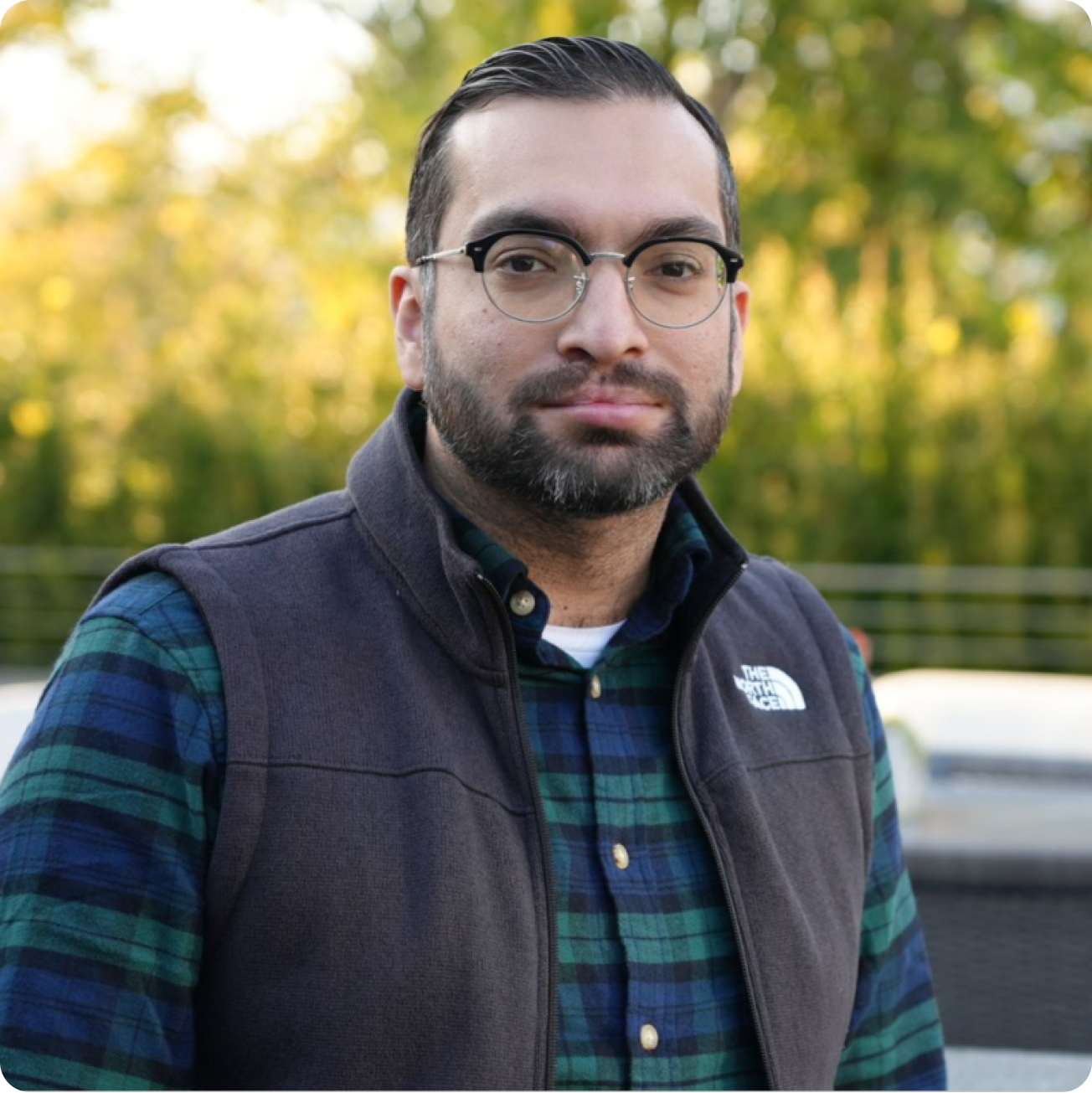
Qasim Mithani Is Teaching Security Software to Finish the Job
After building infrastructure at AWS and Databricks, the Depthfirst CEO is betting that security software should understand the system, prove the risk and arrive with a fix.
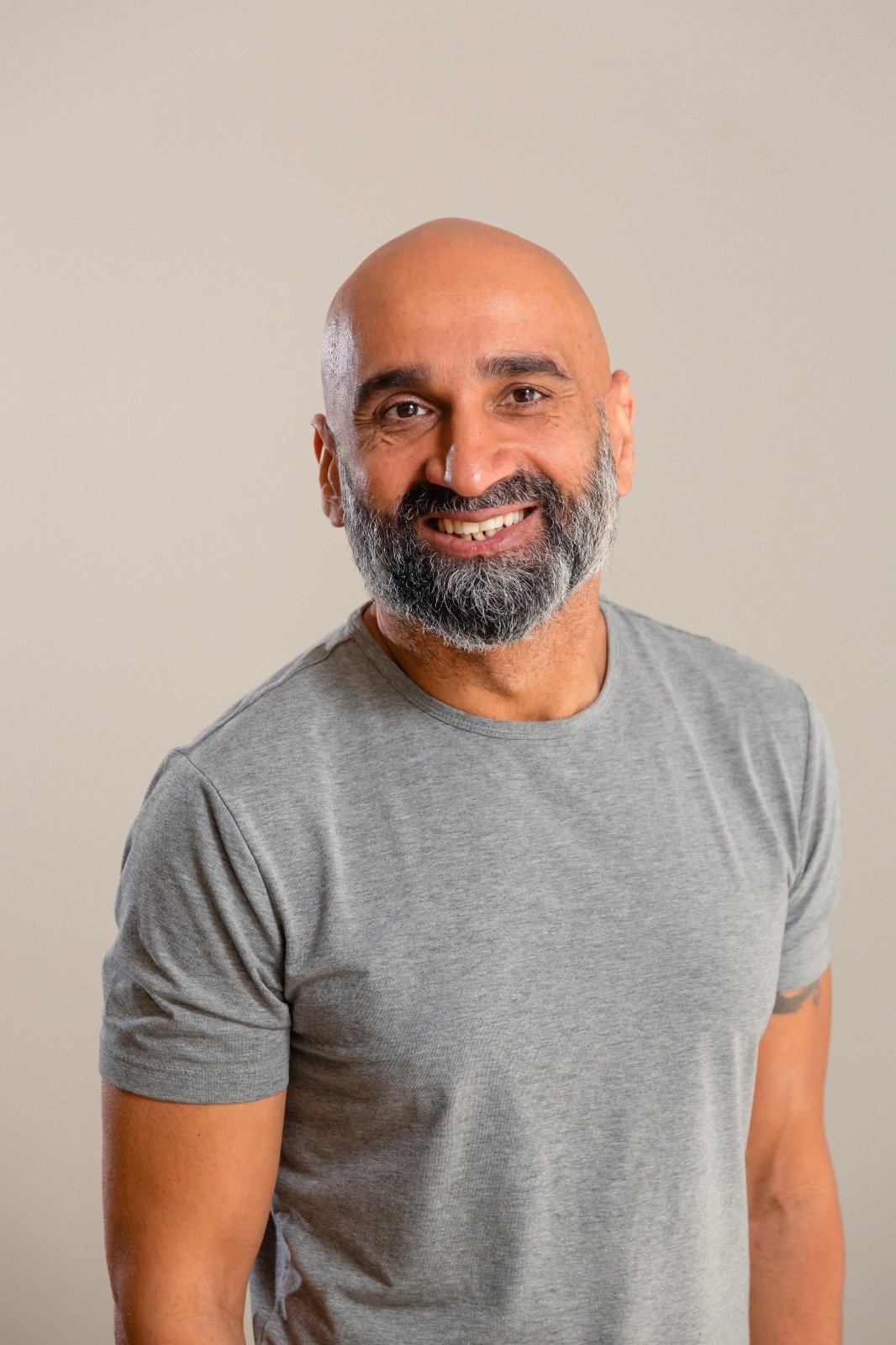
Jack Singh Put His Career in a Spreadsheet. The Answer Was Avahi
The Avahi founder learned business from the packaging bench to the partner channel. Now his operating system is a curious mix of spreadsheets, candid feedback and a bias for shipping AI that earns its keep.

Bharath Varma Turned Event Chaos Into a Product Brief
Before he sold event software, Varma spent years inside the spreadsheets, sound checks and last-minute saves of live production. Zuddl is his attempt to turn that operator's memory into one system.
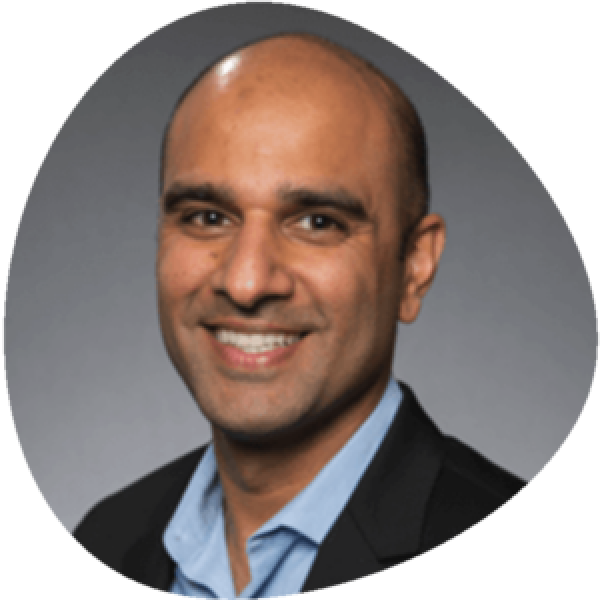
Kamran Saddique Is Making Government Paperwork Behave Like Software
His route from Sun Microsystems and Gulf finance to public-sector software explains an unusual bet: the least glamorous government workflows may be where technology can do its most practical work.

Ishan Chhabra Put Product Last - and Found Oliv's Point
After years of building sales software from the inside out, Ishan Chhabra reversed the order: sell the pain first, write the code last. Oliv AI is the long experiment that followed.