same-day-delivery
(20)
Laika took pet shopping online. Then it opened the doors.
The Colombian pet retailer raised $65 million across three funding rounds, built a membership habit and moved into physical stores. Its next test is making that combination pay.

Floward’s $190 million bet: the bouquet is only the beginning
The Kuwait-born company built its flower business around controlling the delivery. Now perfumes, robotic vending machines and prepaid gift cards are widening its ambitions - and the job of keeping its promises.

Flowwow learned the hard way: a bouquet is a promise
Half the orders in an early holiday test went unfulfilled. Flowwow built a business by closing that gap - then took its local-shop model into cakes, gifts and an international operation now called Udora.
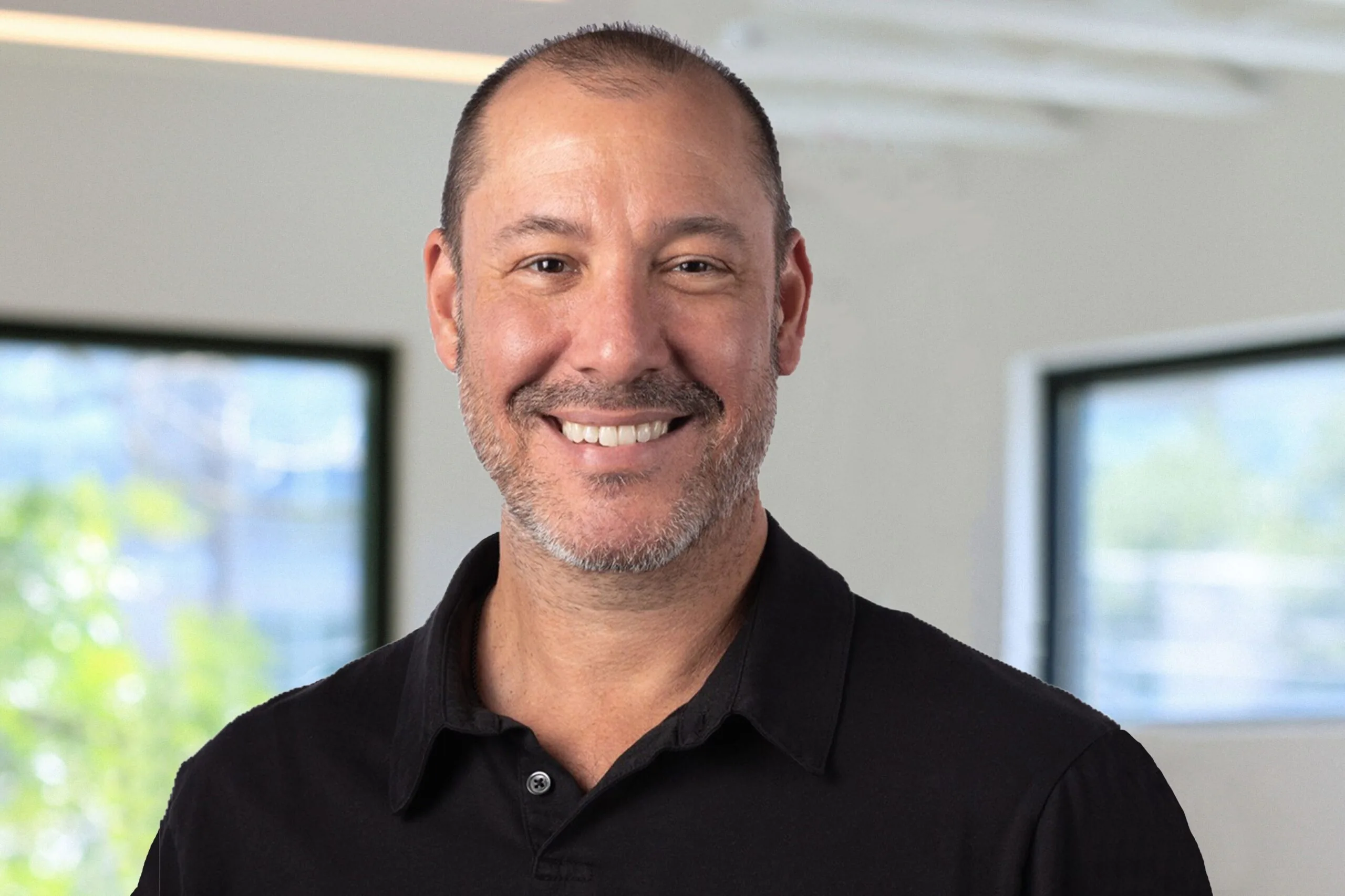
Sean Spector Keeps Building for the Last Mile
Before Sean Spector put live tracking on same-day deliveries, he helped put video games in the mail. His career is a study in spotting old systems that customers have quietly learned to tolerate - then rebuilding the experience around visibility, convenience and trust.
M&M Food Market Was Frozen in the ’90s - Then It Let Shoppers Open the Freezer
The Canadian frozen-food chain had a tired name, blank white boxes and a counter customers found intimidating. Its comeback began with a wonderfully literal idea: let people browse.
Dropoff Built a Serious Business by Fixing the Least Glamorous Part of Delivery
The Austin company skipped the food-app frenzy and built for packages that cannot shrug off a late arrival. Its real product is not speed alone - it is a digital chain of custody, a professional handoff and fewer frantic phone calls.

Floom Made Local Florists Clickable - Then Came the Hard Part
Lana Elie turned a bad bouquet into a marketplace for independent florists. Nine years, several funding rounds and one hard reset later, Floom found an owner that speaks fluent flower shop.

The Couple Who Turned a California Vacation Into Massachusetts' Only Social-Equity Weed Fleet
Chris Fevry and Dharry Pauyo built the state's only social-equity-owned cannabis transporter - then helped kill the rule that put two drivers in every van.

The 115-Year-Old Network Hiding Inside Your Bouquet
FTD began as a clever workaround for flowers that could not survive a train ride. Today, its real product is still the handoff - coordinating emotion, ecommerce and a local florist before the moment passes.
The $2.5 Billion Business Behind the Moment a Restaurant Oven Goes Dark
Parts Town turned the unglamorous emergency of a broken fryer, refrigerator or rooftop unit into a high-tech distribution machine. Now it is connecting the part, the repair and the data around both.
Shipt’s Real Product Is the Text Message
The Target-owned delivery company built national scale without sanding away the human detail at the center of the errand. Now it is turning that conversation between shopper and customer into a broader retail platform.
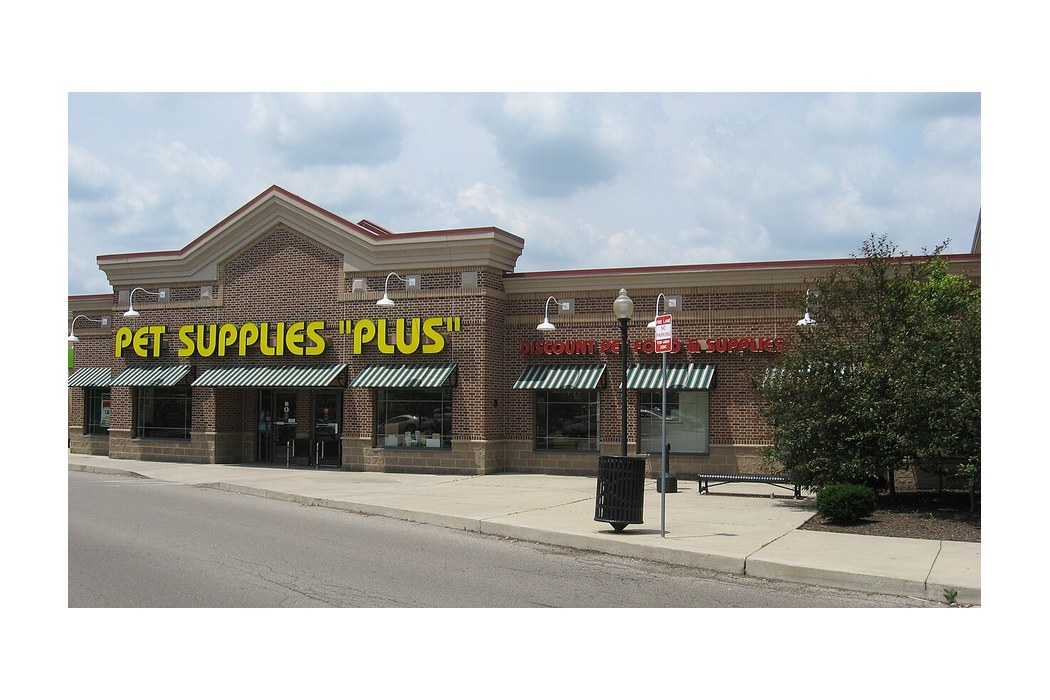
Pet Supplies Plus
Pet Supplies Plus built a national pet-retail network around an intentionally small idea: make the weekly food run feel local, fast and useful. The result is a franchise system where dog washes, delivery routes and adoption events do as much work as the shelves.

Target
Target turned a red bullseye into a $105 billion retail system by making discount shopping feel edited, useful and oddly pleasurable. Its next test is whether stores, owned brands, loyalty and same-day delivery can keep that feeling intact while the business gets more digital.

1-800-FLOWERS.COM, INC.
A Manhattan flower shop turned a toll-free number into one of e-commerce’s earliest brands. Fifty years later, 1-800-FLOWERS is trying to make 17 businesses, 3,900 employees and millions of gifting relationships bloom as one.
BJ's Wholesale Club
BJ's Wholesale Club is a leading operator of membership warehouse clubs in the eastern United States, offering members up to 25% savings on groceries, fresh food, household essentials, general merchandise, and fuel through a paid-membership model. Founded in 1984 and headquartered in Marlborough, Massachusetts, the company runs more than 250 clubs and 190-plus gas stations across roughly 20 states, blending bulk warehouse value with everyday grocery frequency, private-brand depth, and a fast-growing digital and same-day delivery business.

Paxel
Paxel is an Indonesian app-based logistics startup founded in 2018 that pioneered guaranteed same-day intercity delivery across Java and Bali. Using a relay network of couriers (Happiness Heroes) and smart lockers (PaxelBox), it moves parcels point-to-point within a promised time window, and has grown into a specialist in cold-chain and frozen-food delivery for SMEs, F&B businesses, and e-commerce sellers. It raised a $23M Series C in 2022 led by Astra.

Homesome
Homesome is an AI-first grocery commerce (g-commerce) platform that helps independent and regional grocers compete online. It packages a branded website, a unified mobile app, AI-driven personalization and search, a pick-and-pack fulfillment app, and a headless API suite into one system that plugs into a store's existing POS and loyalty programs. Founded by former Microsoft engineer Rahul Chabukswar, the company pivoted from running its own grocery-delivery service to powering the digital storefronts of chains like Strack & Van Til, Erewhon, Caputo's and Berkot's Super Foods.
Jitsu
Jitsu is a tech-enabled, vertically integrated last-mile delivery company that helps e-commerce brands get parcels to the doorstep quickly, cheaply, and with unusually few lost packages. Formerly known as AxleHire, the Berkeley, California company built its own warehouse management, sortation, routing, and driver software so every system talks in real time, and it now covers 23 of the 25 largest U.S. metro areas with same-day, next-day, and two-day options at rates competitive with traditional ground shipping.
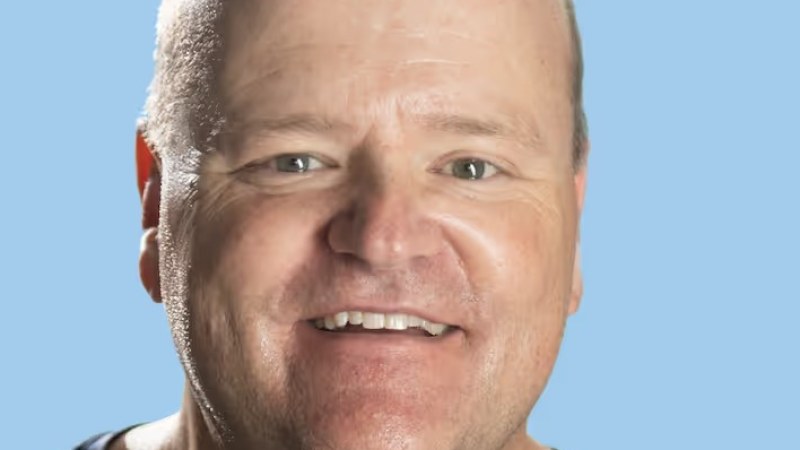
Todd Graetz
Todd Graetz is the co-founder and CEO of Aerolane, a Texas aviation startup building autonomous towed cargo gliders called Aerocarts, which let ordinary planes tow extra payload for only a marginal increase in fuel burn. Before Aerolane he spent his career at BNSF Railway, where he co-founded the railroad's uncrewed aircraft systems program and helped launch some of the first long-range beyond-visual-line-of-sight commercial drone flights in the U.S. under the FAA Pathfinder program. He is an active private pilot, an AUVSI board member, and a veteran of multiple FAA advisory and rulemaking committees.

OneRail
OneRail is an Orlando-based logistics technology company whose AI-native OmniPoint platform orchestrates last-mile delivery for enterprise retailers, wholesalers and distributors. By connecting shippers to a network of 12 million-plus drivers and 1,000-plus carriers, OneRail lets brands offer same-day and scheduled delivery, optimize routes and modes in real time, and resolve delivery exceptions - reaching a 98.6% on-time rate while cutting delivery costs by up to 30%.