reverse-osmosis
(11)
Ryan Vogel Is Teaching Water Filters to Shake Off the Gunk
The Pure Blue Tech founder has spent more than a decade pursuing a stubborn idea: a membrane should defend itself. Now his ultrasonic reverse-osmosis technology is headed into the XPRIZE Water Scarcity semifinals.
The $106 Million Bet on a Membrane That Refuses to Stay Dirty
Industrial membranes often fail first where the water gets interesting. ZwitterCo built its business around that ugly moment - and is turning cleanability into an operating advantage for factories, dairies and wastewater plants.
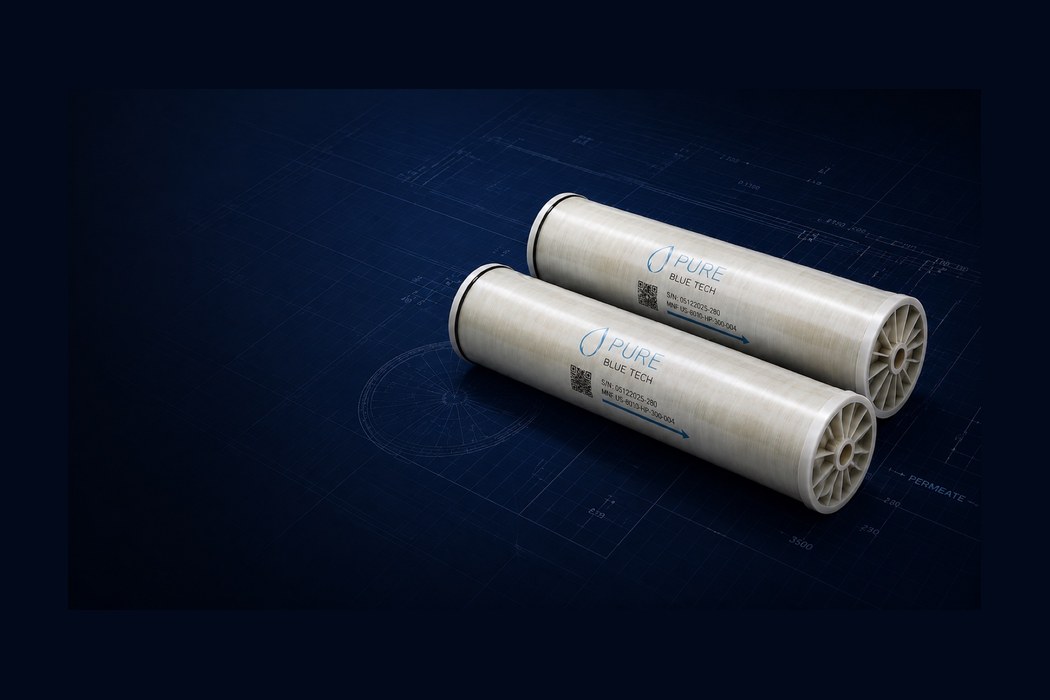
Pure Blue Tech Put a Tiny Speaker Inside a Water Filter - and Found a Cheaper Way to Fight the Gunk
Reverse-osmosis plants spend their lives fighting what sticks to a membrane. This 13-person Washington manufacturer wants to make the filter defend itself - without making operators rebuild the plant around it.

The Company That Sells You Peace of Mind, One Filter at a Time
AirDoctor and AquaTru turned invisible anxieties - what's in your air, what's in your tap - into a nine-figure consumer business. Here's how a direct-response veteran built it.
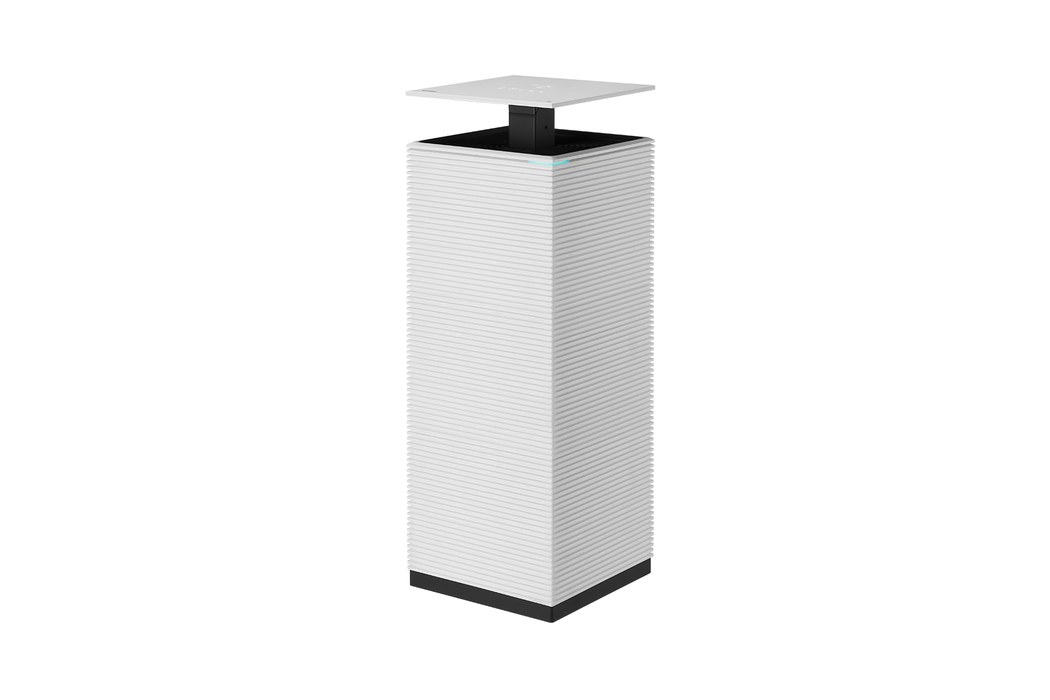
The Company That Rents You Cleaner Air
Coway spent three decades convincing Korea to lease its water purifiers by the month. Now its Los Angeles office is testing whether Americans will pay a subscription for cleaner air, softer water and a bidet that cleans itself.

Nine Siblings, One Store, and 75 Years of Not Selling Out
A St. Paul bookkeeper bought the store he balanced the books for, plastered his family's name on it, and left it to all nine of his kids. Three generations later, they still won't sell.
The Family Business Behind 34 Local Water Shops
Packard Culligan sells sophisticated treatment systems, but its real product is local follow-through - the test, the truck, the technician and the next service call.
Culligan’s Real Product Isn’t the Filter. It’s the Return Visit.
The 90-year-old water company has built a $3.4 billion business by pairing filters, softeners and taps with something harder to copy: 8,000 service routes that keep coming back.

Pani
Pani (Pani Energy Inc.) is a Canadian climate-tech software company that puts a digital brain on top of the world's water treatment plants. Its flagship cloud platform, Pani Zed, consolidates messy sensor data from desalination, industrial and municipal facilities, builds a digital twin of each plant, and uses machine learning to tell operators exactly how to cut energy use, extend membrane life, and lower emissions - without new capital equipment or retrofits. Founded in 2017 by Devesh Bharadwaj and based in Victoria/Vancouver, British Columbia, Pani deploys across facilities in multiple countries and has landed on the Global Cleantech 100 list.

Prakash Govindan
Prakash Govindan is the co-founder and CEO of Gradiant, the water industry's first unicorn, valued above $1 billion. Raised in Chennai during monsoon failures that dried up his family's taps, he turned a childhood of hauling buckets into a PhD at MIT and a company that now renews billions of liters of industrial water a day for clients in semiconductors, pharma, food and beverage, and mining. He co-invented Gradiant's flagship Carrier Gas Extraction technology, holds more than 100 patents, and helped bring the TIME Best Invention 'ForeverGone' PFAS-destruction system to market. A devoted bhakti yogi who has read the Bhagavad Gita some fifty times, he runs one of the fastest-growing water companies on earth while preaching egoless leadership.
Gradiant
Gradiant is an MIT spinout turned global water-technology company that designs, builds, and operates advanced systems to treat, reuse, and recover industrial water and wastewater. Using a stack of proprietary technologies - from Carrier Gas Extraction to Counterflow Reverse Osmosis and an AI control layer called SmartOps - Gradiant helps semiconductor fabs, food and beverage giants, pharmaceutical makers, miners, and refiners cut freshwater use, recover lithium and other minerals, and destroy 'forever chemicals.' The first unicorn in the water industry, it reached a $2 billion valuation in 2026.