quick-commerce
(17)
The Seven-Minute Avocado and the Billion-Dollar Question
Food Rocket promised groceries before impatience could become a plan. For two years, it made the corner store feel obsolete - then discovered that speed, like champagne, is delightful precisely because somebody is paying dearly for it.
The Button That Ate the Marketing Funnel
Shopalyst began with a small, audacious idea: let a shopper buy wherever desire strikes. A decade later, that button has expanded into an operating system for the messy distance between an ad and a sale.
Peeko Thinks the Diaper Is Urgent - and the Wardrobe Is Complicated
The Bengaluru startup promises baby supplies in an hour. Its more interesting wager is that parents will choose a smaller, smarter shelf - especially when the fitting room comes to the front door.

Myntra wants to dress you before you know what to wear
The Indian fashion marketplace once shut its website to force a mobile future. Now it is chasing a more human problem: finding the right outfit, then getting it to you while the occasion still matters.

Rappi Wants Your Next Ten Minutes
The Colombian delivery app turned forgotten groceries into a business spanning nine countries. Now Amazon, advertisers and banks are buying into the habit it built.
Kassim Shroff Chose the 30-Minute Promise
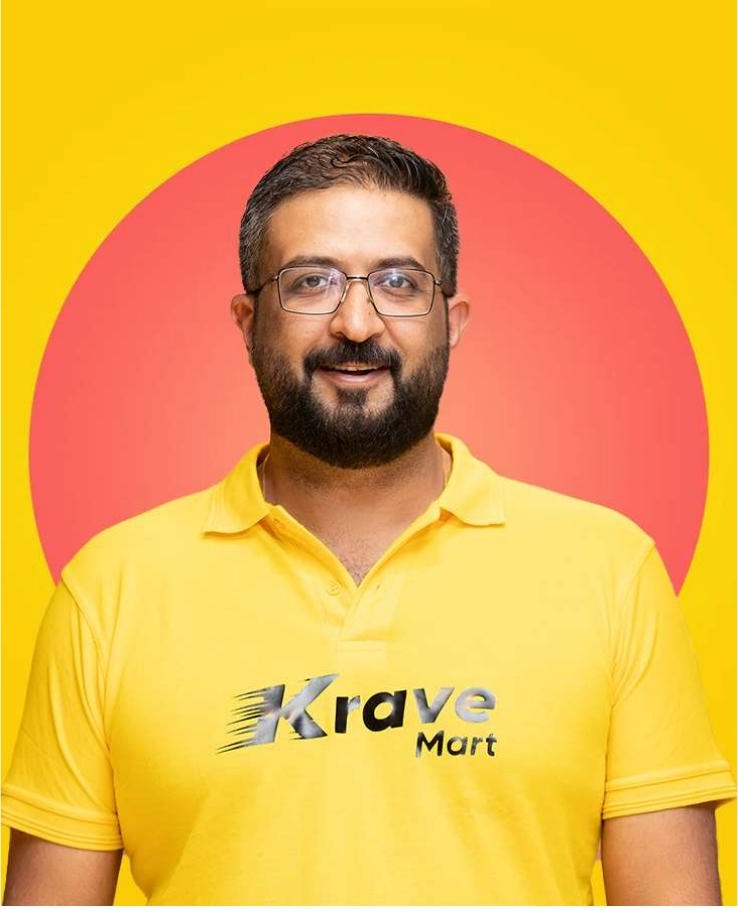
He learned e-commerce from the warehouse outward, traded quick commerce's flashiest promise for a workable one, and carried Krave Mart from Karachi dark stores to an inDrive acquisition.
The snack brand that put grandma's recipes on a Series A term sheet
A husband-and-wife duo and their cousins turned an 82-year-old grandmother's kitchen notebook into one of India's fastest-growing clean-label food brands. Here is how murukku and Mysore pak ended up on a venture term sheet.

The Menswear Brand That Ships a New Wardrobe Every Single Day
Siddharth Dungarwal turned a shut-down B2B clothing business into a menswear machine that launches around 35 designs a day - and got all five sharks to write a cheque.

The Qatari Delivery App That Turned a Business-School Project Into a Billion-Riyal Exit
A university idea from HEC Paris became Qatar's first billion-riyal tech exit. Here is how Snoonu built a delivery machine that food, groceries and everything else now runs through.
The 75-Year-Old Sweet Shop That Put Bakarwadi on an Assembly Line
Chitale Bandhu turned a Pune sweet counter into a packaged-food network by solving an unusually difficult problem: how to make a regional snack at industrial scale without making it taste anonymous.
The $49 Billion Checkout Line Behind Your Dinner
Delivery Hero built a federation of local apps that can move dinner, diapers and cold medicine before the doorbell feels late. Now its most valuable product may be the logistics system hiding behind eleven familiar brands.

The 20,000-store machine hiding in plain sight
Reliance Retail looks like a collection of stores. Look closer and it is a shared operating system for how India shops - online, around the corner and at almost every price point.

JetBuy
JetBuy is a voice-first ordering app that lets people reorder their usual food for delivery or pickup in about a second by speaking a saved command to Siri. After a one-time setup that ties phrases like "dinner," "coffee," or "sushi" to a specific order, a user just says "Hey Siri, JetBuy Dinner" and the order is placed - replacing the roughly 20 taps a typical delivery app takes with zero. Founded by Ryan Holmes and built around the insight that most people order the same handful of things over and over, JetBuy launched on the App Store in 2024 and demoed at Y Combinator's 2025 Demo Day.
Krave Mart
Krave Mart is a Karachi-based quick-commerce grocery startup that delivers everyday household essentials from a network of neighborhood dark stores, typically in 30 minutes. Founded in 2021 and part of Y Combinator's Summer 2022 batch, it raised what was then Pakistan's largest pre-seed round and built its model around sustainable unit economics and private-label products rather than pure delivery speed. In 2026 it was acquired by ride-hailing company inDrive to power grocery delivery inside inDrive's app.

Grubtech
Grubtech is a Dubai-based restaurant technology company that builds a unified operating system for food and beverage and quick-commerce businesses. Its middleware platform, gOnline, connects fragmented software touchpoints - POS systems, ERP, delivery aggregators like Talabat, Deliveroo, Careem and Uber Eats, kitchen displays, dispatch and analytics - into a single dashboard so restaurants, cloud kitchens, grocers and pharmacies can run online and in-store operations without juggling multiple screens. Founded in 2019, the company has raised $33.4M and operates across roughly 18 markets.
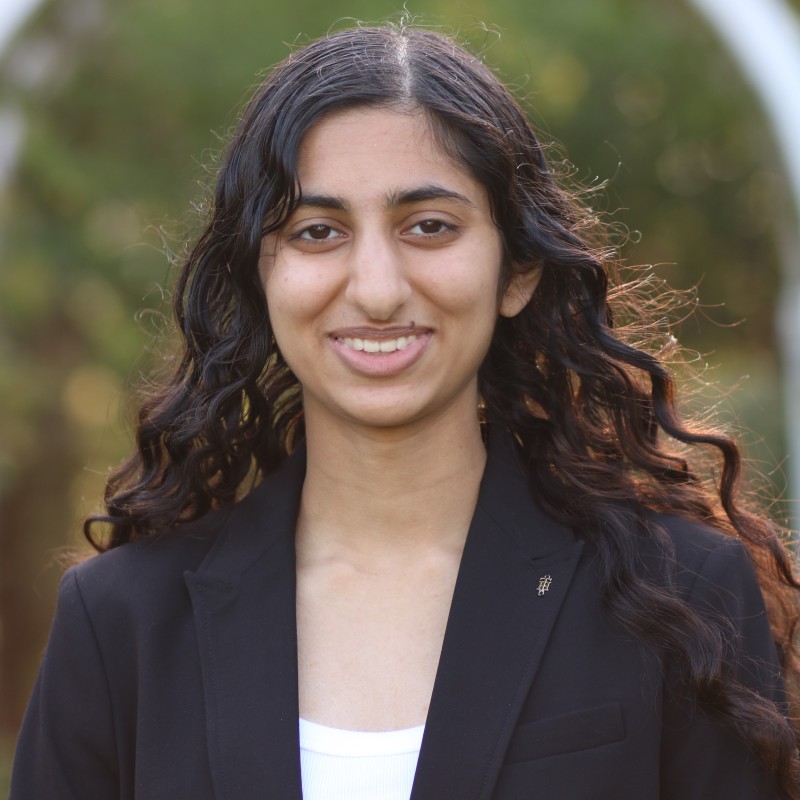
Anjali Sardana
Anjali Sardana is the 24-year-old founder and CEO of Pronto, a Bengaluru-based instant home-services startup that brings household help - sweeping, mopping, dishwashing, laundry - to a customer's door in about ten minutes. A Georgetown biology graduate and former investor at Bain Capital and 8VC, she launched Pronto in 2025 and scaled it from roughly 1,000 daily bookings to more than 25,000 within a year, reaching a $200 million valuation with backing from Epiq Capital, General Catalyst, Bain Capital Ventures and Lachy Groom. Her stated mission is less about speed than dignity: giving India's invisible domestic workforce a formal identity, real pay, and standing.

Pronto
Pronto is a Bengaluru-based on-demand and subscription house-help platform that dispatches trained, background-verified cleaning professionals to urban homes in roughly 10 minutes. Founded in 2025 by Anjali Sardana, it applies a quick-commerce playbook to India's largely informal domestic-work market - transparent per-visit pricing, instant or scheduled booking, and structured shifts that give workers (about 99% of them women) predictable income. The company scaled from roughly 1,000 daily bookings to 24,000-25,000 in about a year and was valued at $200M in April 2026.