podcast-production
(11)
This Old Marketing made a habit of being heard
Joe Pulizzi and Robert Rose turned a weekly argument about marketing into a media property with more than three million downloads. The useful lesson is how much work goes into sounding this casual.

Tech Talks Daily: One more question. Every day.
A three-month guest backlog turned Neil C. Hughes’s weekly experiment into a daily technology show. The business behind it sells something harder to automate: a conversation people can actually follow.

Stitcher: the podcast business that outlived its app
A borrowed iPhone helped Stitcher escape the desktop. A decade of deals turned it into a podcast business whose most valuable work could happen far from its own play button.

SpokenLayer found a business in the articles you never have time to read
The audio studio learned that publishers wanted their own voices, not another app. Its answer: turn written stories into short recordings, then handle the journey from microphone to money.

The Podcast Company That Outgrew Podcasts
Podcastle began by turning articles into audio. Six years later, it changed its name because the product had become an AI studio, a model switchboard, and a voice API - all before the market finished deciding what a podcast tool should be.

Realm Heard Its Readers Leave - and Followed Them Into Audio
Realm began as a clever way to make people read on their phones. Then its own audience delivered a less literary verdict: they wanted to listen. The company that survived was the one willing to hear it.
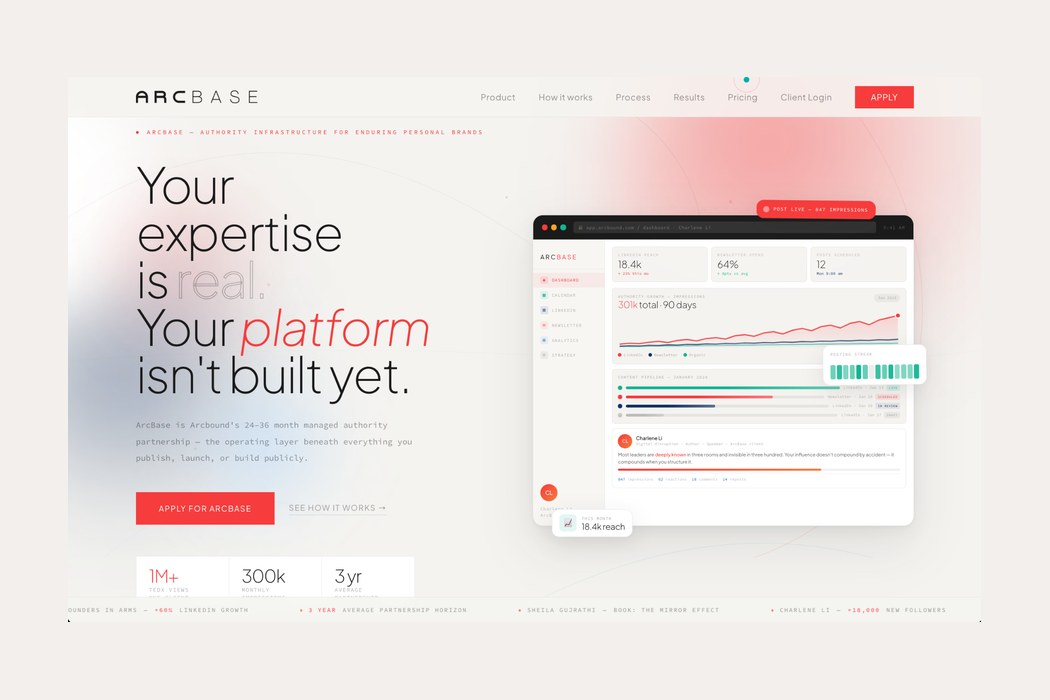
Arcbound Learned That a Personal Brand Is Not a Posting Schedule
It began with $20,000 of debt and an $800-a-month writing offer. Eight years later, Arcbound is betting that serious reputations need infrastructure, not an endless appetite for posting.

The Five-Hour Morning That Refuses to Die
D S Simon Media built a 40-year business around a peculiar compression trick: one spokesperson, five hours, and a country’s worth of local interviews. Now it is teaching that old broadcast ritual to speak fluent AI.

The PR Firm That Wants to Arrive Before the Crisis
Global Situation Room sells a curious inversion of crisis PR: do the hard thinking while nobody is watching, so the worst day does not get to write the script.

IVC Media makes the complicated worth caring about
A water bill, a campus expansion, a benefits form: IVC Media works where attention is scarce and the explanation matters. Its business connects public affairs with the people who can actually make the campaign.

What Creators Can Steal From the Grief Podcast That Built a Reported $30 Million Company
Lemonada began with two women, two lost brothers and one costly narrative show. Six years later, a format pivot, host-read ads and famous-but-human conversations helped produce a majority-stake deal reportedly worth about $30 million.