Before SpokenLayer had publishers, platforms or advertising inventory, there were cassettes. Will Mayo’s father, a television commercial director, recorded bedtime stories while traveling and sent them home. He included sound effects. Years later, Mayo recalled still having the tapes. The important detail is their audience: one child, with particular interests, listening to a familiar voice. A company would eventually grow around a similar proposition. Give people something they care about, in a form they can actually use.
- SpokenLayer turns publishers’ articles and brands’ ideas into short audio.
- Its early consumer app gave way to a publisher service in 2014.
- Production, distribution and advertising belong in the same business conversation.
A cassette before a company
Mayo is dyslexic. Listening offered another route into material that reading made difficult. His company-published account describes a later experiment: colleagues recorded articles they liked, and he listened to them in sequence. Here was radio with a personal reading list. The subjects could follow his curiosity rather than a programmer’s schedule. SpokenLayer officially launched in 2012, carrying that idea toward the web.
The first approach was a consumer app. It introduced an awkward commercial request. Publishers were supposed to encourage their readers to use somebody else’s destination. In Mayo’s retrospective telling, they did not want to promote an app that was not their own. The objection concerned ownership of the audience, even if the recordings themselves were appealing. By early 2014, SpokenLayer had relaunched as a business serving other businesses.
That change supplies the useful plot twist. The company could help a publication become audible while leaving the publication’s identity at the front. A newsroom already had stories, an editorial voice and readers who recognized its name. SpokenLayer could provide the missing audio operation. The listening problem remained; the customer and the route to that customer changed.
The publication keeps its accent
Consider an article that someone saves before leaving home. Reading it requires eyes and a reasonably cooperative moment. A narrated version can accompany a walk or a commute. For the publisher, the raw material already exists. The challenge is to make another edition of it that sounds intentional, reaches a listening platform and gives the audience a reason to return.
SpokenLayer’s offer combines audio creative and production with distribution, audience development and monetization. Its documented work uses professional voices, and its current website invites advertisers and podcasters to discuss projects. That places it between a recording studio, a publishing service and an advertising operation. A customer is buying help with several connected jobs, rather than receiving a sound file and being left to find its audience.
In October 2016, publisher “Spoken Editions” appeared in iTunes. WIRED and TIME were among the titles covered in launch reporting. Audio advertising accompanied the recordings, with revenue shared between publishers and SpokenLayer. The distribution choice mattered: people could encounter narrated journalism inside an established podcast environment. A new format did not necessarily require a new listening destination.
“We make sure Wired sounds like Wired”Will Mayo, quoted in 2016 coverage
That promise makes casting an editorial decision. The words may belong to the same article, but pacing and delivery affect how they land. A publisher with a recognizable personality has something to preserve. An internal audio team or an outside production agency could tackle that task; automated narration is another option. SpokenLayer’s distinction is the service around the performance, including getting it distributed and supporting its commercial life.
A microphone is only the first expense
Early pricing reveals the scale of the intended buyer. In November 2014, Journalism.co.uk reported monthly tiers ranging from a few thousand dollars to tens of thousands, depending on hours produced and streamed. Those are historical figures, not today’s quotation. They describe an ongoing publishing operation with volume to manage. Making a single recording and running a repeatable audio service are different budgeting exercises.
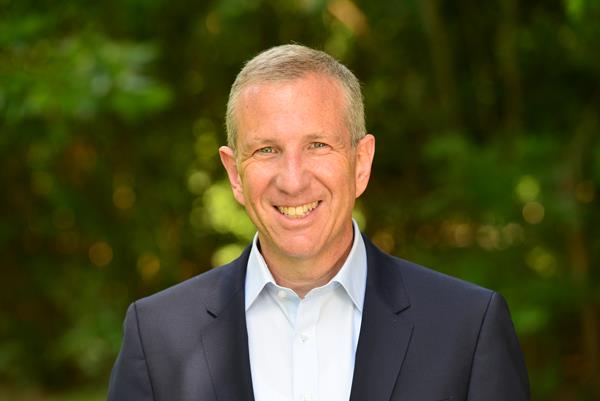
Commercial expertise also arrived through leadership. In July 2019, SpokenLayer appointed Andy Lipset, formerly a Pandora executive, as CEO. Mayo moved to chief strategy officer. Lipset’s responsibilities covered sales and advertising alongside publisher operations, product and technology. The appointment put an experienced audio advertising operator in charge of a business whose output had to earn money as well as sound good.
Expansion required a different kind of partner. In September 2020, SpokenLayer announced its Australian launch with Southern Cross Austereo. SCA supplied access to professional voices and advertising relationships. Five Australian Community Media publications already had daily briefings through another partnership. The arrangement suggests a practical division: distribution machinery can travel, while voices and local commercial relationships deserve local attention.
Content episodes reported in the August 2023 partnership announcement. Episodes, not listeners.
In 2023, two further moves widened the picture. Outbrain’s proxy disclosure records SpokenLayer’s acquisition of Listory in May. That August, Veritone announced an exclusive direct advertising sales agreement covering the microcast portfolio, naming The Wall Street Journal, The Economist and WIRED among publishing partners. The agreement also offered potential access to multilingual AI voice tools. That opportunity should not be confused with evidence that every episode became synthetic or multilingual.
Borrow the habit, test the story
The idea is appealing enough to invite a bad shortcut: narrate everything and assume an audience will appear. An early experiment offers a corrective. MediaShift reported in 2014 that Fast Company’s Co.Labs tested SpokenLayer audio on four stories, with mixed results. Article selection mattered, especially where existing multimedia already competed for attention. So did the playback widget’s ability to explain the value of listening.
For a publisher considering audio, the copyable move is a small, deliberate test. Choose material that works without its images. Make the listening option visible. Give the recording an editorial voice people recognize. Then examine whether it earns attention and can support its production costs. SpokenLayer’s own pivot adds another question: whose audience are you helping build? The company found a more workable answer when the publisher could keep saying “ours.”