network-security
(27)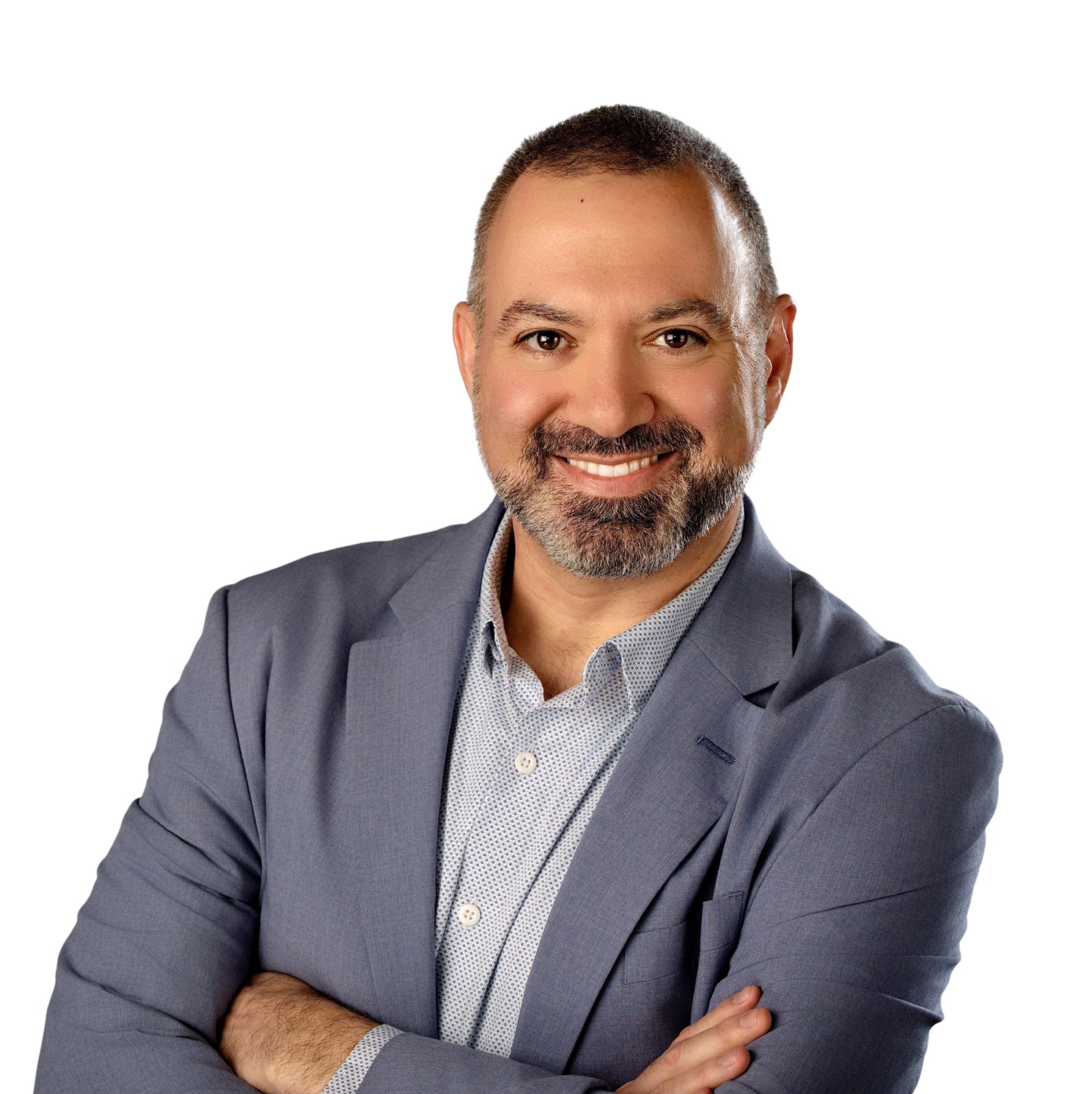
Brian Gladstein Learned to Sell Security by Following the Customer
An MIT-trained engineer followed a product marketer into customer meetings and found his real craft: turning technical complexity into stories people can use. Two decades later, that habit still shapes how he builds brands, teams and trust in cybersecurity.

Abby Strong Learned the Pipes Before She Sold the Promise
Before she led markets and customers at Cribl, Abby Strong spent years inside the machinery of enterprise networks. That technical apprenticeship still shapes how she hires, explains, and listens.
Kanaiya Vasani Is Rebuilding the Security Operations Center Around Context
After three decades turning network machinery into products, ExtraHop's product and marketing chief is making a precise bet: AI will not rescue the security operations center unless it can see the evidence underneath the alerts.
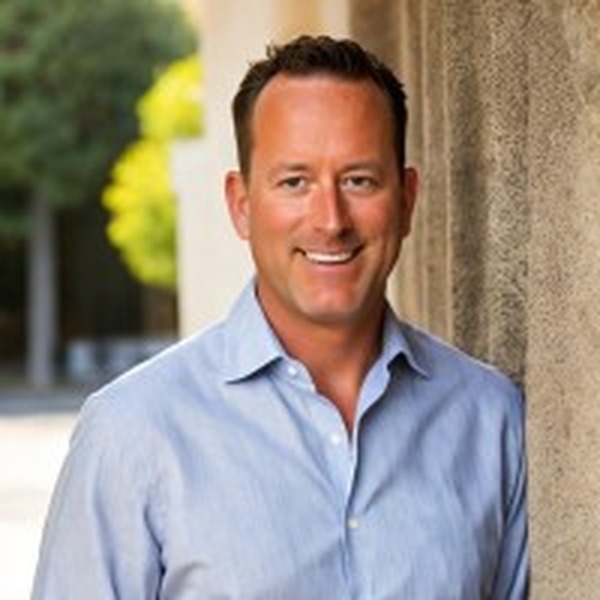
Alex Bender Makes Cybersecurity Marketing Sound Like the People Who Actually Do the Work
After two decades selling complex security ideas, FireMon's CMO is putting practitioner stories, operational fundamentals and plain language ahead of polished vendor mythology.
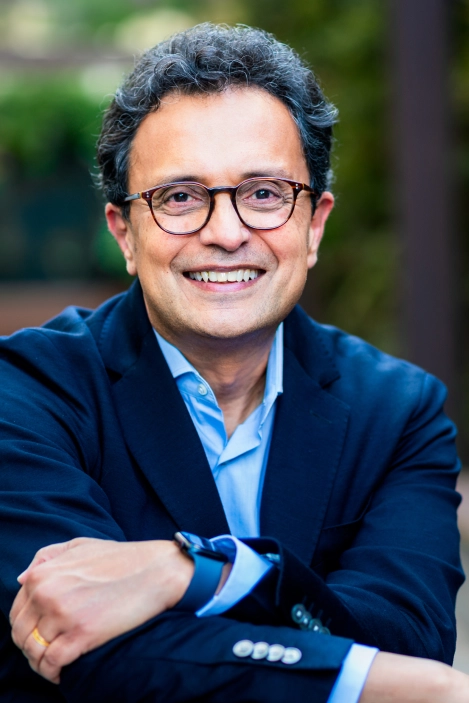
A Customer Was Hacked. Hitesh Sheth Turned the Postmortem Into Vectra AI
A state-backed breach, an unfashionable bet on machine learning, and two years of stubborn experimentation shaped Hitesh Sheth’s approach to cybersecurity: find the signal after attackers get in.
Abdullah Shah Builds for the Moment After the Demo
Before reliability became a boardroom word, Abdullah Shah was measuring controllers, engineering failure recovery and turning infrastructure into code. Now, at Xgrid, he is applying the same instinct to cloud platforms and durable AI workflows.
Benny Czarny Built a Cybersecurity Company Around One Annoying Question
He began by translating the unruly dialects of antivirus software. Twenty-four years later, Benny Czarny is still asking an unfashionable question: why let a suspicious file in at all?
Zakir Durumeric
Zakir Durumeric is a computer security researcher, Stanford assistant professor, and co-founder and CEO of Censys. As a University of Michigan PhD student he built ZMap, a scanner that can survey the entire public IPv4 internet in minutes rather than weeks, then turned that research into Censys, an internet intelligence platform used for threat hunting and exposure management. His work mapping the internet at scale helped expose the reach of vulnerabilities like Heartbleed and earned him a spot on MIT Technology Review's 35 Innovators Under 35.
Paul Martini
Paul Martini is the CEO, chief architect and co-founder of iboss, a Boston-based cloud security company he built with his twin brother Peter starting from a San Diego garage in 2003. He holds more than 230 patents in cloud, cybersecurity and networking, and has helped push zero trust and Security Service Edge into the enterprise mainstream. Before iboss he did circuit-board and network software work at Copper Mountain Networks and SAIC.

Wes Sonnenreich
Wes Sonnenreich is the Co-CEO and co-founder of Practera, the experiential-learning platform that turns real industry projects into scalable, credit-bearing coursework for tens of thousands of students a year. An MIT-trained engineer who once wrote the book on network security - literally, more than one - he has spent 25-plus years building at the seam between technology and learning: from a 1990s web-metrics startup and a security consultancy to running Deloitte Australia's innovation program. Today he splits his attention between Sydney and Cambridge, Massachusetts, evangelizing a future where people learn alongside machines instead of competing with them.
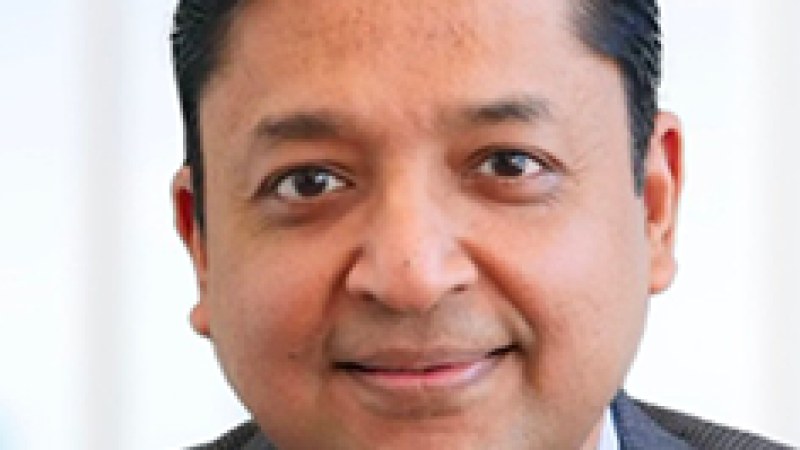
Ritesh Agrawal
Ritesh Agrawal is a network-security engineer turned founder who co-founded Airgap Networks in 2019 to attack the problem most enterprises ignore: lateral movement once an attacker is already inside the building. His bet was that you do not trust any device, period. Zscaler acquired Airgap in April 2024, and its agentless, identity-based microsegmentation became the foundation of Zscaler's Zero Trust Branch, which Ritesh now leads as VP of Product Management. Before founding the company he spent nearly 18 years at Juniper Networks across engineering, product, and sales.

AJ Herrera
AJ Herrera is the VP of Corporate Marketing at Cloudflare, where he leads the brand narrative that recast a CDN company into the world's connectivity cloud. With over 30 years in high-tech marketing spanning Silicon Graphics, a decade running his own agency, and seven years shaping VMware's global brand, he brings both the craftsman's instinct and the operator's eye to one of the internet's most consequential infrastructure companies.

Matthew Mullin
Matthew Mullin is VP of Demand Generation at Cloudflare, the connectivity cloud and internet infrastructure company protecting millions of websites worldwide. Based in San Francisco, he leads pipeline creation strategy and buyer-centric demand programs for one of the most influential companies in global network security. Before Cloudflare, he spent over six years at Tenable building a marketing operations function from scratch, growing the team from 2 to 15+ professionals, winning a 2022 B2B Innovator Award from Demand Gen Report, and delivering a 40% pipeline increase through precision demand marketing. He is a self-described Boston sports fanatic transplanted to the Bay Area.
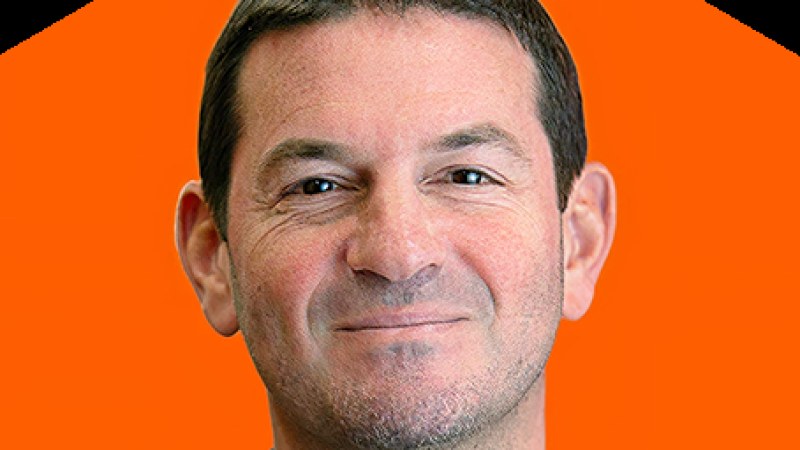
Andrew Rubin
Andrew Rubin is the CEO and co-founder of Illumio, the company that pioneered Zero Trust Segmentation - the idea that once a breach happens (and it will), you stop it from spreading. A Brooklyn native who built his career through sales, he founded Illumio in 2013 and scaled it to a $2.75B valuation with $225M in Series F funding, backed by Andreessen Horowitz, Accel, General Catalyst, and investors including Marc Benioff and John W. Thompson. Named to Goldman Sachs' '100 Most Intriguing Entrepreneurs' seven times, he earned EY Bay Area Entrepreneur of the Year in 2024 and remains one of cybersecurity's most vocal advocates for rethinking how organizations think about inevitable breaches.

Bill Robbins
Bill Robbins is the Chief Executive Officer of Menlo Security, a Mountain View-based cybersecurity company specializing in browser-based security and AI-driven threat prevention. With over 30 years of enterprise technology sales and leadership experience across Symantec, Nuance Communications, FireEye, Mandiant, and Sophos, Robbins joined Menlo as President in November 2024 and was elevated to CEO in February 2026 after helping the company surpass $140M in ARR. He now leads Menlo's push into AI agent security and agentic AI runtime protection, targeting the next wave of enterprise threats.
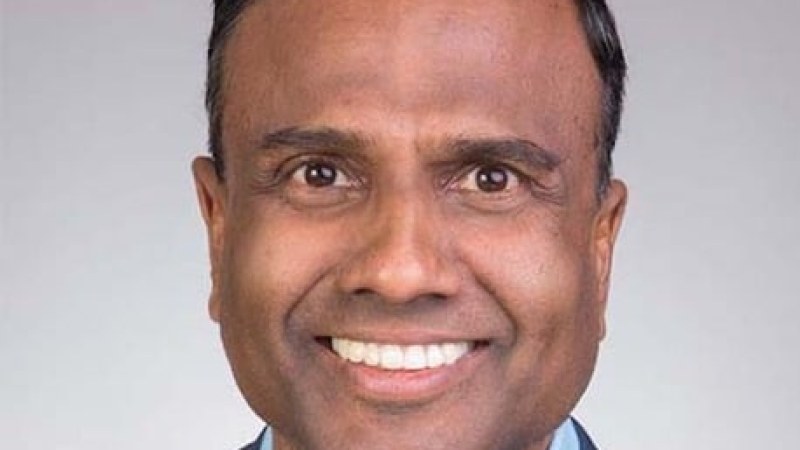
Pandian Gnanaprakasam
Pandian Gnanaprakasam is the CEO and co-founder of ORDR, a Santa Clara-based cybersecurity company specializing in IoT, OT, and IoMT security with $94M in funding. A serial entrepreneur with 20+ years in networking and security, he previously co-founded Aruba Networks — acquired by HPE for $3 billion in 2015 — and led engineering at Cisco's multi-billion-dollar Wi-Fi business. At ORDR, he returned as CEO in March 2025 to spearhead the evolution of the ORDR AI Protect platform, which provides agentless device discovery, AI-driven risk scoring, and automated zero-trust policy enforcement across millions of connected devices in healthcare, manufacturing, and critical infrastructure.
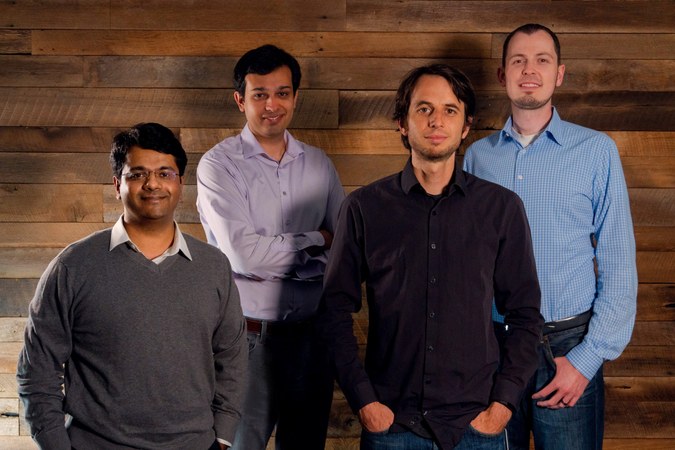
Peyman Kazemian
Peyman Kazemian is the co-founder of Forward Networks, a Santa Clara-based enterprise software company that builds mathematically accurate digital twins of complex networks. His PhD dissertation at Stanford - which became the foundational Header Space Analysis framework - won the NSDI 2024 Test-of-Time Award and directly spawned a company now trusted by Fortune 50 enterprises and U.S. government agencies. A graduate of Sharif University of Technology in Tehran and Stanford's electrical engineering department under Prof. Nick McKeown, Kazemian helped develop OpenFlow and SDN before turning his research into a business that has raised over $140 million to transform how enterprises understand, secure, and manage their networks.
Ratan Tipirneni
Ratan Tipirneni is President and CEO of Tigera, the company behind Project Calico - the open-source container networking and security project powering over 100 million containers across 8 million nodes in 166 countries. A serial entrepreneur with stints at Cisco, Actifio, Sun Microsystems, and SupportSoft, he joined Tigera in 2017 and has since grown it into the definitive platform for Kubernetes security, observability, and now AI workload protection.

Connie Tang
Connie Tang is the CEO and founder of CCT Technologies Inc., operating as ComputerLand of Silicon Valley - a San Jose-based IT solutions firm she built from a storefront computer shop in 1991 into a 55-person enterprise serving government agencies, K-12 schools, higher education institutions, and commercial businesses across Northern California. After more than three decades at the helm, she led the company through a strategic acquisition by ISSQUARED Inc. in May 2024, positioning the combined entity to expand in cybersecurity, AI, and edge computing.

J. Seth Strattan
J. Seth Strattan, PhD is a General Partner at Two Bear Capital, a Whitefish, Montana-based venture capital firm investing at the crossroads of life sciences and technology. With a PhD in Structural Biology and a BA in Philosophy from Stanford University, Strattan spent years at Stanford building and leading the engineering and data science teams behind landmark genomics consortia - ENCODE, the Human Cell Atlas, and the International Human Epigenomics Consortium - before pivoting to back the founders tackling biology's hardest problems. He is based in Silicon Valley, leads Two Bear Capital's Menlo Park office, and splits his remaining time between Montana and a family farm in the Appalachian Mountains of Kentucky.
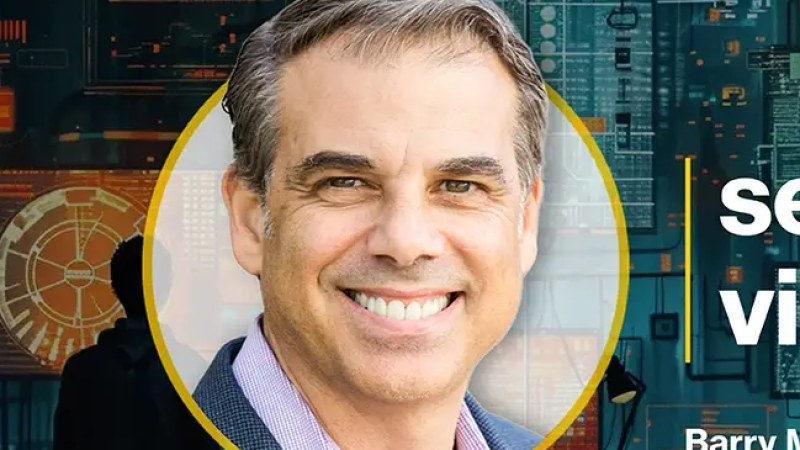
Barry Mainz
Barry Mainz is the CEO of Forescout Technologies, a San Jose-based cybersecurity company specializing in device visibility, OT/IoT security, and network access control. With over 30 years of executive leadership across infrastructure software and cybersecurity, he previously served as CEO of MobileIron, COO of Malwarebytes, and President of Wind River Systems (Intel). At Forescout, Mainz has driven the company to record growth, including a 20% increase in new recurring bookings and 38% DoD business expansion in 2024, while positioning the platform as the leading solution for cyber resilience across converging IT, OT, and IoT environments. He also sits on the Board of Directors of BlackBerry.
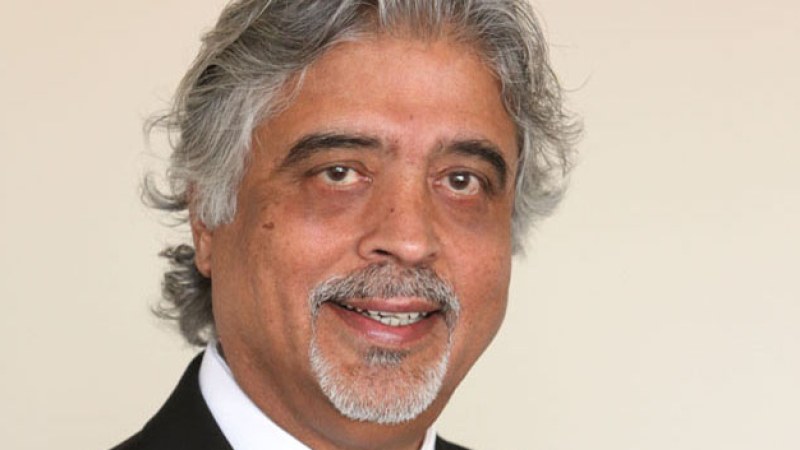
Bobby Bahl
Bobby Bahl is the founder and CEO of teleSys Software, Inc., a San Mateo-based telecommunications software company he established in 1997. With over 40 years of industry experience, he led the deployment of the first SS7 signaling network in the United States at Sprint and managed the creation of Equal Access, the nation's first long-distance network. Under his leadership, teleSys has grown into a global provider of carrier-grade multi-generation signaling solutions, with 400+ installations serving 100+ operators across 80+ countries supporting more than 1 billion active subscribers.
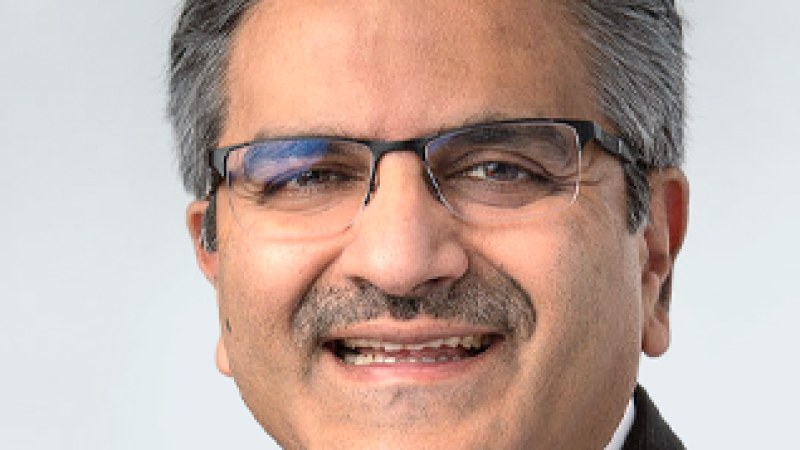
Dhrupad Trivedi
Dhrupad Trivedi is the President, CEO, and Chairman of A10 Networks (NYSE: ATEN), a San Jose-based cybersecurity and application delivery company. With a Ph.D. in Electrical Engineering and an MBA in Finance from Duke's Fuqua School of Business, he brings over 30 years of deep technical and operational expertise across networking, cybersecurity, and telecommunications. Since taking the helm in December 2019, Trivedi has repositioned A10 as an AI-era security company — landing Microsoft as a customer to protect mission-critical generative AI infrastructure — while driving double-digit revenue growth and expanding the company's portfolio to include AI firewalls, DDoS protection, and next-generation web application firewalls.

Remko Vos
Remko Vos is the CEO of CUJO AI, a cybersecurity and network intelligence platform protecting over 60 million homes globally by monitoring more than 3 billion connected devices. A Dutch-born engineer turned MIT Sloan MBA, Vos spent five years at Comcast before stepping into the CEO chair in April 2022, bringing rare firsthand experience as a CUJO AI customer to a company that blocks over 17,000 threats per minute. Under his leadership, CUJO AI has landed Tier-1 wins including T-Mobile USA and EE, earned recognition as a Cybersecurity Visionary at RSAC 2025, and become a voice at forums from the World Economic Forum to MWC.
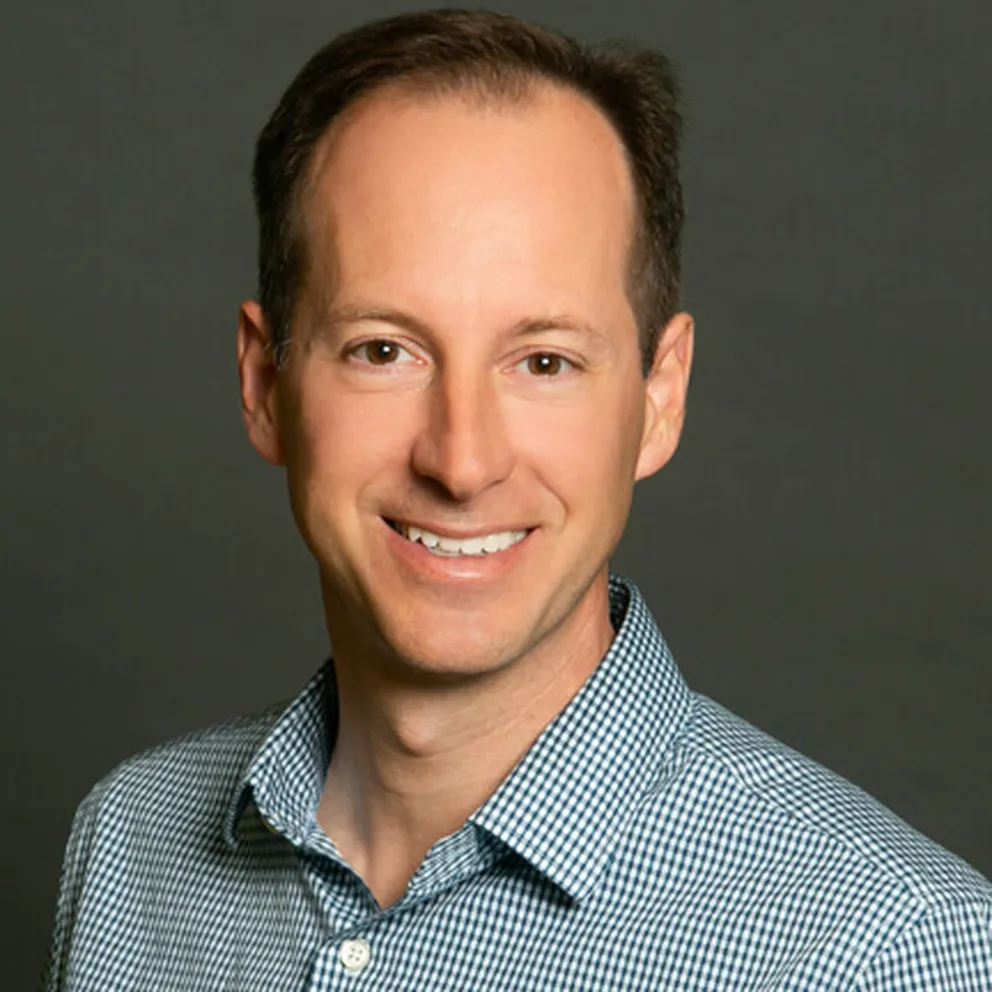
Brian Dye
Brian Dye is the CEO of Corelight, the network detection and response (NDR) company behind the enterprise deployment of Zeek, the open-source network security monitor trusted by the U.S. military, major banks, and critical infrastructure operators worldwide. After a 20-year career spanning Symantec, McAfee, Citrix, and Intel, Dye joined Corelight as CPO in 2018 and was elevated to CEO in August 2020. Under his leadership the company has grown 40% annually, expanded its cloud/SaaS business by 300%, secured a $150M Series E at a $900M valuation in April 2024, and positioned itself at the intersection of AI-driven automation and high-fidelity network evidence.
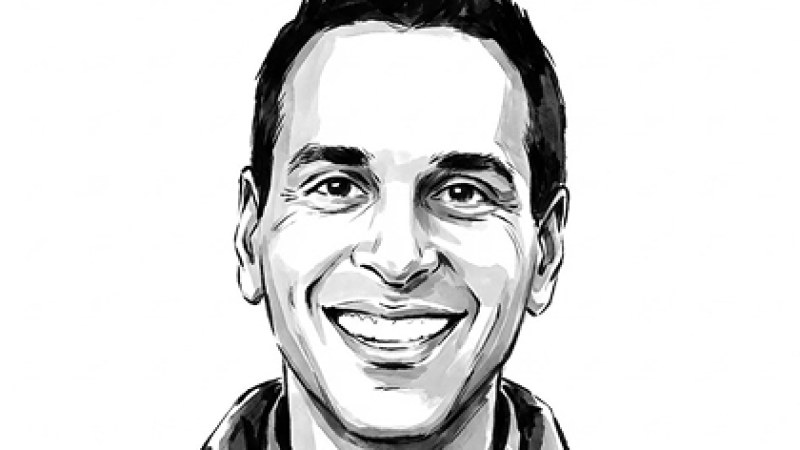
Ankur Singla
Ankur Singla is a three-time founder and serial entrepreneur who has built and exited companies totaling over $676 million in acquisitions. Currently Founder & CEO of Exaforce, an agentic AI-driven Security Operations platform based in San Jose, California, Singla is on a mission to give cybersecurity defenders a 10x productivity advantage. Before Exaforce, he founded Volterra (acquired by F5 Networks for $500M in 2021) and Contrail Systems (acquired by Juniper Networks for $176M in 2012 just nine months after founding). With a background spanning SDN, NFV, edge computing, and now agentic AI, Singla has consistently been at the frontier of enterprise infrastructure. Exaforce raised $75M in Series A funding in April 2025 and $125M in Series B in May 2026, reaching a $725M valuation.
David Erickson
David Sterling Erickson is the CEO and co-founder of Forward Networks, a Santa Clara-based company that pioneered the network digital twin. A Stanford PhD in Computer Science and one of the original architects of Software Defined Networking (SDN), Erickson co-founded Forward Networks in 2013 with three fellow Stanford PhD graduates to give enterprises mathematically accurate, real-time models of their networks - enabling visibility, compliance verification, and security posture management across complex multi-vendor environments. Under his leadership, Forward Networks has raised over $140M in funding, achieved 139% ARR growth, and serves marquee customers including Goldman Sachs, PayPal, and Telstra.