model-context-protocol
(9)
Benjamin Mann and the Long Detour to a Safer Machine
He left a comfortable engineering career, changed course after one unsettling book, and helped build both GPT-3 and Anthropic. Now Ben Mann works where product ambition and AI caution keep sharing the same desk.
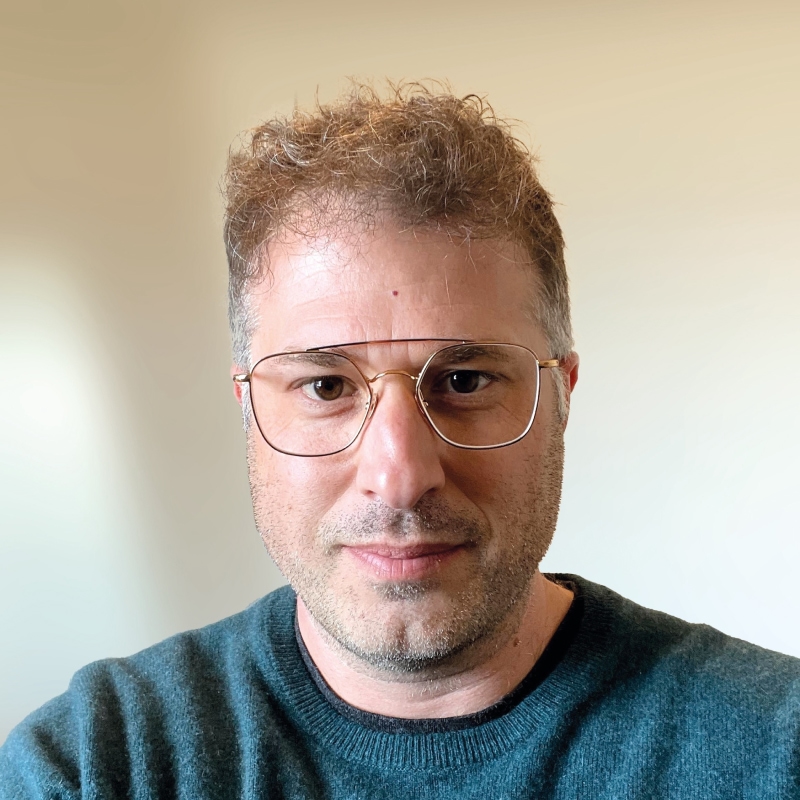
Dylan Etkin Measures the Moment Software Becomes Real
After helping Jira grow and watching Bitbucket scale, Dylan Etkin found the overlooked event that tells an engineering team whether its work matters: the deployment. Now he is applying the same practical instinct to AI skills, access and organizational memory.
Karim Rahme Is Building the Plumbing AI Agents Keep Tripping Over
He sold concert tickets in Abu Dhabi, graduated from NYU, got rejected by Y Combinator, tried again, and turned a mess of OAuth flows into Metorial. Karim "Wen" Rahme's useful obsession is the unglamorous layer between an AI agent and the real world.
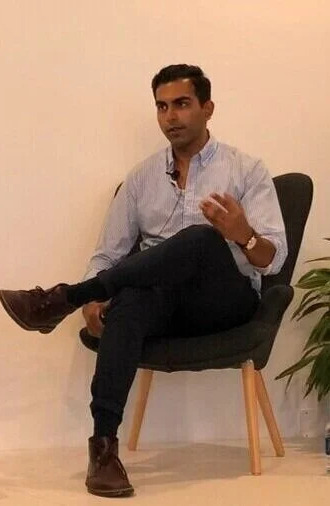
Achintya Ashok Is Teaching AI Agents Which Tools to Pick
After building systems for currency traders, streaming audiences and crypto customers, the OneGrep co-founder is tackling a quieter AI problem: giving agents the judgment to use their tools well.

Andrew Sy Is Teaching Software to Read the Room
After building inference systems at Scale AI and security software at Opal, the math-competition alumnus is betting that better growth technology begins with a modest skill: knowing when not to interrupt.
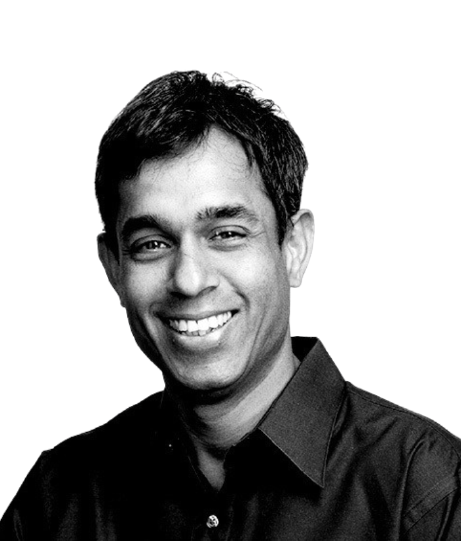
Aman Singla Keeps Building the Missing Layer
From wireless chips to cloud-managed homes to governed AI agents, Aman Singla has spent three decades working on the infrastructure between a promising idea and the messy systems it must survive.
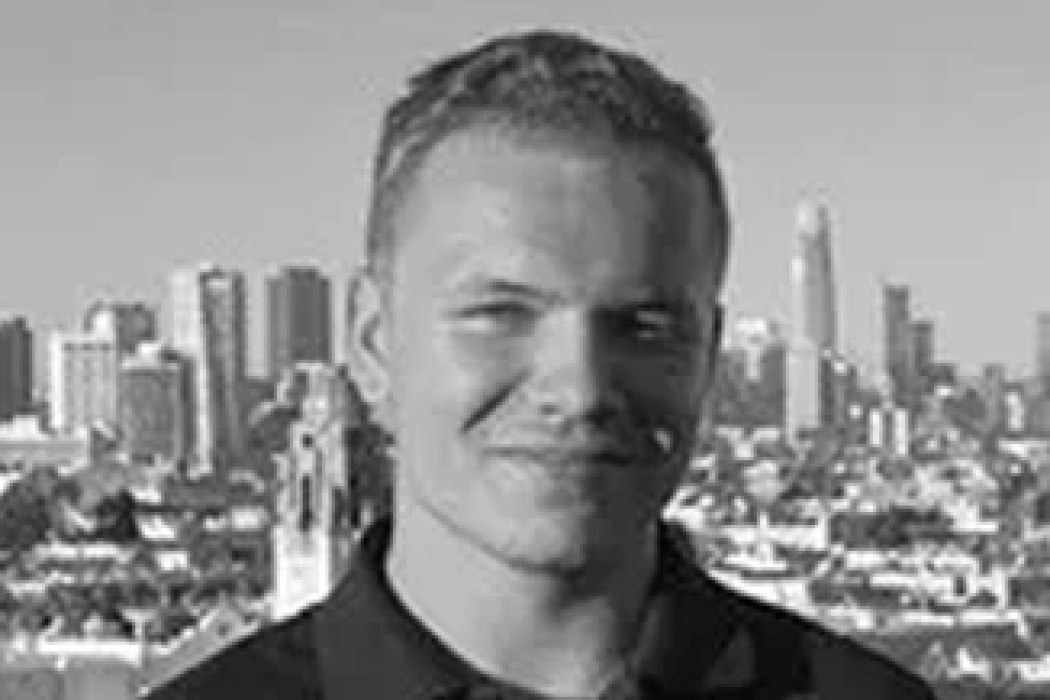
Wojciech Blaszak
Wojciech Blaszak is the co-founder and CEO of Golf (YC X25), a San Francisco company building a security and governance control plane for the Model Context Protocol (MCP), the layer where AI agents connect to company data. He started his first business at 14, grew it to around $200k in revenue, and left university after a single semester to build full-time with his longtime collaborator Antoni Gmitruk. Golf began as an open-source framework for shipping production MCP servers and grew into an enterprise product that discovers shadow AI, enforces per-tool policies, and produces compliance-ready audit trails.
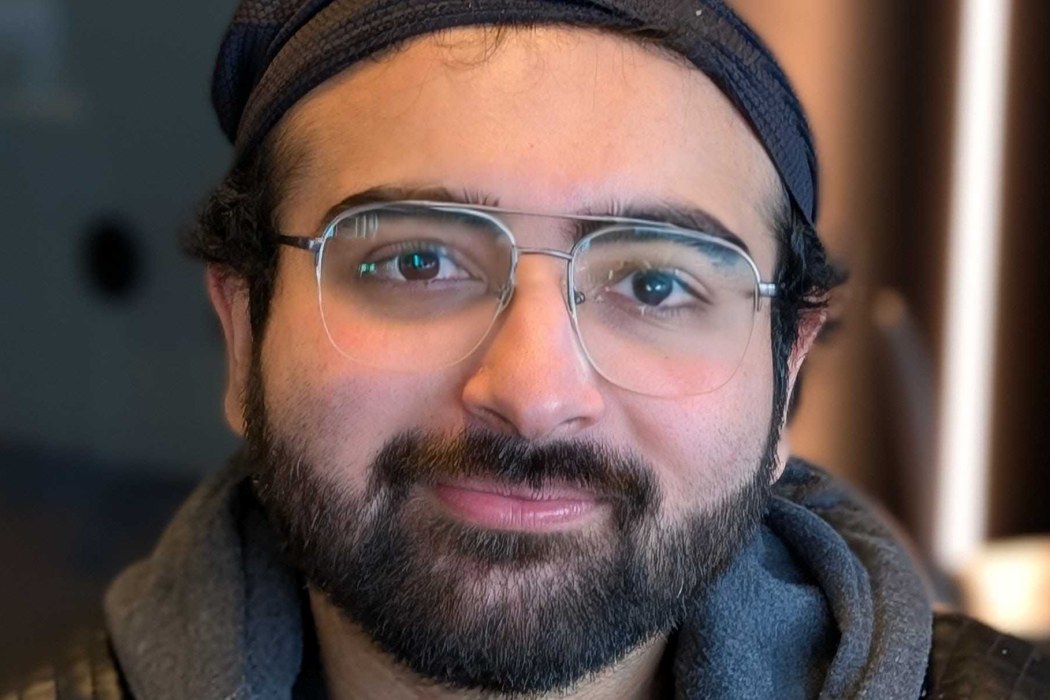
Saoud Rizwan
Saoud Rizwan is the founder and CEO of Cline, an open-source AI coding agent that runs inside code editors like VS Code. He built the first version in June 2024, about ten days after Anthropic released Claude 3.5 Sonnet, as a side project for the company's Build with Claude hackathon. He didn't win, but the project caught fire online and Cline has since passed millions of installs and raised $32M in seed and Series A funding from Emergence Capital and Pace Capital. Before Cline, Rizwan was a prolific iOS and Swift open-source developer. His pitch is unusually blunt for the AI era: Cline captures zero margin on AI usage, shows developers exactly what each request costs, and lets them bring their own models.
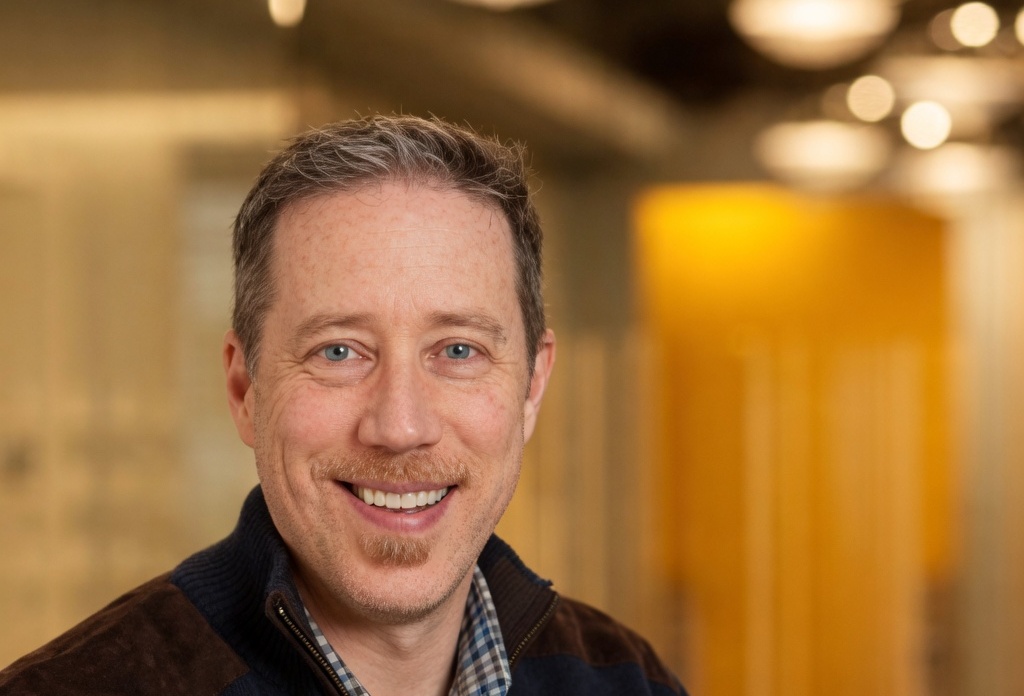
Tim Wagner
Tim Wagner is the co-founder and CEO of Vendia, and the inventor of AWS Lambda - the service that launched the global serverless computing movement. With a PhD from UC Berkeley and stints at AWS (as GM of Lambda, API Gateway, and Serverless App Repository) and Coinbase (as VP Engineering), Wagner brings a rare double expertise in serverless infrastructure and blockchain. At Vendia, he has combined both disciplines to build a platform that enables secure, real-time data sharing across companies, clouds, and ecosystems - positioning it as the operating layer for the AI data era.