menu-innovation
(12)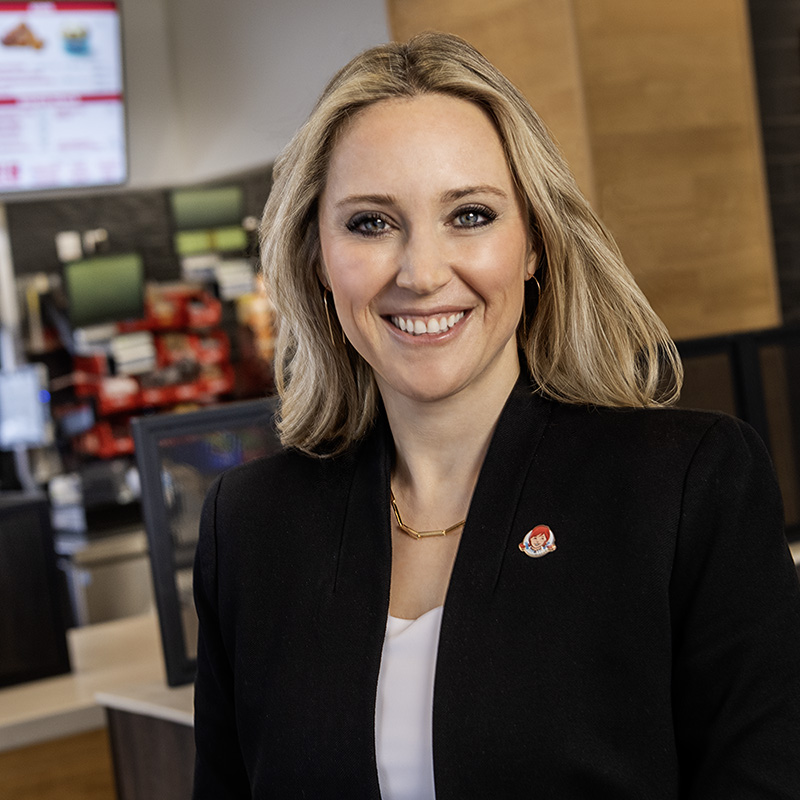
Lindsay Radkoski Learned to Market Burgers by Reading the Numbers
She entered Wendy's through investor relations, learned the machinery behind the menu, and emerged as the marketer behind value platforms, loyalty and a very online redhead. Now a 15-year chapter is entering its final stretch.

Chris Newcomb’s Second Act Began by Taking Down the Wall
The Newk’s co-founder turned an accidental restaurant job into a lifelong study of food, people, and the invisible machinery behind a good lunch.

Katherine Bond-Debicki Is Teaching an Old Bucket New Tricks
KFC Canada’s marketing chief has spent a decade turning heritage into a working asset - balancing the Colonel, the bucket and 11 herbs and spices with digital ordering, cultural timing and a sharper appetite for change.
How KFC Canada Turns Weird Side Quests Into a Growth Strategy
The chicken chain’s Canadian playbook is equal parts local sourcing, pop-culture mischief and operational discipline. Now it is putting C$30 million behind a bigger question: can a bucket brand own the afternoon drink run?
Pizza Pizza Turned One Bad Digital Stat Into a 750-Store Feedback Machine
Canada’s orange pizza chain discovered that one in three digital-delivery customers had a problem. Its response - simplify the order, test in public and turn every menu launch into measurable theatre - is a playbook operators can actually copy.
What Restaurant Operators Can Steal From Newk's: It Lost the Dining Room, Then Found a Leaner Growth Plan
When COVID-19 erased 75 percent of its business, the nearly 100-unit Southern chain did not abandon scratch cooking. It cut the clutter around it - and turned a four-day curbside scramble into a more disciplined franchise playbook.

Condado Tacos Turned the Check-Off Menu Into a Growth Machine
The Columbus chain does not sell authenticity theater. It sells choice - then uses murals, margaritas and a surprisingly sophisticated loyalty engine to make 50-plus restaurants feel local.
California Pizza Kitchen Wants to Be Everywhere You Don’t Need a Waiter
The chain that made barbecue chicken pizza a mall-era staple is betting its next act on a wider idea: CPK wherever people eat, from hearth ovens to grocery aisles and vending machines.
The $4.99 Question Inside Smashburger’s Second Act
The chain that helped turn a cooking technique into a category is simplifying its menu, sharpening its value pitch and asking a harder question: can craft, speed and scale share the same griddle?
Noodles & Company Wants to Be the Place Where Every Craving Fits in One Bowl
The Colorado chain built a national business by treating noodles as a universal language. Now it is testing whether a sharper menu, a strong digital habit and fewer weak stores can turn variety into durable growth.
Papa Johns
Papa Johns sells pizza, but the bigger machine sells consistency - fresh dough, franchise support, digital ordering and a familiar garlic-sauce ritual across nearly 6,000 restaurants. Now that machine is being rebuilt while North American diners pull back.

US Foods
The trucks are the boring part. The second-largest food distributor in America is really a menu consultant, a private-label factory and a fintech-for-restaurants wearing a delivery company's coat.