jersey-city
(11)
Utkarsh Garg and the Quiet Grammar of Collective Defense
A decade inside cybersecurity has taken Garg from building software in Bengaluru to shaping the shared language of threat intelligence - the unglamorous, essential work that lets defenders act together.

The Little Samples That Built Big Beauty
A studio-apartment PR shop made free samples into a growth engine. Four decades later, its name has changed, its toolkit has widened, and its favorite raw material is still the brand nobody quite knows how to explain.
Little Bird Built a Business Out of Knowing Who Should Meet Whom
Becca Falborn turned the advertising business's oldest tool - the trusted introduction - into a company that sells, publicizes and problem-solves for independent creative shops.

Melissa Hendricks Has a Four-Hour Rule for Fixing Bad Work
At Verisk, Melissa Hendricks turned a tangle of brands into one clearer story. Her more revealing work, though, may be a management philosophy built on red teams, Sherpas and the grace to come back better in four hours.
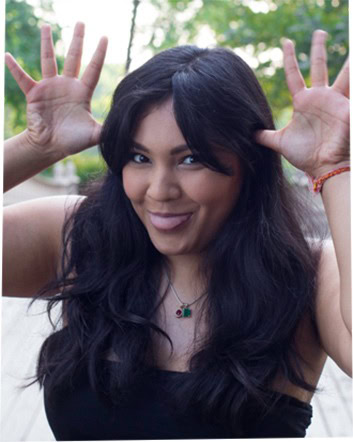
Shubhangini Prakash Built a Beauty Brand by Taking Things Out
The former banker turned a hand-pressed tablet, an Indian family ritual and a stubborn preference for fewer ingredients into Feather & Bone. A decade in, her most useful business lesson is still the simplest: remove what the customer never needed.
The Dime-Sized Rebellion Against Your 20-Ingredient Face Wash
Shubhangini Prakash left banking, learned to distrust her own bathroom shelf, and built a skincare line around a tablet you can read in a single breath.

Proximo Spirits
Proximo Spirits is only 19 years old, but it carries a 268-year inheritance. Its real product is the system that turns agave fields, old stills and sharply drawn brands into bottles people can find almost anywhere.
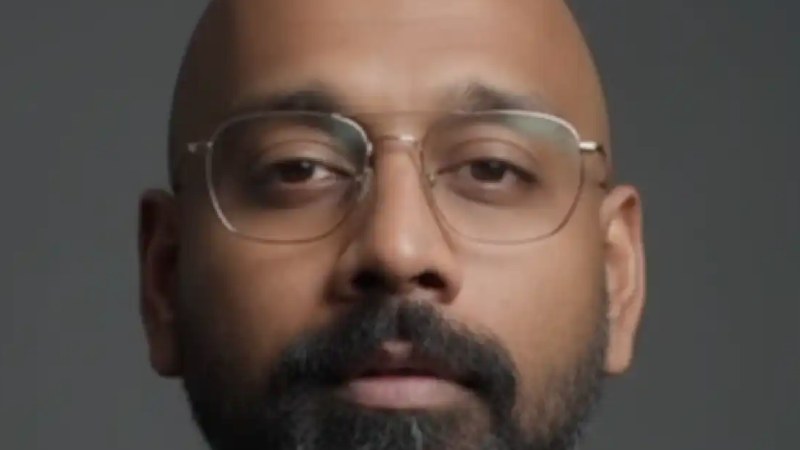
Siva Surendira
Siva Surendira is the founder and CEO of Lyzr AI, a Jersey City-based enterprise agent infrastructure platform building what he calls an Agentic Operating System for Fortune 500 companies in finance, retail, and government. A two-time founder, he previously built PowerUpCloud (acquired by L&T in 2019) and started Lyzr in 2023. Lyzr raised an $8M Series A in 2025 followed by a $14.5M Series A+ in March 2026 led by Accenture Ventures, pushing valuation to about $250M.
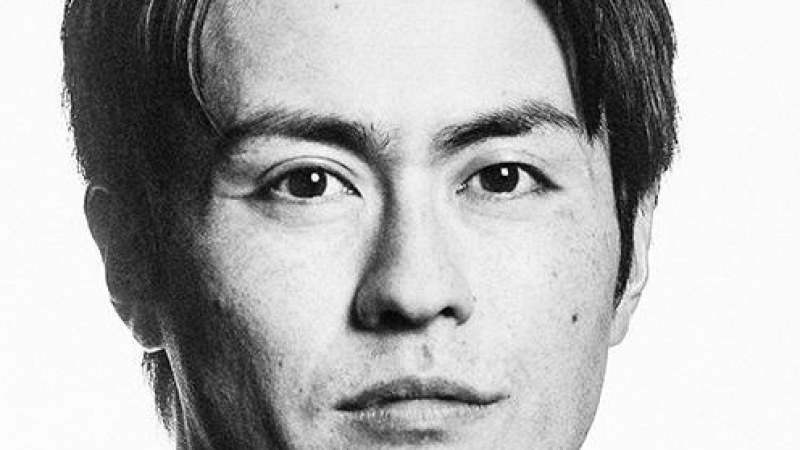
Hiroki Koga
Hiroki Koga is the co-founder and CEO of Oishii, the New Jersey company that grows the Omakase Berry inside the world's largest indoor vertical strawberry farm. A Tokyo native who watched Japan's vertical-farming boom collapse a decade before he built his own, Koga bet on a fruit nobody else would touch - strawberries - because they were the hardest crop to grow at scale and the only one with the economics to matter. By recreating the climate of the Japanese Alps indoors and getting bees to pollinate at over 90% success, Oishii became the only player to produce pollinated fruit commercially, pesticide-free and year-round.
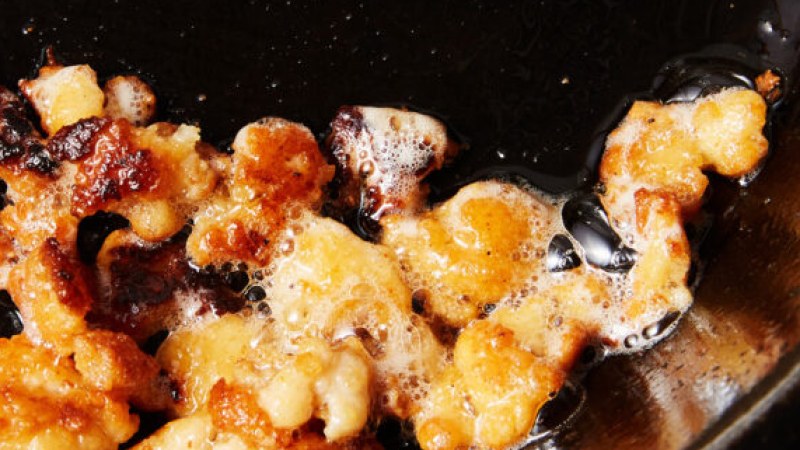
Fork & Good, Inc.
Fork & Good is a Jersey City-based cellular agriculture company growing real meat from animal cells instead of whole animals. Founded by urban-farming entrepreneur Niya Gupta and cultivated-meat pioneer Gabor Forgacs, the company built a pilot factory that produces cultivated pork using a patented bioprocess centered on muscle cells and high-density bioreactors. Its goal is to reach price parity with commodity meat - targeting roughly $2 per pound - while using a fraction of the land and water of conventional farming. In 2025 it acquired California's Orbillion Bio to combine cultivated pork and beef under one global platform spanning North America, Europe, Asia and the Middle East.
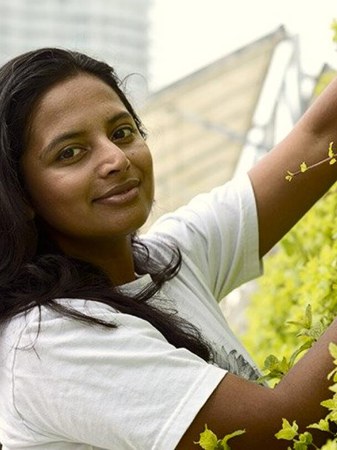
Niyati Gupta
Niyati Gupta is the co-founder and CEO of Fork & Good, a Jersey City cultivated-meat startup betting against the rest of its industry. While competitors chase ever-bigger bioreactors, Gupta builds small ones, arguing that the way to make cell-grown pork as cheap as the real thing is to copy the efficiency of a pig, not the scale of a brewery. A Yale economist and Harvard MBA who advised Nigeria's agriculture ministry and ran a rooftop farm in Singapore before being 'bullied' into starting Fork & Good, she has raised roughly $30M, earned the industry's first cultivated red-meat revenue via a deal with an $8B food manufacturer, and held a public tasting at Davos where half the tasters could not tell her blend from conventional pork.