industrial-innovation
(11)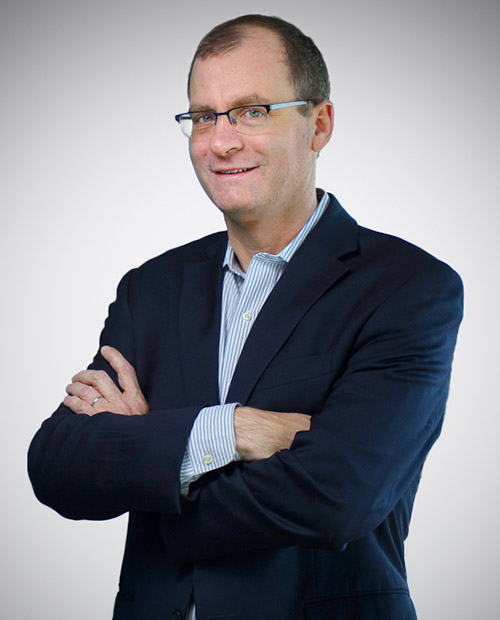
David Mindell and the case of the missing humans
From deep-sea shipwrecks to the factory floor, David Mindell has spent his career studying what happens when people and machines work together. The Humatics co-founder and MIT professor keeps finding human judgment where the automation story leaves it out.
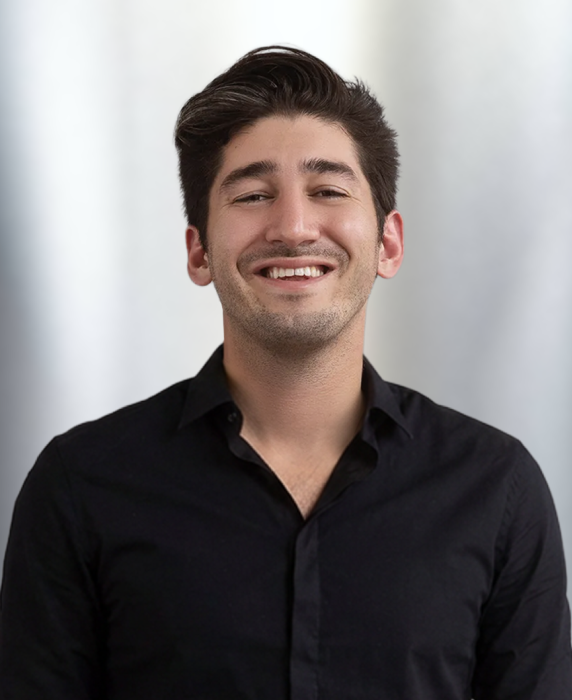
Kerem Ozmen and the Cost of Making Things Real
From Reno’s startup community to nuclear power, remote computing and electric racing, Kerem Ozmen has built an investing career around a stubborn question: what does it take to get an ambitious machine into the world?
Switzerland Innovation Park Basel Area sells scientists a head start
A biotech company can lose months before its first experiment. In the Basel Area, shared labs and room to grow turn the landlord into part of the research strategy.
BizMaker opens the factory door for Sweden’s startups
A good invention still needs someone willing to test it, buy it and take its calls. In Västernorrland, BizMaker puts young companies within reach of the industry already there.
IoT Valley starts with the catastrophe
In Labège, a community of B2B startups asks industrial companies to bring their awkward problems. The useful innovation begins before anybody chooses a sensor.
InovAtiva opens the startup door. Founders still have to sell.
Brazil’s public-private accelerator offers free mentorship without taking equity. Its harder lesson: a clever product still has to win a customer.
La French Tech Lille puts the right people in the room
In northern France, a nonprofit turns startup networking into bookable appointments, industrial introductions and a route into public procurement. Its most useful promise is also its least glamorous: saving founders time.
SMART GREEN gets climate tech closer to its first customer
The Freiburg startup hub connects researchers, founders, investors and industrial buyers. Its most useful offering may be a chance to prove that a clever technology belongs in somebody’s business.

La French Tech Paris-Saclay Knows Who You Need to Meet
A quantum physicist, a startup founder and a public-service expert have reasons to be in the same room. La French Tech Paris-Saclay makes the introductions - with free appointments, shared facilities and a founder network built around deep tech.
Södertälje Science Park and the trouble with making things
A working prototype is only the beginning. In Sweden’s industrial heartland, Södertälje Science Park helps hardware founders meet the people, suppliers and production problems that come next.
Cory Sanderson Is Trying to Make Carbon Removal Boring Enough to Scale
After years inside industrial gas systems, the Sustaera co-founder rebuilt direct air capture around a stubborn idea: climate hardware wins when the complicated parts disappear.