industrial-hardware
(12)
The Machine That Makes Hydrogen Boring
EVOLOH began with a grand hydrogen promise. Its more interesting idea is smaller: redesign the stack, the factory and the power connection until an electrolyzer behaves like ordinary industrial equipment.

SciAps Put a Materials Lab in One Hand - Then Sold for Up to $260 Million
SciAps began with a stubborn technical gap: the field's standard X-ray guns could not see the light elements its customers cared about. A decade of lasers, X-rays and muddy-boots product development turned that blind spot into a fast-growing instrumentation business.
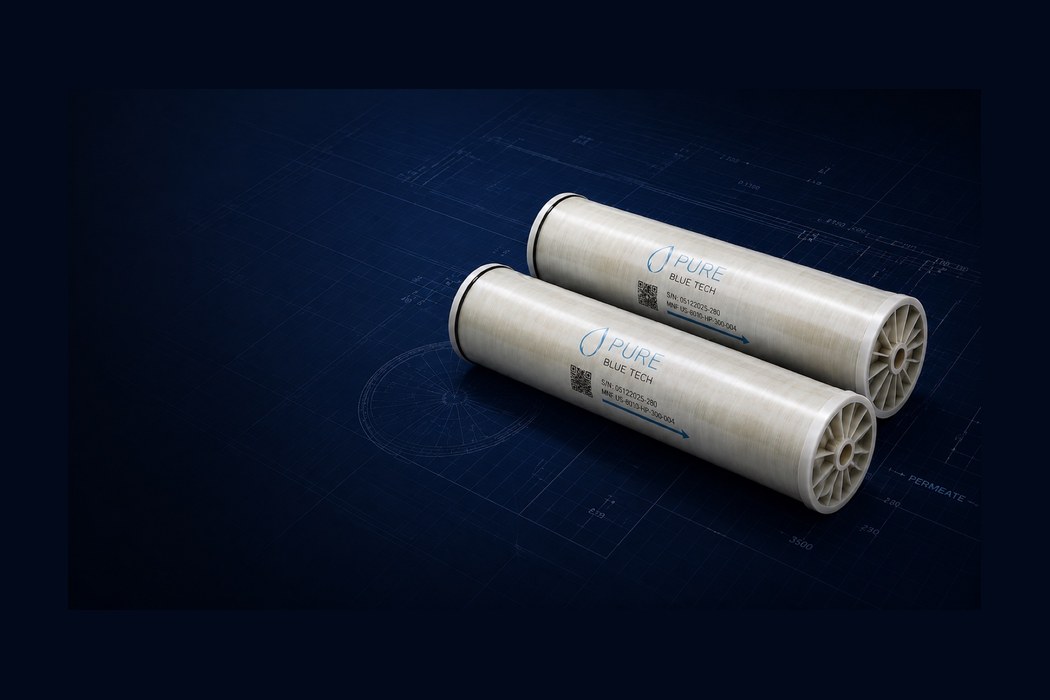
Pure Blue Tech Put a Tiny Speaker Inside a Water Filter - and Found a Cheaper Way to Fight the Gunk
Reverse-osmosis plants spend their lives fighting what sticks to a membrane. This 13-person Washington manufacturer wants to make the filter defend itself - without making operators rebuild the plant around it.

Leviton Turned a Light Socket Into a 120-Year Hardware Empire - Here’s the Expansion Playbook
The family-owned manufacturer began with a part for gas lamps. Its real trick was learning when to abandon the product category - without abandoning the customer, the channel, or the wall.

Sustaera Scrapped Years of Work to Build a Cheaper Carbon-Capture Machine
Direct air capture has a brutal math problem: too much machinery chasing too little CO2. The North Carolina startup’s answer was to kill its first product, shrink the team and redesign the machine around electricity, ceramics and a cost target the market might actually buy.

Sanmina's $3 Billion Factory Bet - and the Playbook Hardware Founders Can Steal
Sanmina spent up to $3 billion to move from the quiet machinery behind medical scanners and network boxes into rack-scale AI infrastructure. The useful lesson is not "get bigger" - it is how to make difficult hardware less risky before the purchase order arrives.

Blackview Built a Phone That Survives the Jobsite. Can Its Software Keep Up?
The Shenzhen hardware company turned waterproof phones into a global catalog of thermal cameras, giant batteries and pocket projectors. The clever part is the feature stack; the unresolved part is what happens after the hardware ships.

Atlantic Radio’s 36-Year Bet: When Phones Falter, the Walkie-Talkie Still Gets the Job Done
A South Florida team of eight has spent 36 years selling an unfashionable advantage: one-button communication that survives noise, weather, dead zones and work gloves. Its real product is not the radio - it is removing every reason the radio might fail on shift.

The AI Boom Has a Plumbing Problem. nVent Wants to Fix It.
Chips get the headlines. nVent makes the boxes, busways, power connections and liquid-cooling systems that help keep those chips - and the electrified world around them - running.

Vestas Built 200 Gigawatts of Wind - Now the Real Business Is Keeping It Spinning
The Danish manufacturer sells machines the height of skyscrapers, then stays for decades to keep them productive. Its 200-gigawatt installed base has become both an engineering record and a service network competitors must chase.

Zoeller Company
Zoeller built an 87-year business around a machine most people notice only when it stops. Its edge is not novelty for novelty's sake, but obsessive testing, contractor trust and a family portfolio that follows water almost everywhere it needs to go.
Flexco
A tiny steel joint can decide whether a mine, bakery, or parcel hub keeps moving. Flexco has spent 119 years turning that vulnerable seam - and the rest of the conveyor - into a global business built around uptime.