hr-software
(16)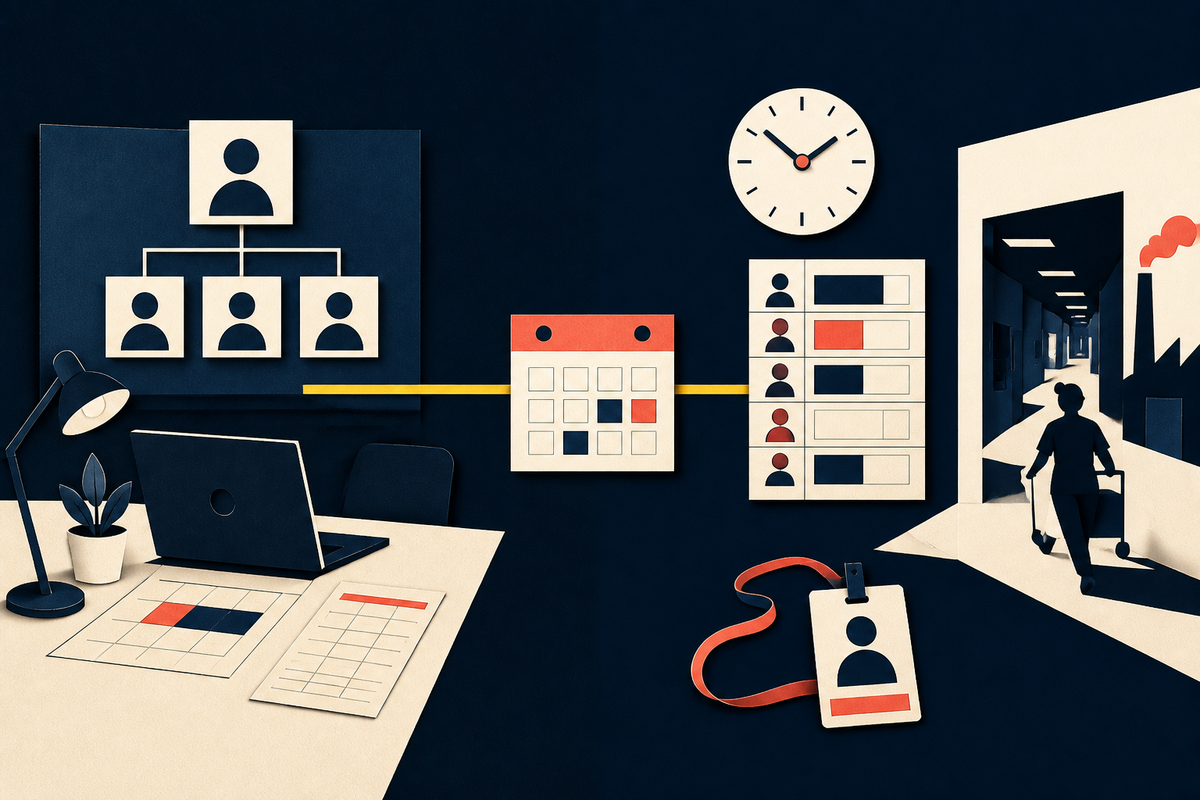
Workday or UKG Depends on How Your People Work
The real HCM choice is not a feature-counting contest. It is a decision about whether your hardest problem lives in the enterprise data model or on the next shift.

Justworks vs TriNet Is a Bet on Simplicity
Both companies can take payroll, benefits and compliance off a small business's plate. The sharper choice is whether you want a published menu or a tailored relationship - and whether you need a PEO at all.
Deel Went Wide. Papaya Built the Rails.
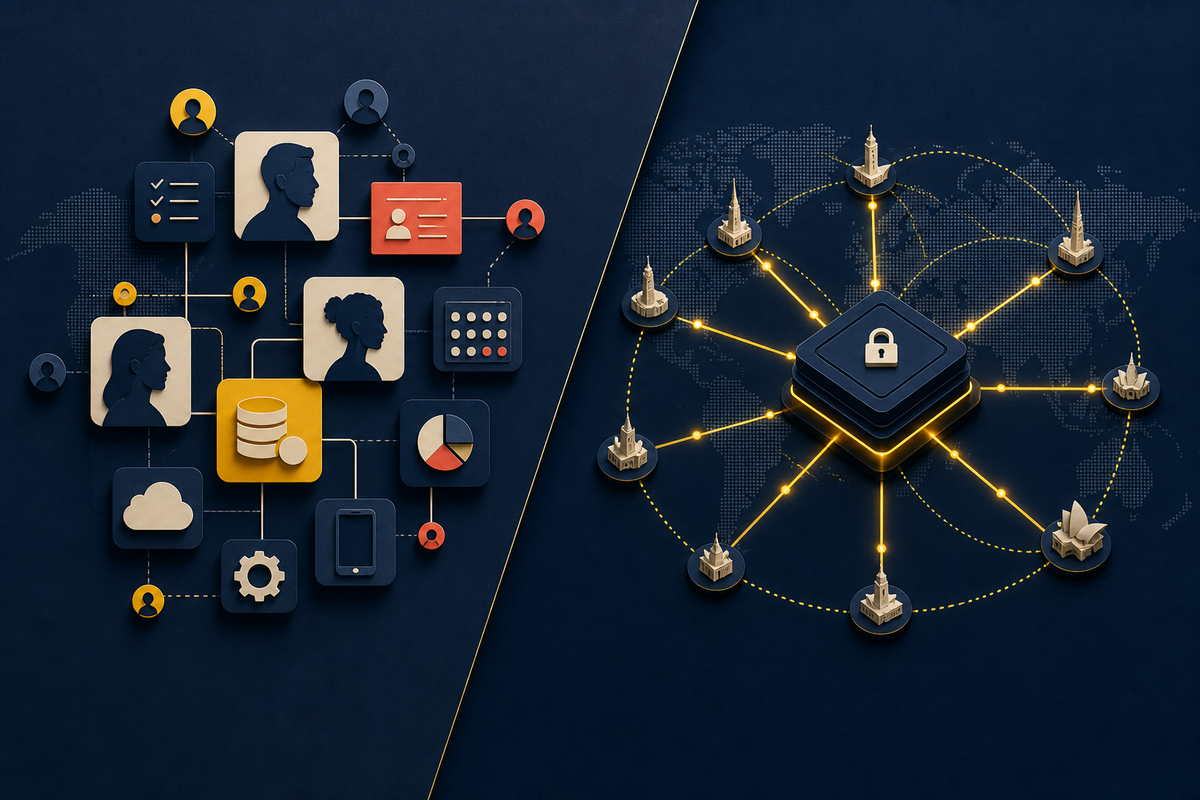
The global payroll rivals started in the same lane. Now Deel is assembling an HR operating system while Papaya Global is betting that owning the payment layer matters more.

Gusto and Zenefits Made the Same Pitch With Different Math
Both promised to make small-business HR feel simple. Their pricing histories show why the bill you can see is only half the buying decision.

Lattice and Culture Amp Built the Same Suite Backwards
The two people platforms now sell strikingly similar toolkits. Their opposite starting points still reveal which one belongs in your company.

Sequoia Stayed Independent While Zenefits Became TriNet
The old head-to-head no longer exists. For buyers, the useful question is whether they want Sequoia’s advisor-led comp and benefits model or the TriNet platform that absorbed Zenefits.

BambooHR or Paylocity Depends on What You Need to Control
BambooHR makes the cleaner case for a growing team that wants HR to feel manageable. Paylocity earns its complexity when payroll, finance and IT need to operate from the same system.

Your Performance Software Is Quietly Choosing Your Management Style
Lattice and 15Five now overlap on nearly every feature. The useful difference is the behavior each platform makes easiest: running a connected talent system or coaching managers week by week.

Rippling Wants the Whole Company. Gusto Starts With Payroll
The familiar payroll comparison misses the real choice. Rippling is built to make one employee record run HR, IT, and finance, while Gusto keeps its attention on the small-business people stack.

The HR Software Choice Hiding in Your Meeting Calendar
Culture Amp and 15Five overlap on features, but they organize work around different centers of gravity. The better choice starts with who owns the rhythm: HR running the system or managers living in it.

Rippling or Justworks Depends on Who Employs Your Team
The dashboards may look similar, but the contract underneath them can move payroll-tax duties, workers' compensation and employer status. Compare the product model before comparing the feature list.

Your HCM Shortlist Is Really a Systems Bet
Oracle and UKG cover much of the same HR ground. The consequential choice is whether people data should live inside a wider enterprise suite or anchor a workforce platform of its own.
Brex and Rippling Want Your Spend for Different Reasons
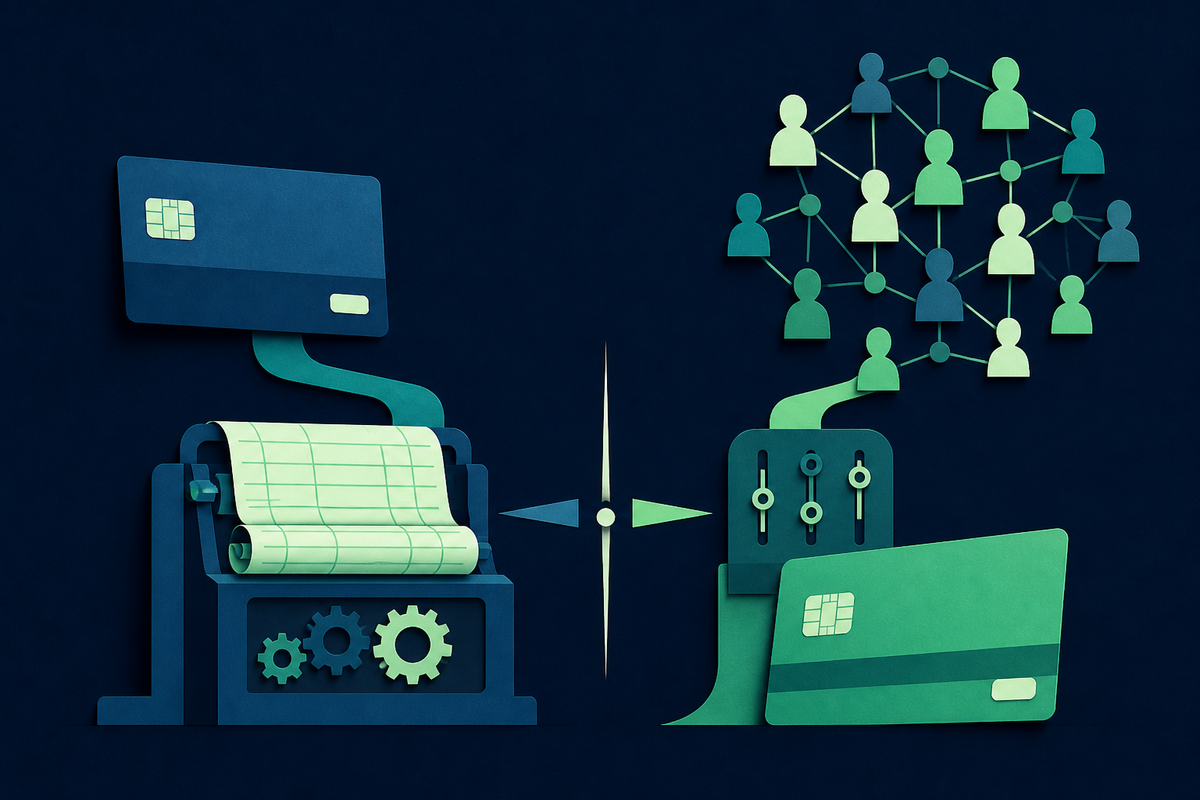
Brex built a finance stack and learned to choose its customers. Rippling built a workforce system and turned spend into one more reason to stay.

BambooHR or Paylocity Depends on Where Your Pain Starts
These HR platforms now overlap, but they still reveal their origins. The better choice depends on whether your hardest problem is organizing people data or running payroll at scale.

The Payroll Choice That Quietly Redesigns Your Company
Gusto makes payroll and core HR easy to price. Rippling asks buyers to assemble a broader operating system - and to get a quote before they know what it will cost.

Your HCM Vendor’s Owner Is Part of the Product
Workday, SAP SuccessFactors, Oracle HCM Cloud and UKG sell overlapping promises. Their ownership structures reveal which compromises buyers are actually choosing.