healthcare-operations
(20)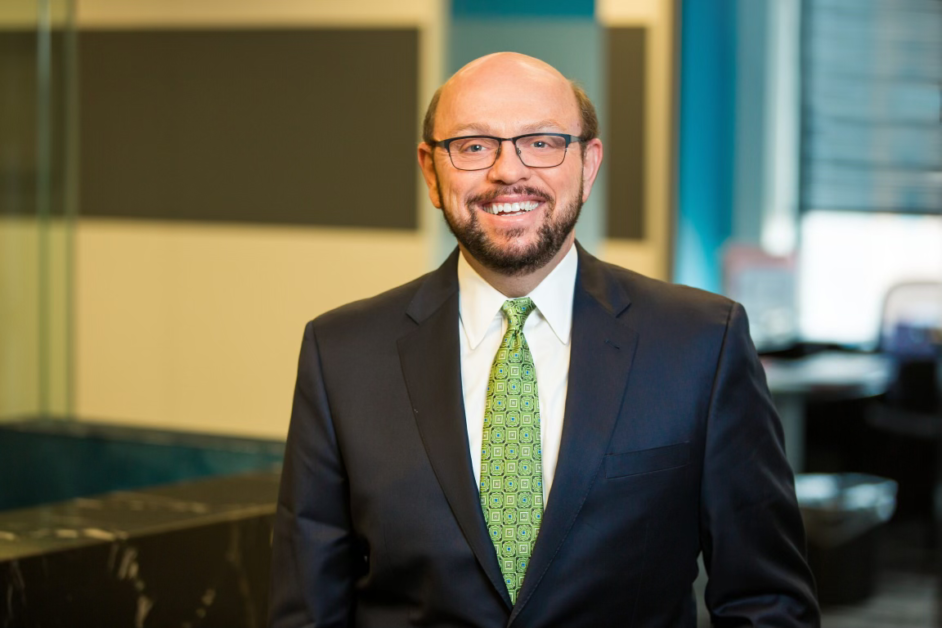
Jim Boswell Bet the Next Healthcare Breakthrough on Giving Time Back
After decades inside physician organizations, Jim Boswell founded Onpoint to return clinicians' scarcest resource: time. His route from finance to healthcare AI explains why his favorite technology question is not what it can do, but whether it fits the work.
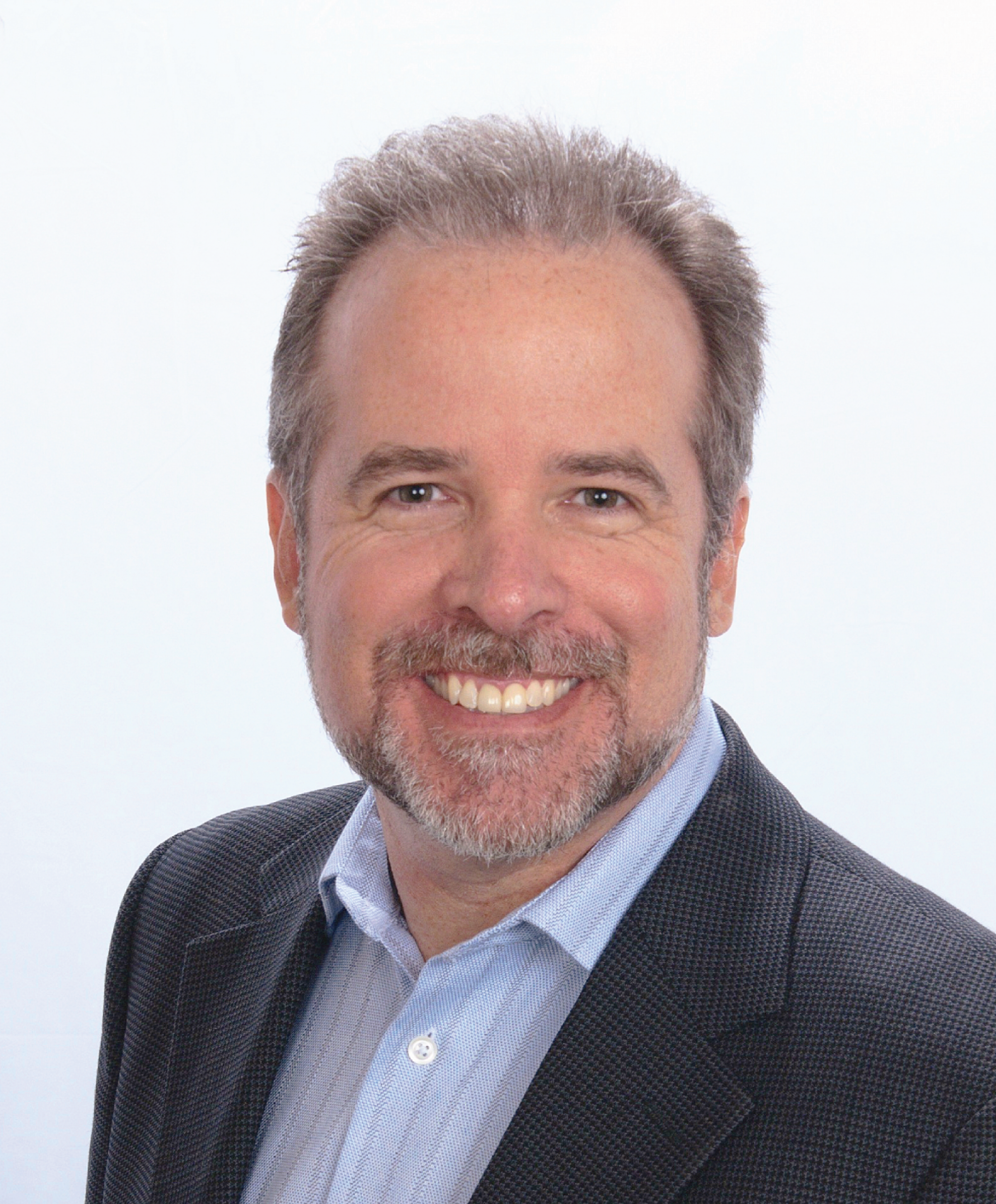
Guy Mansueto Has Spent 30 Years Making Complicated Healthcare Technology Make Sense
Before he sold the promise of healthcare software, Guy Mansueto helped install it. That operator's education became the quiet advantage behind a career spanning Allscripts, Phytel, IBM Watson Health, Bamboo Health and PartsSource.

Juvare Built the Operating System for the Hour Everything Goes Sideways
When hospitals fill, storms land or a power grid falters, the first casualty is often a shared sense of reality. Juvare sells that shared picture - and a growing stack of tools for acting on it.
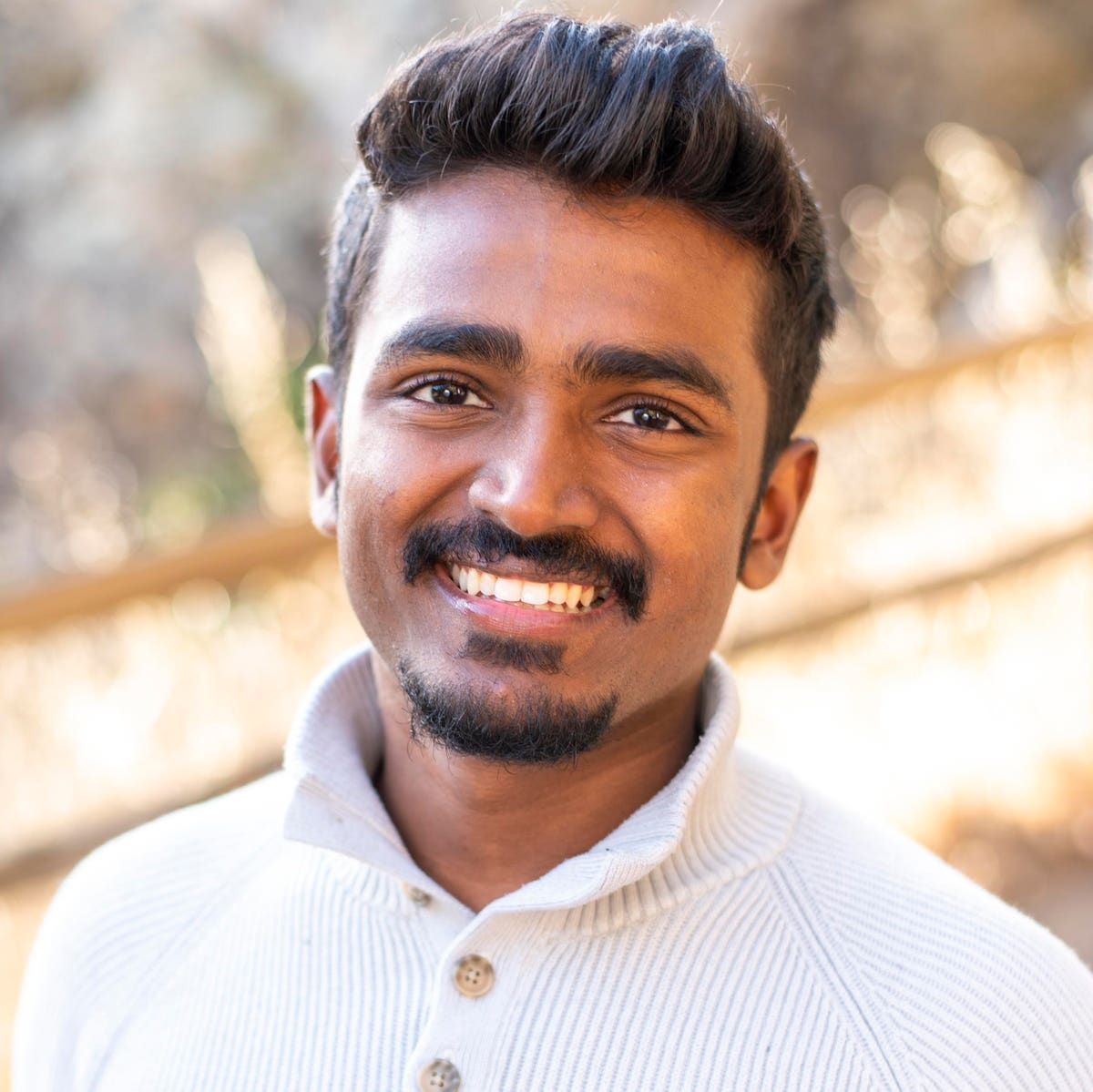
Kesava Dinakaran Solved 290 Cubes. Then He Took On a Bigger Puzzle
A cube record, 4,000 kilometers by bicycle and more than 100 unanswered investor emails taught Luminai's founder the same lesson: complicated systems yield to patient, repeatable moves.
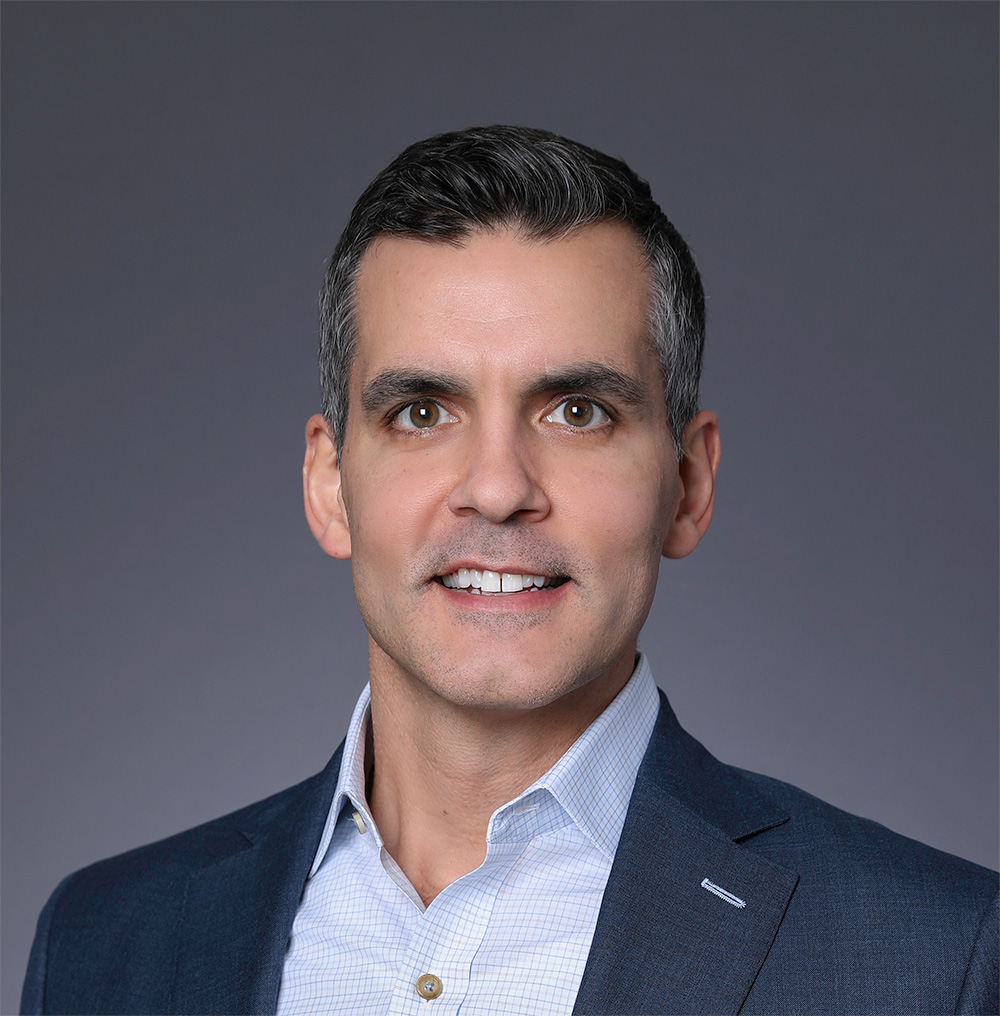
Benjamin Shaker Built One Market. Then It Became the Operating Manual.
Agilon health began its national field test in Columbus with Benjamin Shaker at the controls. His career since has been an exercise in making a local partnership repeatable without making it generic.
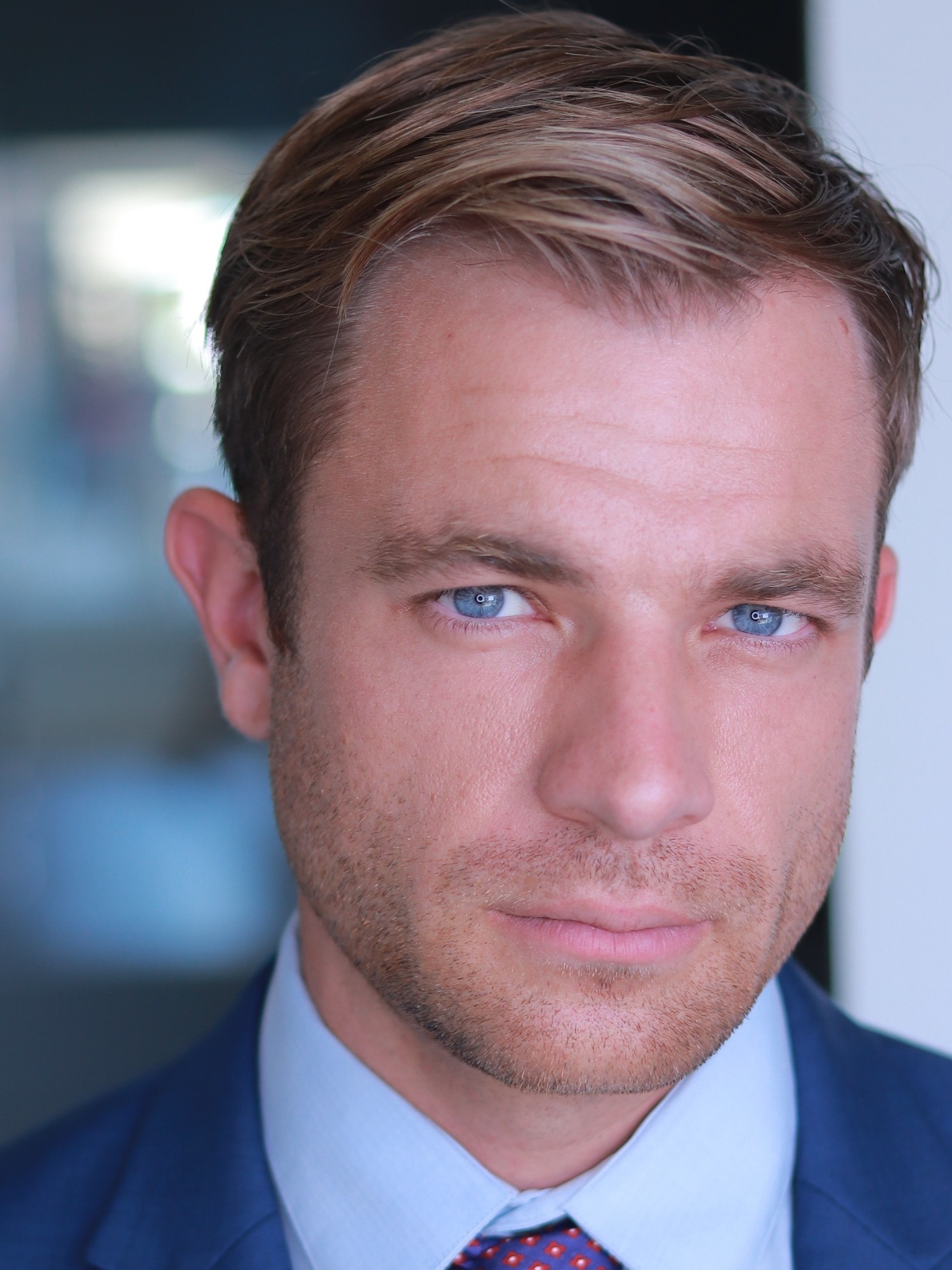
Sam Slezek Is Taking on the Paperwork Nobody Wants
After Morgan Stanley, venture capital, Instacart and Scale AI, Sam Slezek chose a gloriously unglamorous problem: helping healthcare organizations get through the paperwork between a provider and an insurance network.
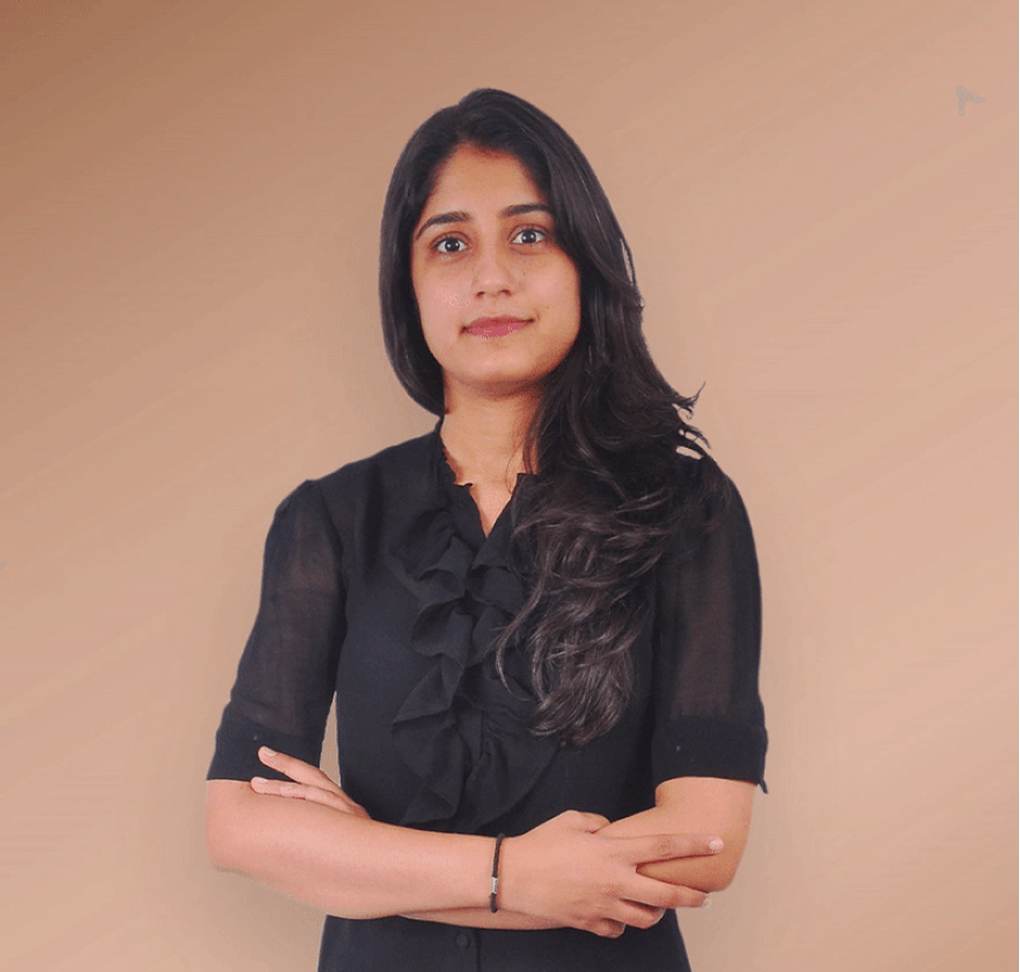
Kriti Arora Left the Spreadsheet Behind. The Messy Work Was Just Beginning.
The Mantys founder moved from consulting to venture capital to SaaS finance, then followed the harder problem into hospital corridors across the Gulf. Her operating philosophy is unusually plain: chase the truth, mind the small details, and let the work change your mind.
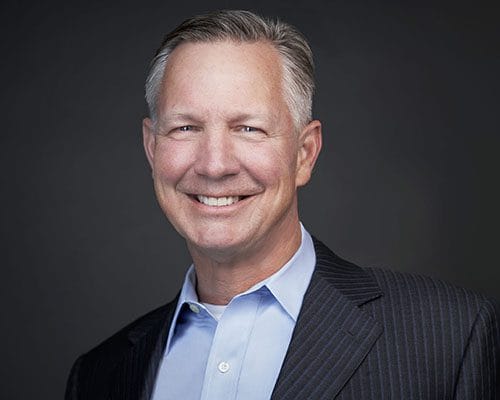
John Erwin Built a 20-Person Bet Into a Healthcare Switchboard
He spent 15 years learning how conversations move people. Then he carried that lesson into healthcare, where the next useful action can matter more than the cleverest software.

The Outlook Guys Found a $100 Million Problem Hiding in Your Doctor's Phone Queue
Pretty Good AI is betting that the useful future of healthcare AI is not a robot doctor. It is a tireless operator that answers on the first ring, knows the scheduling rules and puts the result in the right athenaOne field.
Russ Richmond Is Building Software for the People Stuck Between Strategy and the Shift
The Laudio co-founder has spent a quarter-century turning healthcare data into action. His product insight is disarmingly simple: software should give a manager time back, then get out of the way.
The Home Spirometer a Father Couldn't Buy Became RemetricHealth's Remote-Care Business
Wayne Meng went looking for a way to measure his daughter's lung function at home and found a blank shelf. The device he built became the wedge for a broader bet: remote care works better when someone handles the hardware, the data and the human follow-up.
The Newport Beach Holding Company Quietly Running Labs, Call Centers and a Mental-Health Machine
Upfront Inc doesn't pick one lane. From a Newport Beach office it runs mental-health programs, diagnostic labs, call centers and a PR shop as parts of the same growth engine.

The Beauty Roll-Up That Refuses to Erase the Name on the Door
United Aesthetics Alliance is assembling a national network of plastic surgery practices and medical spas without turning them into a single chain. Its wager is that shared capital, recruiting, marketing, and technology can scale - while clinical judgment and local reputations stay local.

The Company Behind the Clinic Boom
ICBD does not simply write checks. It lends young companies an operating system - and ABA Centers' rapid expansion shows both the appeal and the pressure of that model.
HCA Healthcare Built a Hospital Network Big Enough to Learn From Itself
The Nashville company turned a 1968 experiment in shared hospital resources into a vast care network. Its real edge is what happens when local medicine, centralized operations and 47 million annual patient encounters begin teaching one another.

Arctic Health
Arctic Health is a New York healthcare startup (YC P26) that automates provider credentialing and payer contracting. It pairs credentialing experts with an AI platform to get healthcare providers in-network across all 50 states and 300+ insurance networks, handling documentation, CAQH profiles, payer submissions, rate negotiation, and ongoing compliance so clinics and health systems can get paid faster.

MochaCare
MochaCare is a San Francisco startup in Y Combinator's Winter 2026 batch that runs the back office of home care agencies. It pairs AI agents with human operators to handle hiring, scheduling, and client intake end to end, so agency owners can spend less time on operations and more time growing and serving their communities.

100ms
100ms builds voice-first AI agents for U.S. healthcare operations. Founded in 2020 as a low-code live video and audio infrastructure platform, the company pivoted to healthcare, applying its real-time communications expertise to automate patient access workflows - benefits verification, prior authorization, referral intake, scheduling, and intake - so care teams spend less time on phones and patients start treatment faster. Its agents are built to be HIPAA-compliant, with clinical safety guardrails and human escalation.

Sandy Health
Sandy Health is a San Francisco healthtech company building an AI-powered operations platform that acts as the financial layer for healthcare. It connects scheduling, intake, eligibility verification, prior authorization, an AI clinical scribe, and revenue intelligence into one system so providers can predict reimbursement before, during, and after every visit. Founded by cancer survivor and MIT-trained engineer Diego Saavedra-Kloss, Sandy targets the administrative friction that drains time and revenue from patient care.
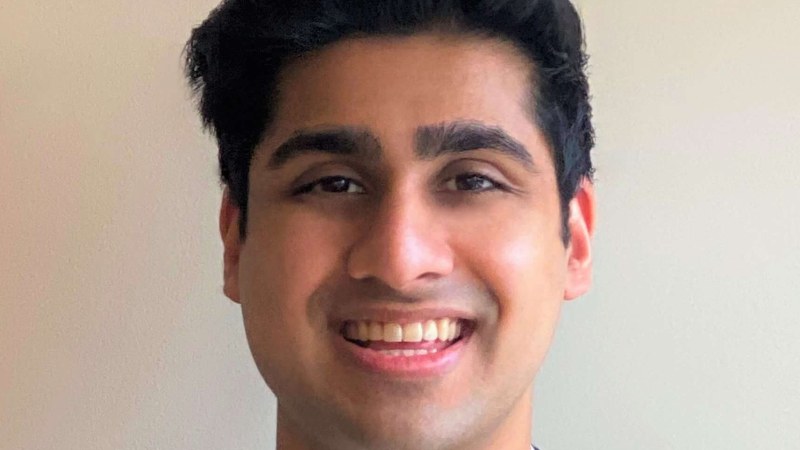
Veeraj Shah
Veeraj Shah is the co-founder and CEO of Vitalize (YC W23), a San Francisco company building software to fix hospital operations, starting with staffing and scheduling. A 2021 Gates Cambridge Scholar who walked away from a Cambridge PhD to run the company full-time, he is a three-time healthcare founder whose earlier work spanned the U.S. Surgeon General's office, IBM Watson Health, and the National Cancer Institute. Vitalize is now live across more than 20 hospitals.