freight-tech
(22)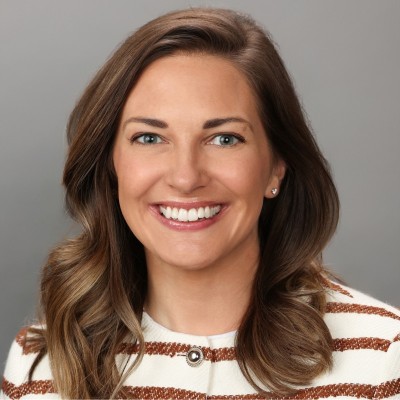
Katie Wild Wants Marketing to Work Like a Shipping System: Visible, Connected, Measurable
The FreightWise CMO has spent 15 years turning complicated logistics into useful stories. Her latest assignment began with a one-person team, 510 URLs and a stubborn belief that marketing systems should actually talk to one another.

Loki Cheema Learned Freight From the Hold Music
Before he built an AI operating system for trucking, Loki Cheema learned the business one favor, one form and one interminable phone call at a time. Hemut is his attempt to give freight back its hours.
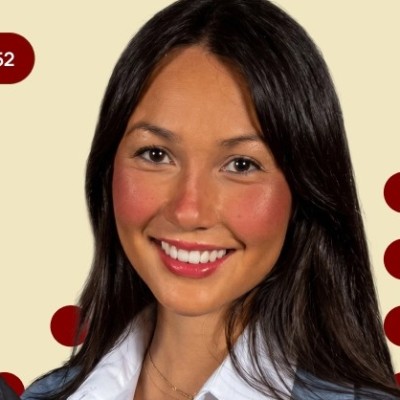
Celine King Took a Detour Into Trucking - and Found a Data Problem on Wheels
She trained for the lab, learned the language of business, and landed in freight. Now GreenIRR is turning vehicle-level data into a practical case for cleaner, more efficient trucking.
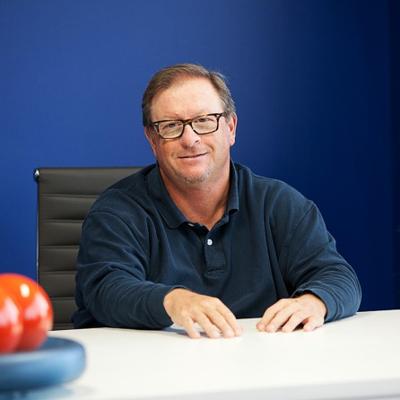
Ryan Renne Built Two Freight Companies. Then He Returned to the Ballfield.
After two freight-company exits, the FreightSaver co-founder is applying the same operating instinct to a problem he first tackled in 2007: helping overlooked athletes get organized, get realistic and get noticed.
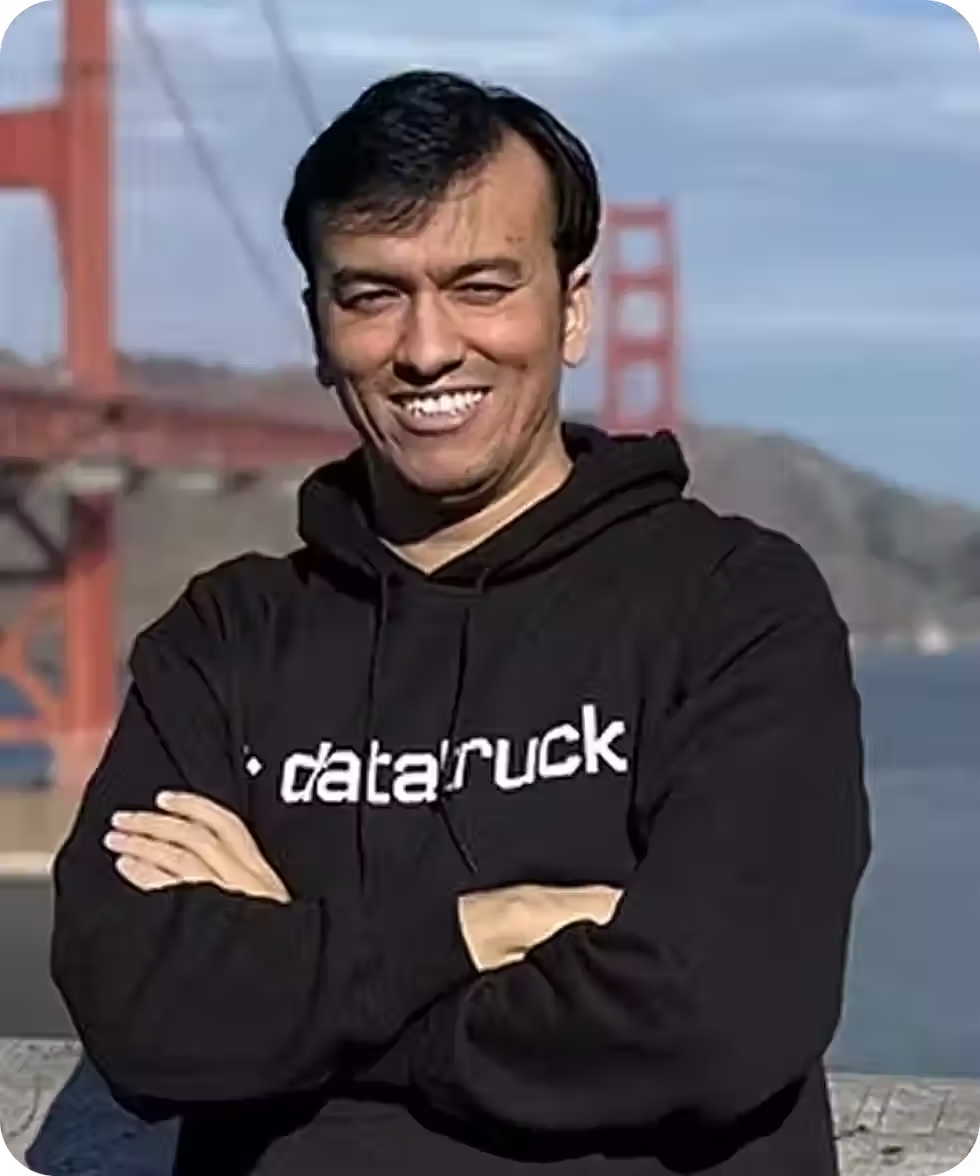
Shah Rahmanov Remembers Everything - Especially the Money Trucking Leaves Behind
Before he built an AI operating system for long-haul fleets, the Uzbek founder trained his mind to hold decks of cards and hundreds of digits. Now he is teaching trucking companies to remember every invoice, expense and dollar.
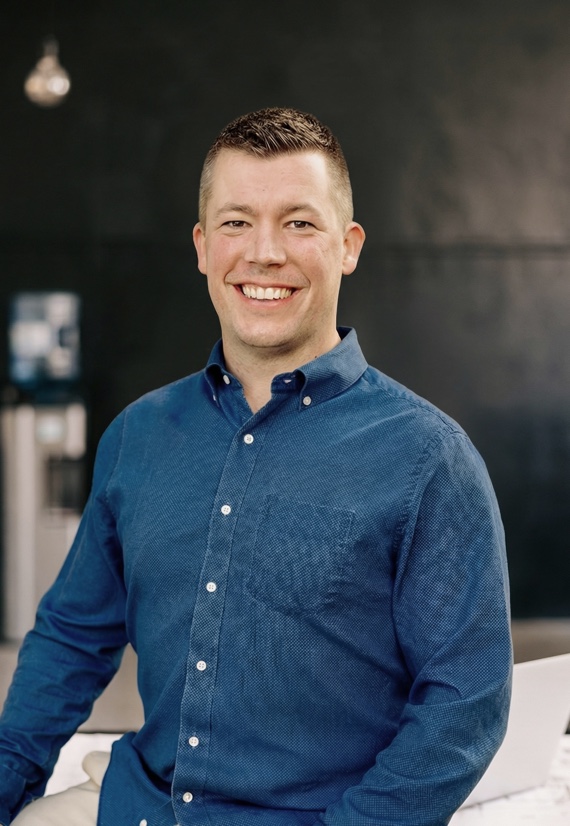
Eric Krueger Found a Freight Problem Nobody Wanted to Own
A failed software search gave the Minneapolis founder his opening. Now he is trying to make freight's paperwork move as quickly as the freight itself.

The VC Firm That Measures Its Thesis in 53 Feet
Venture 53 ignores fashionable sectors and backs the software, sensors and services that keep goods moving. Its advantage is less about a secret algorithm than a tightly packed network of people who already know freight.

One Tells You the Price. The Other Does the Job.
A plain-spoken comparison that clears up a common category confusion in freight tech: Greenscreens.ai is rate intelligence and dynamic pricing infrastructure, while Pallet is end-to-end workflow automation. The two solve different problems — one tells you what to charge, the other actually does the work — and for many brokerages, Pallet integrates with Greenscreens rather than replacing it. The piece also notes Triumph Financial's 2025 acquisition of Greenscreens as a sign the pricing-data layer of freight tech is maturing and consolidating.

Jordan Graft
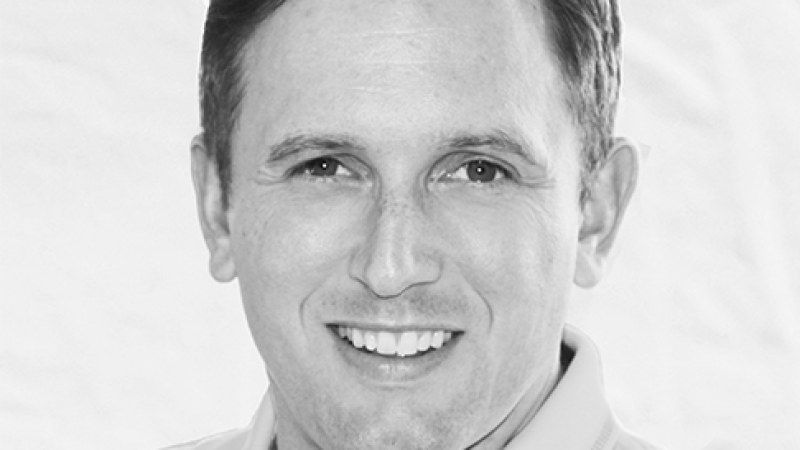
Jordan Graft is the founder and CEO of Highway, a Dallas-based freight technology company he started in 2022 to solve carrier identity and fraud in trucking. A three-time CEO before 40, he previously led TriumphPay to become the largest payer of freight invoices in the US, co-founded the software shop CrateBind, and worked in private equity at TA Associates and investment banking at J.P. Morgan. Highway coined the category of Carrier Identity and now partners with the largest US freight brokerage, C.H. Robinson.
Gregory Price
Gregory (Greg) Price is the CEO and co-founder of Shipwell, an Austin-based logistics technology company building a connected, AI-driven transportation management platform. A blue-collar Houston kid turned MIT-trained engineer, he spent seven years building hardware and algorithms for the U.S. Department of Defense at MIT Lincoln Laboratory, then applied machine learning to Fortune 100 supply chains at McKinsey before founding Shipwell in 2016 to bring automation, visibility, and intelligence to the notoriously opaque freight industry.

Guillermo Garcia
Guillermo Garcia is the co-founder and CEO of SmartHop, a Miami-based platform that acts as an autonomous dispatcher and 'business-in-a-box' for small trucking companies and owner-operators. A Venezuelan industrial engineer who started out delivering pet food, he built a bootstrapped ~500-employee logistics company back home before political and economic instability pushed him to the U.S. After studying at Columbia and running an over-the-road fleet in Miami, he founded SmartHop in 2017-2018 to give independent truckers the software, load recommendations, and financial tools that big carriers take for granted. SmartHop has raised over $56M, including a $30M+ Series B in 2022.
Jin Stedge
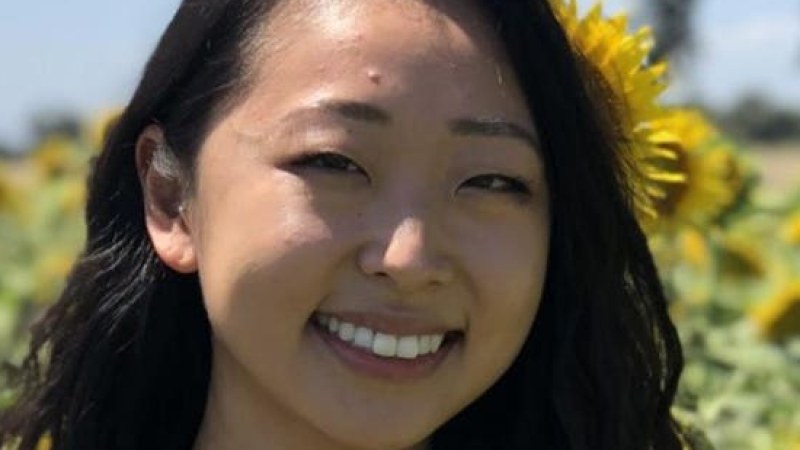
Jin Stedge is the co-founder and CEO of TrueNorth, a San Francisco freight-tech company building an AI loadboard and virtual dispatcher named Loadie that helps independent truckers find loads, price them, and get paid. Born in Korea and adopted at seven into an American family of owner-operators, she studied aerospace engineering at MIT, did neuroscience research, and worked in HR tech and autonomous driving before returning to her family's roots in trucking. She founded TrueNorth in 2019 with Sanjaya Wijeratne, raised a $50M Series B backed by Sam Altman and Lachy Groom, and earned a spot on Forbes 30 Under 30.
Mathew Elenjickal
Mathew (Matt) Elenjickal is the founder and CEO of FourKites, the Chicago-based supply chain visibility company he started in 2014 after realizing he could track a pair of Amazon shoes to the doorstep but not a $100,000 shipment of industrial equipment. A mechanical engineer from Kerala turned logistics-software operator, he spent seven years at i2 Technologies and Oracle before building FourKites into a platform that now tracks more than 3.2 million supply chain events a day for 1,600+ global brands. He has raised roughly $247 million across four rounds and is now pushing the company past dashboards into AI-native orchestration with products like the Intelligent Control Tower and Loft.
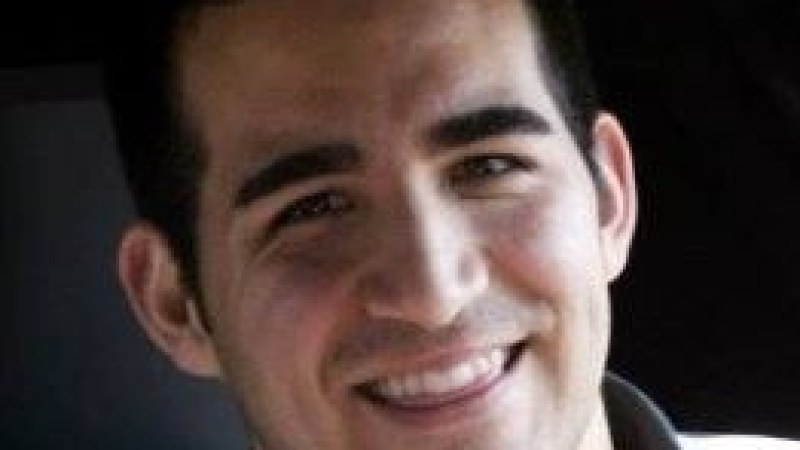
Eric Rodriguez
Eric Rodriguez is the CEO and co-founder of Vendorflow, a Los Angeles SaaS company building the communications layer for trucking and logistics. After a decade in venture-backed startups - spanning restaurant analytics, document-management SaaS, and clinical research - he landed in freight at NEXT Trucking, where he met his technical co-founder Greg Bujak. Vendorflow unifies voice, SMS, WhatsApp, and ELD messaging into a single shared inbox that sits on top of the TMS, so dispatch and operations teams can work driver and carrier conversations in one place. The company raised $1.3M in seed funding in October 2021, led by TenOneTen Ventures. A UC Berkeley Haas graduate with degrees in business and economics, Eric once invented a 'Strategic Philanthropy' course and pitched it from the TEDxBerkeley stage.
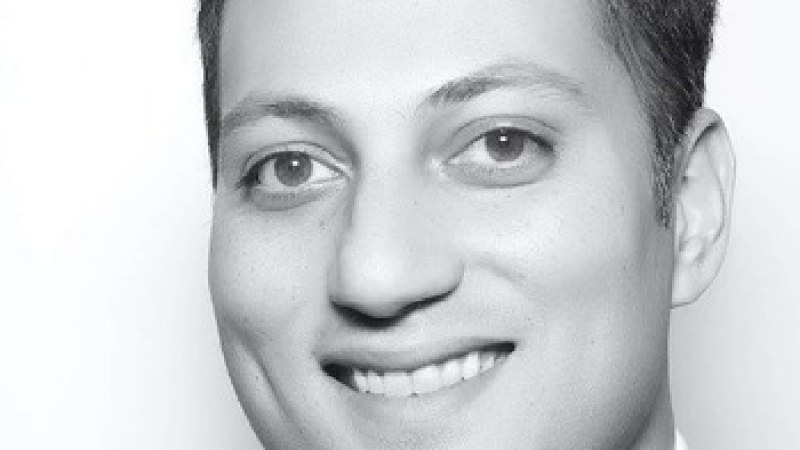
Gaurav Khandelwal
Gaurav Khandelwal is the founder and CEO of Velostics, a Houston-based logistics SaaS company that automates appointment scheduling, dock and yard management, and the gate in/out process for shippers and carriers. The son of a tea blender from India, he came to the US for college at tiny Goshen College in Indiana, built the behavioral-science software studio ChaiOne into a multi-million-dollar firm starting in 2009, then turned his attention to the friction-filled 'middle mile' of commerce. He launched Velostics to digitize the antiquated handoffs between warehouses and trucks, raised a $2.5M seed round led by Flyover Capital, and is a fixture of Houston's startup ecosystem as the founder of START co-working space and a Houston Exponential board member.

FleetWorks
FleetWorks is a San Francisco AI company rebuilding how freight gets matched and booked. Its voice and text AI agents handle the phone calls, texts, and emails that brokers and carriers trade to cover loads - work that has barely changed since the 1980s. Launched out of Y Combinator in 2023 by ex-Uber Freight and ex-Airbnb operators, FleetWorks now runs an 'always-on dispatcher' that connects with thousands of carriers daily and works with over 40 U.S. brokerages, including 15 of the top 100.

Why 95% of AI Agents Fail in Logistics — Pallet CEO Sushanth Raman on TPM Today
On this episode of TPM Today, JOC senior technology editor Eric Johnson interviews Sushanth Raman, founder and CEO of Pallet, an AI-agent company built for the logistics industry. Raman explains why an oft-cited MIT study found that 95% of enterprise AI projects fail — arguing the root cause is missing 'tribal knowledge' and organizational context rather than flashy technology. He details how Pallet captures the undocumented business rules inside freight forwarders, 3PLs and shippers to automate document processing, container tracking, ISFs, billing and air-freight procurement, and lays out how operators should vet AI vendors. The pair also discuss the 'AWSification' of logistics labor, real EBITDA impact, and why, despite the hype, the industry is still very early in AI adoption.

TrueNorth
TrueNorth is a San Francisco software company building the operating system for trucking. Its AI dispatcher, Loadie, pulls freight from across the market and books loads for independent carriers and brokers - matching trucks to the most profitable freight, automating paperwork, and handling outreach. Backed by Sam Altman and Lachy Groom, the company wants to give solo truckers the economics and tooling of a large fleet.

Tom Dean
Tom Dean is the co-founder, President and CEO of Renaissant, a Milwaukee-based logistics technology company building a voice-enabled, agentic AI operating system for warehouse yards and loading docks. A former Ernst & Young auditor turned hedge fund trader and investment manager, Dean pivoted Renaissant from a building-security platform into freight tech, raised a $5 million Series A in 2024, and now runs software across roughly 130 sites that talks to truck drivers in their own language to speed check-ins, deter cargo theft, and cut idle time.
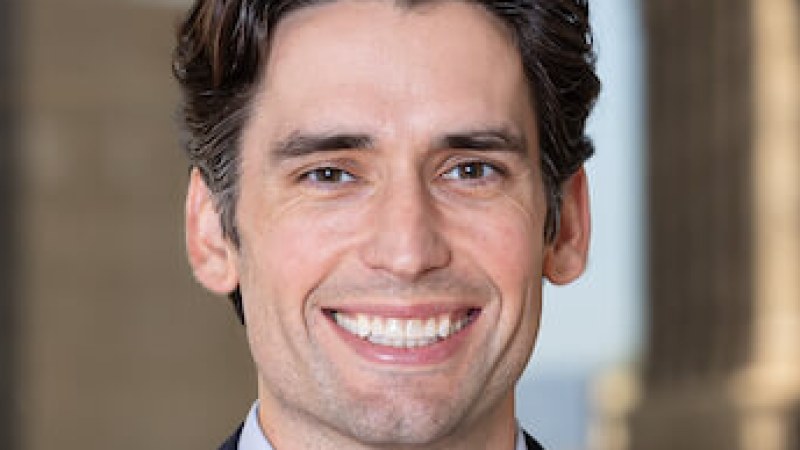
Matt McKinney
Matt McKinney is the Co-Founder and CEO of Loop, a San Francisco-based AI platform transforming freight audit and payment for the supply chain. A USC and Stanford-trained engineer, McKinney spent years at Uber helping launch Uber Freight before leaving to build Loop in 2021 with co-founder Shaosu Liu. The pair had watched firsthand how 20% of freight invoices contain errors and a single invoice takes 50 days to process - then decided to fix it. Loop has since raised $172M including a $95M Series C, processes billions in freight payments, and has grown to 280 employees serving customers like Olipop, Clemens Food Group, and Kendra Scott.
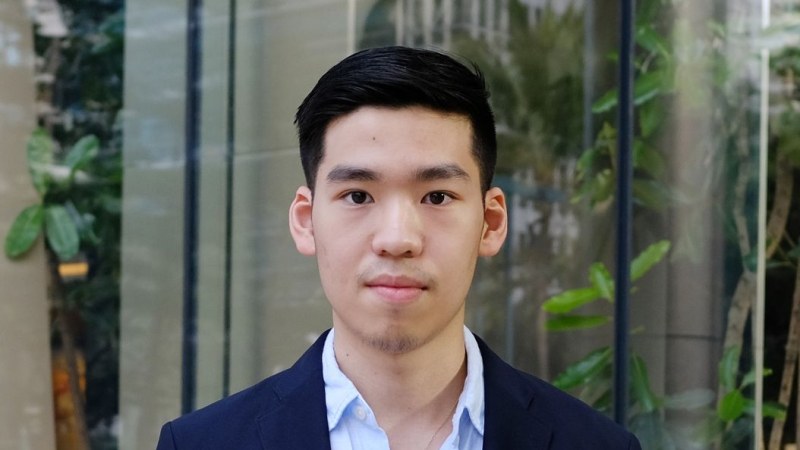
King Alandy Dy
King Alandy Dy is the CEO and co-founder of Expedock, a San Francisco-based AI platform that automates freight documentation and supply chain data with 99.95% accuracy. A Stanford-trained ML engineer who grew up running his family's cross-border import-export business across Southeast Asia, China, and the Philippines, King built Expedock to replace the mountains of semistructured paperwork that throttle global trade. The company has raised $19.8M, counts Kuehne+Nagel, Maersk, and CMA CGM among its customers, and was recognized on Forbes 30 Under 30 Asia 2023.

Sam Lurye
Sam Lurye is the founder and CEO of Kargo, a San Francisco-based industrial AI company that installs computer-vision towers at warehouse loading docks to automatically capture, verify, and digitize freight data in real time. A Stanford electrical engineering dropout, Lurye left campus in 2019 after touring factories across the US and spotting a universal blind spot: every warehouse still tracked its most important physical transactions - trucks arriving, pallets moving, damages happening - on paper and memory. Kargo has since deployed over 1,000 sensor towers, grown its enterprise customer base from 3 to 45+ (including Mercedes-Benz, Tillamook, and Aurobindo), tripled annual revenue from 2024 to 2025, and raised a $42M Series B in December 2025.