experience-design
(17)
August Jackson Is in the Business of the Morning After
Most event agencies sell the night. August Jackson sells the weeks before it, the morning after it, and the organizational memory that remains when the stage comes down.

The Agency That Refused to Forget
For fifty years, Laughlin Constable has survived the advertising business by changing its machinery without surrendering its memory. Its newest bet is that an independent agency can turn human judgment into reusable intelligence - and still keep the humans in charge.

The Advertising Agency That Went for a Walk
A 1957 agency changed owners, changed its name, and picked a fight with advertising's oldest false choice: build the brand or make the sale.

The Airline Brand Begins Before the Plane Leaves the Ground
Forward Media found a peculiar niche between the paint shop, the press room, and the booking screen. Its wager is that an airline is never merely a logo - it is a chain of impressions, each one capable of earning trust or quietly spending it.

Vocabulary has a way of making brands happen
A monolith full of chips. An Oscar seen seven ways. Inside the small creative agency connecting brand strategy to the things people actually encounter.
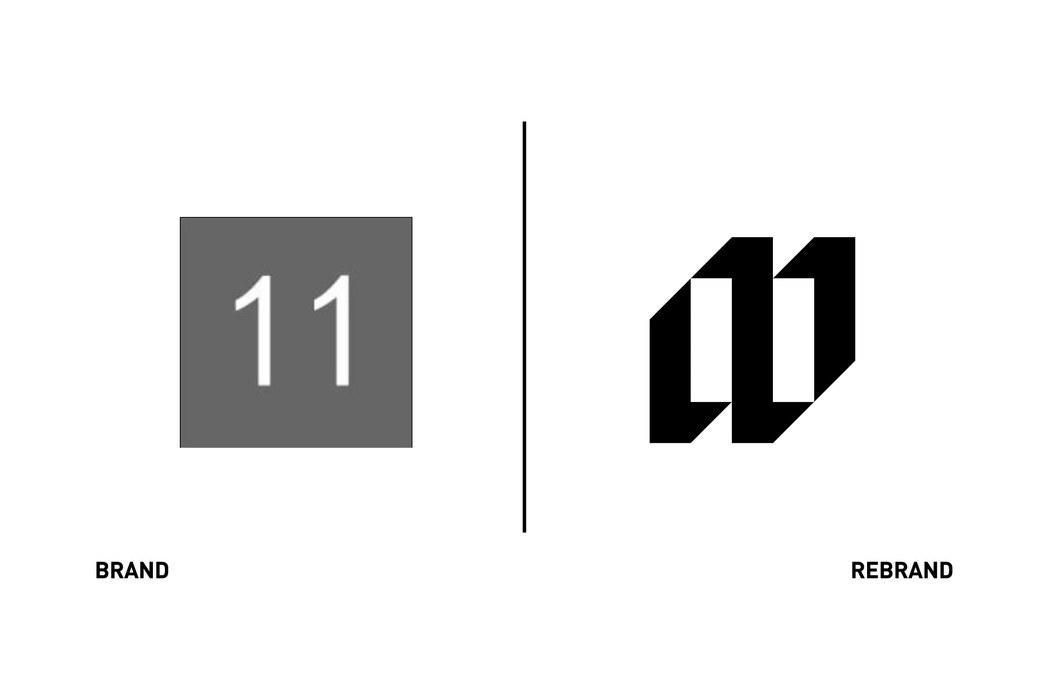
Eleven made an airline so boring you wanted to buy a ticket elsewhere
A fake airline, live basketball predictions, and a healthcare idea that outlasted its launch: Eleven built advertising people could experience. Its 2022 merger into Mekanism closed a chapter in San Francisco creativity.

Astro Studios put a whole brand in your hands
From the Xbox 360 to Nike's FuelBand, Astro made technology feel like something people wanted to live with. Its move into PA Consulting reveals the business pressures behind the objects.

EuraCreative’s big idea: put the creative industries within walking distance
At Plaine Images, a former textile district in northern France, game makers, music startups and researchers share a postcode. EuraCreative’s job is to turn that proximity into companies, customers and paid work.

AVI-SPL UK & Ireland: The business behind the ‘Join’ button
A meeting room is easy to photograph and harder to keep working. AVI-SPL UK & Ireland builds the technology, trains the people and stays on call - a business that now stretches from an Edinburgh innovation lab to a coordinated European operation.

Holovis Builds the Part of the Magic You Are Not Supposed to Notice
The British company turns cameras, code, screens, sound and scenery into attractions for the names above the gate. Its real product is the seam between spectacle and reliable operation.

The $9.6 Billion Engineering Shop Behind Products You Already Use
GlobalLogic does not sell the shiny app. It sells the people, process and increasingly the AI that get the app shipped - a quiet model that survived a brutal first shock and ended in Hitachi's $9.6 billion bet.

Tru Wants to Be the Wiring Behind the AI Enterprise
The Toronto consultancy built its name connecting commerce, content, data and customer experience. Now it is applying the same integration logic to agentic AI - and turning some of that know-how into products of its own.

Apexon Wants to Turn the Enterprise Software Mess Into an AI Advantage
The technology-services firm is betting that enterprise AI will be won in the unglamorous middle - where old applications, governed data and new autonomous agents must actually work together.

The Agency That Moves Into the Machine Room
Aquent Studios does not merely deliver the campaign. It builds the team, workflow and technical plumbing that help an enterprise keep delivering after the first brief is finished.

Trinetix
Trinetix does not sell enterprises another AI demo. Its 1,100-plus practitioners redesign the stubborn workflows around the technology - and stay long enough to make the new system useful.

Figure8
Figure8 is a New York-based, experience-first development company founded by Maryellis Bunn and Manish Vora, the team behind the Museum of Ice Cream. It designs and operates 'experiums' - large-scale immersive, multi-sensory spaces built to draw people offline and into shared, playful, in-person moments. Backed by a $40M Series A at a reported $200M valuation, Figure8 builds and scales its own experiential brands while taking on commissioned activations for outside partners.
Eight Inc.
Eight Inc. is a globally recognized strategic design firm founded in 1989 by Tim Kobe. Best known for designing the original Apple Store with Steve Jobs, the firm now operates across San Francisco, New York, London, Tokyo, Singapore, Shanghai and Dubai, helping brands like Nike, Virgin Atlantic, Citibank, Dolby, McLaren, Lincoln and Nissan turn ideas into human experiences across architecture, retail, products, identity and digital.