event-technology
(17)
Leap Event Technology wants your event to remember its fans
A ticket gets someone through the door. Leap connects what happens before, inside and after it - and its own history shows how difficult that connection can be.
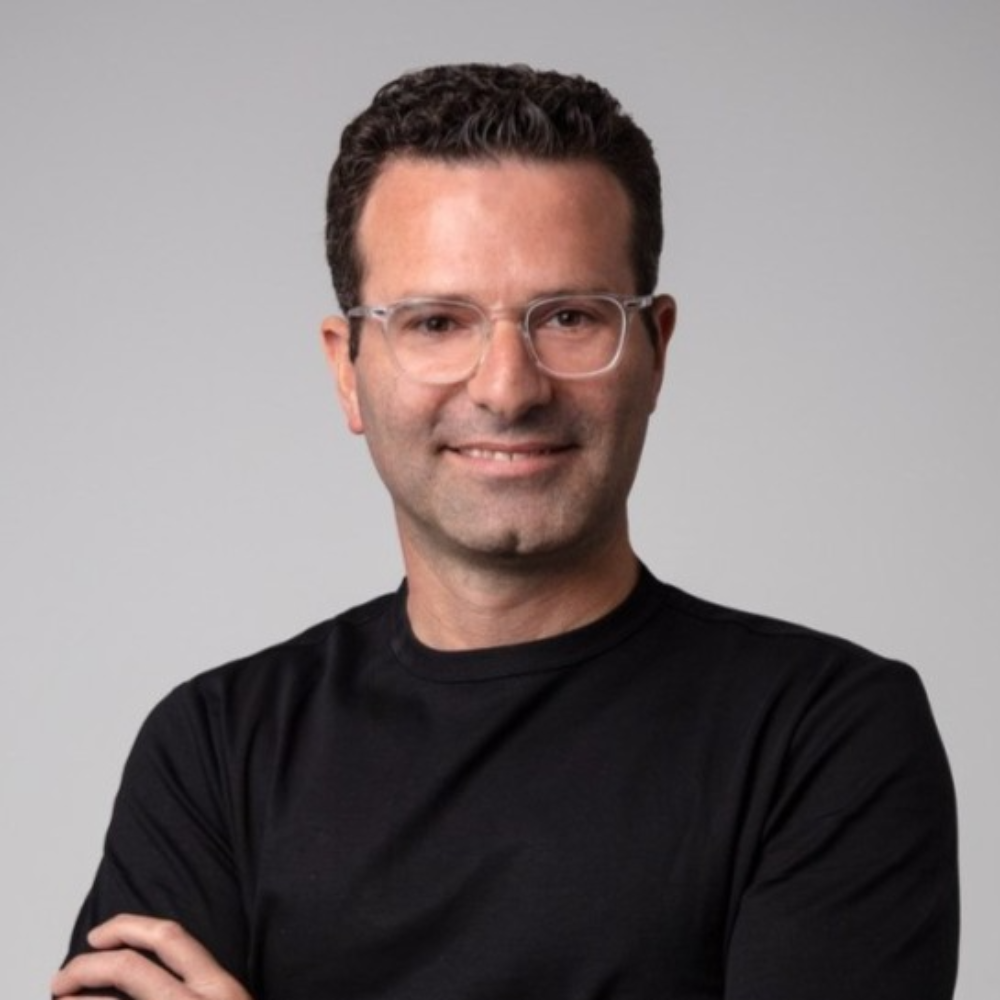
When the Room Went Dark, Eran Ben-Shushan Rebuilt the Stage
The Bizzabo co-founder spent a decade teaching software to understand a crowded room. Then every room emptied, and his company had two weeks to learn an entirely new language.
SmartSource sells the part of the show you can’t afford to get wrong
A 157-foot LED wall. A nine-day sprint to ship 1,300 workstations. SmartSource’s business lives in the gap between renting technology and making it work on deadline.

Dave Deasy Has Spent a Career Making Complicated Technology Easier to Choose
From e-commerce and online privacy to cybersecurity and live AI translation, Dave Deasy has built a career around one stubborn marketing problem: making sophisticated technology useful, legible, and worth adopting.
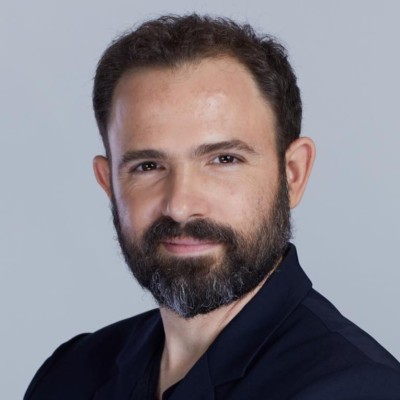
When the Calendar Went Blank, Alon Alroy Rebuilt the Room
A thousand cancellations landed in two weeks. The company had no virtual-events product. Alon Alroy's response was to stage a gathering anyway - and turn Bizzabo's worst month into its defining lesson.

Amy Lucia Is Turning the Event Badge Into a Balance-Sheet Argument
After twenty-five years across big technology, social-impact organizations and SaaS, Cvent's CMO is making a pointed case: presence creates trust, but marketers still have to prove what that trust is worth.

Kahle Williams Has Spent Two Decades Making the Badge Line Disappear
Long before event tech became a fashionable phrase, Williams was explaining scanners, shared databases and the small operational choices that make a crowded show feel effortless. His career is a study in staying with the problem while the tools keep changing.
Bizzabo Survived the Day 1,000 Events Disappeared - Then Put the Internet Back Into the Ballroom
The event-software company started with a networking app, lost its market overnight, and rebuilt around a stubborn idea: a handshake should produce data without feeling like a spreadsheet.
Event Citadel Bought a 1976 Trade-Show Workhorse - Now It Wants to Turn Every Badge Scan Into a Business Signal
The company behind millions of registrations is betting that the dullest moment at a conference - the badge scan - can become its most valuable data point. The playbook is equal parts software, field crews and half a century of scar tissue.

Lalit Mangal Is Building the Room After the Room Disappeared
Before virtual events became compulsory, Lalit Mangal was already bothered by who could not enter the room. Airmeet is his second attempt to turn an everyday exclusion into software - and his clearest argument that proximity is a design problem.

Lakshman Rathnam Turned One Silent Conference Into a Billion-Minute Translation Business
At a conference in Japan, a veteran hardware engineer discovered what exclusion sounds like. His answer was Wordly - software designed to let every listener choose the language of the room.

Bharath Varma Turned Event Chaos Into a Product Brief
Before he sold event software, Varma spent years inside the spreadsheets, sound checks and last-minute saves of live production. Zuddl is his attempt to turn that operator's memory into one system.

Tony Knopp Found a Business in a Drawer Full of Unused Tickets
A forgotten stack of Mets tickets revealed a costly corporate blind spot. Tony Knopp turned it into TicketManager - then spent nearly two decades learning that the harder system to build was his own leadership.

Christine Latour Turns Marketing Into a Growth System
From a regional nonprofit to global entertainment technology and mobile stages, the Quebec executive has built a career around making growth legible - then making it repeatable.
Andrei Stefan
Andrei Stefan is the co-founder and CEO of Oveit, an Austin-based event technology company that bundles smart ticketing, online bookings, access control and cashless payments into one platform. A Romanian operator with two decades in general management and finance, he moved from corporate boardrooms into startups, helped build a live-shopping and streaming platform during the pandemic, and pushed Oveit early into NFT and blockchain-based tickets through partnerships with Crypto.com and Polygon. Oveit was named by the UN World Tourism Organization in 2019 as one of the five most disruptive startups in tourism.

Mark Kozlowski
Mark Kozlowski is the founder and CEO of Upped Events, a Philadelphia event-experience platform he built to drag festivals, fairs and community events out of the spreadsheet era. A Penn State and Wharton-trained operator, he started by trying to pour a beer in under ten seconds (BeerMe), then turned that obsession with friction into a full registration, contactless-payment and analytics stack. In May 2025 Upped was acquired by Events.com.
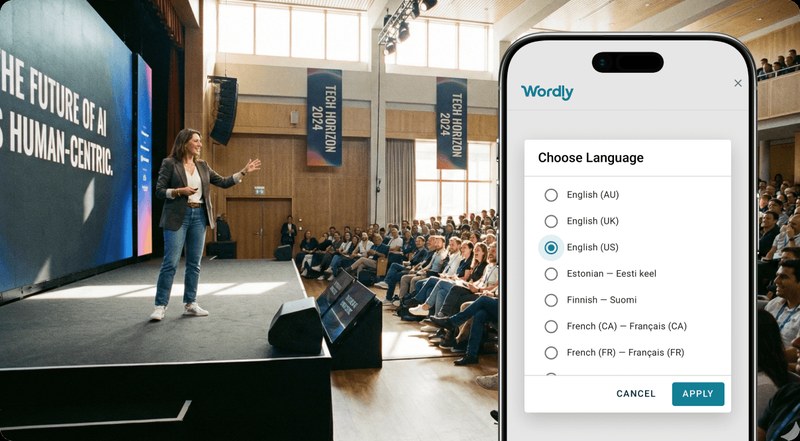
Wordly
Wordly is a San Francisco Bay Area company that delivers cloud-based, AI-powered live translation, captioning, transcription and summaries for meetings and events. Without apps, headsets or human interpreters, attendees scan a QR code and follow along in their own language across 60+ languages and 3,000+ language pairs. Founded in 2017 by Lakshman Rathnam, Wordly serves 4,000+ customers and has supported over 5 million users worldwide, and was ranked among the fastest-growing software companies on the 2025 Inc. 5000 list.