drug-delivery
(16)
Deborah Bitterfield Is Taking the Water Out of Biologics - and the Waiting Room Out of the Day
A Duke materials scientist turned one stubborn laboratory technique into a biotech company, a Novartis collaboration, and a practical lesson in building around the minutes people want back.
Craig Chambliss Spent 30 Years Learning How a Drug Becomes a Company
Before Neurelis had a commercial product, Craig Chambliss had already learned the industry from the sales call to the acquisition table. His career is a study in patient capital, practical company-building and the unglamorous middle where science becomes infrastructure.
Ahmet Tutuncu Has Spent 30 Years Fixing the Last Inch of Medicine
A physician-scientist turned three-time respiratory founder, Ahmet Tutuncu keeps returning to an unfashionable question: what good is a sophisticated drug if its delivery device gets in the way?
Suchul Jang
He spent a decade engineering tiny vesicles to smuggle drugs where they were needed. Now he is running the American arm of a Korean biotech that wants the brain to clean up after itself - quietly, without the inflammation that has shadowed Alzheimer's drugs for years.
Adam Margolin
Adam Margolin is a computational biologist turned biotech founder who co-founded Flashpoint Therapeutics, a clinical-stage company engineering spherical-nucleic-acid nanomedicines that aim to turn weak cancer therapies into curative ones. After a 20-year academic career that took him from Wharton and Wall Street to running the #3-ranked genetics department in the country at Mount Sinai, and a stint as a Venture Partner at Khosla Ventures, he teamed with Northwestern nanotech pioneer Chad Mirkin to build Flashpoint. He led the company as founding CEO through a $10M seed round before handing the chief executive role to biotech veteran Barry Labinger in 2025. His mission is deeply personal: his mother died of cancer when he was three.
Örn Almarsson
Örn Almarsson is the co-founder and CEO of Axelyf, an Icelandic-American biotech building next-generation lipid nanoparticles to deliver RNA medicines beyond the liver. Before Axelyf he ran the delivery sciences team at Moderna from 2013 to 2020, helping engineer the components behind the Spikevax COVID-19 vaccine, after earlier stints at Merck and Alkermes. A bioorganic chemist by training, he is the co-author of more than 70 publications and over 60 patents, and is now pairing a proprietary lipid library with a machine-learning model called ANNA to crack the hardest problem in RNA medicine: delivery.
Akin Akinc
Akin Akinc is the founding CEO of Aera Therapeutics, a Cambridge, Massachusetts biotech building a new way to deliver genetic medicines using human protein nanoparticles derived from the body's own retroelements. A chemical engineer by training, he spent nearly two decades at Alnylam Pharmaceuticals, where he helped invent the lipid nanoparticle delivery that produced ONPATTRO, the world's first approved RNAi therapeutic, and later ran the Givlaari and fitusiran programs. Recruited by CRISPR pioneer Feng Zhang, Akinc launched Aera out of stealth in 2023 with $193 million to tackle what he calls genetic medicine's single greatest unmet need: delivery.
Larry Brown
Larry Brown, Sc.D., is Executive Vice President of R&D and Chief Scientific Officer at Noveome Biotherapeutics, the Pittsburgh clinical-stage biopharma he joined in 2012. He is leading the translation of ST266, a cell-free secretome of hundreds of proteins harvested from amnion-derived cells, from proof of principle into the clinic. Trained at MIT under Robert Langer and in Judah Folkman's surgical research lab at Children's Hospital Boston, he spent 35-plus years inventing drug-delivery systems at Baxter, Alkermes and biotech startups, accumulating more than 100 publications and a thick stack of patents along the way.
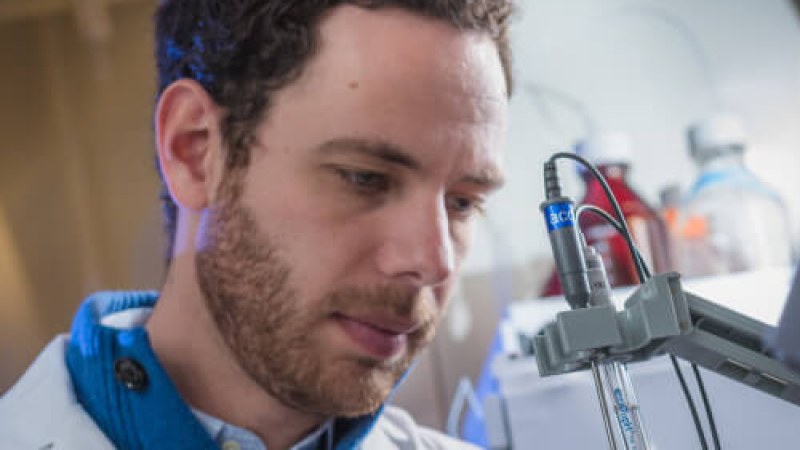
Michael Goldberg
Michael Goldberg is the founder and CEO of SURGE Therapeutics, a Cambridge, Massachusetts biotech pioneering intraoperative immunotherapy. His idea is deceptively simple: when a surgeon removes a solid tumor, don't leave the cavity empty - fill it with an injectable, biodegradable hydrogel that releases immune-activating medicine right where cancer is most likely to return. A trained chemist who earned a PhD at MIT under Robert Langer and did postdoctoral work with Nobel laureate Phillip Sharp, Goldberg became a Harvard Medical School professor before leaving academia to translate his lab's discovery into the clinic. SURGE has raised roughly $58M, cleared an FDA IND, and completed Phase 1 dosing of its lead program ahead of a registrational trial in triple-negative breast cancer.
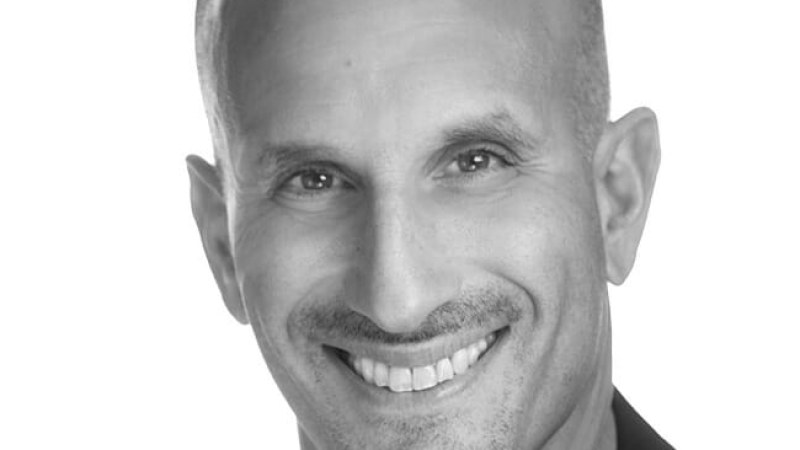
Peter Noymer
Peter Noymer is the Executive Chairman and CEO of ForCast Orthopedics, a Denver-based development-stage company building a wearable system that pumps antibiotics straight into infected artificial joints. An MIT-trained mechanical engineer with more than two decades turning lab concepts into shipped pharmaceutical and device products, he has previously run or steered ophthalmology, cardiopulmonary and digital-health ventures, several of which were acquired by Novartis, United Therapeutics and Grupo Ferrer. At ForCast he has landed FDA Orphan Drug and Qualified Infectious Disease Product designations, a Series A led by a renowned orthopedic surgeon, and a 2026 MedTech Innovator slot.
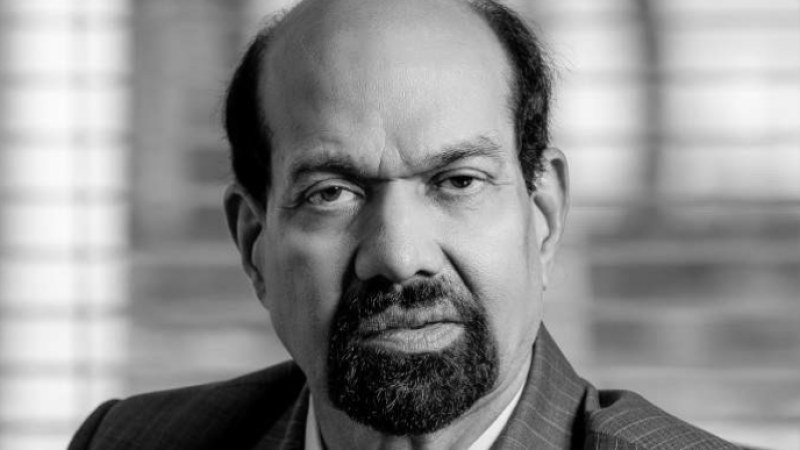
Shashi Kori
Shashi Kori is a neurologist and neuro-oncologist turned biotech founder, and the co-founder and CEO of Novilla Pharmaceuticals, a Cambridge-based company using a proprietary AI model to design transdermal formulations that deliver drugs to the site of action while minimizing systemic effects. Before Novilla, he spent decades building pain programs at Duke and the University of South Florida and led clinical development at GlaxoSmithKline, Allergan, MAP Pharmaceuticals and Autonomic Technologies. He partnered with Dr. Eric Fossel in 2019 to merge their drug-delivery innovations into Novilla's pipeline, led by lead candidate NOV-1776.
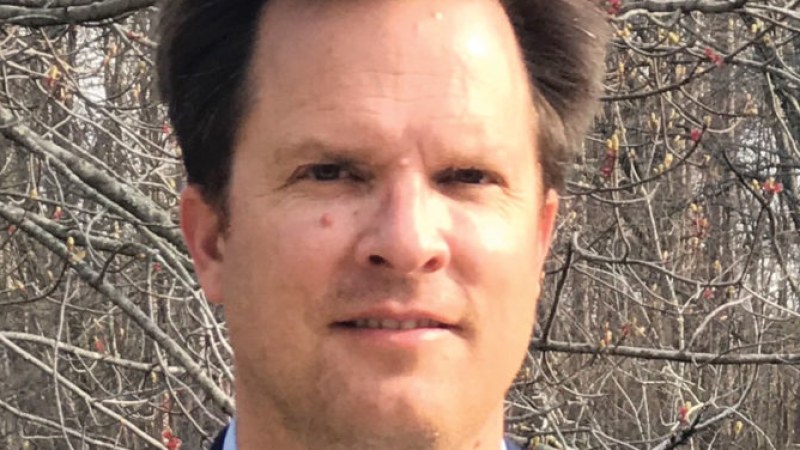
Rick Batycky
Rick Batycky is a chemical engineer turned biotech founder who has spent two decades coaxing medicines into the lungs. As President and CEO of Nocion Therapeutics, he is developing a new class of charged sodium channel blockers built to silence overactive sensory neurons and finally quiet refractory chronic cough. Before Nocion he co-founded Civitas Therapeutics, revived a dormant inhalation platform, and carried the dry-powder levodopa therapy Inbrija through to FDA approval as Acorda's CTO.
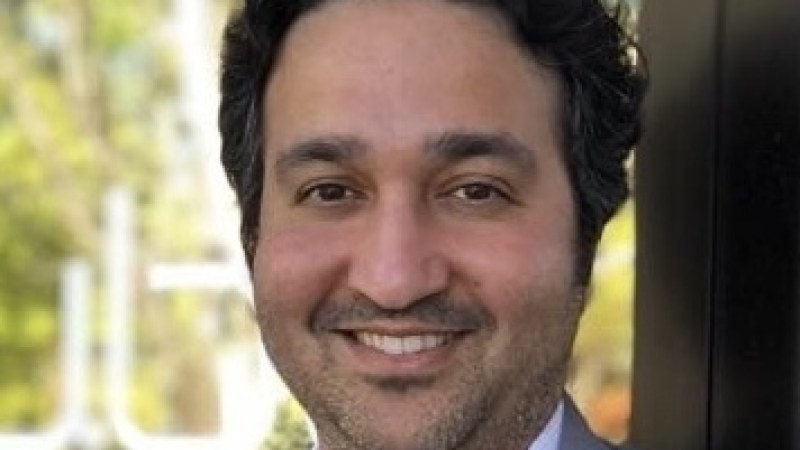
Talat Imran
Talat Imran is the CEO of Rani Therapeutics, a clinical-stage biotech company pioneering the RaniPill - a swallowable capsule that delivers injectable biologics painlessly through the intestinal wall. Son of prolific medical device inventor Mir Imran, Talat leads a company racing to replace needles with a pill, with applications spanning obesity, immunology, and rare disease. A computer scientist turned venture capitalist turned biotech CEO, he brings an unusual tech-meets-biology perspective to one of pharma's thorniest unsolved problems.
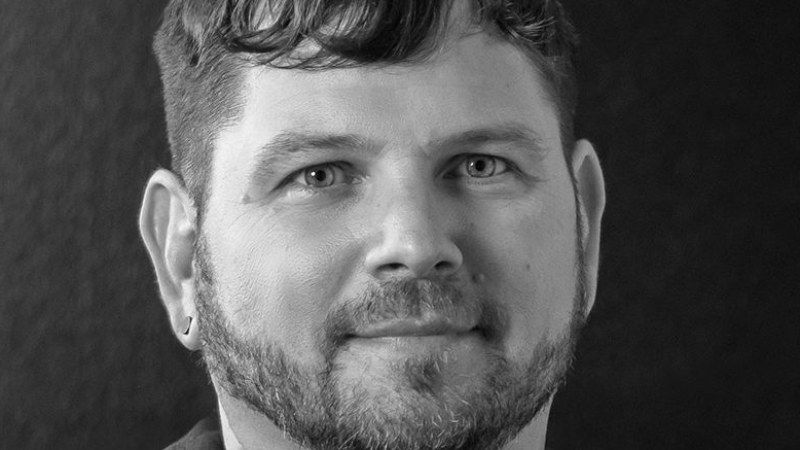
Chris Emerson
Chris Emerson, PhD, is the Founder, Chief Scientist, and CEO of LEVEL, California's #1 cannabis tablet brand. A US Navy veteran and Chinese interpreter turned small-molecule chemist, he abandoned a Stanford postdoc in 2012 to spend four months living in a tent on a Mendocino cannabis farm - and emerged with a founding thesis that would reshape how the industry thinks about getting high. Instead of chasing THC percentages, he built LEVEL around effects-driven cannabinoid formulations using precise ratios of acidic, neutral, and degradative compounds the plant alone can't deliver. Two US patents, multiple peer-reviewed publications, and an IRB-approved clinical trial later, LEVEL is the top-selling cannabis tablet brand in California, now operating in seven states.
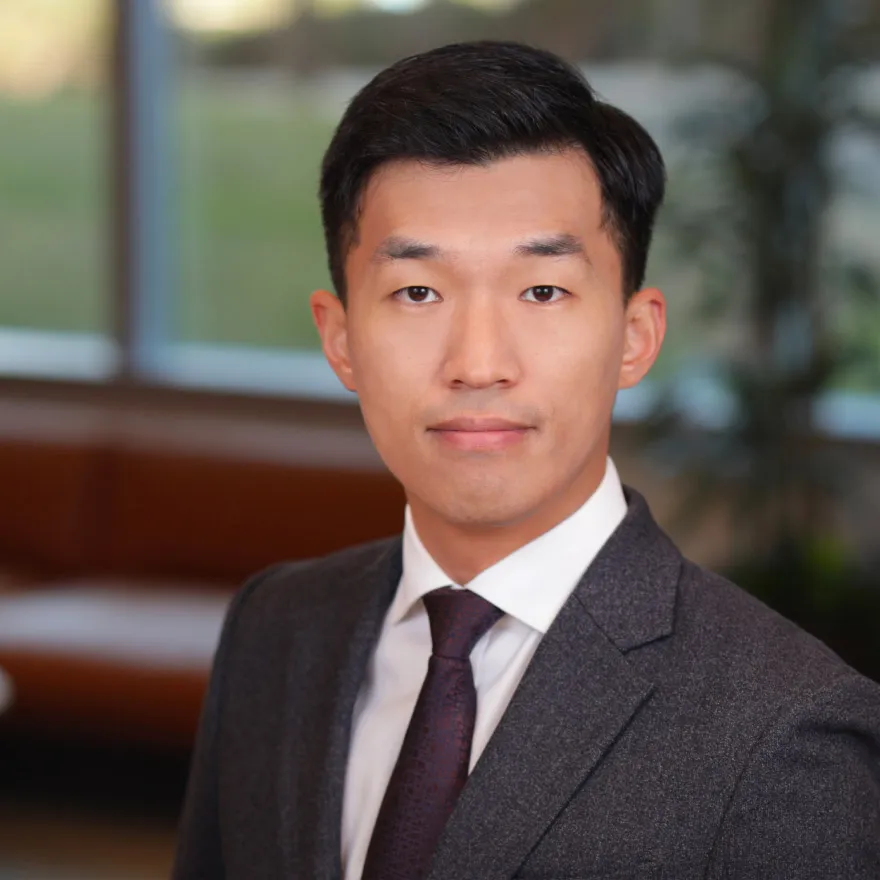
Kunwoo Lee
Kunwoo Lee is the CEO and Co-founder of BreezeBio (formerly GenEdit), a Brisbane, California-based biotech company pioneering non-viral gene delivery through its proprietary NanoGalaxy platform. A Siebel Scholar and Forbes 30 Under 30 honoree who earned his PhD from UC Berkeley-UCSF Joint Program in Bioengineering, Lee co-founded GenEdit in 2016 alongside Professor Niren Murthy and fellow researcher Hyo Min Park, building out a polymer nanoparticle library of thousands of chemically distinct compounds capable of delivering diverse genetic payloads to specific tissues. The company has raised over $118 million including a $60M Series B in February 2026, struck a landmark $644M collaboration deal with Genentech, and rebranded to BreezeBio to signal its pivot from platform company to clinical-stage therapeutics developer advancing BRZ-101 for Type 1 Diabetes.
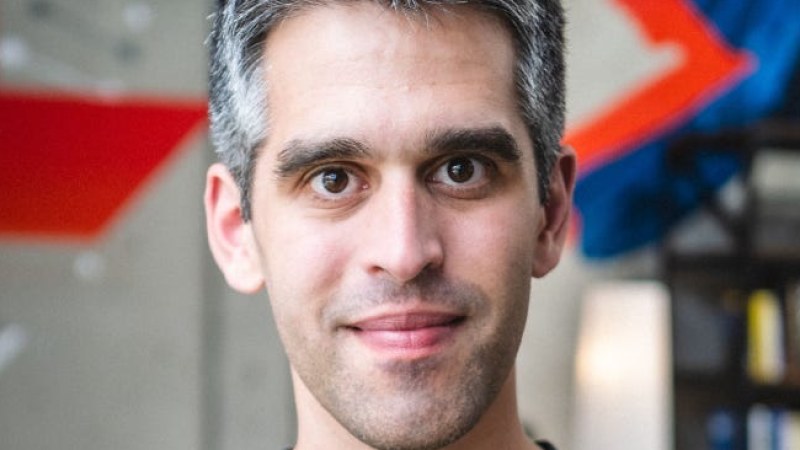
Samuel Rodriques
Samuel Rodriques is a physicist-turned-bioengineer and co-founder and CEO of Edison Scientific, the AI-driven scientific discovery company behind Kosmos - an AI scientist that reportedly condenses six months of PhD-level research into a single day. A MIT PhD and Hertz Fellow who invented implosion fabrication and pioneered spatial transcriptomics, Rodriques left the Francis Crick Institute to co-found FutureHouse (funded by Eric Schmidt) in 2023, then spun it into for-profit Edison Scientific, which raised a $70M seed round at a $250M valuation in December 2025. Named to Time 100 AI in 2025, he is on a mission to cure all diseases by mid-century through AI-accelerated science.