data-driven-marketing
(43)
Rom Ginzburg Put the Spreadsheet in the Body-Care Aisle
An accountant by training and a retailer by conversion, the MAËLYS CEO built his case for body care with data, discipline and one useful change of mind: the customer gets to choose the channel.
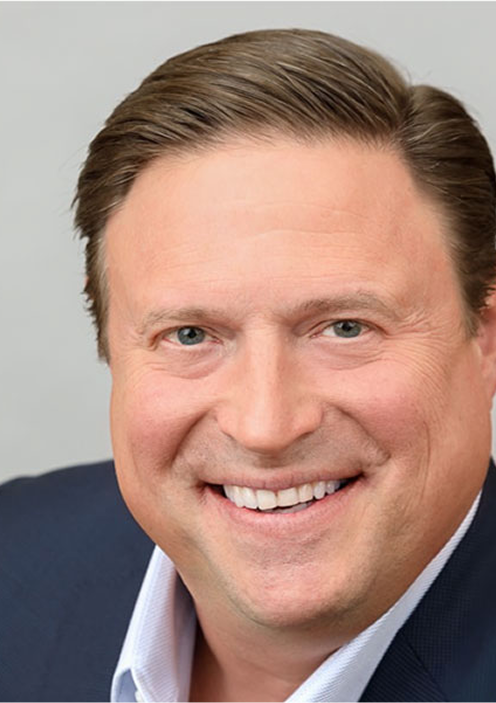
Rick Erwin and the Case for an Open Black Box
After decades inside the data industry’s largest machinery, the Adstra CEO is betting that its future belongs to marketers who can see, move, and govern their own identity data.

The Advertising Agency Named Luckie Stopped Believing in Luck
For seventy-three years, a family name has carried an awkward promise. Luckie’s answer was to replace chance with data, then teach an old Southern agency to behave like a modern operating system for attention.
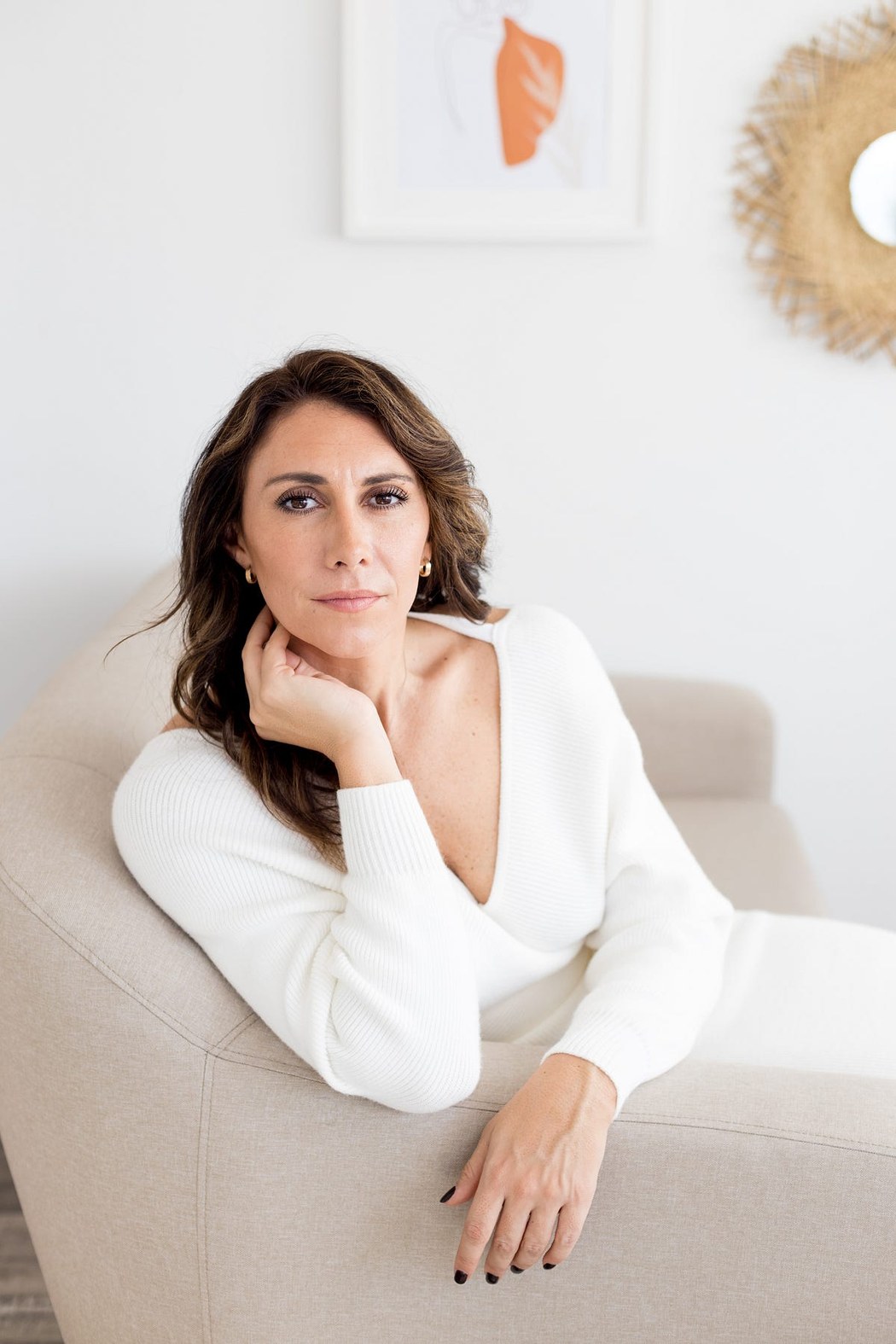
Catie Romero-Finger Wants Crypto Marketing to Show Its Work
After two decades translating complex technology, the BABs founder has a blunt proposal for Web3: stop applauding attention and start proving what changed.

The Campaign Shop Behind the School Bond
School districts do not merely need better messages. They need to know which neighbors have not heard them, what those neighbors fear, and how to turn a civic proposal into a choice people can understand.

The Bank Merger Happens in the Fine Print
MKP built a business around the least glamorous moment in banking: telling millions of customers exactly what is about to change, before confusion becomes an exit.
Maura Ginty Learned the Web by Writing It - Now She Markets for Two Audiences
She began as an online editor who had to code her own pages. Three decades later, Maven Clinic's CMO is still doing the same essential job: making complicated systems legible to humans, while insisting that every fashionable metric earn its keep.

Lynn Tornabene Puts Marketing in the Product Room
After two decades inside digital advertising's pivotal companies, Lynn Tornabene is joining two jobs that businesses often keep apart - and turning the customer feedback loop into the work itself.
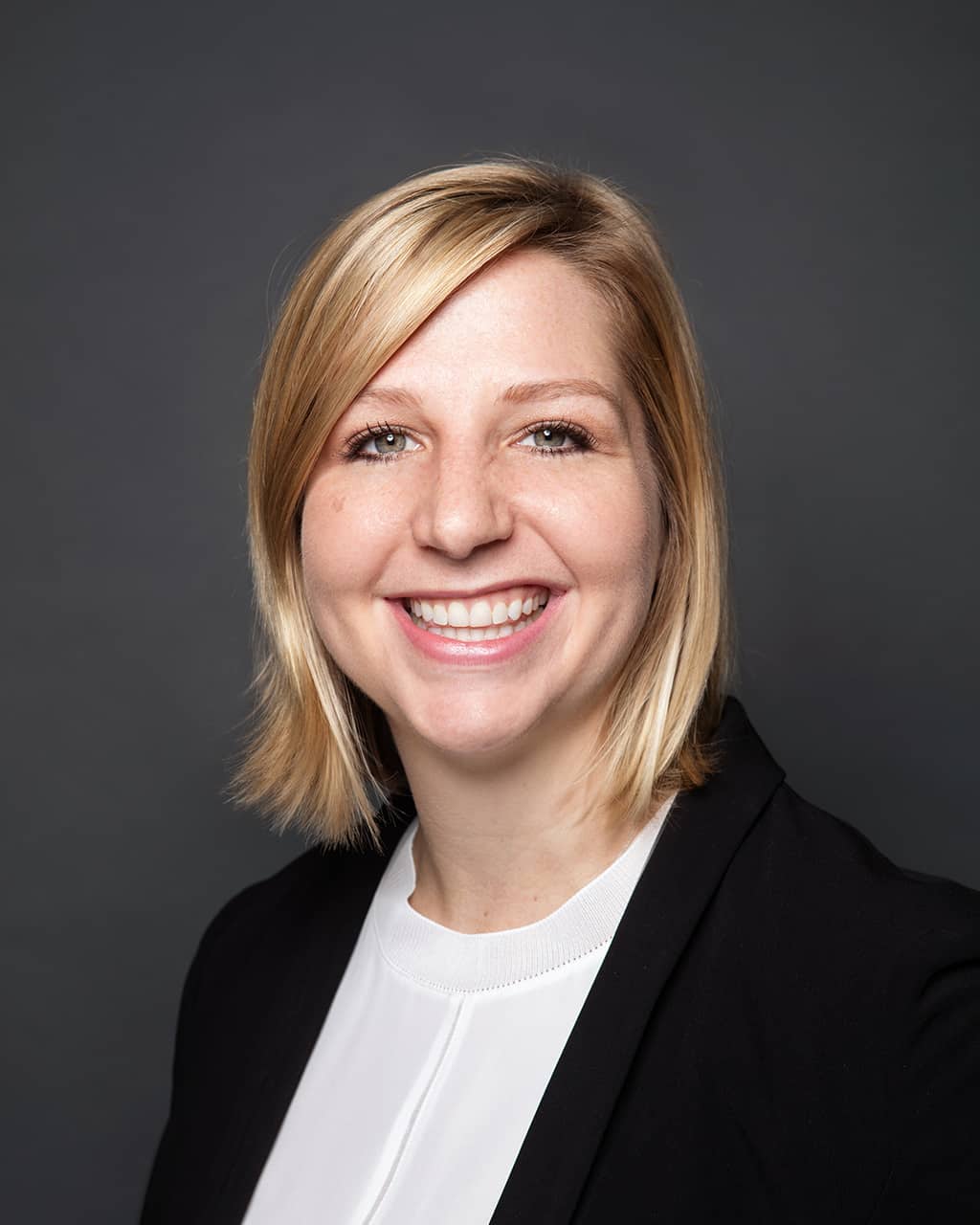
Katie Fairchild Runs Marketing by the Numbers - and Keeps Finding Another Gear
The first CMO of Buyers Edge Platform has spent nearly two decades turning complicated software into useful stories. Her résumé has an unexpected metronome: a mathematics master’s, four faster marathons, and a habit of making growth measurable.

Susan Golightly Trusts the Question More Than the Dashboard
Long before every company promised to be data-driven, Susan Golightly was asking the less fashionable question: what will people actually do with all that information? Her career has been an argument for curiosity, context, and the patient work of turning evidence into action.
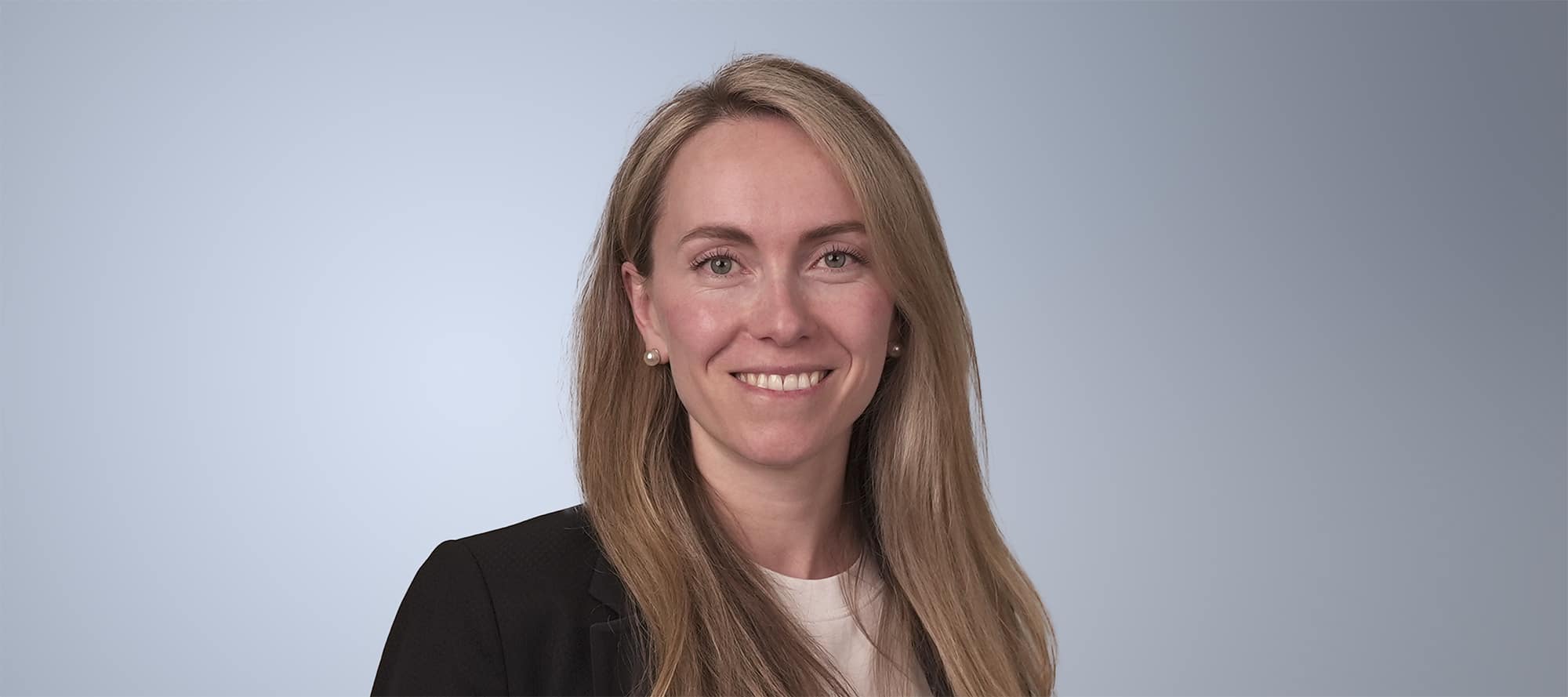
Ani Adzhemyan Makes the Invisible Infrastructure Interesting
After 19 years marketing industrial technology across four regions, Ani Adzhemyan has arrived at a wonderfully difficult brief: make utility-pole data matter before anybody notices the pole.
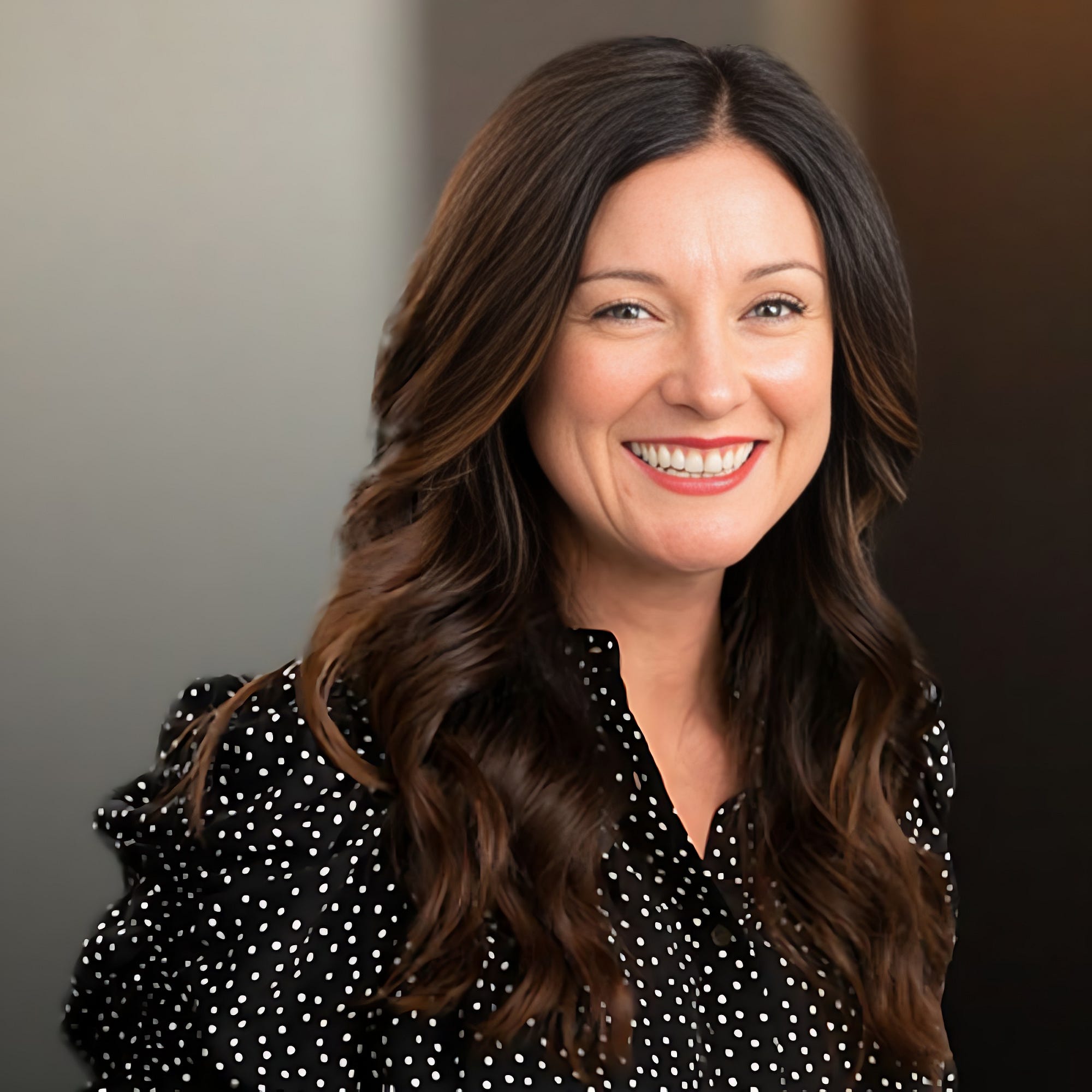
Clare Dorrian Trusts the Data - and Saves a Seat for Instinct
The SugarCRM CMO began as a translator between business and technology. Decades later, she still works in the productive space between two camps: evidence and imagination.

Darin Ohlandt’s Long Route to Marketing the Rules
Before he marketed compliance software, Darin Ohlandt worked in consulting, satellites, online chat, language learning, legal information and analytics. The industries changed. His fascination with making marketing measurable did not.

Leah Pope’s Career Has One Recurring Villain: Messy Data
From social listening to Salesforce, ActionIQ and Zeta Global, Pope has built a career around a deceptively practical idea: technology should clear the desk so marketers can pay attention to people.
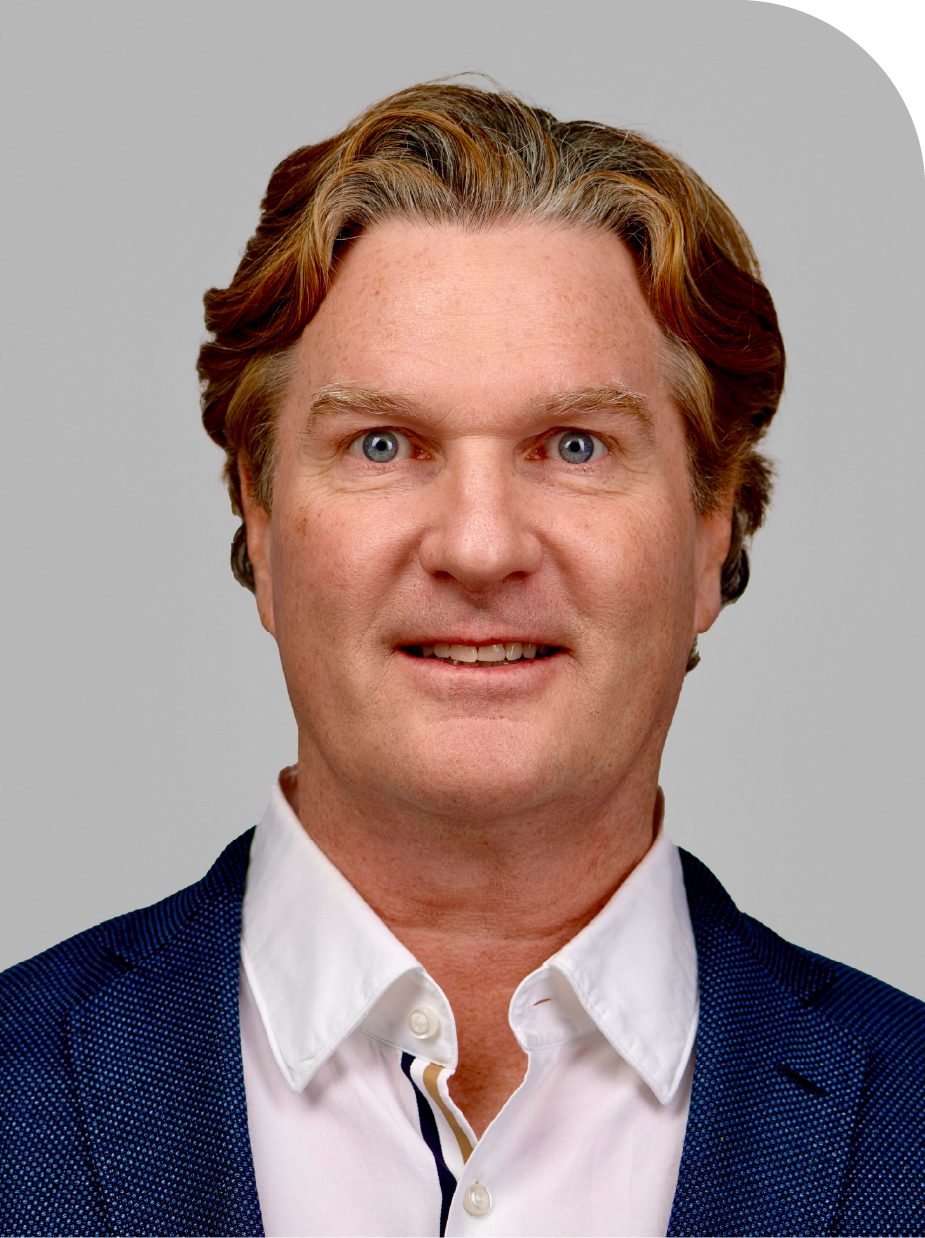
David Peterson Makes Healthcare Marketing Answer to the Numbers
After more than two decades marketing complex healthcare technology, David Peterson has learned to make every promise face a harder question: what changed, and can you measure it? At MedeAnalytics, that instinct now meets a company built around turning scattered data into accountable action.

Dawn Callahan Built a Career by Saying Yes Before She Felt Ready
A production creative became a service-quality fixer, a cable marketer and the long-serving CMO who helped guide Boingo from startup to public company to private ownership. Her operating system is disarmingly simple: notice the problem, volunteer an idea and get comfortable being uncomfortable.
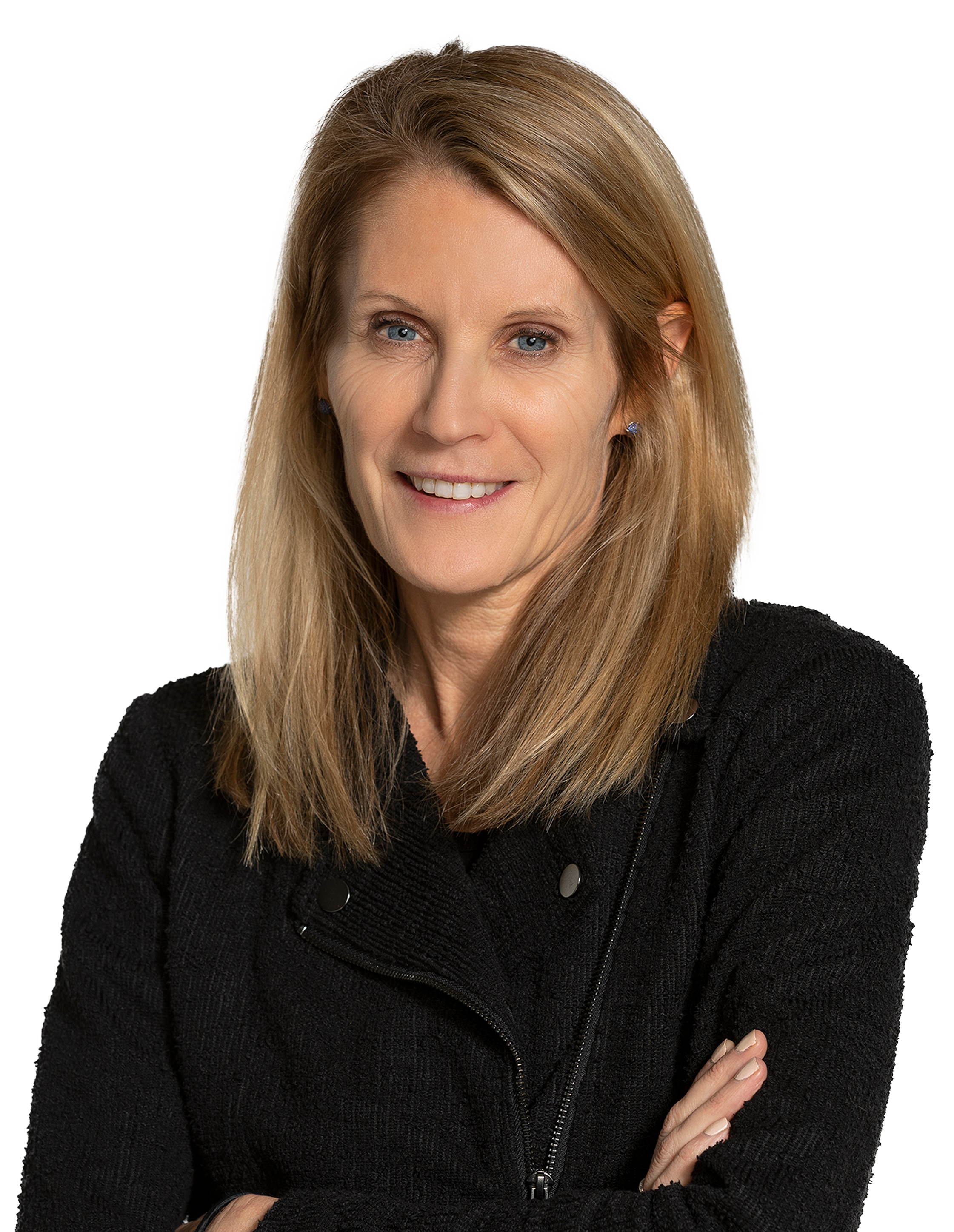
Christie Raymond Made the Department Store Listen
An industrial engineer turned retail marketer, Christie Raymond built her career by treating attention as data and loyalty as a promise. Her final chapter at Kohl's reveals what modern brand leadership looks like when the spreadsheet and the shopping cart have to agree.
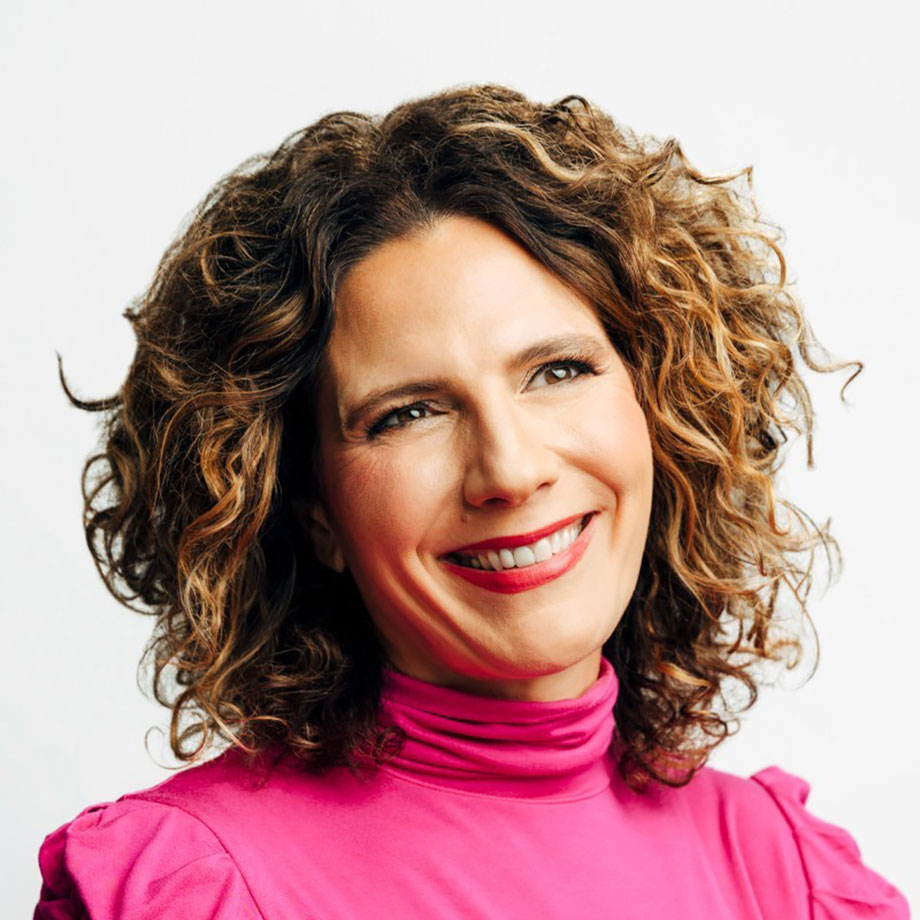
Maja Neable makes the spreadsheet and the story share one brain
The former programmer now leading TD's global marketing has built a career around a practical idea: data earns attention inside the business, while human insight earns it outside.
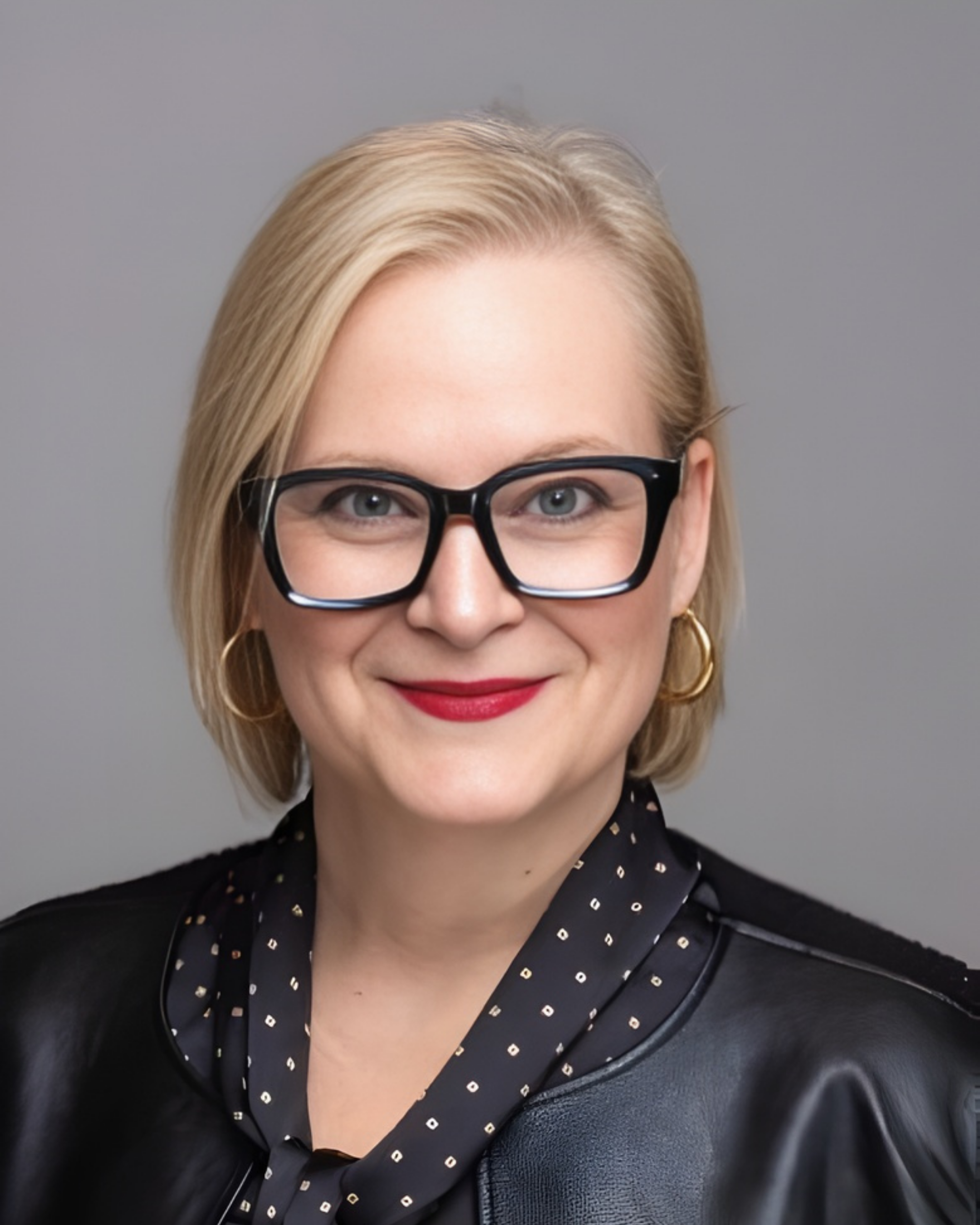
Angela Culver-Gleason Turns Enterprise Marketing Into a System That Can Learn
At Citi, Angela Culver-Gleason brings a technologist’s respect for data to a marketer’s oldest problem: earning attention, trust and action across a sprawling global business.
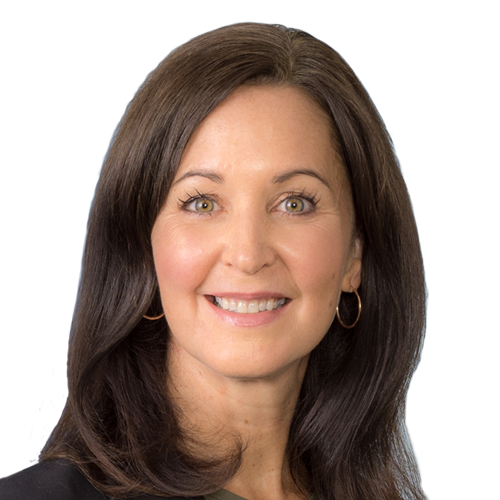
Jennifer Ball Is Teaching a 76-Year-Old Firm to Tell One Clear Story
Franklin Templeton acquired new capabilities faster than the market could absorb its new identity. Its global CMO built a listening system, a flexible narrative, and a rule worth stealing: relevance requires restraint.
The LA Agency That Ditched 'LA' - And Won the Year
In September 2024, Deutsch dropped the two letters that told everyone where it lived. Three months later, Adweek named it U.S. Agency of the Year.
The Janitorial Startup That Became a $220 Million Marketing Machine
Grayson Lafrenz started a cleaning company, hired an SEO agency he couldn't understand, and brought the work in-house. What grew out of that frustration now runs roughly $800 million in ad spend through software Power Digital wrote itself.
Jennifer Ilecki Makes Big Brands Feel Personal
From hotel-lobby dance parties to personalized cardholder journeys and pickleball courts, Humana's CMO has built a career around one deceptively hard idea: make the institution meet the person.
Karen Feldman Is Rewriting What Iron Mountain Means
The first CMO in Iron Mountain's 70-year history has one job: convince the world that the company famous for storing your paper also runs the data centers of the future.
Amanda Teder Is Teaching a Generator Company to Sell the Calm After the Storm
Generac's CMO has spent a career making considered purchases easier to understand. Now she is turning outages, data and customer questions into a playbook for selling resilience.
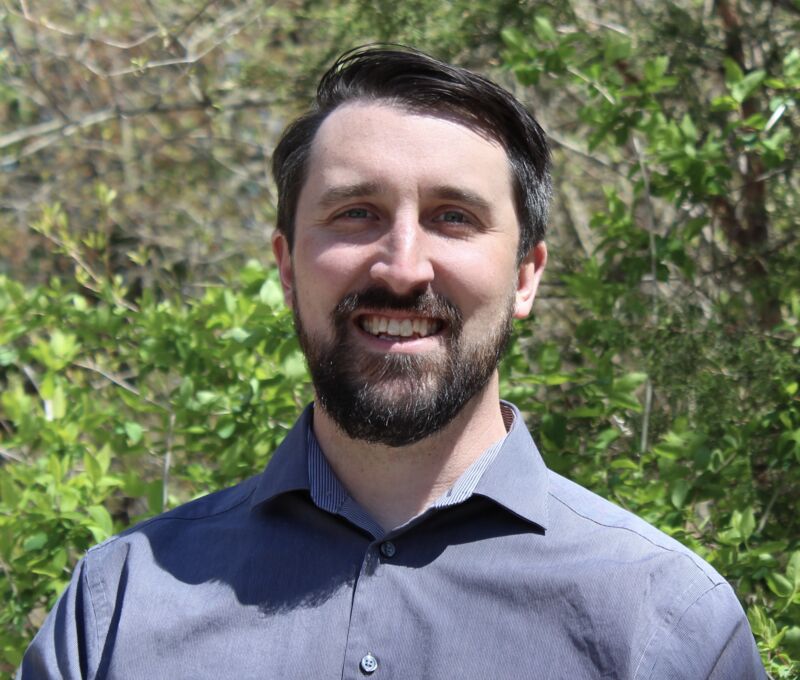
Nate Buelow Knows the Dashboard Is Also a Listening Device
The Stellantis marketing executive built his career by reading signals early. Now he is applying that habit to some of Detroit's most identity-heavy brands - from the return of the HEMI to Ram's return to NASCAR.
Gene Hall Runs Marketing Where the Math Never Sleeps
Inside Capital One, one of America's most data-obsessed banks, a divisional CMO answers a harder question than most marketers ever face: can you prove it worked?

Hideo Esaka Sells the Data That Runs Every Car You Never Think About
He trained in physics and psychology, then spent 25 years learning to explain complicated software to the people who buy it. At Solera, the product is the data quietly steering the auto and insurance industries.
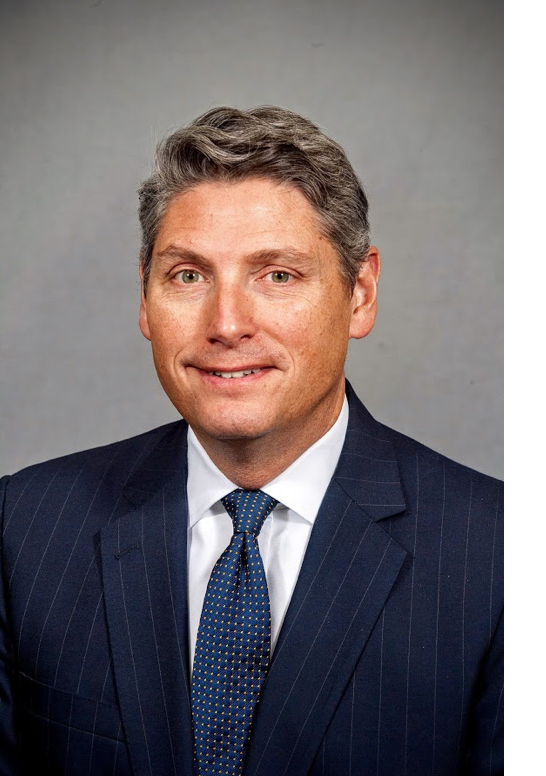
Daniel Doherty Is Turning Affinity Insurance Into a Listening Business
After four decades across Del Monte, Citibank, Cigna, AIG and Aon, Daniel Doherty has arrived at a deceptively simple marketing idea: relevance begins with listening, and data is useful only when it helps a customer feel understood.

Maria Winans Built a New Brand From 90,000 Old Habits
After 29 years at IBM, Maria Bartolome Winans became employee No. 2 at its infrastructure-services spinoff. Her assignment was bigger than a name and a logo: give tens of thousands of people a reason to feel like founders.