cpg
(61)
Startr Co. turns the grocery aisle into a news beat
A bag of fruit jerky, a box of cereal, a shortbread Advent calendar. Inside the PR agency that gives everyday products a reason to make headlines.
CreatorForce and the people behind the famous face
A celebrity can bring an audience. CreatorForce set out to find the partners and operators who could turn that attention into a consumer business - a story that now leads to Cr8tify.
McLean helped create Monster by questioning the can
Hansen’s wanted a bigger energy drink. McLean proposed a different kind of brand. Its work since then reveals when packaging should shout, and when it should leave well enough alone.

Thompson Design Group knew the shelf was the real test
A wine-estate dome, a familiar white cat, and an almond label with a printing problem. Inside the work of the San Francisco studio that closed in 2019, leaving a useful education in how packaging earns its place.
Truly Creative knows which parts of the package to keep
A bag of fries. A box of pasta. A parent scanning the wellness aisle. Truly Creative builds brands for the moment someone has to choose.

Streetbees heard the consumer. Then it ran out of runway.
Its chat-style research helped brands rethink coffee, grooming and the weekly shop. After administration and an asset sale, Streetbees is attempting a new chapter with the same valuable idea: ask people better questions.
The Retail World Runs on Guesses. MarketDial Sells Proof.
A pair of Salt Lake City founders - one ex-VC, one ex-McKinsey - built software that lets chains like Kum & Go, Dick's, and Woolworths test a store idea in a few dozen locations before betting the whole business on it. Then they took the incumbent to court.
The 'Where to Buy' Button Grew Up and Learned to Talk to Robots
PriceSpider spent 20 years turning a little 'Where to Buy' button into a business. Now, rebranded as Wayvia, it is wagering that the next shopper won't be a person at all - it will be an AI agent doing the buying.
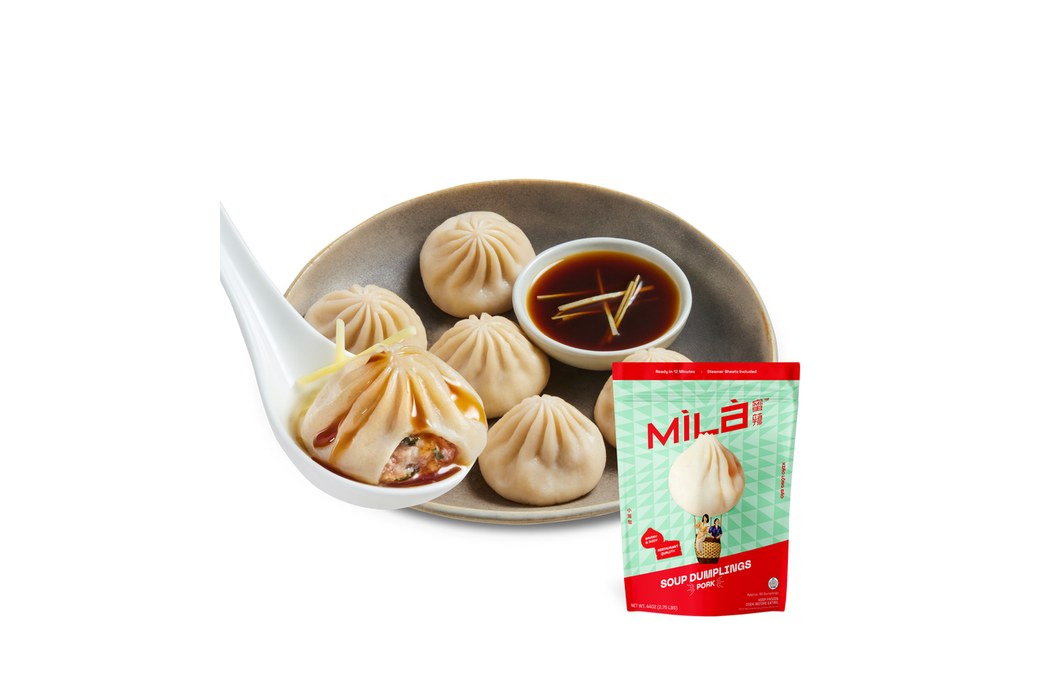
The Soup Dumpling That Escaped the Restaurant
Jen Liao and Caleb Wang couldn't find a good soup dumpling in Bellevue, so they built one you can keep in your freezer - and turned 500 test recipes into a grocery-aisle brand with Simu Liu on the payroll.
The Back Office That Decided Spreadsheets Were the Enemy
Alek Koenig left Affirm to build the financial plumbing for the soda, skincare and snack brands blowing up your Instagram feed. The pitch is boring on purpose: stop reconciling five systems by hand.
The Firm That Turned a Dead Brewery Into a Business Model
Kit Goldsbury sold a hot-sauce company to Campbell Soup, then spent two decades proving that a good meal can rebuild a piece of a city. In 2024, for the first time, Silver Ventures is letting outsiders buy in.
The Studio Betting Your Next Favorite Restaurant Won't Have a Dining Room
Founded in 2020 in El Segundo, DFG Ventures builds delivery-first food brands with celebrities and chefs - and runs the kitchens too. Goop Kitchen is its proof.
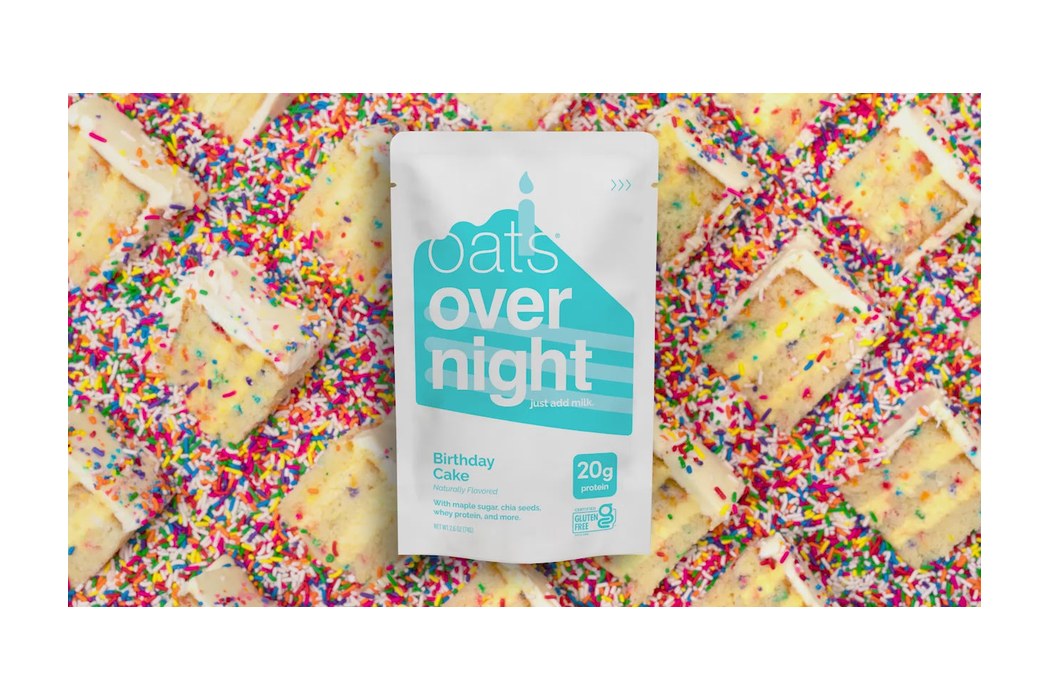
The Card Shark Who Bet It All on Breakfast
Brian Tate spent twelve years grinding high-stakes poker tables. Then he took his winnings, a shaker bottle, and a stubborn idea - that oatmeal could be worth waking up for - and built a business doing more than $200 million a year.
The Fund That Runs the Warehouse Before It Writes the Check
Most food VCs write a check and wait. Siddhi Capital shows up with a supply-chain team - and a thesis that the next decade of consumer eating gets rewritten by weight-loss drugs.
Abuela's Carnitas, Ready in Five Minutes
Del Real Foods took the slow-cooked meats of a Michoacan kitchen, refused to add preservatives, and figured out how to sell them in the Costco cold case. In 2024 a Guatemalan food giant bought a controlling piece.
The $6.7 Billion Company Hiding in Your Cleaning Closet
Clorox began with five men, $500 and a bottle of industrial bleach. More than a century later, its real product is a portfolio of small, repeatable solutions to messy everyday life - now with Purell at the center of a sharper health-and-hygiene bet.
The Family That Taught American Grocers to Stock Queso Fresco
Cacique started in 1973 with a mother's cheese recipe and a father selling it door to door out of a car cooler. Fifty years on it is the country's top Hispanic cheese, crema and chorizo brand - stocked in roughly four of every five U.S. grocery stores.
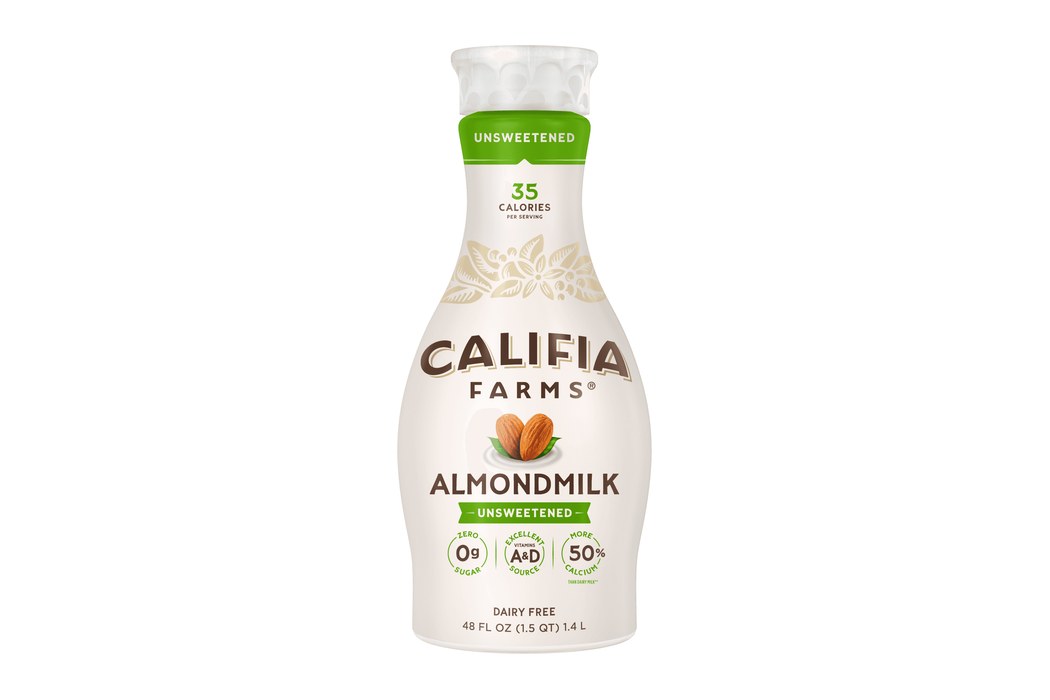
The Curvy Bottle That Convinced America to Pour Almonds in Its Coffee
Founded by the man who once sold Odwalla to Coca-Cola, Califia Farms turned a citrus packinghouse and a strangely shaped bottle into a plant-milk empire pouring in about 30 countries.
Mondelēz International
The company that turned Oreo, Cadbury and Toblerone into a $38.5 billion snacking empire has one job: be the thing you reach for between meals - in 150 countries, at any hour.
GT's Living Foods
GT Dave started bottling fermented tea in his parents' kitchen as a teenager. Three decades later he owns 100% of the company that created America's kombucha aisle - and has turned down every buyer who came knocking.
The Campbell's Company
The company that taught America to recognize a soup can is betting its next chapter on a much bigger pantry - from Rao's sauce to Goldfish crackers. Its hardest task is not escaping its past, but making that past useful again.
General Mills
It began as one flour mill on the Mississippi in 1866. A century and a half later, General Mills fills roughly nine in ten American pantries - and is betting its next chapter on cereal, snacks and, increasingly, the dog bowl.
Vita Coco
How two guys and a bar-room question about homesickness became a public company that pours roughly half of America's coconut water - and files its social mission in the same drawer as its earnings.
Nature's Path Foods
Forty years ago a berry-farmer's son turned his father's one-line advice into a cereal company. Nature's Path is still family-run, still refuses to sell, and still puts organic breakfast on tables in more than 40 countries.
Bel Group
How a Jura cheesemaker became a 120-country snacking machine - and why a 160-year-old family business is now spending it on regenerative farms and lab-made dairy.
Kenvue
Spun out of Johnson & Johnson with Tylenol, Neutrogena and Band-Aid in tow, Kenvue became the biggest name in consumer health almost overnight - then spent 2025 fending off activists, a CEO exit, an autism-claim firestorm and a $48.7 billion buyout.
Unilever
The 96-year-old owner of Dove, Hellmann's and Knorr just cut its ice cream loose and bet everything on 30 brands. Inside the biggest reset in modern consumer goods.
Haleon
The company you have never heard of makes the toothpaste, painkillers and vitamins you buy without thinking. Here is how GSK's cast-off brands became a £30 billion bet on self-care.
EthonAI
EthonAI (now branded Ethon) is a Zurich-based industrial AI company, spun out of ETH Zurich in 2021, that builds a Manufacturing Analytics System for factories. Its no-code platform layers on top of existing factory data sources to detect visual defects, monitor processes and run autonomous root cause analysis, using causal AI to explain what drives production variation. Customers including Siemens, Lindt & Sprüngli, Bosch and Roche use it to cut quality losses by up to 50% and raise productivity while keeping engineers in the decision loop.
Glimpse
Glimpse is an AI-native platform that automates deduction management for consumer packaged goods (CPG) brands. Its AI agents log into retailer portals, gather scattered documents, classify and validate deductions against internal data like promotion calendars and supply-chain records, then file disputes and recover cash that brands would otherwise write off. Founded in 2024 by three Purdue classmates after pivoting from an Airbnb product-placement startup, Glimpse works with 200+ brands and retail partners including Suave, Chapstick and Lemon Perfect, and raised a $35M Series A led by Andreessen Horowitz in March 2026.