consent-management
(16)
Soumya Chatterjee and the art of being remembered
From banking rewards to retail CRM, the Easyrewardz co-founder has kept returning to one problem: how a business remembers its customers. His next chapter puts their permission into the picture.
Ours Privacy helps healthcare ads keep a secret
A couples counseling company stripped its website of tracking tools. The workaround became Ours Privacy, a business selling healthcare marketers a way to measure results without sending patient secrets along for the ride.
TrustArc and the machinery behind a privacy promise
A privacy seal is easy to see. The work that earns it is harder: TrustArc has spent decades turning promises about personal data into inventories, assessments, consent and evidence.
The Checkbox That Became a Business
Dataships began with a privacy tool that customers barely noticed. It found its market when the founders asked a more pointed question: what happens to a paying customer after the checkout box is ticked - or missed?

Mozilor makes a business of the web’s unfinished chores
Cookie banners, product imports, website audits: Mozilor builds tools for the jobs nobody opens a business to do. Its most revealing expansion began with customers asking to take a WordPress plugin somewhere else.

Colleen Barry Makes Privacy Sound Like a Conversation Worth Joining
The Ketch marketing leader began in sales, found her voice in an a cappella group, and now turns the machinery of data permissioning into a lively weekly conversation.
The $5.3 Billion Cookie-Banner Company Had to Grow Up - Now OneTrust Wants to Govern Your AI
OneTrust turned a deadline called GDPR into one of software's fastest growth stories. After a bruising reset, the company behind countless cookie pop-ups is betting that the next compliance emergency will be every company's unruly fleet of AI models and agents.
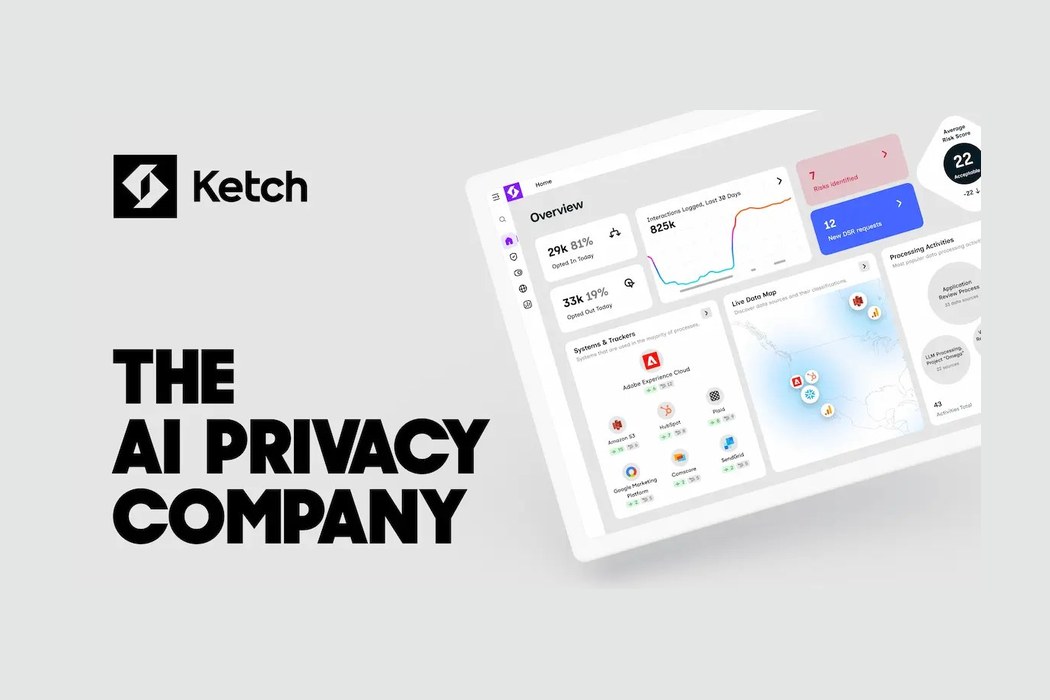
Ketch Wants to Turn the Cookie Banner Into a Kill Switch
Most privacy software records what a customer clicked. Ketch is betting that the valuable part is making the rest of the company obey it.

Bobby Jaffari Has Spent a Career Turning Complexity Into a Company
After helping WebEx and Freshworks through defining transitions, Bobby Jaffari is applying an operator's discipline to data privacy - a field where trust has become part of the product.
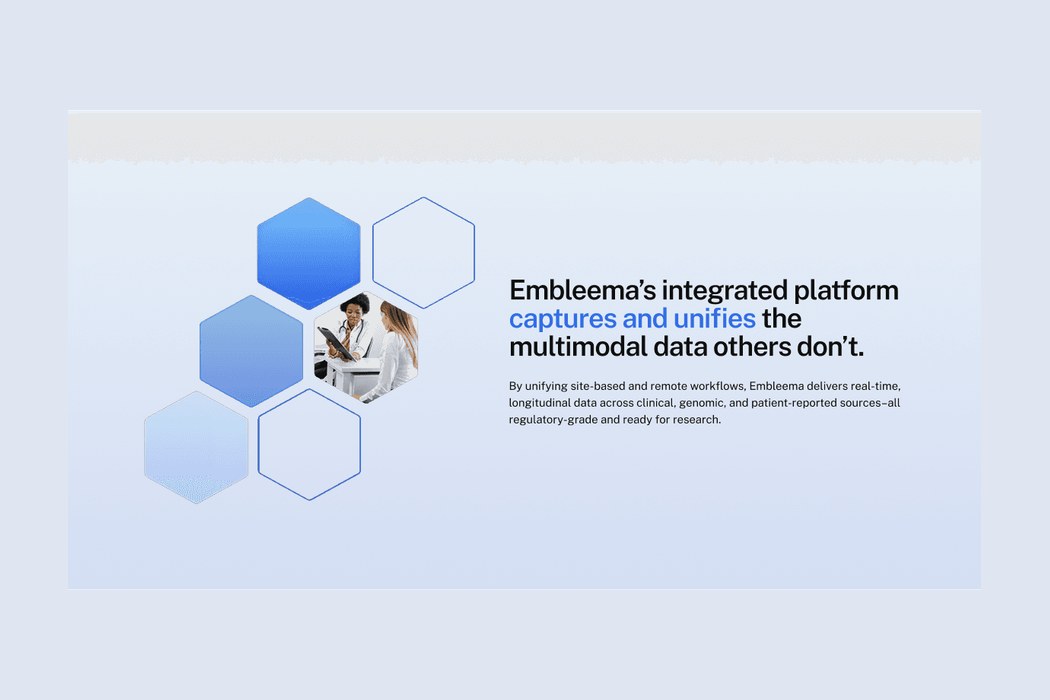
Embleema
Embleema is a New York- and France-based healthcare technology company that builds a unified real-world data and evidence platform for clinical research. It aggregates clinical, genomic, and patient-reported data from electronic medical records, wearables, biospecimens, and patient apps into regulatory-grade datasets, and uses no-code protocol tools plus dynamic consent to help pharmaceutical sponsors, research sites, and patient groups run non-interventional and Phase IV studies faster and at lower cost. Founded in 2017 by Robert Chu, the company started with a patient-driven health blockchain and its analytics stack has been used by the FDA for genomic regulatory review.
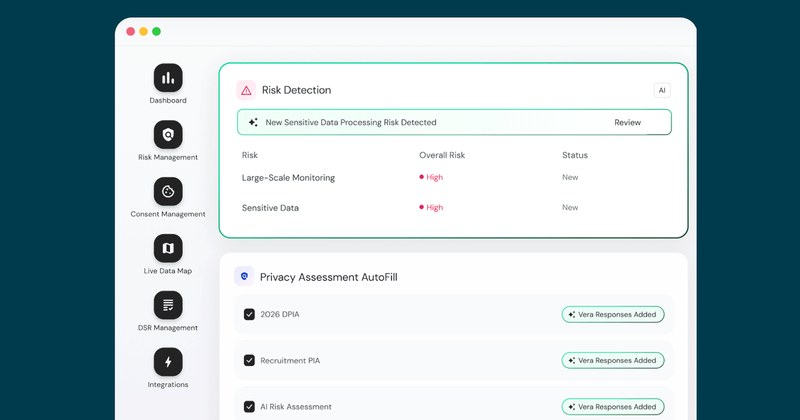
DataGrail
DataGrail is a San Francisco-based data privacy company that helps modern brands automate compliance with regulations like GDPR, CCPA, and CPRA. Its Agentic Data Privacy Platform - powered by an AI privacy agent named Vera and backed by more than 2,500 pre-built integrations - handles the unglamorous plumbing of privacy: mapping where personal data lives, fulfilling data subject requests, managing consent, and running privacy and AI risk assessments. Founded in 2018 by three data and go-to-market veterans, it counts Salesforce, Databricks, Instacart, and Major League Soccer among its customers.
Essert Inc.
Essert Inc. is a Silicon Valley software company that builds a Declarative AI platform to automate cybersecurity, privacy, and AI-governance compliance for enterprises. Founded in 2022 by a team of serial entrepreneurs, Essert helps publicly traded companies and regulated organizations navigate frameworks like the SEC Cybersecurity Disclosure Rules, CCPA/CPRA, and emerging AI regulation - auto-generating policies, running materiality and risk assessments, monitoring controls, and producing audit-ready disclosure reports.

Osano
Osano is an Austin-based data privacy platform that helps companies comply with GDPR, CCPA, and 95+ global privacy laws through consent management, cookie banners, subject rights automation, data mapping, vendor risk monitoring, and privacy assessments. Founded in 2018, it is the first data privacy platform certified as a B Corporation and backs its software with an industry-only 'No Fines, No Penalties' guarantee. Osano processes over a billion consents a month for thousands of companies.

HealthEx
HealthEx is a San Francisco healthcare technology company building a patient consent and preference platform that lets individuals authenticate, access, and share their comprehensive health records in real time - while giving health systems a way to enforce granular consent across the care journey. Founded in 2024 by physician Priyanka Agarwal and engineer Anand Raghavan, it raised $14M led by General Catalyst and operates under the federal TEFCA framework, connecting patients to most U.S. care providers through partners like Epic, athenahealth, CLEAR, and CommonWell.

Priyanka Agarwal
Priyanka Agarwal is a physician-turned-founder building HealthEx, an AI-powered patient consent and data-rights platform she started in 2022. A practicing UCSF telehealth physician with an MD from Harvard Medical School and an MBA from Harvard Business School, she is rebuilding how patients grant, revoke, and direct access to their own medical records. HealthEx raised $14M led by General Catalyst, connected to national networks through TEFCA, and partnered with MD Anderson, Epic, CLEAR, and athenahealth to make patient-controlled data the default rather than the exception.
Transcend
Transcend is the compliance layer for customer data. Founded by two Harvard students who couldn't get their own data back from the apps they used, the company builds privacy and AI-governance infrastructure that automates data mapping, data subject requests, consent management, and oversight of data flowing in and out of large language models. Its software powers modern data rights for more than 1.2 billion people across Fortune 100 brands and category leaders.