computational-neuroscience
(15)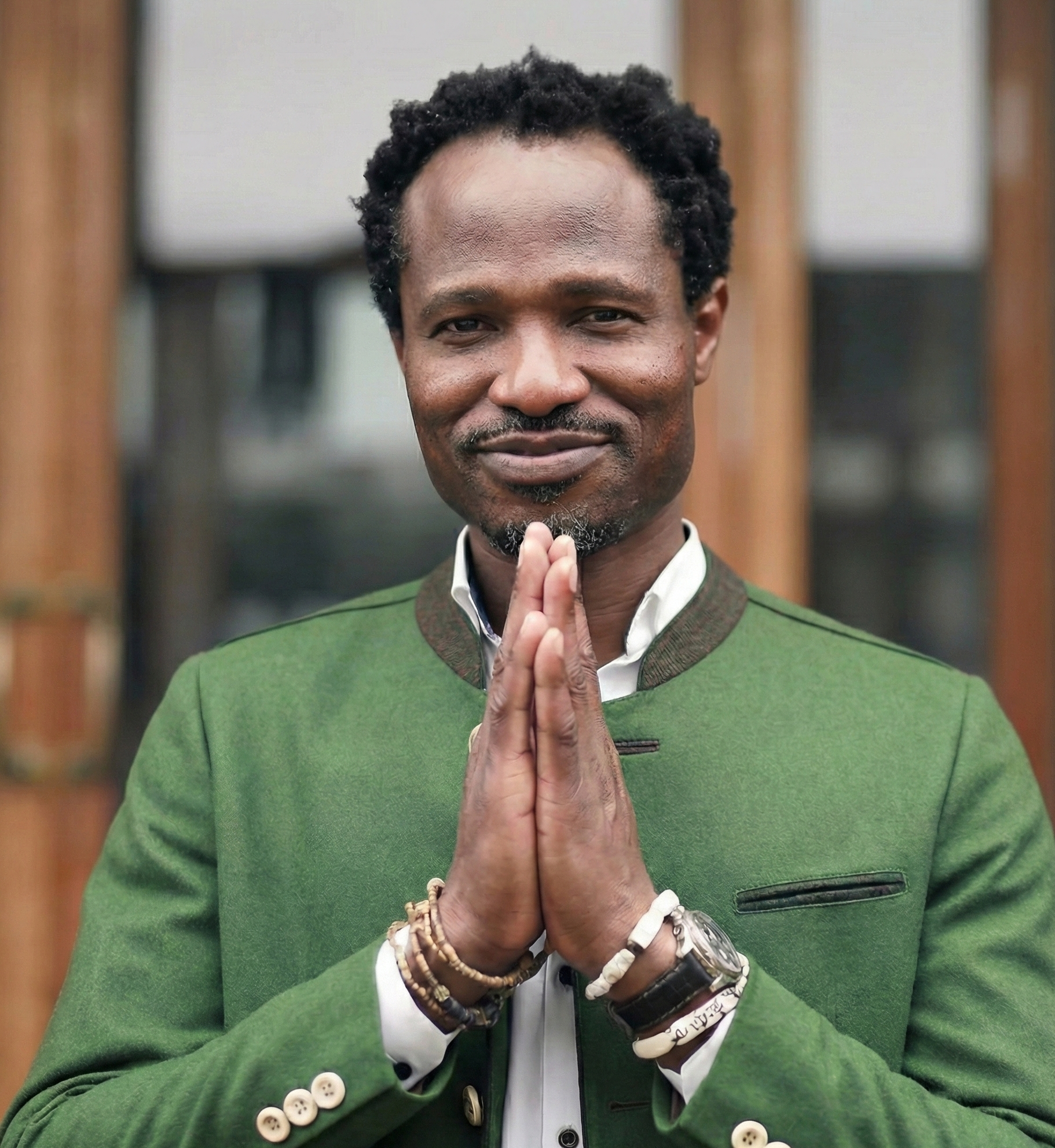
Osh Agabi Is Teaching Machines to Smell the Invisible
A professor told Osh Agabi to find a field where little had been measured. He chose neurons - then built a company around giving machines a biological sense of smell.
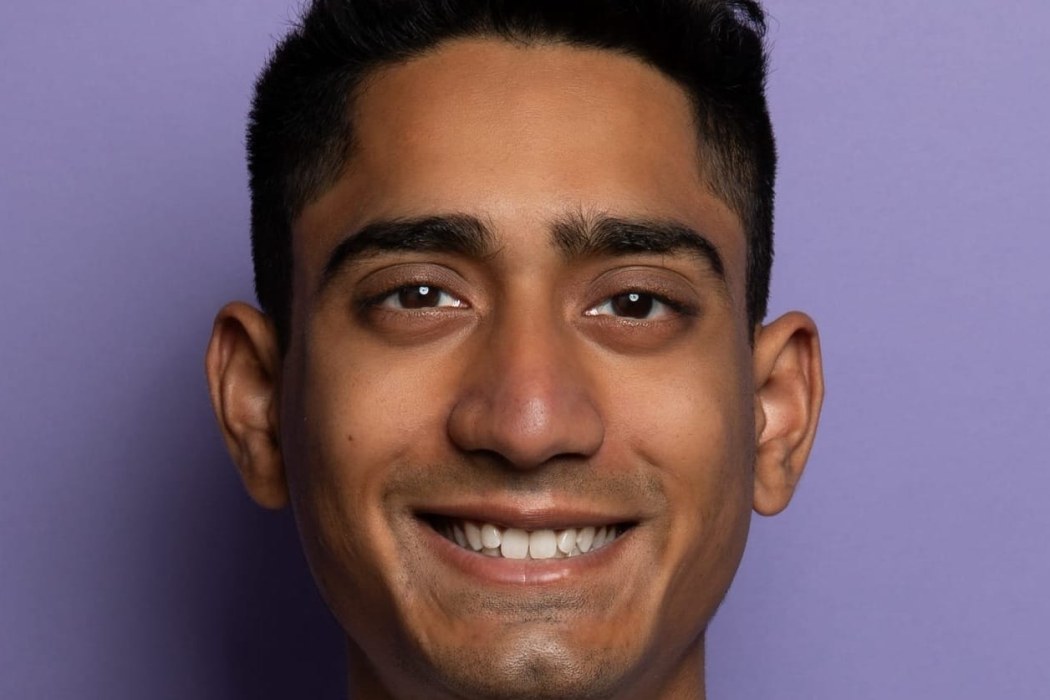
Shawn Shivdat
Shawn Shivdat is the co-founder and CEO of Penciled (YC W24), a San Francisco startup that builds an AI front office assistant for physical therapy clinics. Raised around a mother's private practice and trained in computational neuroscience at Harvard, he went from writing patient-outcome software at Massachusetts General Hospital to launching a company that fills canceled appointments and completes plans of care automatically. Penciled now serves 200+ providers across 50+ clinics and has raised over $2.6M.
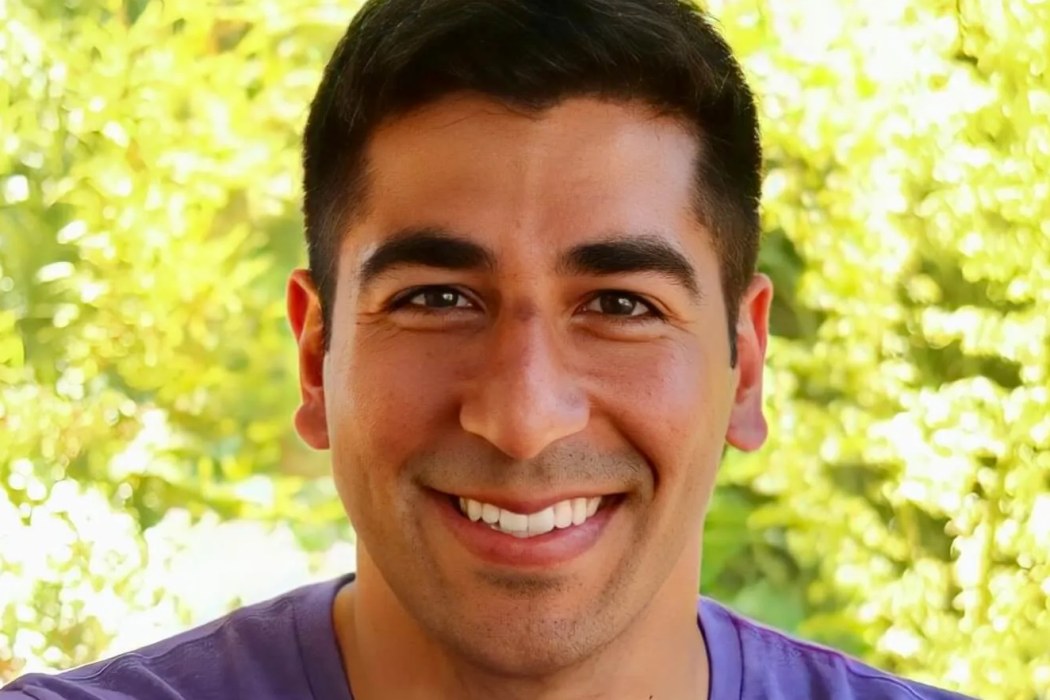
Senan Ebrahim
Senan Ebrahim is the founder and CEO of Delfina, a San Francisco digital health company using AI and data science to improve pregnancy care and close gaps in maternal health. A physician-scientist with an MD and a PhD in computational neuroscience from Harvard, he founded Delfina after witnessing a preventable stillbirth during medical training. He earlier founded Hikma Health, a nonprofit building free health-data tools for refugee and low-income patients. Delfina raised a $17M Series A in early 2025 led by U.S. Venture Partners.
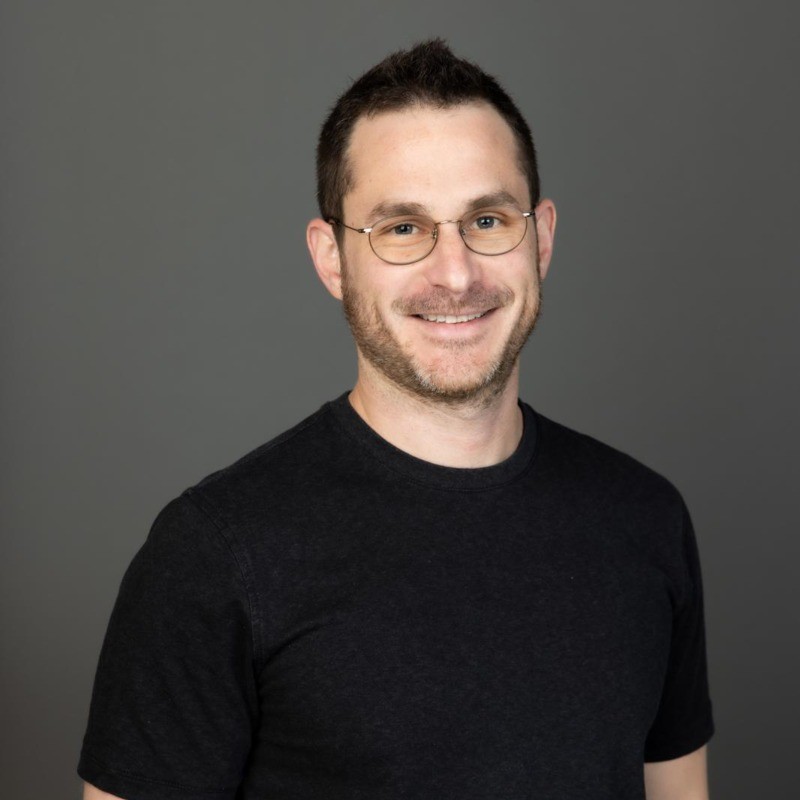
Zohar Bronfman
Zohar Bronfman is the co-founder and CEO of Pecan AI, a predictive analytics company he launched two months after finishing not one but two PhDs at Tel Aviv University - one in computational cognitive neuroscience, another in the history and philosophy of science. He and his co-founder built Pecan's first prototype for a data-science competition they missed the deadline for, then turned it into a low-code platform that lets business teams build predictive models without hiring data scientists. Pecan has raised roughly $127 million from Insight Partners, GV, and Dell, and its work now touches revenue at Fortune 500 companies. Bronfman is a vocal skeptic of AI hype, arguing that predictive AI and generative AI are more useful married than either is alone.

MetaCell
MetaCell is a life-science software company staffed by scientists and software engineers who turn messy neuroscience and biology data - microscopy, MRI, EEG, electrophysiology, biologically accurate simulations - into usable, shareable, enterprise-grade online tools. Founded by the trio behind the OpenWorm project, MetaCell builds custom scientific software, cloud workspaces, and data pipelines for pharma companies and top research institutions including Johnson & Johnson, Pfizer, Biogen, Eisai, the Allen Institute, the Chan Zuckerberg Initiative, and universities like Princeton, Yale, and UCL.
James Rebesco
James (Jim) Rebesco is the co-founder and CEO of Striveworks, an Austin-based AI company that helps the U.S. defense and national-security community build, deploy, and monitor machine-learning models at scale through its Chariot platform. A physicist by training (Caltech) and a computational neuroscientist by doctorate (Northwestern), he spent seven years as a partner at high-frequency trading firm Virtu Financial before turning to operational AI. Under his leadership Striveworks has landed a $70M enterprise government agreement, raised a Series B led by Washington Harbour Partners, and become the first company to bridge the U.S. Army's two largest battlefield AI efforts.
Alexandre Pasquiou
Alexandre Pasquiou is the CEO and co-founder of Neuralk-AI, a Paris deeptech building tabular foundation models - AI designed natively for the spreadsheets, SQL tables and product catalogs that run real businesses. A CentraleSupelec engineer with a PhD in computational neuroscience from Inria, he spent his doctorate measuring how well language models like GPT-2 and BERT predict human brain activity, then turned that obsession with structured signal into a company. Founded in 2023 with Antoine Moissenot, Neuralk raised a $4M seed in early 2025 led by Fly Ventures, backed by angels including Hugging Face's Thomas Wolf and Mirakl's Philippe Corrot, and works with retailers like E.Leclerc and Auchan.
Stephen Larson
Stephen Larson is a neuroscientist and entrepreneur who co-founded OpenWorm, the open-science effort to build the first complete digital organism by simulating the 302-neuron nervous system of the roundworm C. elegans. He is co-founder and CEO of MetaCell, a life-science software company that helps pharmaceutical firms and research institutions visualize, analyze, and collaborate on complex biological data. Trained at MIT in computer science and AI and at UC San Diego in neuroscience, he sits at the intersection of code and biology, betting that understanding a worm in silico is a first step toward understanding the human brain.
Tadas Jucikas
Tadas Jucikas is the founder and CEO of Genus AI, a generative AI platform that produces tens of millions of product images, videos, audiences and ad copy each month for direct-to-consumer and e-commerce brands. He holds a PhD in computational neuroscience from the University of Cambridge, where he decoded the behavior of microscopic worms and published in Nature Methods and PNAS, then spent years applying AI to human behavior for UK government departments and companies like Uber, EDF Energy and Tesco. He co-founded Genus AI with his brother Viktoras, raised $11M in seed capital, and also serves as founding dean at Turing College.

Arctop
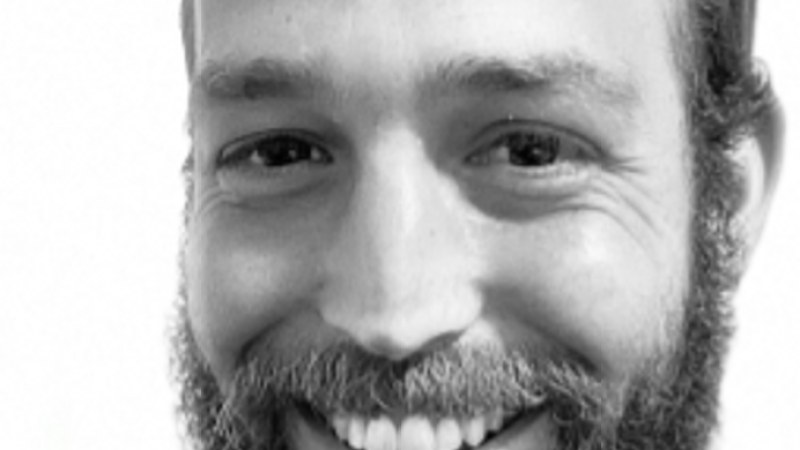
Arctop is a cognition company building software that decodes the human brain. Its AI platform translates electrical brain-activity signals from everyday wearables - headbands, earbuds, and VR/AR headsets - into real-time, actionable insight about focus, emotion, intention, and memory. Founded in 2016 by neuroscientist Dan Furman and engineer Eitan Kay, Arctop licenses its non-invasive brain-decoding software to developers and enterprises across health, entertainment, education, and government, positioning itself as the intelligence layer between brain-sensing hardware and the applications that use it.
Dan Furman
Dan Furman is a neuroscientist and the co-founder and CEO of Arctop, a company building the software intelligence layer that decodes human brain signals in real time from everyday wearables like headbands, earbuds and VR headsets. A Harvard-trained neurobiologist with a Technion PhD, he once helped adapt a sleep-monitoring device into a brain-computer interface for Stephen Hawking, and his doctoral work showed that non-invasive scalp sensors could control individual neuroprosthetic fingers. In 2023 Arctop raised a $10M Series A to apply its 'Brain ID' and real-time cognition technology across medicine, education, cybersecurity and entertainment.
David Matthews
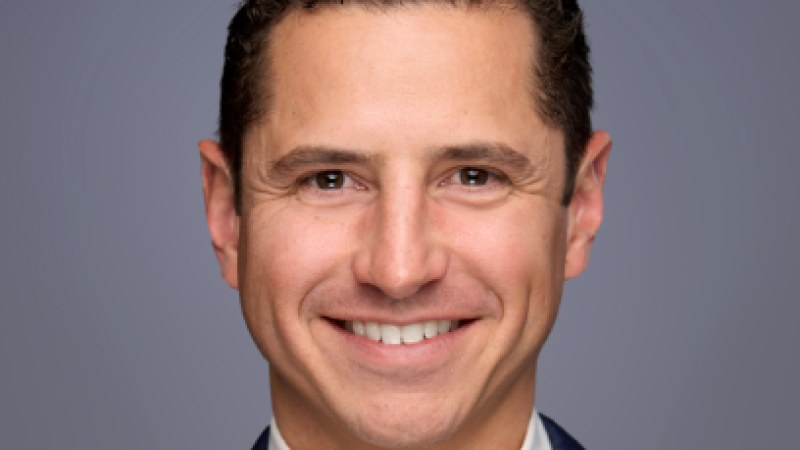
David Matthews, PhD, is Chief Business Officer at Beacon Biosignals, the computational neurodiagnostics company turning EEG brain data into AI-powered biomarkers for neurological and psychiatric disease. A computational neuroscientist by training, he spent two decades moving between the lab, the boardroom, and the market - from NIH- and NSF-funded research at the Salk Institute to a partnership at Boston Consulting Group to commercial leadership at digital-health platform BrightInsight. He now drives partnerships and commercial growth at a company betting that the brain can be measured at home, at scale.

Michael Vidne
Michael Vidne is a Columbia-trained applied mathematician turned biotech founder who has spent the last decade moving cancer medicine from the lab bench to the clinic. He led the diagnostics company NovellusDx as CEO, steered its pivot into the precision-oncology drug developer Fore Biotherapeutics, and now builds at the intersection of AI, data, and healthcare as founder and CEO of the stealth-mode Baobab Therapeutics. His through-line: using rigorous models of complex systems - first neurons firing in the retina, later signaling pathways inside a tumor cell - to make treatment decisions that actually fit the patient in front of you.
Robert Yang
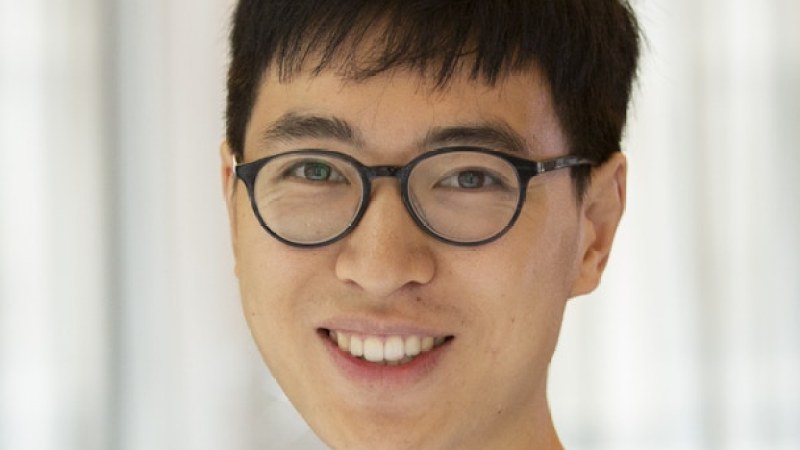
Robert Yang (Guangyu Robert Yang) is a computational neuroscientist turned AI founder who left a tenure-track professorship at MIT to build Fundamental Research Labs (formerly Altera), a company creating socially intelligent AI agents. Trained in physics at Peking University, with a PhD from NYU and postdoc at Columbia, Yang became a 2022 Searle Scholar before pivoting to the startup world in December 2023. His company made waves running 1,000 autonomous AI agents in Minecraft — watching them spontaneously develop religions, trade economies, and social hierarchies — and has since raised over $45M to bring that vision into enterprise productivity tools and beyond.
Charles Cadieu
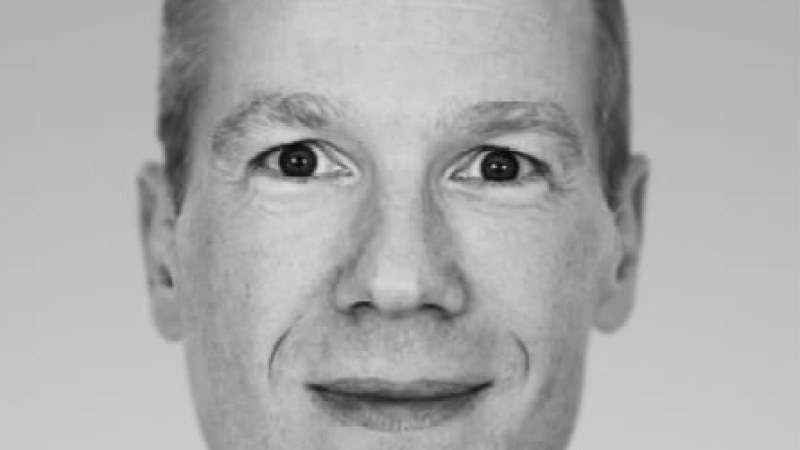
Charles Cadieu is a serial entrepreneur and computational neuroscientist-turned-climate-tech founder. He is the Co-Founder and CEO of Spiritus, a direct air capture company aiming to slash the cost of carbon removal to $100 per ton - down from the current $600-$1,000 industry standard. Before Spiritus, Cadieu founded Caption Health (AI-guided cardiac ultrasound, acquired by GE HealthCare in 2023) and IQ Engines (AI image recognition, acquired by Yahoo!/Flickr in 2013). Holding a PhD from UC Berkeley and degrees from MIT, he bridges deep academic roots in neural networks with a track record of building and exiting companies that redefine their industries.