columbus-ohio
(18)
The Thirty-Year Overnight Success of PRISM Marketing
Michelle Adams built a Columbus agency one cold call at a time. Thirty years later, its best work still begins with the unfashionable question most marketers skip: what problem are we actually solving?

The Agency That Learned to Sell the Decision Before the Product
Fahlgren Mortine built a national communications business by noticing a stubborn truth: audiences rarely need a louder pitch. They need a better way to make up their minds.

Slide Nine Bet Its Name on the Ninth Slide
A Columbus communications firm found its new identity in the least glamorous place imaginable: a client-service promise buried inside a pitch deck. The ninth slide became a name - and a test of whether an agency can turn its operating habits into a brand.
RMD Lives Inside Food. That's the Whole Point.
Three decades inside food, beverage, and CPG have given RMD the category fluency to help challenger brands win consumers and the gatekeepers who shape what sells.

The People Who Bring Pizza to a Pipe Meeting
MurphyEpson sells something stranger than publicity: the informed consent a city needs before it digs up a street, redraws a bus route or asks a neighborhood to trust the future.

The Superintendent's Missing Communications Department
Public schools have plenty to say and almost no spare hands to say it. Allerton Hill sells them the missing newsroom, crisis desk and listening post - for roughly the price of one hire.

The PR Agency That Put a Camera in the Operating Room
MediaSource wagered that a medical breakthrough is easier to understand when people can see it. Twenty-eight years later, the Columbus agency sells the whole chain from story discovery to newsroom-ready footage to proof that attention changed behavior.

The Shipyard Runs Marketing Like an Engineering Problem
The Columbus agency behind In-N-Out's growth run wants to build brands people love - and prove it with numbers. Its bet: creativity and data belong on the same team.

Condado Tacos Turned the Check-Off Menu Into a Growth Machine
The Columbus chain does not sell authenticity theater. It sells choice - then uses murals, margaritas and a surprisingly sophisticated loyalty engine to make 50-plus restaurants feel local.
The Windshield Became a Computer. Safelite Built the Service Network Around It.
A rock chip used to be a glass problem. Now it can involve cameras, software, insurance and a technician at your driveway - which explains why Safelite's most valuable product may be coordination.
The Blue Jackets Built a Hockey Town. Now They Have to Win It.
Columbus has proved it will show up - 94,751 fans did so at Ohio Stadium. The Blue Jackets' harder business is turning civic affection, a loud cannon and a deep local network into the durable habit of winning.
The $7.3 Billion Business of Selling a Feeling
Bath & Body Works turned scent into a retail operating system - part product lab, part seasonal theater, part loyalty machine. Now it is trying to carry that formula beyond the mall without losing the ritual that made it work.

NetJets Turned the Private Jet Into a Subscription Before Subscriptions Were Cool
The Columbus company does not merely sell flights. It sells relief from owning an entire aircraft - then uses a vast fleet, specialized crews and a 24-hour operations machine to make that promise hold up.
Jeni's Splendid Ice Creams
Jeni Britton turned a spoonful of cayenne-spiked chocolate into a national premium ice cream business. Now Jeni's is testing whether the same craft, curiosity, and neighborhood warmth can survive grocery scale, frozen shipping, and franchising.

M/I Homes, Inc.
M/I Homes sells the house, helps personalize it, finances the buyer and stays on the hook after closing. Fifty years in, that unusually complete chain is being tested by the most stubborn problem in American housing: affordability.
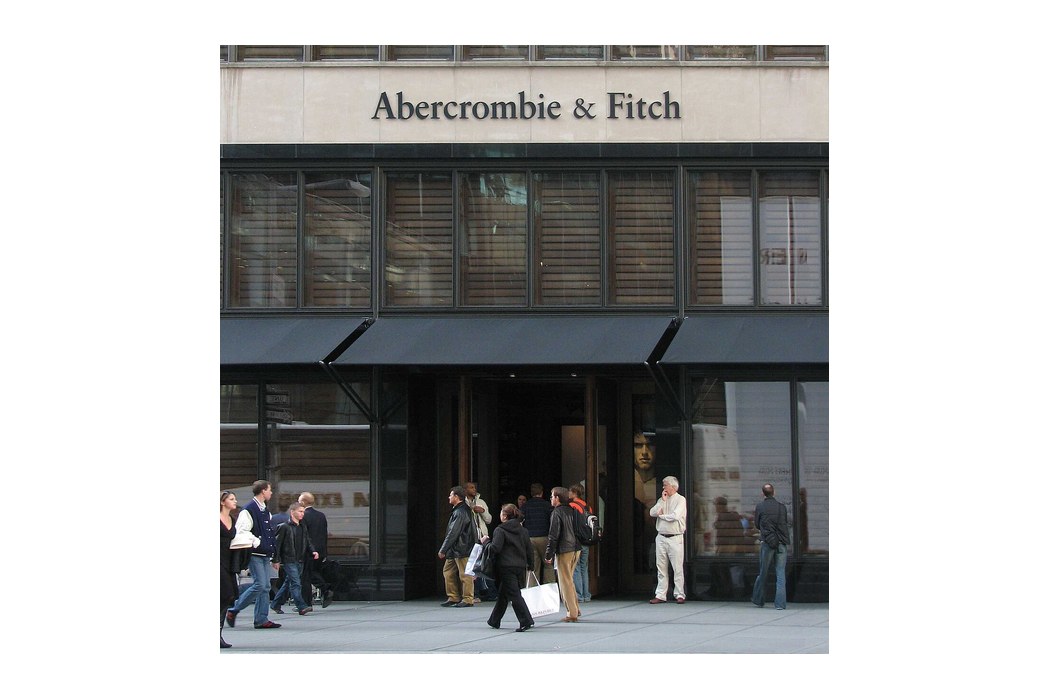
Abercrombie & Fitch Co.
Abercrombie & Fitch Co. (NYSE: ANF) is a Columbus, Ohio-based global specialty apparel retailer that operates a family of brands - Abercrombie & Fitch, abercrombie kids, Hollister, Gilly Hicks, Social Tourist and the YPB activewear line - across roughly 840 company-operated stores, a franchise network and a digital business that accounts for close to half of revenue. Founded in 1892 as a Manhattan outfitter that supplied Theodore Roosevelt's safaris and counted Ernest Hemingway among its customers, the company spent the 2010s dismantling the exclusionary teen-mall identity it had built in the 1990s and 2000s. Under CEO Fran Horowitz, who took over in 2017, it split its two flagship brands into distinct demographic lanes - Abercrombie for millennials in their twenties and thirties, Hollister for teenagers - shrank store footprints, and rebuilt merchandising around a lean-inventory 'chase' model that reads early demand signals and reorders fast. The approach produced record fiscal 2025 net sales of $5.27 billion, a third straight year of double-digit operating margin, and one of the more complete reputational reversals in modern American retail.

Victoria's Secret & Co.
Victoria's Secret & Co. is a Columbus, Ohio-based specialty retailer of lingerie, intimates, beauty and fragrance, operating the Victoria's Secret, PINK and Victoria's Secret Beauty brands along with the digital-first label Adore Me. Spun off from L Brands as an independent NYSE-listed company (VSCO) in 2021, it sells bras, panties, sleepwear, activewear, body care and fragrance through roughly 1,300 retail stores, a global network of partner-operated locations and a large e-commerce operation. With about $6.55 billion in fiscal 2025 revenue and around 31,000 employees, the company is pursuing a turnaround that pairs a revived Victoria's Secret Fashion Show with a broader, more inclusive brand message.
Physna
Physna is a geometric deep-learning company that does for 3D models and physical objects what Google did for text: it lets machines actually understand shape. Its proprietary technology codifies the geometry of any 3D model into searchable, comparable data, powering both an enterprise platform used by Fortune 500 manufacturers and government agencies, and Thangs, a free public 3D search engine and creator community that has grown to tens of millions of monthly users. Founded in 2015 in Ohio and backed by Sequoia, Tiger Global, GV and Drive Capital with more than $86M raised, Physna turns the physical world into something a computer can search, match and protect.